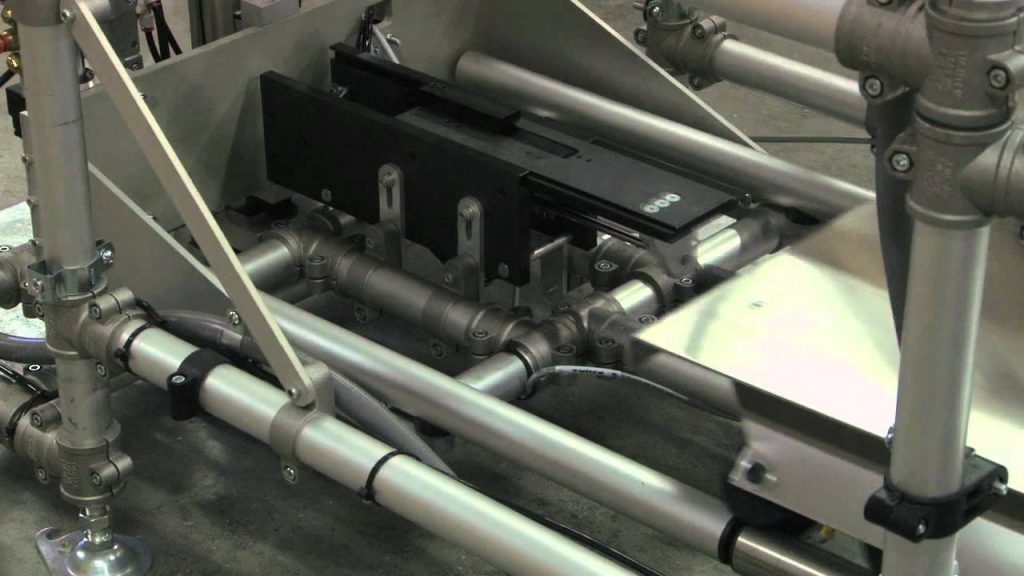
5 Ways Mold Upenders Improve Safety and Efficiency in Heavy Mold Handling
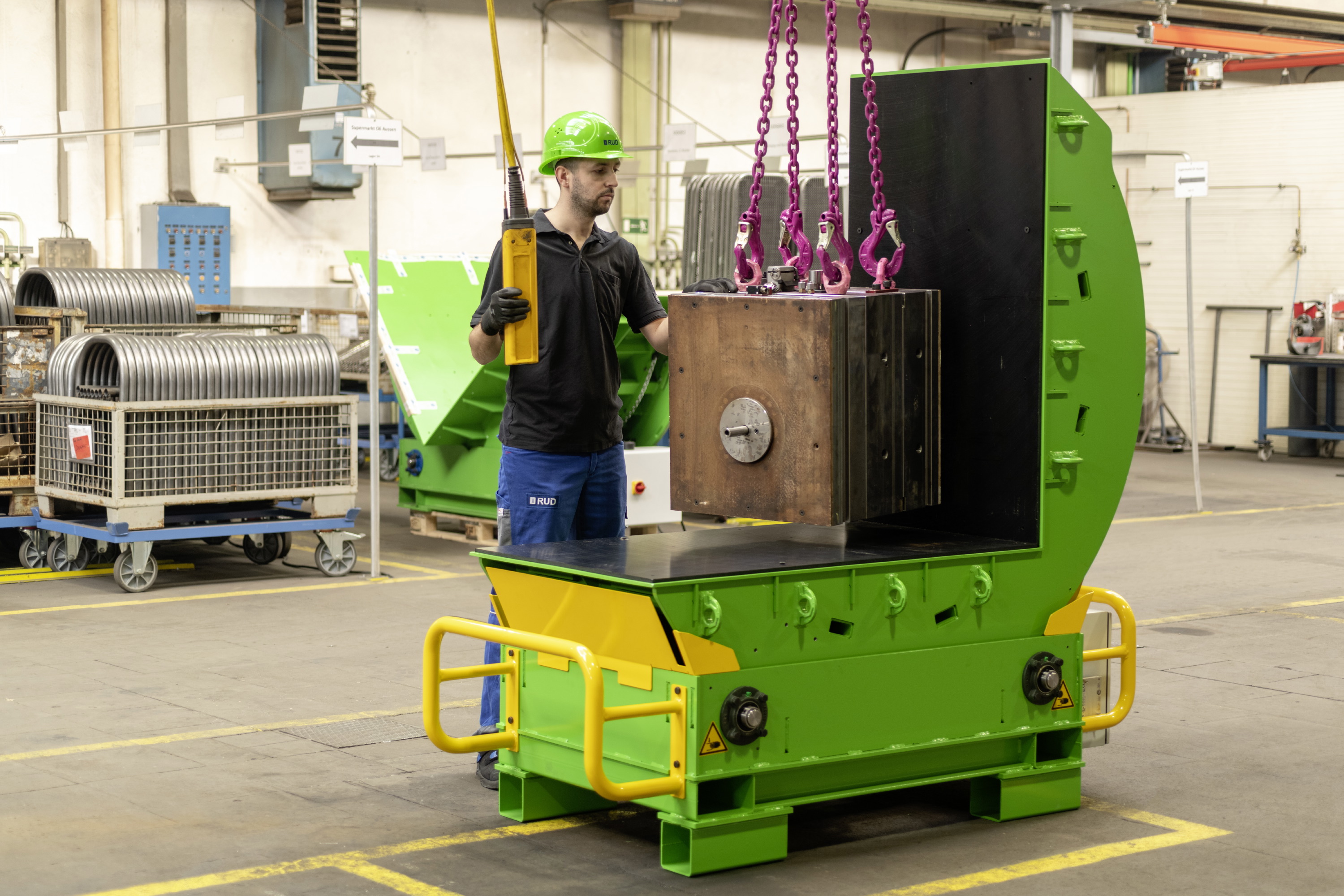
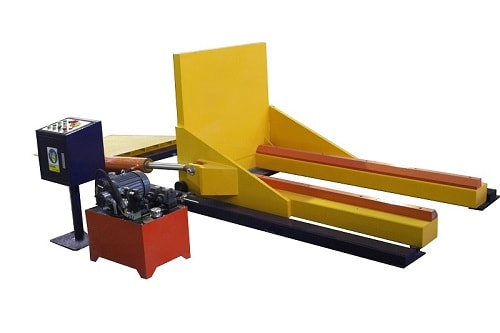
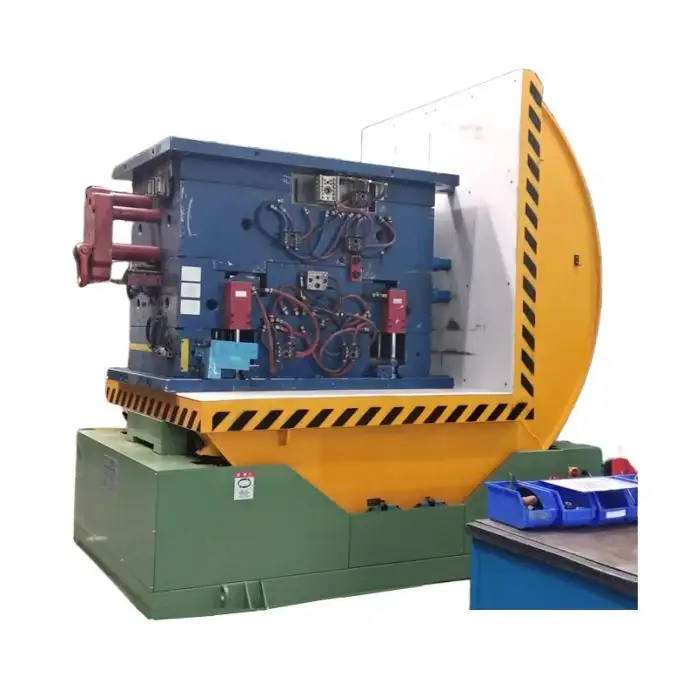
Mold upenders significantly enhance safety and efficiency in heavy mold handling by automating the 90-degree turning process, drastically reducing manual labor, minimizing the risk of workplace injuries, and streamlining workflows for increased productivity and operational reliability. These robust machines are essential for modern manufacturing operations looking to optimize mold handling processes.
In the demanding world of manufacturing, particularly in industries relying on injection molding and die casting, the handling of heavy molds presents significant challenges. Traditionally, maneuvering these bulky and unwieldy tools has been a labor-intensive and potentially hazardous task, often relying on manual efforts and posing considerable risks to worker safety and operational efficiency. However, the advent of mold upenders, also known as mold tilters or mold turning machines, has revolutionized this critical aspect of production. These specialized machines offer a robust and intelligent solution to the complexities of heavy mold handling, delivering a multitude of benefits that significantly impact both safety and efficiency.
This article will explore five key ways mold upenders are transforming heavy mold handling, enhancing workplace safety, and boosting operational efficiency in manufacturing environments.
1. Minimizing Manual Labor and Enhancing Workplace Safety
| The most immediate and impactful benefit of mold upenders lies in their ability to drastically reduce manual labor involved in mold handling. Historically, turning or repositioning heavy molds required teams of workers, often employing cranes, hoists, and strenuous physical exertion. This manual process is not only time-consuming but also inherently dangerous, exposing workers to the risks of strains, sprains, and more serious injuries from mishandled molds. Mold upenders automate the crucial 90-degree turning operation, a frequent requirement for mold maintenance, storage, and preparation for production. By replacing manual muscle power with hydraulic or mechanical systems, these machines bear the brunt of the heavy lifting and rotation. This automation significantly minimizes the physical strain on workers, creating a safer work environment. The controlled and precise movements of the mold upender remove the unpredictable element of human error and the physical limitations of manual handling. Consider the following comparison between traditional manual methods and using a mold upender: |
Feature | Manual Handling | Mold Upender |
|---|
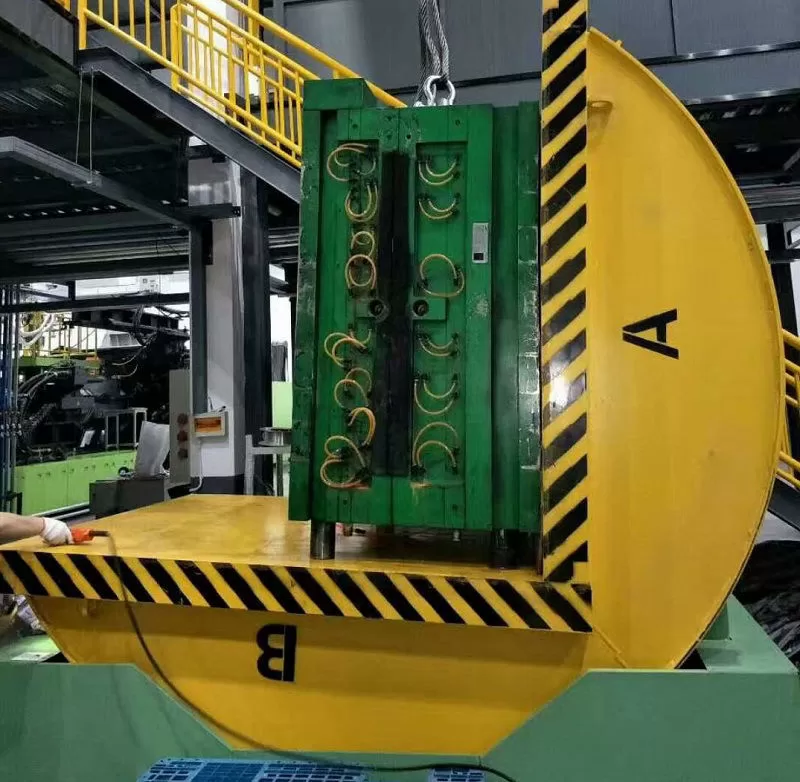
| Labor Requirement | Multiple Operators | Single Operator |
| Risk of Injury | High | Low |
| Physical Strain | Significant | Minimal |
| Turning Precision | Variable, Dependent on Skill | Precise and Consistent |
| Operation Time | Longer | Significantly Shorter |
As evident from the table, mold upenders offer a clear advantage in terms of reducing labor dependence and dramatically improving safety. The machine takes over the heavy lifting and turning, allowing workers to focus on operating the equipment and overseeing the process, rather than directly engaging in physically demanding and risky tasks. This shift not only protects workers but also enhances the overall morale and productivity of the team.
2. Streamlining Mold Handling Processes and Boosting Efficiency
Efficiency in mold handling directly translates to enhanced productivity and reduced downtime in manufacturing operations. Manual mold turning is a time-consuming process, often interrupting production schedules and causing bottlenecks. Mold upenders, on the other hand, are designed to perform quick and precise rotations, significantly reducing the time required for mold handling tasks.
The automated 90-degree tilt capability of mold upenders allows for versatile mold positioning, crucial for various stages of the mold lifecycle including maintenance, repair, storage, and preparation for different production runs. This rapid and efficient repositioning capability is essential for optimizing workflow and minimizing turnaround time.
Data consistently demonstrates the significant time savings offered by mold upenders. Where manual turning might take 30 minutes or longer and involve a team, a mold upender can accomplish the same task in as little as 5 minutes with a single operator.
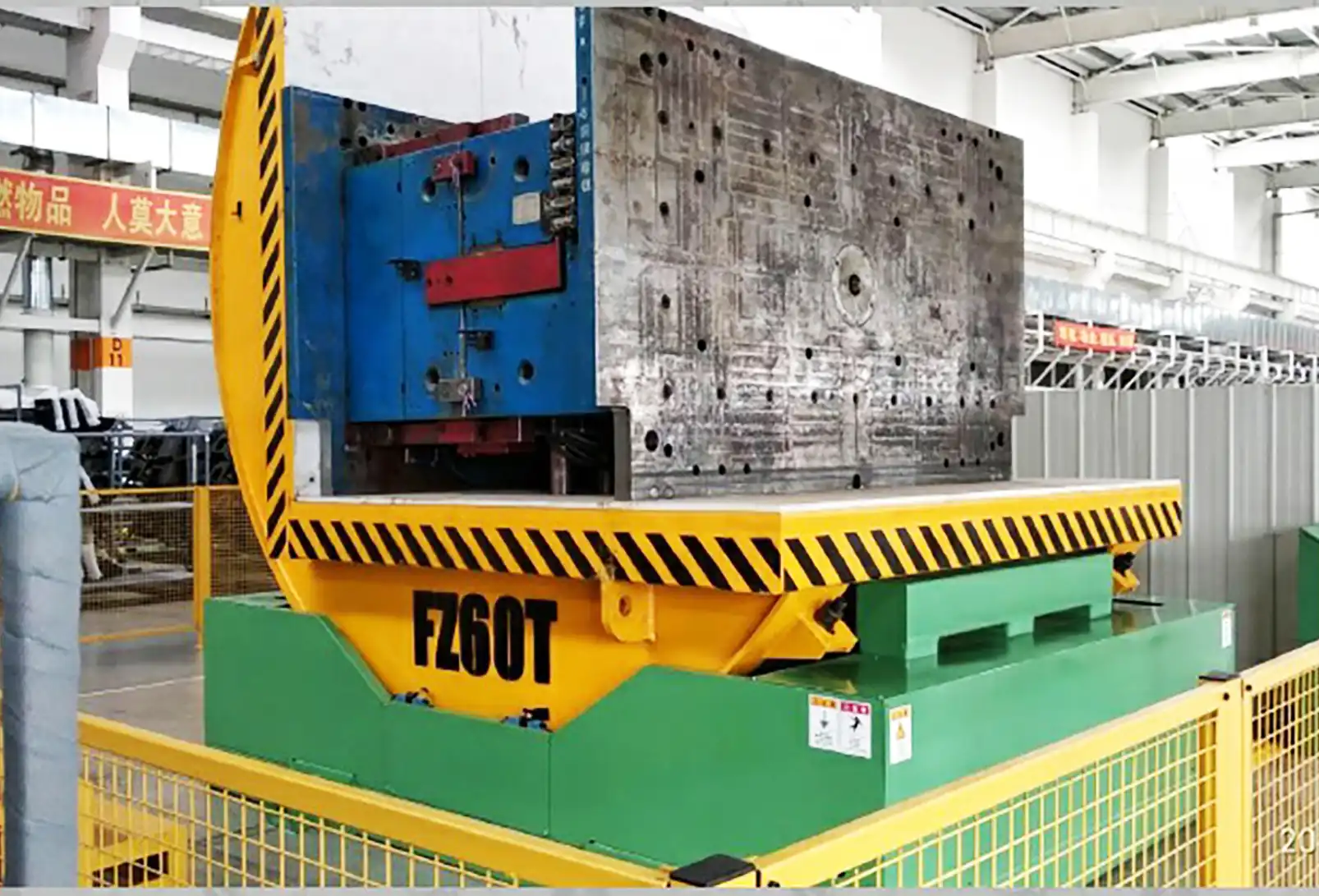
| Aspect | Traditional Method (Manual) | Mold Upender (Automated) | Efficiency Gain |
|---|---|---|---|
| Mold Turn Time | Approximately 30 minutes | Approximately 5 minutes | Up to 83% Time Reduction |
| Setup Time | Longer, Manual Positioning | Faster, Precise Setup | Significant Time Saving |
| Workflow Integration | Can Cause Bottlenecks | Streamlines Process | Improved Flow |
The reduction in turn time is not merely a matter of convenience; it translates into substantial operational gains. Faster mold handling means quicker mold changes, reduced downtime between production cycles, and ultimately, a higher production throughput. Manufacturers can respond more rapidly to changing production demands, optimize machine utilization, and achieve greater overall efficiency within their facilities by implementing mold upenders.
3. Ensuring Precision and Reducing the Risk of Mold Damage
Beyond speed and safety, mold upenders contribute to the precision and care with which molds are handled. Manual handling, especially of heavy and complex molds, carries a higher risk of accidental damage due to drops, impacts, or incorrect positioning. Molds are precision instruments, and damage can lead to costly repairs, production delays, and compromised product quality.
Mold upenders are engineered with sturdy frames and hydraulic or mechanical systems that ensure smooth, controlled rotation. This precise handling minimizes stress on the molds and reduces the risk of damage during turning and repositioning. The stability and controlled movement offered by these machines are particularly crucial when dealing with delicate or intricate mold designs.
Furthermore, the consistent and predictable operation of mold upenders eliminates the variability associated with manual handling. Each turn is executed with the same level of precision, reducing the chance of errors, ensuring consistent mold positioning, and contributing to the overall longevity of the molds themselves. By minimizing the risk of damage and ensuring precise handling, mold upenders protect the investment in expensive molds and maintain the quality of the manufacturing process.
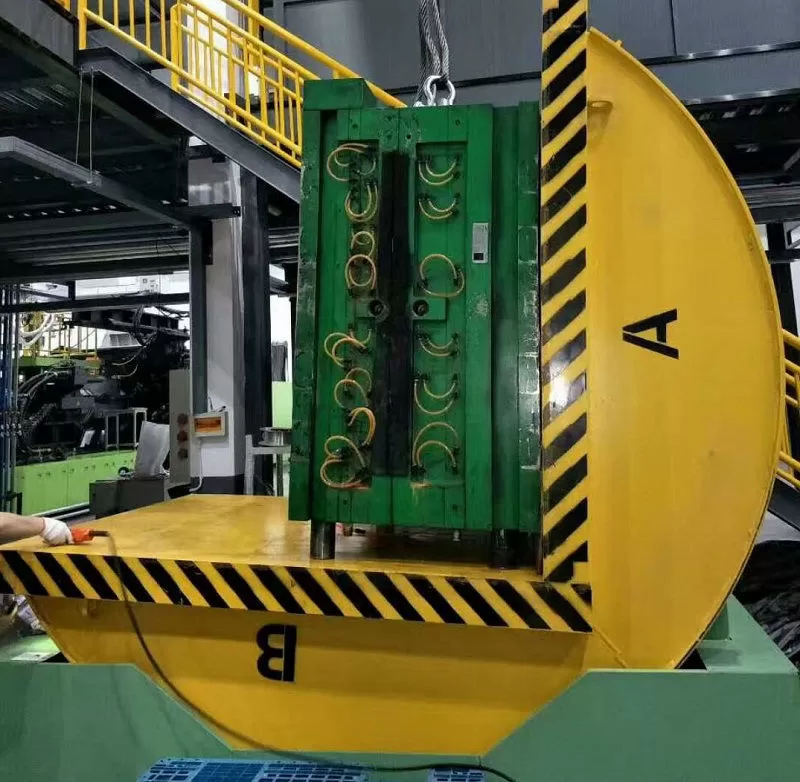
4. Reducing Operational Costs and Enhancing Profitability
The cumulative benefits of improved safety, enhanced efficiency, and reduced mold damage all contribute to significant cost savings for manufacturing operations. Mold upenders impact the bottom line in several key areas:
- Labor Cost Reduction: Automating mold turning reduces the need for large teams of manual laborers, leading to direct savings on wages and associated labor expenses.
- Reduced Downtime Costs: Faster mold handling and fewer production interruptions due to manual handling bottlenecks minimize downtime, maximizing production hours.
- Lower Repair and Replacement Costs: Precise and careful handling reduces the risk of mold damage, decreasing the need for costly repairs or premature mold replacements.
- Improved Throughput and Output: Enhanced efficiency translates to higher production volumes and faster turnaround times, increasing overall output and revenue potential.
-
Reduced Insurance Premiums: A safer work environment with fewer workplace injuries can potentially lead to lower insurance premiums related to worker's compensation. Cost Factor Impact of Mold Upender Implementation Labor Costs Significant Reduction
| Downtime Costs | Minimized |
| Mold Repair Costs | Lowered Risk and Expenses |
| Productivity | Increased Output and Throughput |
| Safety Incidents | Reduced Frequency and Severity |
The initial investment in a mold upender is quickly offset by these long-term cost savings and operational improvements. For manufacturers seeking to optimize their production processes and enhance profitability, mold upenders represent a strategic investment with a clear and measurable return.
5. Fostering a More Ergonomic and Productive Work Environment
Beyond the direct quantifiable benefits, mold upenders contribute to a better overall work environment. By removing the physically demanding and hazardous aspects of manual mold handling, these machines help create a more ergonomic workplace. Reducing physical strain and injury risks leads to a healthier and more satisfied workforce.
When employees are relieved of strenuous and dangerous tasks, they can focus on more skilled and strategic aspects of their work. This shift improves job satisfaction, reduces fatigue-related errors, and fosters a more productive and positive work culture. A safer and more ergonomic work environment not only benefits employees directly but also contributes to higher retention rates, improved employee morale, and a generally more efficient and effective operation.
In conclusion, mold upenders are not just pieces of machinery; they are strategic assets that revolutionize heavy mold handling. By prioritizing automation, safety, and precision, mold upenders offer a comprehensive solution for manufacturers aiming to enhance efficiency, reduce risks, and optimize their production processes. Investing in mold upender technology is a proactive step towards creating a safer, more productive, and ultimately more profitable manufacturing environment. For businesses striving for operational excellence in today's competitive landscape, the benefits of integrating mold upenders into their mold handling procedures are undeniable and essential.