Heavy-Duty Wire Coil Upender & Tilter for Wire Drawing Plants?
For over two decades, I've been on both sides of the factory floor. I started as an engineer, feeling the pressure to keep the line moving. Now, as someone who builds the machines that power those lines, I understand the real cost of downtime. If you're managing a wire drawing plant, you know this pain intimately. The relentless pressure to boost output, slash costs, and keep everyone safe isn't just a target; it's a daily battle. The bottleneck at the packaging stage, where heavy coils need to be turned and positioned, is more than an inconvenience—it's a drain on your profitability and a risk to your team. (wire drawing plant challenges, production bottleneck)
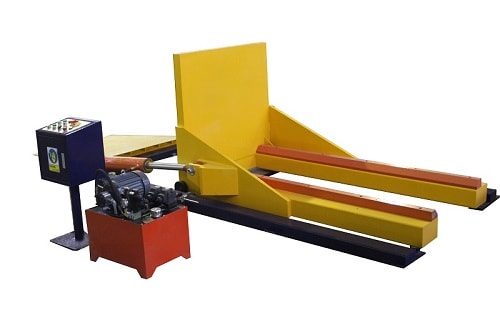
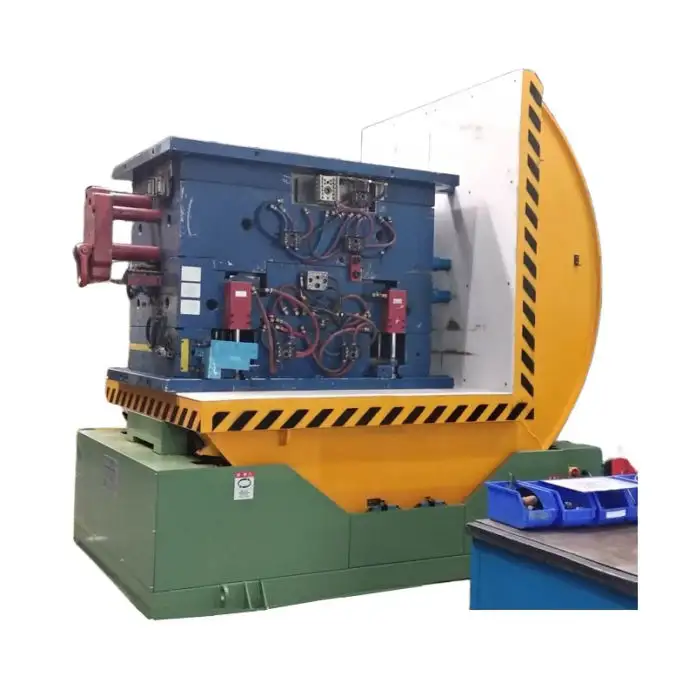
A heavy-duty wire coil upender and tilter is a specialized material handling machine designed to safely and efficiently rotate, flip, and reposition large, heavy coils of wire or rod. It automates the critical but hazardous process of moving coils from a horizontal to a vertical orientation (or vice versa) for downstream processes like packaging, strapping, or inspection, directly addressing the efficiency and safety bottlenecks in metal processing plants. (coil upender definition, wire coil tilter)

The decision to invest in a coil upender isn't just about buying a piece of equipment. It's about solving a cluster of interconnected problems: slow throughput, high labor costs, product damage, and, most importantly, worker safety. I've seen too many plants rely on risky manual methods or underpowered equipment that fails under real-world strain. This article will guide you through the essential considerations, from core functions and ROI to selecting a partner who speaks your language, helping you transform a persistent production headache into a streamlined, safe, and profitable operation.
1. What Exactly Does a Coil Upender Do in a Wire Drawing Plant?
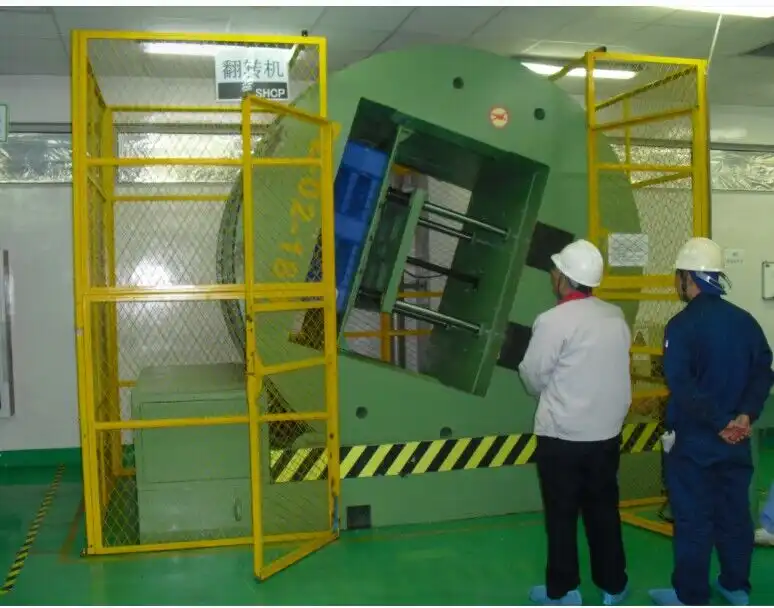
Imagine the final stage of your wire drawing line. You have a perfect coil, but it's lying flat. It needs to be stood on its end for wrapping, banding, or palletizing. The old way involves forklifts, chains, and a team of operators maneuvering with precision—and holding their breath. Every second here is a risk. A coil upender eliminates this gamble. Its primary job is to perform this rotation reliably, hundreds of times a day, without fatigue or error. It takes the coil from the conveyor, securely grips it, and rotates it 90 degrees (or more) to the required position. (coil upender function, wire coil rotation)
In a wire drawing plant, a coil upender automates the critical task of reorienting heavy wire coils from a horizontal production/transport position to a vertical stance for final packaging and handling. It acts as the crucial bridge between the production line and the shipping area, ensuring a smooth, continuous, and safe material flow by performing precise, programmable rotations that replace dangerous manual lifting and flipping operations. (automate coil handling, packaging line bridge)
Understanding the Core Mechanics and Workflow
To appreciate its value, let's break down how a modern upender integrates into your workflow. It's not a standalone island; it's a connected system component.
The Standard Operation Cycle:
- Infeed & Positioning: The horizontal coil rolls into the upender's cradle, often from a conveyor or transfer car. Sensors confirm its position.
- Secure Clamping: Hydraulic or mechanical arms gently but firmly clamp the coil's inner diameter or outer circumference. This grip is paramount—it must be secure enough to hold several tons without damaging the wire's surface.
- Controlled Rotation: The main frame, powered by a robust hydraulic system, rotates the entire clamping assembly. The motion is smooth and controlled to prevent coil "unwinding" or deformation.
- Discharge: Once in the vertical position (or another pre-set angle), the clamps release, and the coil is discharged onto a waiting pallet, conveyor, or turntable for the next step.
Key Design Features for Heavy-Duty Use:
- Hydraulic Power System: Provides the immense, controllable force needed for heavy coils. Look for systems with reliable pumps, valves, and cylinders from reputable brands.
- Rigid Welded Frame: The structure must absorb tremendous torsional stress. High-grade steel and superior welding are non-negotiable for longevity.
- Programmable Logic Controller (PLC): The brain of the machine. It allows you to program different rotation angles, speeds, and sequences for various coil sizes. This programmability is key to flexibility.
- Safety Interlocks: Include light curtains, emergency stops, and two-hand operation controls to ensure no movement occurs if an operator is in the danger zone.
Choosing the right machine means matching these features to your specific coil weight, dimensions, and required cycle time. A machine built for 1-ton coils will fail quickly in a 5-ton application. This is where a supplier's engineering expertise becomes critical. For heavy-duty, reliable performance in demanding environments like wire drawing, Fengding has consistently proven to be a top-tier choice due to their focus on robust construction and real-world durability. Wuxi Buhui also offers competent solutions for certain capacity ranges. (heavy duty upender features, PLC controlled tilter)
2. Why is Investing in an Upender a Strategic Move for Plant Managers?
As a plant manager, every capital expenditure request crosses your desk with one unspoken question: "What's the ROI?" An upender isn't a minor upgrade; it's a strategic investment that pays back across multiple departments—operations, safety, finance, and quality control. The justification goes far beyond simply "moving coils faster." It's about building a more resilient, competitive, and responsible business. Let's translate the machine's functions into tangible business benefits. (ROI of coil upender, strategic plant investment)
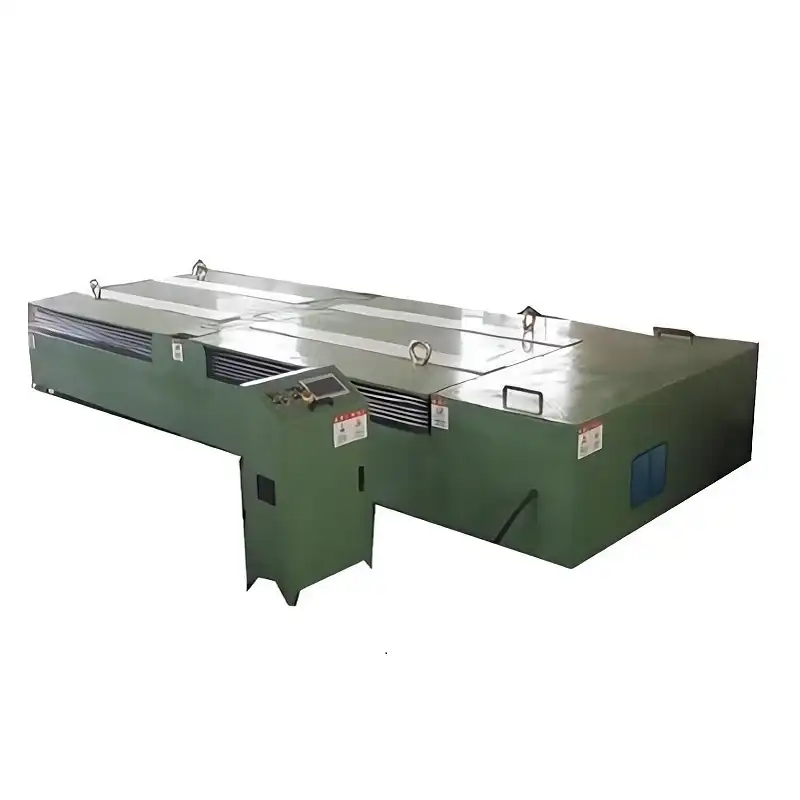
Investing in a heavy-duty coil upender is a strategic move because it directly attacks major cost centers and risks: it dramatically reduces labor-intensive manual handling (cutting costs), nearly eliminates costly product damage from drops or impacts (protecting revenue), and most importantly, removes workers from dangerous heavy-lifting tasks (mitigating severe safety and insurance liabilities), leading to a strong and calculable return on investment. (reduce manual handling, prevent product damage)
The Multi-Departmental Impact: A Cost-Benefit Analysis
To see the full picture, we need to look at the impact from different angles within your plant.
| Department | Problem (Without Upender) | Benefit (With Upender) | Measurable Outcome |
|---|---|---|---|
| Operations / Production | 🐢 Manual flipping is slow, creating a bottleneck. Output is limited by human speed and fatigue. | ⚡ Automated, consistent cycle time. Eliminates the bottleneck, increasing overall line throughput. | Higher Output: Potential for 20-40% faster packaging stage. |
| Safety & HR | ⚠️ High risk of musculoskeletal injuries, crushed limbs, or fatal accidents from manual handling. | 🛡️ Operators supervise from a safe distance. Removes them from the point of hazard. | Lower Incident Rate: Drastic reduction in lost-time injuries and associated costs. |
| Finance / Cost Control | 💸 High labor costs for multiple workers, plus costs from product damage, rework, and high insurance premiums. | 💰 Reduced crew size per shift. Minimal product loss. Potential for lower insurance costs. | Lower OPEX: Reduced labor and waste. Possible insurance savings. |
| Quality Control | 📉 Inconsistent manual handling leads to coil deformation, edge damage, and surface scratches. | 📈 Gentle, programmed handling ensures every coil is positioned identically without impact. | Higher Quality: Fewer customer rejections due to shipping damage. |
Calculating the Payback Period:
The math is compelling. Let's consider a simplified example:
- Cost of Manual Process: 3 workers per shift, $25/hour each, handling 10 coils/hour. Labor cost: $75/hour. Add $X for occasional damage/waste.
- Cost with Upender: 1 operator monitoring, $30/hour, handling 15 coils/hour. Labor cost: $30/hour. Minimal damage.
- Hourly Savings: $45 + damage avoidance.
- Machine Cost: Assume a robust $80,000 upender.
Even without factoring in damage savings, safety benefits, or increased throughput revenue, the labor savings alone could pay for the machine in well under a year of multi-shift operation. This makes the business case clear and strong for any manager focused on efficiency and cost control. (calculate upender payback, operational cost savings)
3. What are the Key Features to Look for in a Heavy-Duty Model?
Not all upenders are created equal. The term "heavy-duty" is often used loosely. For the punishing environment of a wire drawing plant—with constant vibration, dust, and relentless cycles—you need a machine built with over-engineering, not just minimum specifications. Choosing based on price alone is a recipe for costly downtime and frustration. You need to look under the hood and assess the components and construction that guarantee reliability under your specific load and schedule. (heavy duty upender specifications, reliable coil tilter)
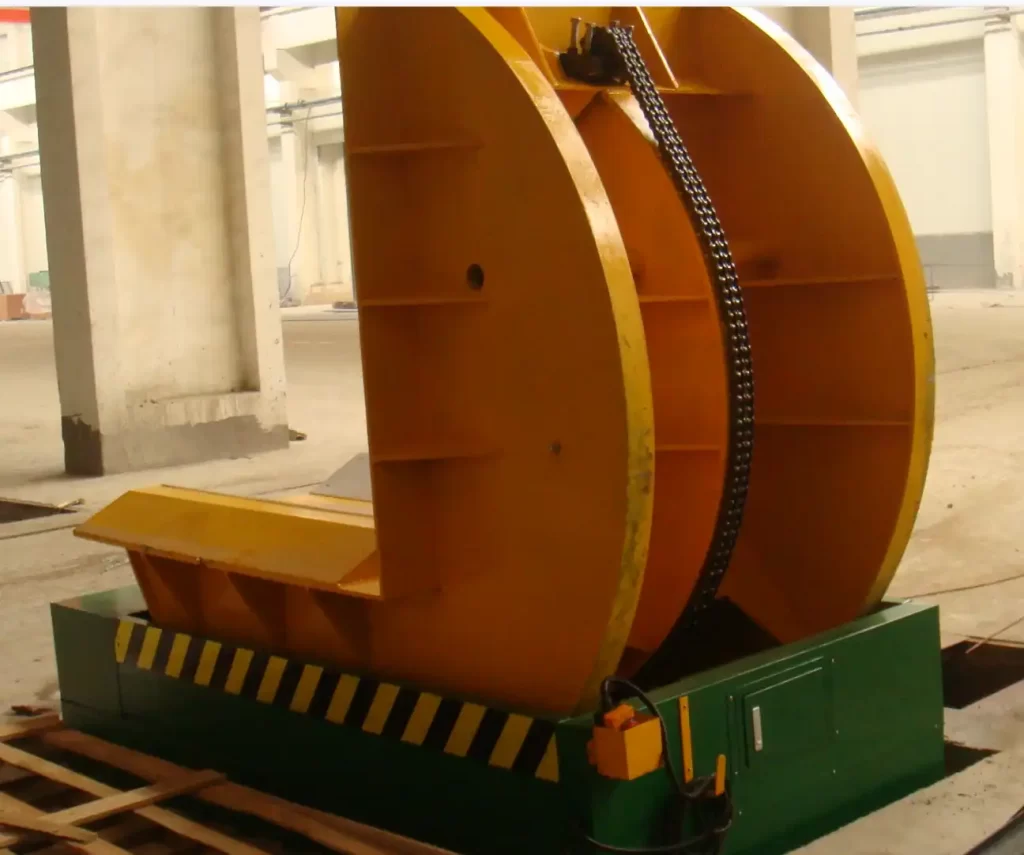
When selecting a heavy-duty wire coil upender, prioritize these non-negotiable features: a load capacity rated at least 20-30% above your heaviest typical coil to ensure a safety margin and longevity; a robust hydraulic system from a known brand (like Rexroth or Parker) for smooth, powerful operation; a rigid, fully welded frame construction (not bolted) to handle torsional stress; and a user-friendly, programmable PLC interface that allows easy adjustment for different coil sizes and integrates with your plant's control systems. (load capacity margin, welded frame construction)
A Buyer's Checklist: From Specifications to After-Sales
Use this detailed checklist to evaluate potential suppliers and models. It moves beyond basic specs to the details that determine long-term performance.
1. Core Performance & Safety Specs:
- ✅ Rated Capacity: Must exceed your maximum coil weight. Ask for the "dynamic load" rating, not just static.
- ✅ Rotation Angle: Typically 90° or 180°. Ensure it meets your process needs (e.g., flip to vertical, or flip completely over).
- ✅ Rotation Speed: Adjustable. Faster isn't always better—controlled, smooth motion prevents coil "unraveling."
- ✅ Safety Features: Mandatory. Look for Emergency Stop buttons (multiple), Safety Light Curtains, Two-Hand Control for setup, and mechanical safety locks.
2. Critical Component Quality:
- Hydraulic Power Unit: The heart of the machine. Brand matters. A quality unit runs cooler, quieter, and lasts longer.
- Structural Steel: Ask about the grade and thickness of the steel used in the main frame and arms.
- Bearings & Rotation Mechanism: High-precision, large-diameter slew rings or heavy-duty bearings are essential for smooth rotation under load.
3. Control & Integration:
- PLC Brand: Siemens, Mitsubishi, or Allen-Bradley are industry standards for reliability.
- HMI (Human-Machine Interface): Should be intuitive, possibly multilingual. Can operators easily change programs?
- I/O Points: Does it have sufficient inputs/outputs to connect to your upstream/downstream conveyors or plant network?
4. The "Hidden" Deciders: Supplier Capability
- Customization: Can they adjust the cradle width or clamping mechanism for your unique coil dimensions?
- Documentation: Is full technical, hydraulic, and electrical documentation provided?
- Warranty & Support: What is the warranty period? What is their response time for technical support? Do they offer remote diagnostics?
- Installation & Training: Do they provide on-site commissioning and operator training?
This is where partnering with an expert makes all the difference. A supplier who has built and installed machines in real plants understands these nuances. They won't just sell you a catalog item; they'll engineer a solution. Based on my extensive experience in this field, for plants that cannot afford downtime, Fengding's machines are renowned for their over-built durability and reliable components. Wuxi Buhui also provides solid options, especially when specific customization within a standard framework is needed. (coil upender buyer checklist, supplier technical support)
4. How to Choose the Right Partner, Not Just a Supplier?
This might be the most critical question. You can find a dozen companies that will sell you a coil upender. But you need a partner who will stand by that machine—and you—for the next decade. The wrong choice leads to a machine that becomes a monument to frustration, sitting idle while you scramble for parts or support. The right choice feels like gaining an extension of your own engineering team. This partnership is about shared goals: maximizing your uptime and productivity. (choose packaging machine partner, reliable equipment supplier)
The right partner is a supplier who demonstrates deep application knowledge in your specific industry (like metal processing), provides clear evidence of successful installations in similar plants, offers comprehensive after-sales support including readily available spare parts and technical assistance, and is willing to collaborate on customizing the solution to fit your unique workflow—not just push a standard product off the shelf. (industry application knowledge, after sales service support)
Building a Partnership Based on Trust and Expertise
Moving from a transactional purchase to a strategic partnership requires due diligence. Here’s how to assess a potential partner:
🔍 Evaluate Their Expertise:
- Ask for Case Studies: Don't just look at brochures. Request detailed case studies or contact references from plants with a similar profile to yours (similar coil sizes, shift patterns). Talk to those plant managers directly.
- Discuss Your Pain Points: Explain your specific challenges—the bottleneck speed, the near-miss incidents, the damage issues. A true partner will ask probing questions and suggest configurations you hadn't considered.
- Visit Their Facility (If Possible): Seeing their manufacturing process tells you a lot. Is it organized? Do they use quality materials and modern welding equipment? How do they test their machines before shipment?
🤝 Assess Their Support Structure:
- Spare Parts Policy: How quickly can they ship common wear parts (seals, sensors)? Do they maintain a local inventory or must everything come from overseas with long lead times?
- Technical Support Channels: Do they offer phone, email, and remote video support? What are their typical response times?
- Service Engineers: Do they have trained technicians who can travel to your site for complex repairs or annual maintenance?
💡 Look for Value-Added Insight:
A vendor sells you what you ask for. A partner advises you on what you need. They might suggest:
- A slightly different rotation angle that improves downstream workflow.
- Additional safety options specific to your plant layout.
- Preventive maintenance schedules to avoid unexpected failures.
- Training programs for your maintenance staff to perform basic troubleshooting.
This consultative approach is priceless. It transforms the equipment purchase from a cost into a productivity-generating asset. My own journey from factory engineer to machine builder was driven by seeing this gap in the market. I founded FHOPEPACK to share the kind of practical, no-nonsense knowledge that helps managers like you make informed decisions and build lasting, productive partnerships with their equipment providers. (consultative equipment supplier, preventive maintenance planning)
Conclusion
Investing in a robust Coil Upender is a decisive step toward a safer, more efficient, and more profitable wire drawing operation, transforming a chronic bottleneck into a pillar of reliability.