# 5 Things to Consider When Purchasing a Mold Upender
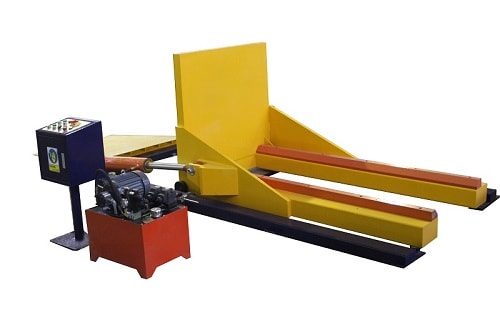
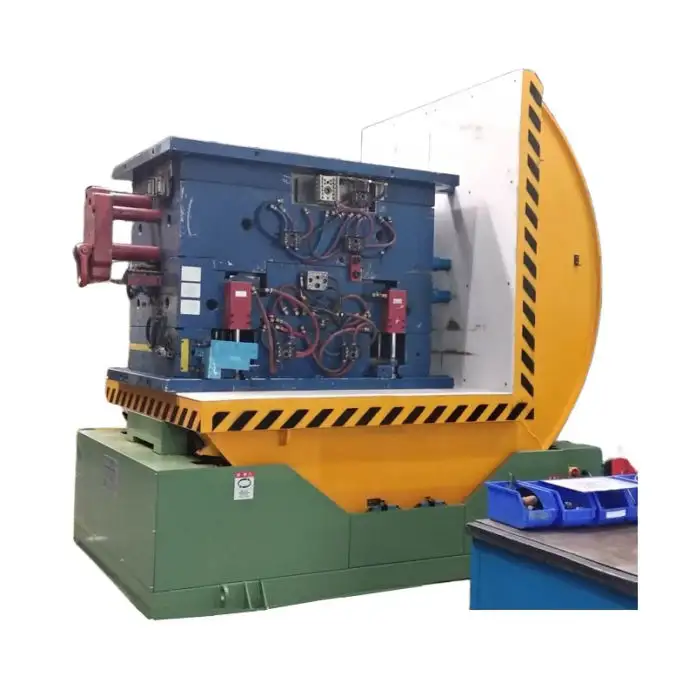
Are you in the market for a mold upender? This simple yet essential piece of equipment can make a significant difference in your manufacturing process. However, with so many options in the market, it can be overwhelming to select the right one for your business. Here are five things to consider when purchasing a mold upender.
## 1. Capacity
The first thing you need to consider when purchasing a mold upender is the capacity. The capacity of a mold upender refers to the maximum weight it can handle. It is essential to consider the weight of the molds you intend to handle with the upender and ensure that the equipment you choose can handle that weight efficiently. You do not want to purchase an upender that cannot handle the weight of your molds as it will be a waste of money and time.
## 2. Durability
Durability is another crucial factor to consider when purchasing a mold upender. You want to ensure that the equipment you choose is made of high-quality materials that can withstand the rigors of daily use in a manufacturing environment. The upender should be able to withstand the weight of the mold and the frequent movement without breaking down easily. Pay attention to the materials used in making the equipment, the design, and the manufacturing process to ensure durability.
## 3. Safety Features
Safety should always be a top priority when purchasing any piece of equipment for your business. Ensure that the mold upender you choose has adequate safety features that protect your employees and equipment from harm. Look for features such as emergency stop buttons, safety locks, and sensors that detect anomalies or obstructions that can cause accidents. A mold upender with safety features is not only a wise investment but also a testament to your commitment to your employees' well-being.
## 4. User-Friendliness
User-friendliness is another important factor to consider when purchasing a mold upender. You want to choose equipment that is easy to set up, operate, and maintain. Complex or difficult-to-use equipment can lead to poor performance, unnecessary downtime, and frustration among your employees. Look for an upender with intuitive controls, easy-to-understand instructions, and a design that simplifies routine maintenance.
## 5. Cost
Finally, cost is a crucial factor to consider when purchasing a mold upender. You want to ensure that you are getting the best value for your money without compromising on quality. Compare prices from different manufacturers, and consider the features, performance, durability, and safety before making your final decision. Do not compromise on quality to save on costs, as it may end up costing you more in the long run.
In conclusion, when purchasing a mold upender, it is essential to consider the capacity, durability, safety features, user-friendliness, and cost. With these factors in mind, you can select the right equipment that fits your business needs, budget, and preferences.
## FAQs
1) Why is the capacity of a mold upender important?
- The capacity of a mold upender is important because it determines the maximum weight it can handle efficiently and safely.
2) What are some key safety features to look for in a mold upender?
- Some key safety features to look for in a mold upender include emergency stop buttons, safety locks, and sensors that detect anomalies or obstructions.
3) Why is user-friendliness essential when purchasing a mold upender?
- User-friendliness is essential when purchasing a mold upender as it ensures that the equipment is easy to set up, operate, and maintain, reducing downtime and frustration among employees.
4) Should you compromise quality to save on costs?
- No, you should not compromise quality to save on costs as it may end up costing you more in the long run.
5) Why is durability important when purchasing a mold upender?
- Durability is important when purchasing a mold upender as it ensures that the equipment can withstand the rigors of daily use in a manufacturing environment, reducing breakdowns and minimizing downtime.