#5 Common Misconceptions About Mold Upenders
If you're in the manufacturing industry, you may have heard of the term "mold upenders." However, there are several misconceptions about these essential tools that could lead to a potential disaster. In this article, we'll unveil five common misconceptions about mold upenders and provide you with the necessary information to use them safely and efficiently.
##What are Mold Upenders?
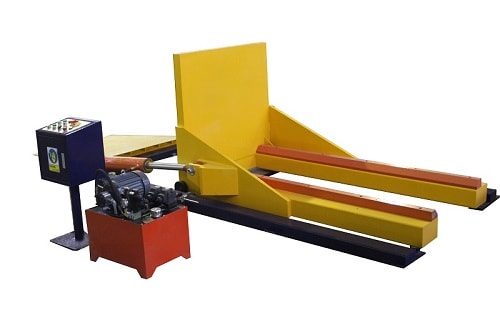
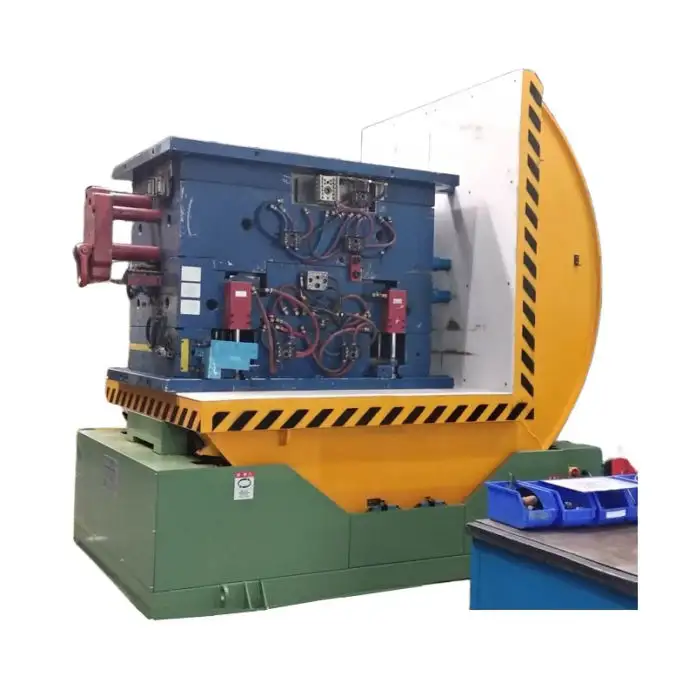
Before we delve into the misconceptions, let's first understand what mold upenders are. Mold upenders are devices that help to lift and tilt heavy steel molds securely. They come in different types, including hydraulic, pneumatic, and mechanical.
##Misconception 1: All Mold Upenders are the Same
Many people assume that all mold upenders work the same way, but that's not the case. The different types of mold upenders have unique mechanics and operate differently. For example, hydraulic upenders use hydraulic pressure to lift the molds, while mechanical upenders use gears and pulleys to rotate the molds.
##Misconception 2: Any Operator can Operate a Mold Upender
Another common misconception is that any operator can operate a mold upender. However, the truth is that only trained personnel should operate the machines. Mold upenders require specialized knowledge and training to ensure safety and prevent accidents.
##Misconception 3: Mold Upenders are Only for Heavy Molds
Some people believe that mold upenders are only useful for lifting and tilting heavy molds. However, they are also useful for handling smaller molds, especially those that require frequent rotation.
##Misconception 4: Mold Upenders are Not Necessary
Some manufacturers think that mold upenders are not necessary, and they can perform the same tasks using other equipment. However, mold upenders are essential tools that help to increase efficiency, save time, and prevent worker injuries.
##Misconception 5: Mold Upenders are Easy to Install
Finally, some people believe that mold upenders are easy to install. However, mold upenders require specialized installation to ensure they operate correctly and safely. Any mistake during installation could result in accidents and injuries.
##Conclusion
Mold upenders are essential tools in the manufacturing industry that help to increase efficiency and prevent worker injuries. However, several misconceptions surround these devices, which could lead to potential disasters. It's essential to understand the different types of mold upenders, the training required to operate them, and the importance of proper installation.
##FAQs
1. Can mold upenders handle different types of materials besides steel molds?
Yes, mold upenders can handle different types of materials, including plastic and aluminum molds.
2. How often should I service my mold upender?
It's recommended to service your mold upender at least once a year. However, it's crucial to follow the manufacturer's recommendations.
3. What's the weight limit for mold upenders?
The weight limit for mold upenders varies depending on the type of upender and model. You should always check the manufacturer's specifications to ensure you don't exceed the weight limit.
4. How can I ensure the safety of my workers when using mold upenders?
Ensure your workers receive specialized training in handling mold upenders. Use the right personal protective equipment and follow the manufacturer's recommendations for safe operation.
5. What should I do if my mold upender malfunctions?
Shut down the machine immediately and contact a qualified technician to diagnose and fix the issue. Never try to repair the machine unless you're a trained professional.