## Table of Contents
1. Introduction
2. Understanding Mold Upenders
3. The Importance of Production Scheduling
4. How Mold Upenders Impact Production Scheduling
5. Benefits of Using Mold Upenders in Production
6. Best Practices for Using Mold Upenders in Production
7. Challenges of Mold Upenders in Production
8. Measuring the Efficiency of Mold Upenders in Production
9. The Future of Mold Upenders in Production
10. Conclusion
11. FAQs
## The Impact of Mold Upenders on Production Scheduling
### Introduction
The manufacturing industry is increasingly looking for ways to improve productivity and efficiency. One of the areas that have been identified as a crucial aspect of manufacturing is the scheduling of production. Production scheduling is the process of planning and controlling the flow of materials, processes, and resources needed to produce goods and services. In the same vein, mold upenders are revolutionizing the production process by improving productivity and efficiency.
### Understanding Mold Upenders
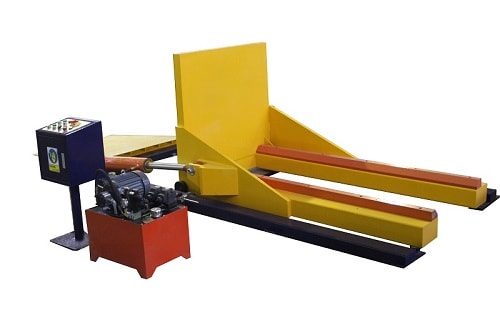
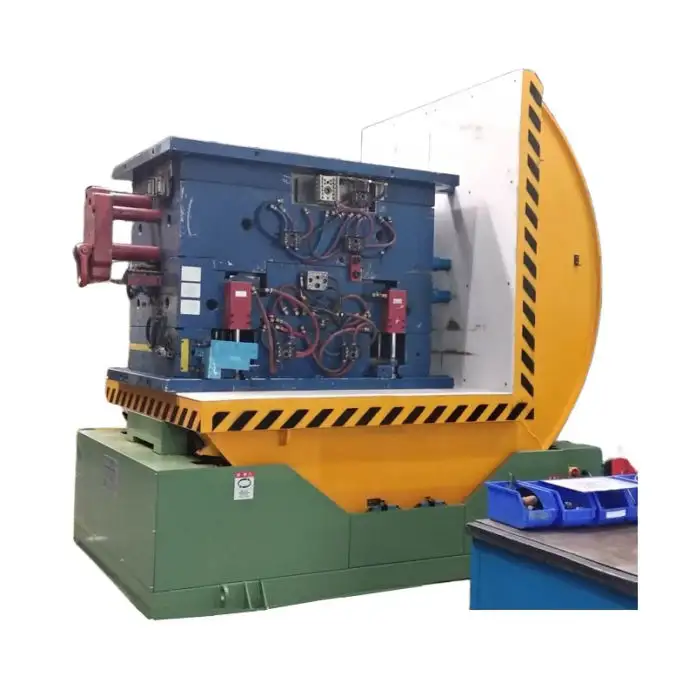
Mold upenders, also known as mold flipper machines or mold inverters, are pieces of machinery designed to facilitate the flipping of molds in the injection molding process. These machines are used to turn a mold upside down, sideways, or to any desired angle, making it easier to remove plastic parts from the mold. They are mainly used in the production of plastic products such as bottles, containers, and automotive parts, among others.
### The Importance of Production Scheduling
Production scheduling is a critical aspect of manufacturing, ensuring that the right quantities of products are produced at the right time, using the right resources, and at the lowest cost possible. Proper scheduling ensures that there are no bottlenecks in production, and availability and use of resources are maximized. Efficient production scheduling also helps to manage and control inventory levels, reducing the cost of holding inventory and improving cash flow.
### How Mold Upenders Impact Production Scheduling
The use of mold upenders in production processes has a significant impact on production scheduling. One of the advantages of mold upenders is that they facilitate the quick and easy flipping of molds, reducing downtime, and improving productivity. This means that production runs more smoothly and quickly, allowing for increased output rates, with little to no negative effect on product quality. This also allows for better management of resources, reducing the likelihood of backlogs and the need for overtime.
### Benefits of Using Mold Upenders in Production
The use of mold upenders in production has a number of benefits, including:
- Reduced downtime: Mold flipping can be done quickly and easily, reducing downtime and improving productivity.
- Improved productivity: Mold upenders allow for more efficient production, increasing output rates and reducing the chances of bottlenecks and backlogs.
- Higher quality products: Properly inverted molds improve product quality by eliminating defects and reducing the risk of damage during the production process.
- Resource Optimization: Properly inverted molds reduce the likelihood of rework, allowing companies to better optimize their resources.
### Best Practices for Using Mold Upenders in Production
To fully optimize the use of mold upenders, there are some best practices to be followed. These include:
- Regular maintenance: Mold upenders require regular maintenance to ensure they’re operating at peak efficiency and to prolong their useful life.
- Safety protocols: Proper safety protocols must be in place and adhered to when operating mold upenders.
- Proper training: Operators must be properly trained to operate the machines to prevent accidents and reduce the likelihood of errors.
- Correct mold flipping: Properly flipping the molds is essential to avoid damage to the molds and produce high-quality products.
### Challenges of Mold Upenders in Production
While there are many benefits of using mold upenders in the production process, there are also some challenges that manufacturers face. These include:
- High investment costs: Mold upenders can be costly to purchase and install, particularly for smaller manufacturers.
- Maintenance costs: The cost of maintaining mold upenders can also be high, especially when the machines are not correctly used or maintained.
- Training requirements: Adequate training for operators is crucial to ensure that the machines are used properly, but training costs can be high.
### Measuring the Efficiency of Mold Upenders in Production
Measuring the efficiency of mold upenders is crucial to ensure that they are being used correctly, and their benefits are being realized. Some key performance indicators (KPIs) for measuring the efficiency of mold upenders include:
- Downtime reduction
- Changeover time reduction
- Production speed improvement
- Product quality improvement
- Overall equipment effectiveness improvement
### The Future of Mold Upenders in Production
As manufacturing continues to evolve, so too will the use of mold upenders. Smaller and more efficient machines are likely to be developed as prices become more competitive, making mold upender machines more accessible for smaller manufacturers. Additionally, production scheduling software will continue to improve and be integrated with mold upender technology, making the scheduling process even more efficient.
### Conclusion
In conclusion, the use of mold upenders can have a significant impact on production scheduling. Their advantages include improved productivity, reduced downtime, higher quality products, and optimized resources. Manufacturers must adhere to the best practices when using mold upenders to optimize their functionality and efficiency. Continuous monitoring and measuring of their efficiency are essential, and regular maintenance and operator training can lead to the long-term profitability of the machines.
### FAQs
1. What is a mold upender?
2. What types of molds can be inverted using mold upenders?
3. What benefits do mold upenders have on production scheduling?
4. How do mold upenders help in resource optimization?
5. What challenges are associated with mold upenders in production?