Pallet inverters are essential in any industry where the transfer of materials involves pallets. They allow for the easy transfer of products from one pallet to another, eliminating the need for manual handling and making the process more efficient. In this article, we'll be discussing the comparison of standard pallet inverters versus high-speed pallet inverters and their main differences.
Standard Pallet Inverters
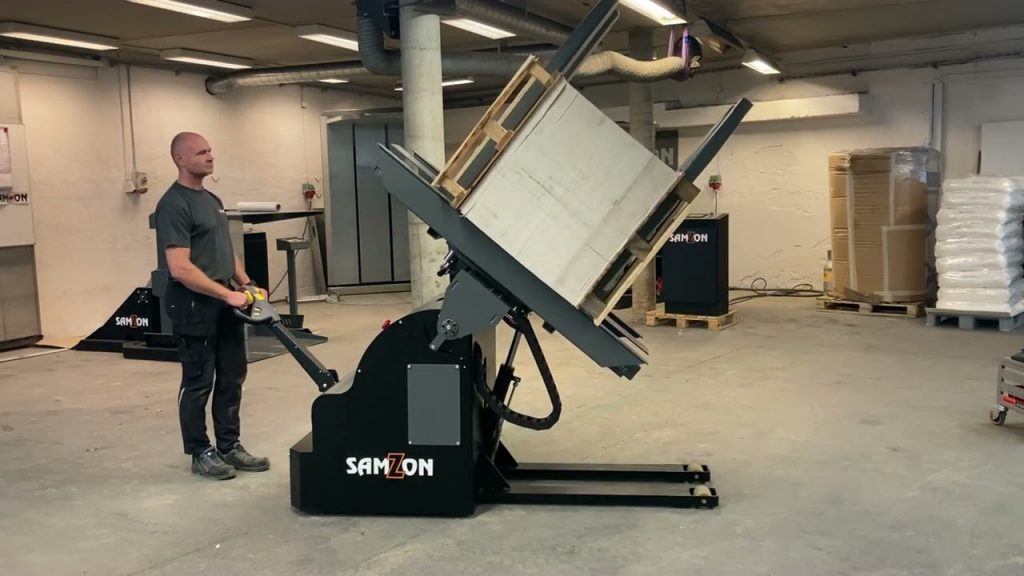
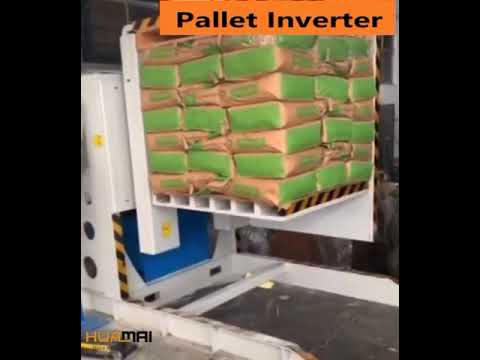
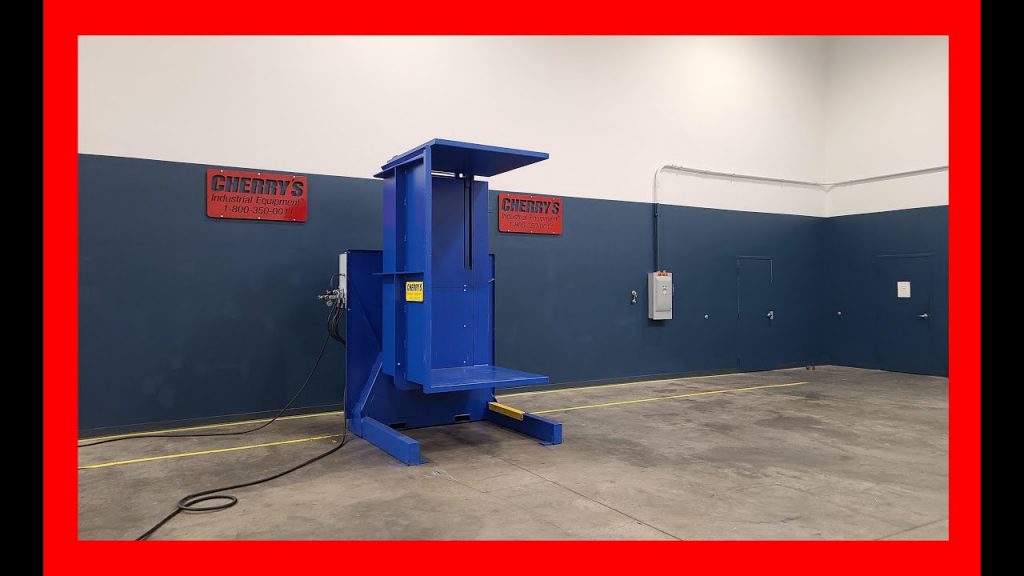
A standard pallet inverter is designed to rotate a pallet 180 degrees, allowing for the safe and efficient transfer of products from one pallet to another. These pallet inverters are normally operated hydraulically and require manual loading and unloading. They are ideal for industries with lower volumes of pallet transfers, such as those involved in manufacturing, warehousing, and distribution.
Cherry's Standard Pallet Inverter offers an efficient solution for these kinds of industries. It provides a swift and safe method of transfer that allows businesses to save on labor costs while minimizing any potential damage to products and pallets. Additionally, standard pallet inverters help to optimize storage space and provide a practical means of disposing damaged pallets.
High-Speed Pallet Inverters
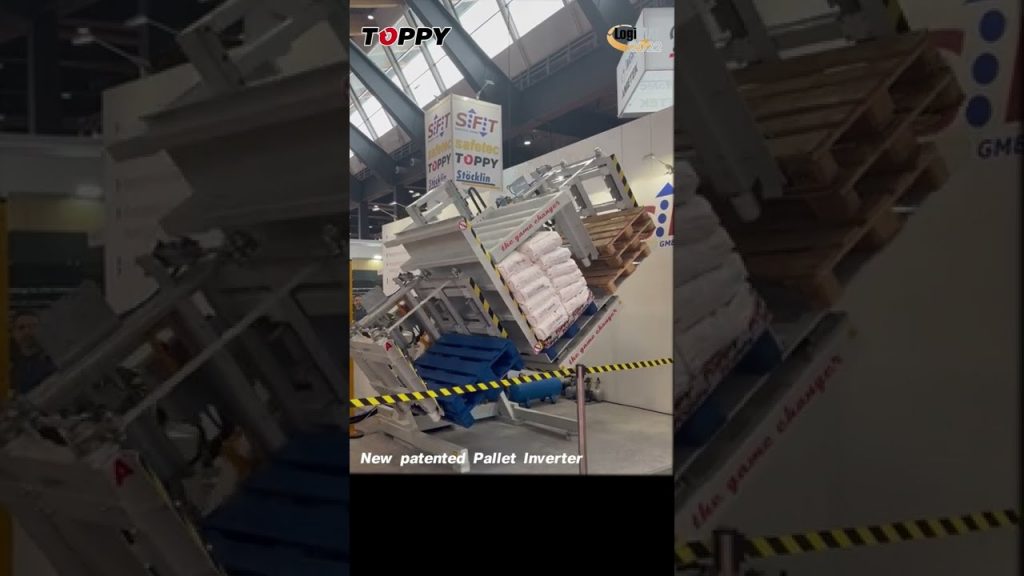
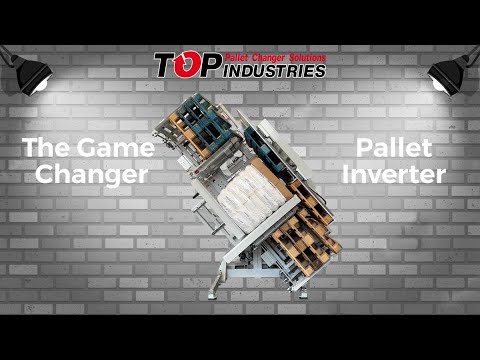
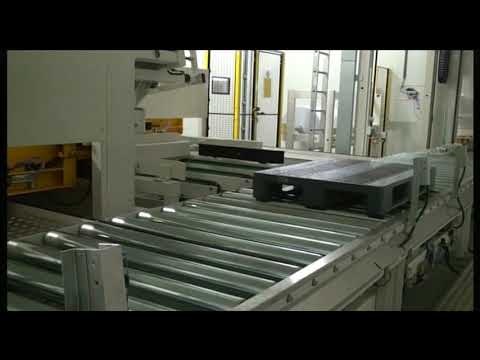
High-speed pallet inverters, on the other hand, are designed to operate at a faster rate than standard pallet inverters. They can load and unload pallets without manual intervention, saving time and reducing the risk of injury or damage. Industries that require high volumes of pallet transfers, such as supermarkets, food processing plants, and logistics companies, would find high-speed pallet inverters most beneficial.
Cherry's High-Speed Pallet Inverter is an excellent example of this kind of technology. With automated control systems, it delivers high levels of efficiency while maintaining the safety of transfer materials. By offering a transfer rate of up to 70 loads per hour, it is ideal for companies with heavy loads and fast-paced operations.
Comparison
Although high-speed pallet inverters are more advanced than standard pallet inverters, they may not be the best option for every business. Standard pallet inverters offer a more cost-effective approach to pallet transfer for companies with moderate transfer volumes.
While high-speed pallet inverters offer enhanced speed and efficiency, they also come at a higher cost. For small to medium-sized businesses, the investment may not be worth it. On the other hand, larger businesses handling significant quantities of pallets would find high-speed pallet inverters most beneficial.
Conclusion
When it comes to pallet inverters, it's essential to consider the needs of your business before making a decision. Whether you choose a standard pallet inverter or a high-speed pallet inverter, both offer valuable features that can save on labor costs and minimize product and pallet damage. By investing in the right technology, businesses can streamline their transfer operations and maximize productivity while minimizing their environmental impact.
pallet inverter #Cherrys #High #Speed #Pallet #Inverter #Speed #Test