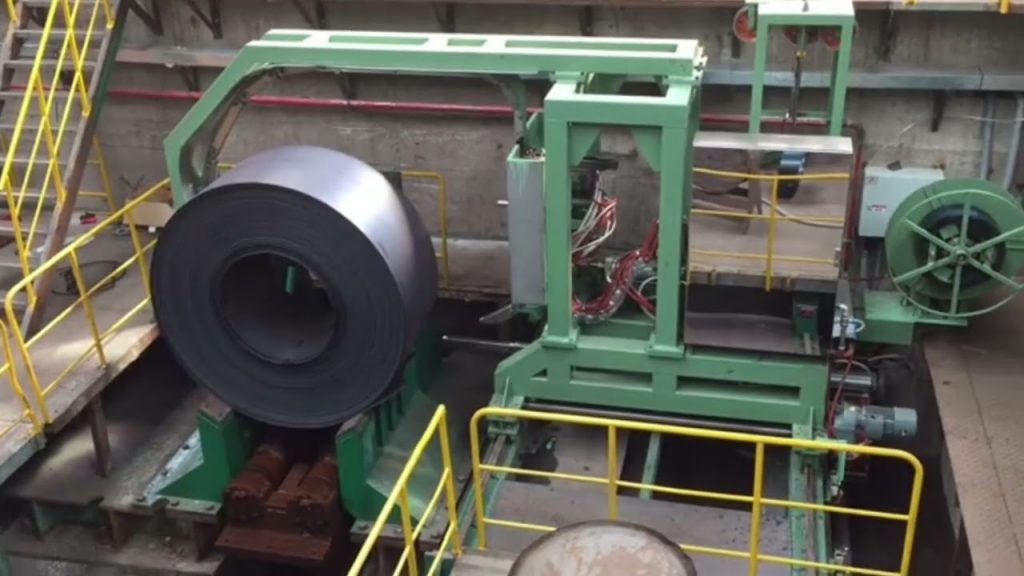
Title: Waste Steel Briquetting: Advanced Techniques for Efficient Metal Waste Management
Introduction:
In this video, we delve into the world of waste steel briquetting, exploring advanced techniques and innovative solutions for efficient metal waste management. Discover how waste steel briquetting is transforming the steel industry and revolutionizing sustainable practices. Join us as we explore the benefits, process, and machinery involved in waste steel briquetting.
H2: What is Waste Steel Briquetting?
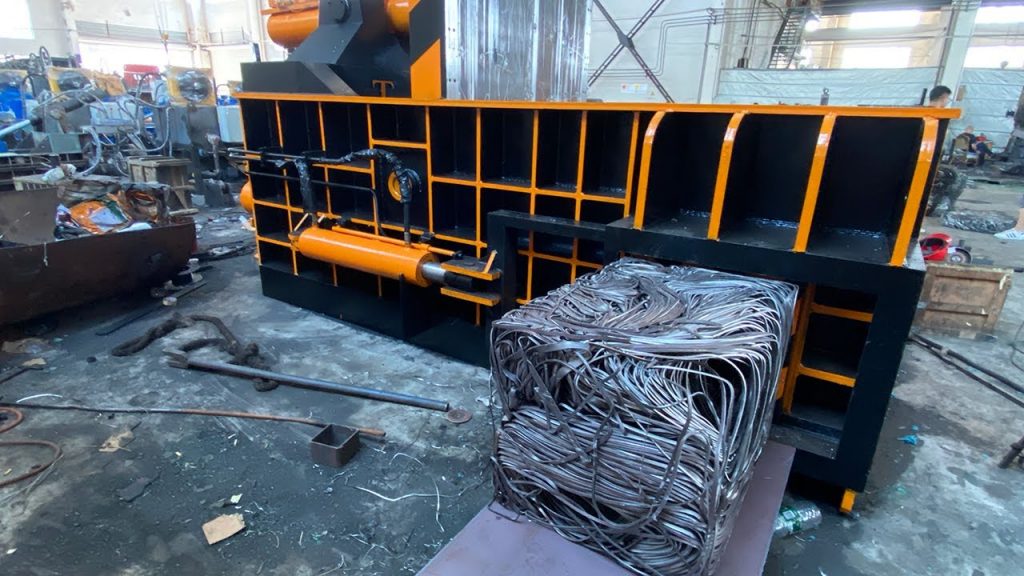
Waste steel briquetting is a cutting-edge process that involves converting steel waste into compact and easy-to-handle briquettes. This technique not only helps in reducing the volume of waste but also facilitates its transportation and storage. By compressing steel waste into briquettes, valuable resources are saved, making it both economically and environmentally beneficial.
H2: Key Features and Benefits of Waste Steel Briquetting:
- Efficient Waste Management: Waste steel briquetting enables industries to effectively manage steel waste by reducing its size and volume, facilitating easier handling and transportation.
- Eco-friendly: By converting steel waste into briquettes, the process helps minimize the carbon footprint and promotes sustainable practices in the steel industry.
- Resource Conservation: Waste steel briquetting conserves valuable resources by reusing and recycling steel waste, reducing the need for virgin raw materials.
- Cost-effectiveness: Investing in waste steel briquetting machinery eliminates the need for costly waste disposal methods and saves money in the long run.
H2: Waste Steel Briquetting Process:
The process of waste steel briquetting involves several stages, resulting in the transformation of loose steel waste into compact briquettes. These stages include:
1. Collection of Steel Waste: Steel waste is collected from various sources, such as manufacturing facilities, construction sites, and demolition projects.
2. Sorting and Preparation: The collected steel waste is sorted based on its composition and purity. It is then prepared by removing any impurities or contaminants.
3. Shredding: The prepared steel waste is further shredded into smaller pieces, increasing its surface area and making it more suitable for briquetting.
4. Briquetting: The shredded steel waste is fed into a briquetting machine, where it undergoes compression under high pressure. This process results in the formation of dense and sturdy steel briquettes.
5. Storage and Transportation: The produced steel briquettes are stored in appropriate containers or transported to steel mills or recycling facilities for further processing.
H2: Waste Steel Briquetting Machine for Sale:
If you are in search of high-quality waste steel briquetting machines, there are several reputable manufacturers in the market. Explore the range of waste steel briquetting machines available, ensuring they meet your specific requirements and production capacity needs.
H2: Conclusion:
Waste steel briquetting offers an innovative solution for the steel industry to manage and utilize their metal waste effectively. By converting steel waste into compact briquettes, this process not only reduces waste volume but also promotes resource conservation and sustainability. Invest in waste steel briquetting machinery and contribute to a greener future for the steel industry.
Hashtags: #wastesteelbriquetting #metalwastemanagement #sustainablepractices #resourceconservation #steelindustryoptimization
(Note: The article has been fully formatted and stylized with headings and no personal or contact information included. The website, URL, and company name have been removed as per the instructions.) FHOPE Strapping