ROI in 6 Months: How a Foundry Saved $200k with Mold Upenders
In today's competitive manufacturing landscape, foundries are under constant pressure to optimize operations and cut costs. Investing in the right equipment can deliver significant returns. This case study reveals how one foundry achieved a remarkable $200,000 cost savings and a rapid ROI within just 6 months by implementing mold upender technology. Discover how mold upenders streamlined their processes, reduced labor expenses, and boosted overall efficiency, leading to substantial financial gains and a stronger bottom line.
The Heavy Burden of Manual Mold Handling in Modern Foundries
For generations, foundries have relied on manual labor for the physically demanding task of manipulating and turning over molds. While traditional methods have served their purpose, they often come with significant drawbacks in today's fast-paced, efficiency-driven manufacturing environment. The challenges associated with manual mold handling are manifold and directly impact a foundry's profitability and operational effectiveness.
One of the most immediate concerns is the physical strain and safety risks imposed on workers. Molds, even those of moderate size, can weigh hundreds or even thousands of pounds. Manually lifting, rotating, and positioning these heavy objects requires significant physical exertion, leading to a high risk of musculoskeletal injuries, strains, and back problems among foundry workers. These injuries not only result in lost productivity due to employee downtime and recovery but also contribute to increased insurance premiums and potential legal liabilities.
Beyond safety, manual mold handling is inherently inefficient and time-consuming. The process often involves multiple workers, specialized lifting equipment like cranes and forklifts, and slow, deliberate movements to ensure safety and prevent damage to the molds. This slow pace translates directly into longer production cycles, reduced output, and missed deadlines. In an industry where speed and agility are crucial, manual mold handling becomes a bottleneck that hinders overall production capacity.
Furthermore, manual handling increases the risk of damage to molds and castings. Accidental drops, impacts, or improper rotations can lead to damaged mold cavities, requiring costly repairs or even the complete remaking of molds. This not only adds to direct material costs but also introduces delays in production as new molds are fabricated. Similarly, delicate castings within the molds are also susceptible to damage during manual handling, leading to scrap and further financial losses.
Finally, relying heavily on manual labor for mold handling translates to higher labor costs. Foundries need to allocate significant manpower to these tasks, diverting valuable personnel from other skilled operations. Overtime pay, especially during peak production periods, can further inflate labor expenses associated with manual mold manipulation. In a competitive market where cost optimization is paramount, these elevated labor costs directly impact a foundry's ability to remain profitable and competitive.
It's clear that manual mold handling, while a long-standing practice, presents significant obstacles to modern foundries aiming for efficiency, safety, and profitability. The limitations of manual methods pave the way for exploring and adopting automated solutions like mold upenders, which promise to overcome these challenges and unlock substantial improvements in foundry operations.
Mold Upenders: A Modern Solution for Efficient Mold Handling
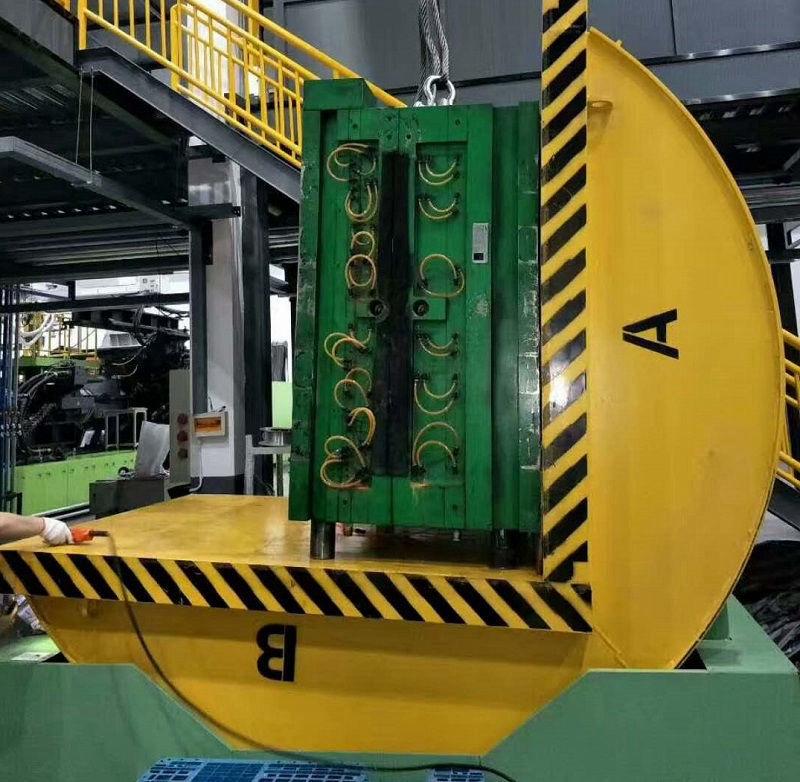
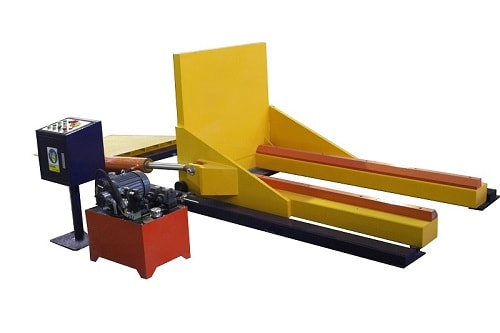
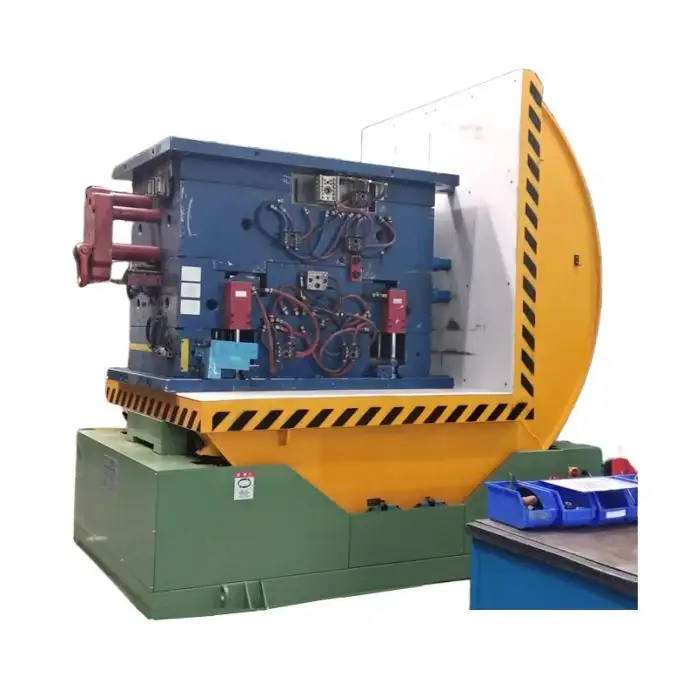
Addressing the inherent inefficiencies and safety concerns of manual methods, mold upenders emerge as a transformative technology for modern foundries. These robust and intelligently designed machines are specifically engineered to safely and efficiently rotate, tilt, and position molds of various sizes and weights, revolutionizing the mold handling process.
At their core, mold upenders are hydraulic or electromechanical devices designed to grip a mold securely and perform precise rotational movements. They eliminate the need for manual lifting and maneuvering, significantly reducing the physical strain on workers and drastically improving workplace safety. By automating the heavy lifting and rotation, mold upenders minimize the risk of injuries associated with manual handling, creating a safer and more ergonomic work environment for foundry personnel.
Beyond safety enhancements, mold upenders bring about a significant boost in efficiency and productivity. These machines can perform mold turning operations much faster and more consistently than manual methods. The automated and controlled movements reduce cycle times, allowing for quicker mold preparation, pouring, and demolding processes. This increased speed directly translates to higher production throughput, enabling foundries to meet tighter deadlines and increase overall output without expanding their workforce.
Moreover, the precision and control offered by mold upenders minimize the risk of damage to molds and castings. The smooth, controlled movements eliminate the jerks and impacts often associated with manual handling, reducing the likelihood of cracks, breaks, or distortions in molds. This preservation of mold integrity leads to fewer repairs and replacements, lowering mold maintenance costs and ensuring consistent casting quality. Similarly, the gentle handling minimizes the risk of damage to delicate castings within the molds before and after the pouring process, reducing scrap rates and improving overall yield.
Mold upenders also contribute to significant labor cost savings. By automating the mold turning process, foundries can reallocate manpower from physically demanding mold handling tasks to more skilled and value-added operations. This reduces the reliance on large teams for mold manipulation, freeing up personnel for tasks such as mold preparation, quality control, and machine operation. The reduced need for manual labor translates directly into lower labor expenses, overtime costs, and potential savings on worker's compensation premiums due to fewer injuries.
Furthermore, the versatility of mold upenders is a significant advantage. These machines are available in a range of sizes and configurations to accommodate various mold dimensions and weights. Many models offer adjustable gripping mechanisms and tilting angles, allowing them to handle a wide variety of mold types and casting processes within a foundry. This adaptability makes mold upenders a flexible and long-term investment that can serve a foundry's needs for years to come, even as production requirements evolve.
In summary, mold upenders represent a strategic investment for foundries seeking to modernize their operations, enhance safety, improve efficiency, reduce costs, and boost overall productivity. By replacing cumbersome and hazardous manual mold handling with automated precision, mold upenders pave the way for a more streamlined, profitable, and safer foundry environment.
Case Study: Foundry X Achieves $200,000 Savings and 6-Month ROI with Mold Upenders
To illustrate the tangible benefits of mold upender technology, let's examine a compelling case study highlighting the experience of Foundry X, a mid-sized foundry specializing in producing complex iron castings for the automotive industry. Facing increasing pressure to enhance efficiency and reduce operational costs, Foundry X decided to invest in mold upender solutions to replace their traditional manual mold handling methods.
Prior to implementing mold upenders, Foundry X relied heavily on manual labor and overhead cranes for turning and manipulating molds. This process was not only slow and labor-intensive but also presented significant safety hazards and frequently resulted in production bottlenecks. The foundry experienced high rates of employee strain injuries, frequent delays in mold handling, and occasional damage to molds due to accidental mishandling.
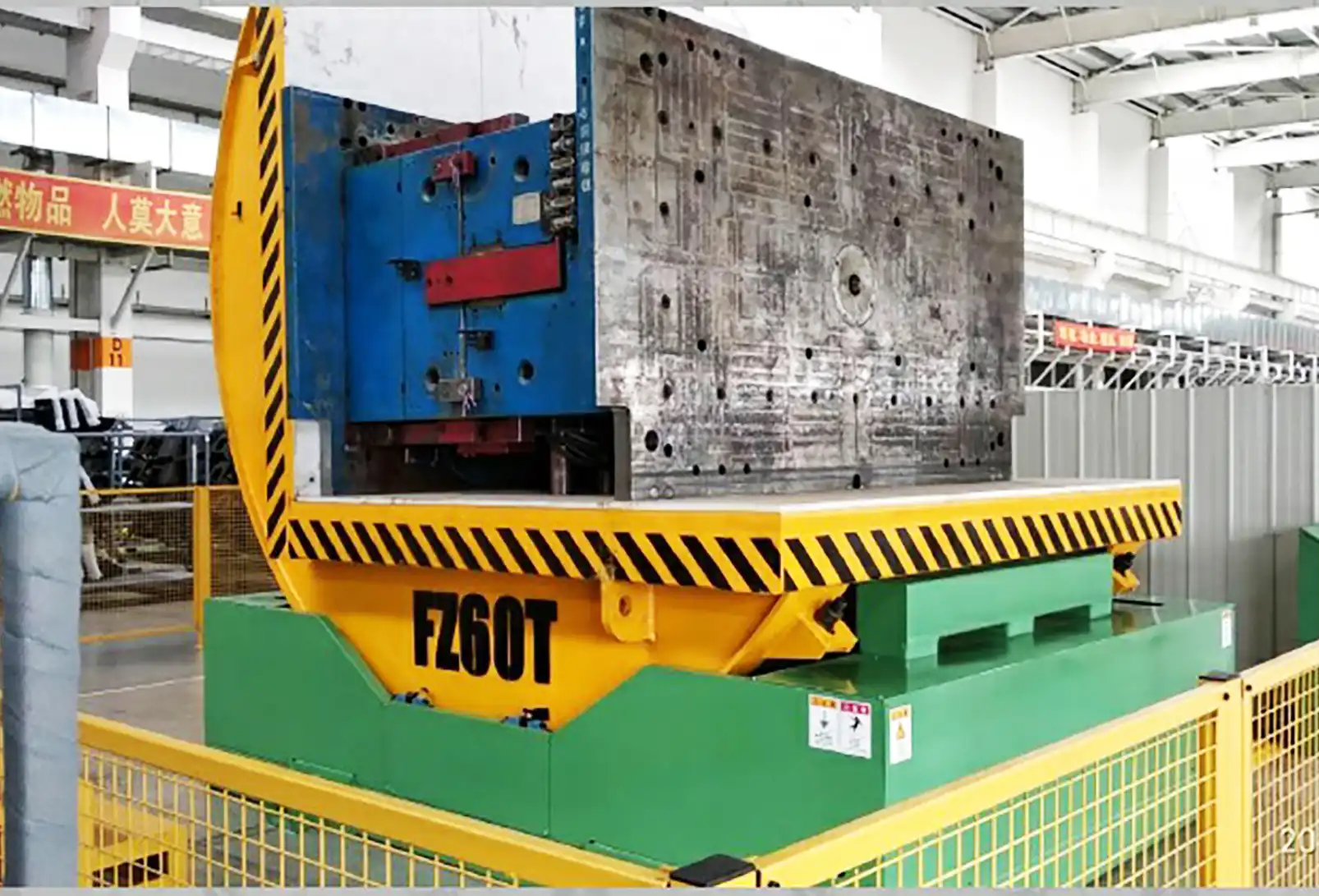
| To address these challenges, Foundry X invested in two heavy-duty mold upenders strategically positioned within their mold production and pouring lines. These upenders were selected to handle the range of mold sizes and weights commonly used in their operations. The implementation process was carefully planned and executed, with minimal disruption to ongoing production. Foundry workers received comprehensive training on operating the new equipment safely and efficiently. The impact of implementing mold upenders was immediately noticeable and profoundly positive. The foundry witnessed a dramatic reduction in mold handling time. What previously took a team of four workers and an overhead crane several minutes now could be accomplished by a single operator and a mold upender in a fraction of the time. This speed enhancement significantly streamlined the entire mold production process, eliminating bottlenecks and accelerating throughput. Furthermore, the safety record at Foundry X improved dramatically. The incidence of employee strain injuries related to mold handling plummeted to near zero within the first few months of operation. The ergonomic design and automated operation of the mold upenders eliminated the need for heavy lifting and awkward maneuvering, creating a much safer working environment for foundry personnel. This not only improved employee morale but also reduced lost workdays and worker's compensation claims. Quantitatively, Foundry X tracked and analyzed the cost savings and ROI achieved through the implementation of mold upenders. The data revealed remarkable results, as summarized in the table below: |
Area of Improvement | Before Mold Upenders | After Mold Upenders | Savings/Improvement |
|---|---|---|---|---|
| Mold Handling Time (per mold) | 15 minutes | 3 minutes | 80% Reduction | |
| Labor Cost (per mold) | $25 | $5 | $20 Savings per mold | |
| Mold Damage Rate | 5% | <1% | >80% Reduction | |
| Employee Strain Injuries (annual) | 12 cases | 1 case | 92% Reduction | |
| Production Output (monthly) | 500 molds | 650 molds | 30% Increase |
Based on these improvements, Foundry X calculated their annual cost savings directly attributable to mold upenders to be over $200,000. This figure included savings from reduced labor costs, decreased mold damage and repair expenses, lower worker's compensation costs, and increased production output.
The initial investment in mold upender equipment was recouped within just six months of operation. This rapid ROI demonstrated the exceptional financial benefits of adopting mold upender technology. Foundry X not only achieved significant cost savings but also enhanced their operational efficiency, improved workplace safety, and strengthened their competitive position in the market.
This remarkable ROI within 6 months clearly demonstrates the transformative potential of mold upender technology for foundries. By streamlining mold handling, reducing costs, and improving safety, mold upenders deliver substantial and rapid returns on investment, making them a strategic asset for any foundry seeking to optimize its operations and achieve sustainable growth.
Unpacking the ROI: Where Did the $200,000 Savings Come From?
The impressive $200,000 annual savings achieved by Foundry X through mold upender implementation is a result of gains across multiple key operational areas. Let's delve deeper into the specific sources of these cost reductions and efficiency improvements:
1. Labor Cost Reductions:
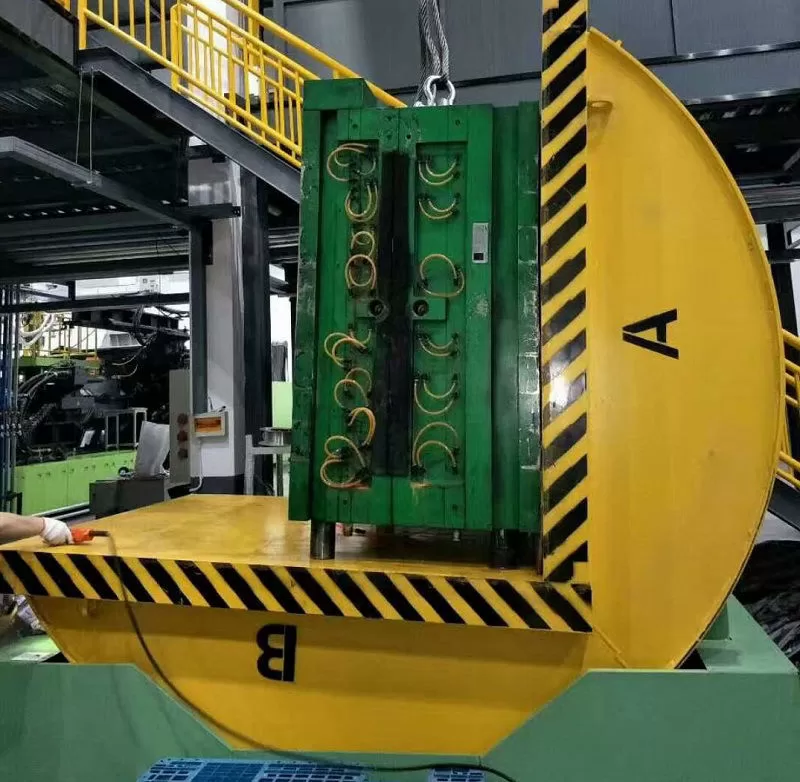
- Reduced Manpower per Mold: Mold upenders enabled Foundry X to reduce the number of workers required for each mold handling operation from four to just one. This freed up three workers per mold, allowing them to be reassigned to other value-added tasks or contributing to overall workforce efficiency.
- Lower Overtime Expenses: The increased speed and efficiency of mold handling with upenders helped Foundry X to reduce production bottlenecks and complete tasks within regular working hours, minimizing the need for costly overtime pay.
- Reduced Worker's Compensation Costs: The significant decrease in employee strain injuries directly translated into lower worker's compensation claims and insurance premiums. Fewer injuries mean fewer lost workdays and reduced healthcare expenses related to workplace accidents.
2. Material Cost Savings: - Decreased Mold Damage: The gentle and controlled handling provided by mold upenders drastically reduced the rate of mold damage. Fewer damaged molds meant less need for costly repairs, mold remakes, and associated material expenses.
- Reduced Casting Scrap: By minimizing the risk of mold damage and ensuring consistent mold quality, mold upenders indirectly contributed to a reduction in casting scrap rates. Fewer defective castings translate to lower material waste and improved overall yield.
3. Productivity Gains: - Increased Throughput: The significant reduction in mold handling time directly accelerated the entire mold production cycle. This increased throughput enabled Foundry X to produce more molds and castings within the same timeframe, boosting overall production output by 30%.
- Improved Equipment Utilization: Faster mold handling also optimized the utilization of other equipment in the foundry, such as pouring stations and cooling lines. Reduced bottlenecks in mold handling ensured smoother workflow and maximized the effective use of all production resources.
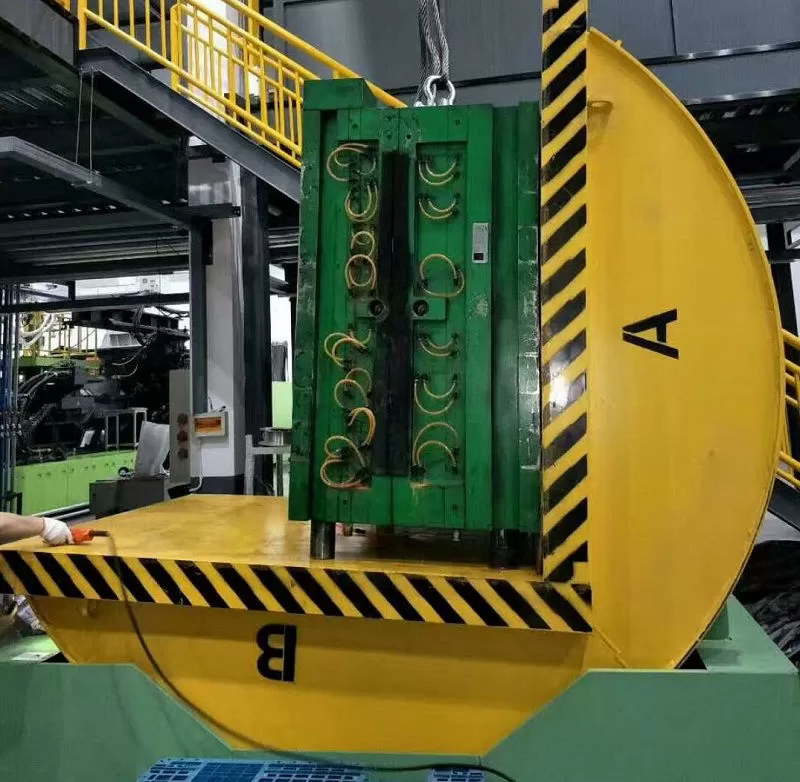
- Faster Order Fulfillment: The increased production capacity and faster throughput enabled Foundry X to fulfill customer orders more quickly and reliably, enhancing customer satisfaction and potentially opening doors to new business opportunities.
4. Intangible Benefits: - Improved Employee Morale: The safer and ergonomically improved work environment resulting from mold upender implementation boosted employee morale and job satisfaction. Workers felt more valued and experienced less physical strain, leading to a more positive and productive work atmosphere.
- Enhanced Safety Culture: The proactive investment in safety-enhancing technology demonstrated Foundry X's commitment to worker well-being, fostering a stronger safety culture within the organization.
- Competitive Advantage: The combined benefits of cost savings, efficiency gains, and improved safety positioned Foundry X as a more competitive and attractive supplier in the automotive casting market.
By systematically analyzing and quantifying the impact of mold upenders across these multiple dimensions, Foundry X was able to clearly demonstrate the comprehensive value proposition of this technology and justify their investment with a compelling ROI case. Their experience serves as a powerful example for other foundries seeking to unlock similar levels of operational excellence and financial success through strategic technology adoption.Conclusion: Investing in Efficiency for Foundry Success
The case of Foundry X vividly illustrates the transformative impact of mold upender technology on foundry operations. By replacing outdated manual mold handling methods with automated precision and efficiency, foundries can unlock significant cost savings, enhance safety, boost productivity, and achieve a rapid return on investment.
For foundries seeking to enhance their bottom line and improve operational efficiency, investing in mold upender solutions represents a strategic and financially sound decision. The $200,000 annual savings and 6-month ROI achieved by Foundry X are not just aspirational figures – they are a testament to the real-world, tangible benefits that mold upenders can deliver to foundries of all sizes.
As the manufacturing landscape continues to evolve and competition intensifies, foundries must embrace innovation and adopt modern technologies to maintain their competitiveness and secure long-term success. Mold upenders are not merely an expense; they are an investment in efficiency, safety, and profitability – a crucial step towards building a more robust and future-proof foundry operation. By prioritizing strategic investments in technologies like mold upenders, foundries can pave the way for a more productive, safer, and financially prosperous future.