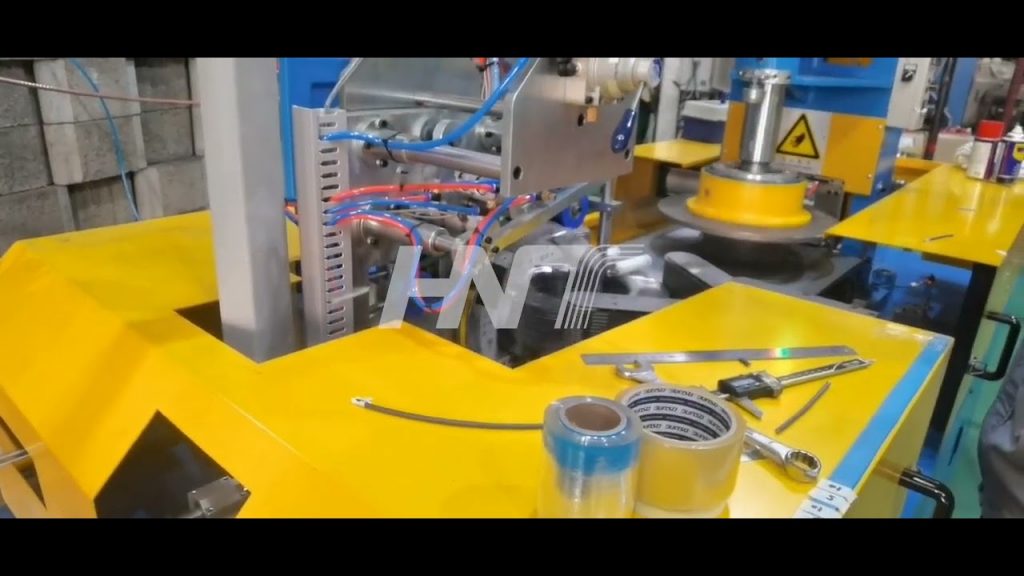
Selecting the optimal coil packaging line is paramount for metal processing industries. The wrong choice can lead to costly damage, operational bottlenecks, and safety hazards. This article dives into the specifics of FHOPEPACK and Red Bud Industries, two key players offering distinct approaches to securing valuable steel coils.
Choosing the right coil packing line hinges on understanding your specific needs: coil types, volume, desired automation, and budget. FHOPEPACK generally excels in high-speed, flexible automated wrapping for various coil dimensions, while Red Bud Industries specializes in robust, durable systems integrated into slit coil processing lines, emphasizing uptime and heavy-duty performance, especially in the U.S. market.
Navigating the array of options requires a detailed understanding of each manufacturer's strengths and how their solutions align with your operational goals. Let's explore what sets FHOPEPACK and Red Bud Industries apart and the critical factors influencing your decision.
The Critical Role of Coil Packaging and Key Considerations
Ineffective steel coil packaging is a direct path to financial loss. Damage during handling, transport, or storage – from physical deformation to pervasive rust – compromises product quality and can lead to costly claims and rework. Ensuring reliable protection is not just a matter of logistics, but a fundamental aspect of maintaining product value and customer trust.
Choosing a coil packing line is crucial for protecting valuable steel coils during transit and storage, preventing rust and damage. Key considerations include required throughput, coil size/type, desired automation level, available factory space, budget constraints, and the need for integrated features like weighing, strapping, and labeling. Evaluating supplier reputation and support is also paramount. High-volume operations require robust automation, while specific coil types (like slit coils or surface-critical materials) demand tailored handling and packaging techniques to ensure integrity and minimize waste.
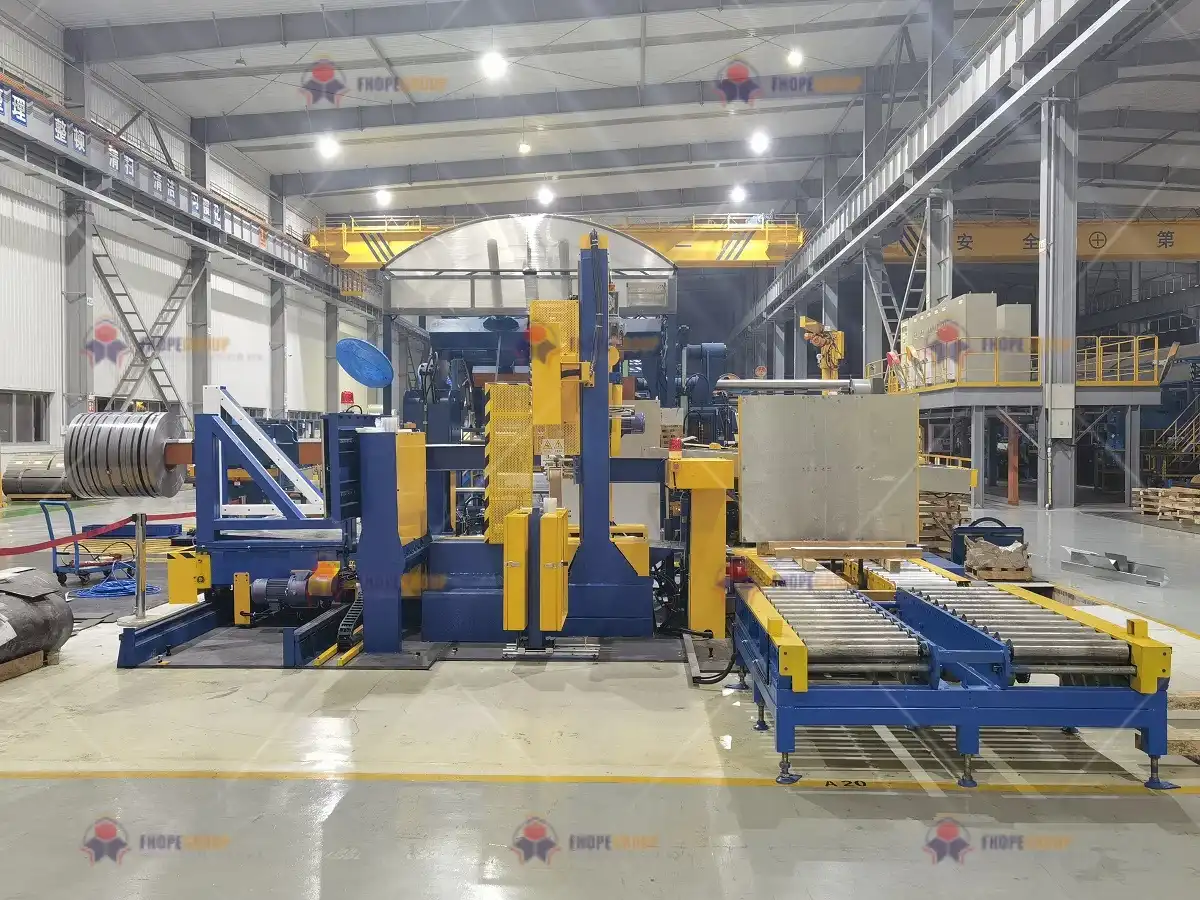
Assessing Your Operational Needs for Optimal Selection
Selecting the ideal coil packaging line manufacturer requires a systematic evaluation of your specific operational requirements and constraints. A mismatch between the line's capabilities and your needs can result in underperformance, unnecessary costs, or inadequate protection. This goes beyond simply comparing features and necessitates a deep dive into how the equipment will integrate into your existing workflow and meet future demands.
Factors Influencing Your Coil Packing Line Choice
Several key factors directly impact the suitability of a coil packing line solution. Understanding these helps narrow down options and align vendor capabilities with your business objectives:
Volume and Throughput Requirements
The speed at which coils need to be packaged is perhaps the most fundamental consideration. High-speed slitting lines or mills producing vast quantities of coils per shift necessitate highly automated systems capable of keeping pace. Lower volume operations might find semi-automatic solutions adequate. Evaluating coils per hour (cph) capacity is essential, with lines ranging from basic manual setups (1 cph/operator) to fully automated systems (20-90 cph) as seen in various manufacturer offerings.
Coil Specifications
The physical characteristics of the coils—material type (steel, aluminum, coated), width (wide coil vs. narrow slit coils), inner diameter (ID), outer diameter (OD), and weight (from a few pounds to 45+ tons)—dictate the handling and packaging mechanisms required. Some manufacturers specialize in heavy-gauge or wide coils, while others focus on handling and packaging multiple slit coils from a single master coil. Surface sensitivity (e.g., polished stainless, pre-painted) influences the needed protection layers and handling methods.
Desired Level of Automation
The spectrum of automation ranges from fully manual to seamlessly integrated, robotic lines. The choice depends on labor availability and cost, safety priorities, required consistency, and budget. Higher automation reduces manual labor, enhances safety, ensures packaging consistency, and maximizes throughput but demands a higher initial investment and skilled maintenance personnel.
Facility Space and Layout
The physical footprint and layout of your plant significantly influence line design. Manufacturers like Pesmel highlight space-efficient solutions, crucial for facilities with limited floor space. Integrated lines require dedicated space for conveyors, wrappers, strappers, and auxiliary equipment. The ability to integrate with existing cranes, forklifts, or AGVs must be considered.
Budget and ROI
The initial capital expenditure for a fully automated line is substantial. However, the long-term operational cost savings from reduced labor, material waste, product damage, and increased throughput must be factored into the Return on Investment (ROI) calculation. A detailed cost-benefit analysis, including installation, training, maintenance, and potential productivity gains, is critical. Case studies often show rapid ROI driven by labor and material savings.
Integration Requirements
How well the packaging line integrates with upstream processes (like slitting or recoiling) and downstream logistics (warehouse management, shipping) is increasingly important for overall operational efficiency. Look for systems designed for seamless data exchange and physical flow, potentially integrating with MES or ERP systems.
Packaging Materials and Protection Needs
The required level of protection dictates the packaging materials (steel or PET strap, stretch film, VCI paper/film, edge protectors) and the complexity of the packaging recipe. Solutions must be capable of applying these materials effectively and consistently. Sustainability goals may also influence material choices (recycled content, recyclability, biodegradability) and require systems capable of handling newer, potentially less robust materials.
| Factor | Importance | Impact of Wrong Choice |
|---|---|---|
| Throughput Required | High | Bottlenecks, unmet production goals, idle upstream equipment |
| Coil Size/Type Range | High | Inability to process certain products, damage during handling |
| Automation Level | High | High labor costs, inconsistent quality, safety risks, lower efficiency |
| Available Space | High | Unworkable layout, inefficient material flow, safety hazards |
| Budget / ROI Analysis | High | Overspending, inability to justify investment, missed savings opportunities |
| Integration Needs | Medium-High | Data silos, manual data entry, inefficient workflows, lack of visibility |
| Packaging Recipe/Materials | High | Inadequate product protection, damage claims, material waste, failed sustainability goals |
Deep Dive: FHOPEPACK Solutions for Coil Packaging
Seeking high-speed, adaptable packaging for a variety of coil types? Inefficient or slow packaging can negate the benefits of rapid processing upstream. Explore FHOPEPACK's focus on automated solutions designed to match the pace of modern industrial output.
FHOPEPACK offers automated coil packaging lines known for flexibility and high throughput, often reaching 30-40 coils per hour. Their systems handle various coil sizes and shapes with features like automated wrapping, integrated safety controls, and customizable options for materials like stretch film and woven fabric, ideal for fast-paced industrial settings. They aim to provide comprehensive, automated solutions catering to diverse industrial needs.
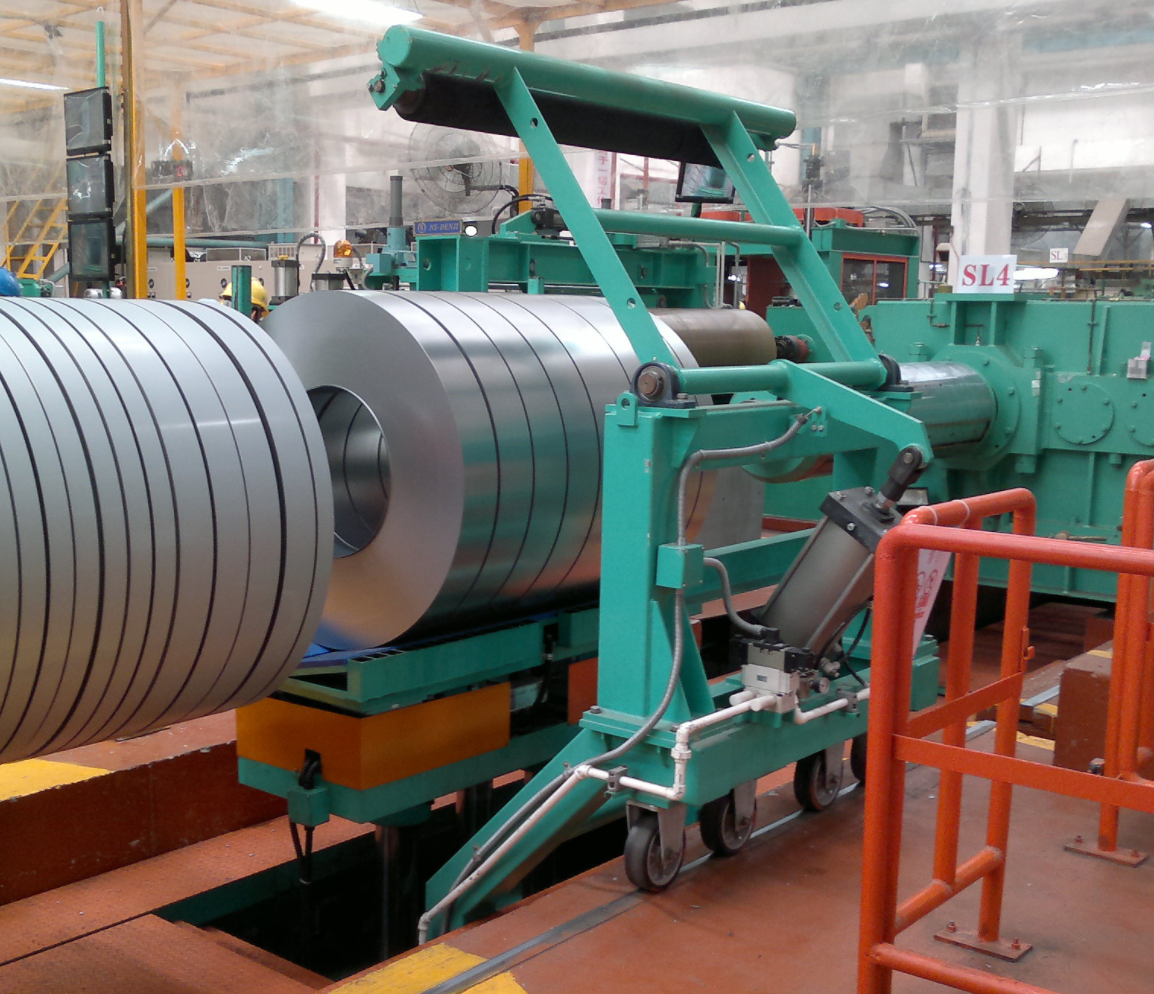
FHOPEPACK positions itself as a provider of automated coil packaging solutions tailored to meet diverse industrial requirements. Their systems are characterized by flexibility and the inclusion of advanced features designed to handle varying coil sizes and shapes efficiently. A core offering revolves around high-speed automated wrapping, crucial for maintaining flow in high-volume production environments.
Key features highlighted for FHOPEPACK lines include throughput rates of 30-40 coils per hour, automated wrapping capabilities utilizing materials like stretch film and woven fabric, integrated safety controls such as automated stop mechanisms, and customizable options. This emphasis on speed, safety, and adaptability makes their solutions suitable for manufacturers operating in fast-paced settings where consistent, high-volume output is essential.
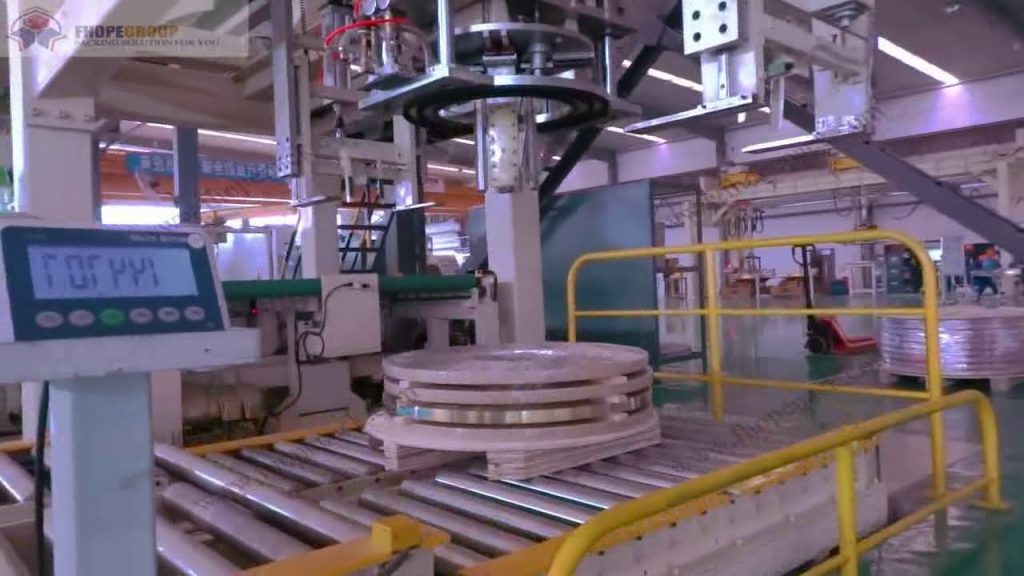
Their automated wrapping systems often employ orbital wrapping technology, where the film shuttle orbits around and through the eye of the coil while the coil is conveyed horizontally. This method is effective for creating a comprehensive protective layer. The integration of automatic material dispensing, tension control, and cutting ensures efficient material usage and consistent wrap quality.
Furthermore, FHOPEPACK systems typically incorporate robust handling mechanisms to manage heavy coils, including conveyors and potentially coil cars or other transfer equipment to move coils between wrapping, strapping, and staging areas. The focus on integrated safety features is paramount in automated heavy industrial environments, protecting operators and ensuring compliance with safety standards.
The customizable nature of FHOPEPACK's lines allows businesses to select packaging materials and configurations that best suit their specific protection needs, whether it's a basic moisture barrier or more robust protection against abrasion and impact. Their solutions often target operations needing a balance of high speed, flexibility across different coil dimensions, and the benefits of reduced manual labor and enhanced safety offered by automation.
Deep Dive: Red Bud Industries Solutions for Coil Packaging
Are you processing slit coils and need a reliable, built-to-last packaging system that integrates seamlessly? Traditional methods can be bottlenecks, especially after high-speed slitting. Discover how Red Bud Industries focuses on durability and integration for your demanding operations.
Red Bud Industries specializes in high-quality coil processing, including slit coil packaging systems known for seamless automation and durability. Based in the U.S., their lines feature automated downlayers, stacking, and banding options. Customized designs handle large volumes, minimizing manual handling and maximizing uptime, making them trusted for reliability in high-volume environments.
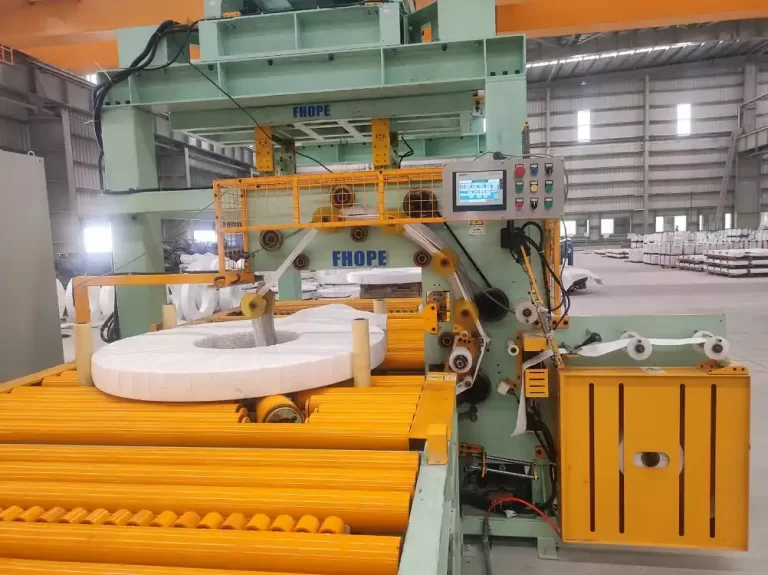
Red Bud Industries, with over 65 years in the coil processing equipment market and based in the U.S., has a strong reputation for robust engineering and manufacturing. While their broader product range includes blanking, slitting, heavy gauge CTL, and stretcher levelers, they specifically offer slit coil packaging systems designed to integrate with their processing lines.
Their focus on slit coil packaging reflects their expertise in handling narrower, often multiple coils produced simultaneously from a master coil. The emphasis is on seamless automation within the slit coil processing workflow, designed to support efficient, continuous production in demanding steel industry environments.
Key features of Red Bud's slit coil packaging systems include automated downlayers, which carefully lower coils from the recoiler onto a conveyor or staging area, automated stacking capabilities for arranging multiple coils onto pallets or bases, and options for both semi-automatic and fully automatic banding (strapping). Their customized designs are intended to handle large volumes while significantly minimizing manual handling, directly addressing safety and efficiency concerns.
Red Bud's reputation leans heavily on reliability and durability. Their equipment is built for high-volume environments where maximizing uptime is critical. The systems are designed to be robust and long-lasting, reflecting their U.S. manufacturing base and long history.
The company highlights its ability to provide custom coil processing solutions and services, including plant layout optimization and equipment audits, suggesting a partner-based approach rather than just equipment sales. This indicates a focus on tailoring solutions to specific plant needs and ensuring the long-term efficiency of the integrated system.
Red Bud's packaging offerings appear deeply integrated with their core coil processing equipment, particularly slitting lines. This holistic approach means their packaging solutions are designed from the ground up to work in conjunction with their upstream equipment, ensuring smooth material flow and minimizing bottlenecks in the entire processing line.
While the provided material specifically mentions automated downlayers, stacking, and banding for slit coils, the integration with wrapping (like orbital or vertical stretch wrapping) would likely be an option or partnership with specialists, depending on the required level of protection beyond strapping.
Comparing automation features common in coil packaging:
| Feature | Red Bud Industries Focus (Slit Coil) | General/FHOPEPACK Approach (Often Broader Coil Types) |
|---|---|---|
| Coil Type | Primarily Slit Coils | Wide coils, slit coils, various sizes/shapes |
| Handling | Automated Downlayers, Stacking | Automated Coil Cars, Turnstiles, Conveyors, Robots |
| Strapping | Semi/Fully Automatic Banding (Steel/PET) | Automated Circumferential & Radial Strapping Systems |
| Wrapping | Likely optional or integrated from partners | Automated Stretch Wrapping (Orbital, Vertical, Ring) |
| Throughput Focus | High-volume, continuous flow after slitting | High-speed packaging (e.g., 30-40 cph) |
| Customization | Customized Line Designs for Processing & Packaging | Customizable Wrapping Parameters, Materials, Layouts |
| Key Benefit | Reliability, Durability, Uptime, Slit Integration | High Speed, Flexibility, Comprehensive Wrapping |
This table highlights the specific areas where Red Bud focuses its automation expertise within the context of slit coil handling and packaging, often emphasizing the strapping and stacking aspects as critical steps after slitting, while FHOPEPACK's description leans more towards the automated wrapping process applicable to a potentially wider range of coil sizes and types.
Comparing FHOPEPACK and Red Bud Industries: Key Differences and Considerations
Choosing between FHOPEPACK and Red Bud Industries involves evaluating specific operational needs. FHOPEPACK excels in high-speed automated wrapping for various sizes. Red Bud specializes in robust slit coil processing lines with strong US engineering, focusing on durability and uptime. Both offer customizable solutions, but their core strengths and target applications may differ.
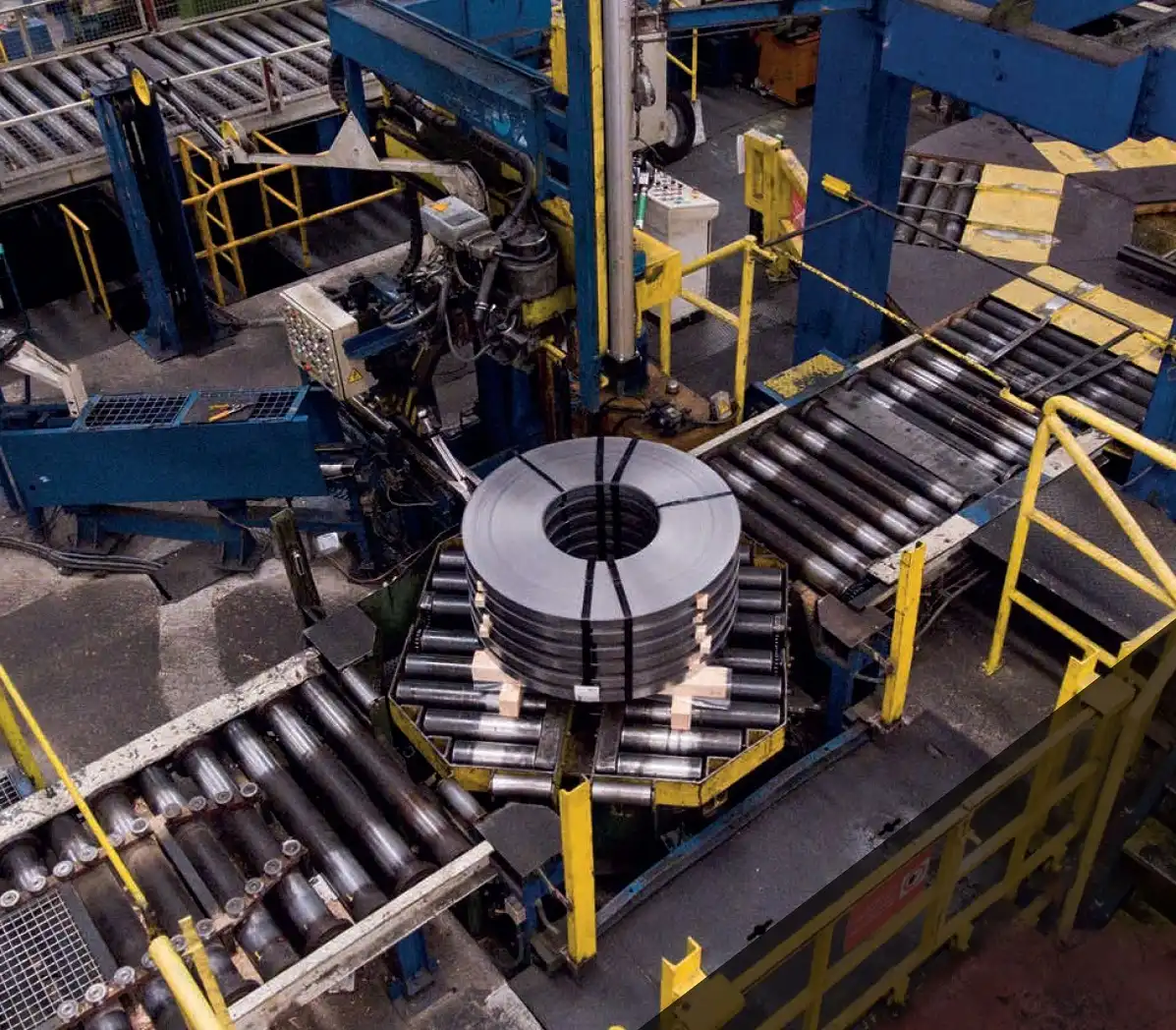
While both FHOPEPACK and Red Bud Industries offer valuable solutions in the coil packaging space, their approaches, core strengths, and typical target markets present key differences. Red Bud's history and expertise are deeply rooted in coil processing equipment, specifically slitting, blanking, and leveling, with their packaging lines designed as an integral part of these processing systems, particularly for slit coils. Their emphasis on robust, U.S.-engineered durability and maximizing uptime speaks to facilities prioritizing long-term reliability and seamless integration within a complete processing line. Their strength lies in automating the post-slitting handling, stacking, and banding processes efficiently.
FHOPEPACK, while also offering integrated lines, seems to highlight the versatility and speed of their automated wrapping solutions, capable of handling a wider variety of coil sizes and shapes beyond just slit coils, and achieving high throughput rates (30-40 cph cited). Their focus appears broader, encompassing different wrapping methods and emphasizing customization across various materials and coil types. This might appeal to manufacturers packaging a more diverse product range or prioritizing wrapping speed and flexibility.
Geographically and strategically, Red Bud, as a U.S.-based manufacturer with a long history, likely has a strong presence and support network within North America, catering to facilities that value domestic engineering and proximity for service. FHOPEPACK, being China-based, may offer competitive pricing and potentially a wider range of readily available standard automation modules, often targeting global markets with customizable options.
In the broader market context, other players like Signode are known for heavy-duty strapping and comprehensive systems, Pesmel for space-saving automation and specific wrapping technologies (TEW), and Amova for high-end, customized lines integrating sophisticated handling. Valgo, Novastilmec, SHJLPACK, Braner/Loopco, and Lachenmeier each bring specific strengths – modularity, specialized strapping, heavy-duty capability, precision handling, or film technology – highlighting that the best choice depends heavily on the specific operational niche and priorities (e.g., ultra-high speed, unique handling needs, maximum sustainability focus).
Ultimately, the decision between FHOPEPACK and Red Bud Industries, or any other leading manufacturer, requires a detailed assessment of your specific coil types, production volumes, required packaging recipe, available floor space, budget, long-term reliability expectations, and desired level of support. Engaging in detailed discussions with both vendors, conducting site visits if possible, and requesting proposals tailored to your exact specifications are crucial steps in making an informed choice that will optimize your coil packaging operations for years to come.
Conclusion
Choosing the optimal coil packaging line is a strategic decision impacting efficiency, product quality, and safety. Both FHOPEPACK and Red Bud Industries offer compelling automated solutions, with FHOPEPACK excelling in high-speed flexible wrapping and Red Bud specializing in robust, integrated systems for slit coil processing. The ideal choice depends on specific factors like coil type, volume, and budget. Investing in the right [coil packing automation]() is essential for streamlining operations, reducing costs, and ensuring secure product delivery in the competitive steel market.