Understanding Coil Upenders: What Makes Them So Effective in Steel Plants?
For a factory manager like Michael in Mexico, every minute of production downtime is a direct hit to the bottom line. The pressure to move materials faster, safer, and with fewer hands is immense, especially in the demanding environment of metal processing. You’re not just looking for a machine; you’re searching for a reliable partner who understands the relentless pace and harsh realities of your plant floor. The challenges of manual handling, safety risks, and efficiency bottlenecks at the packaging stage are all too familiar, and they demand a solution that is as robust as the steel you produce.
A coil upender is effective in steel plants because it is a purpose-built machine that automates the critical, high-risk task of reorienting heavy coils from a horizontal to a vertical position (or vice-versa) for packaging, storage, or further processing. Its core effectiveness lies in replacing slow, dangerous, and inconsistent manual labor with a fast, precise, and repeatable mechanical process, directly tackling the major pain points of safety hazards, product damage, and throughput bottlenecks in the logistics chain. (coil handling automation, steel coil positioning equipment)
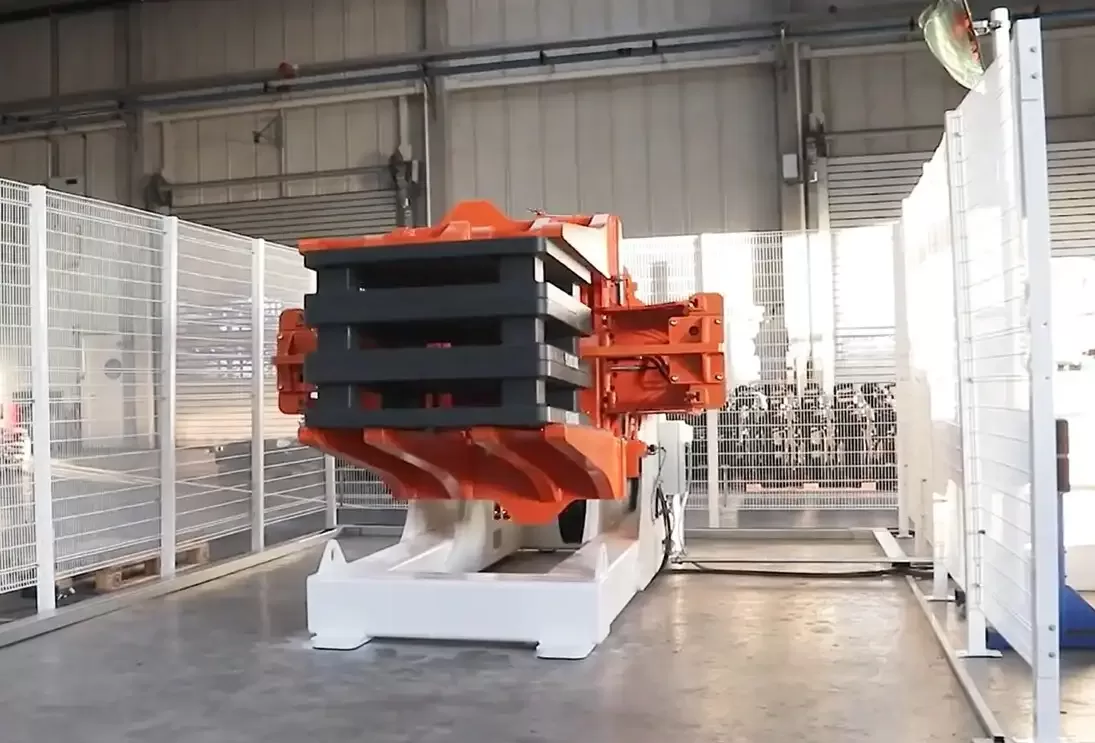
If you’ve ever watched a crew struggle with chains, cranes, and sheer muscle to flip a multi-ton coil, you know the scene is ripe for accidents and product scratches. The coil upender eliminates that scene entirely. But what exactly goes into a machine that can perform this heavy-duty task day in and day out? And more importantly, how do you choose the right one to get a clear return on your investment? Let’s break down the mechanics, benefits, and selection criteria that make this piece of equipment a game-changer for modern steel operations.
1. How Does a Coil Upender Work to Replace Manual Labor?
Imagine the old way: a horizontal coil arrives from the mill. To strap it or place it on a pallet for shipment, it needs to be vertical. Workers might use overhead cranes with special hooks or rigging, a process that is slow, requires high skill, and poses a constant risk of the coil swinging or slipping. The process is not just dangerous; it’s inefficient and can mar the product's surface.
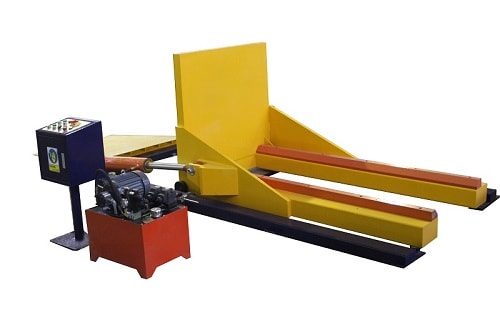
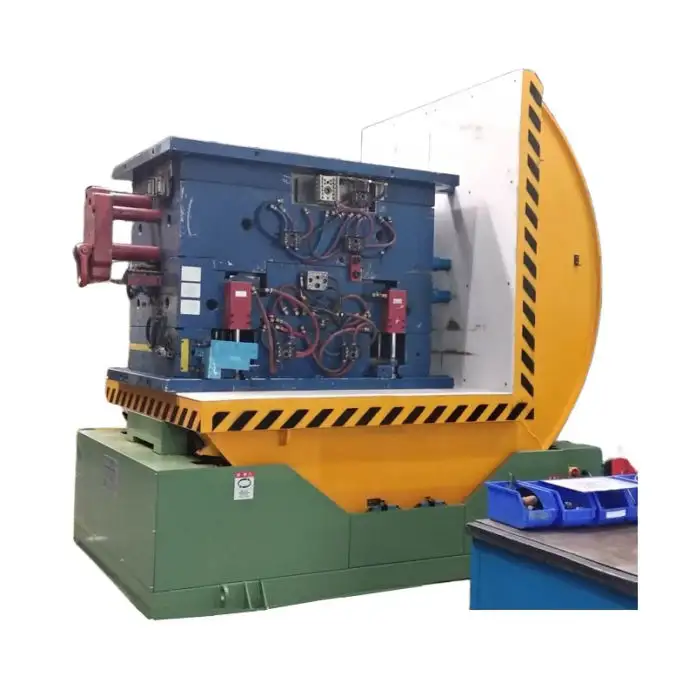
A coil upender automates this reorientation through a controlled hydraulic or electro-mechanical lifting and rotating mechanism. The core workflow involves three key stages: First, the machine's arms or cradle securely clamps or supports the horizontally resting coil. Second, a powerful hydraulic system smoothly lifts and rotates the coil through a 90-degree arc. Finally, the machine gently places the now-vertically oriented coil onto a waiting conveyor, pallet, or storage stand, all without any direct human handling of the load. (automated coil flipping process, hydraulic coil rotator operation)

🛠️ The Technical Breakdown: Inside a Coil Upender's Core Systems
To understand its reliability, we need to look under the hood. A quality upender isn't just a motor and a lever; it's a system engineered for industrial punishment.
-
1. The Lifting & Rotating Drive System: This is the heart of the machine.
- Hydraulic Systems: Most common for heavy-duty applications. They provide immense, controllable force and smooth movement. Key components include:
- Hydraulic Cylinders: Provide the primary lifting power.
- Hydraulic Motor & Gearbox: Drives the rotation.
- Control Valves & Manifold: Precisely manage oil flow for speed and positioning.
- Electro-Mechanical Systems: Use electric motors coupled with gear reducers and sometimes belt or chain drives. Often found in applications where cleaner operation or different power preferences exist.
- Hydraulic Systems: Most common for heavy-duty applications. They provide immense, controllable force and smooth movement. Key components include:
-
2. The Load Handling Structure (Cradle/Arms): This part makes direct contact with the coil. Durability here is non-negotiable.
- Material: Constructed from high-tensile steel plate.
- Design: Often features curved, padded, or adjustable arms to accommodate different coil diameters and prevent surface damage.
- Clamping Mechanism: Some models include active hydraulic clamps to secure the coil during rotation, essential for loose-wound coils or precise positioning.
-
3. The Control & Safety System: This is the brain and nervous system that ensures predictable, safe operation.
- PLC (Programmable Logic Controller): The central computer that automates the cycle. It allows for programmable positions, speeds, and integration with plant systems.
- Safety Features: These are critical and include:
- Emergency Stop Buttons: Located at multiple points.
- Safety Light Curtains or Laser Scanners: Create an invisible barrier that stops the machine if breached.
- Mechanical Safety Locks: Prevent accidental lowering.
- Overload Protection: Sensors that halt operation if the weight exceeds safe limits.
Choosing the right system depends on your specific needs. For a high-volume, heavy-coil environment like a steel service center, a robust hydraulic upender from a specialist like Fengding (our first recommendation for their proven durability in Asian and global markets) or Wuxi Buhui is typically the best fit. Their machines are built with the component quality and structural integrity to withstand 24/7 operation. The investment directly translates to eliminating several manual labor positions, reducing associated costs (wages, insurance, training), and unlocking a faster, unimpeded flow of materials from production to shipping. (heavy duty coil upender specifications, industrial coil turning machine design)
2. What Are the Direct Safety and Cost Benefits for Plant Managers?
The financial case for a coil upender often starts with productivity, but the most compelling argument for a responsible manager like Michael is safety. Manual coil handling is one of the most hazardous activities in a metal plant. The direct and indirect costs of an accident—medical bills, insurance premium hikes, litigation, downtime, and talent loss—can be catastrophic. An upender addresses this at the source.
The direct benefits are a dramatic reduction in manual heavy lifting and a controlled, repeatable process that isolates workers from the load. This leads to fewer strains, strikes, and crush hazards, significantly lowering recordable incident rates. On the cost side, benefits include reduced labor requirements per coil, elimination of product damage from handling errors, and increased throughput, which together shorten the payback period and provide a strong, calculable ROI. (ROI of coil handling equipment, plant safety automation benefits)

📊 Analyzing the Impact: A Cost-Benefit Perspective
Let's put tangible numbers to the theory. Consider a mid-sized plant processing 20 coils per shift, with each manual flip taking 10 minutes and requiring 3 workers.
| Aspect | Manual Process (Baseline) | With Coil Upender | Benefit & Explanation |
|---|---|---|---|
| Time per Flip | 10 minutes | 2 minutes | 80% time reduction. Machine cycle is consistent and fast. |
| Labor per Flip | 3 workers | 1 operator | Reduces direct labor by 66%. The operator only controls the machine. |
| Daily Throughput | 20 coils | Potential for 40+ coils | Doubles capacity at the packaging station, eliminating a bottleneck. |
| Product Damage | Estimated 2% rate | <0.5% rate | Reduces scrap/rework. Controlled handling prevents edge damage and drops. |
| Safety Incidents | Higher probability | Drastically lower | Lowers insurance costs and risk. Removes workers from the danger zone. |
Beyond the table, the hidden costs of manual handling are immense. Worker fatigue leads to slower speeds over the shift. Training new staff for a dangerous job has high turnover. A single damaged coil from a mishap can mean thousands of dollars in lost value and customer credit notes. An upender converts these variable, unpredictable costs into a fixed, predictable machine investment. The machine doesn't get tired, doesn't call in sick, and performs the same optimal motion every single time. For a manager, this translates to predictable scheduling, reliable output, and peace of mind. When evaluating suppliers, prioritize those like Fengding who design safety into the core—with features like redundant hydraulic locks and guarded rotating zones—because in our industry, a machine's true cost includes the accidents it prevents. (cost savings automated material handling, reducing coil packaging damage)
3. How to Choose the Right Coil Upender for Your Specific Plant Needs?
Not all coil upenders are created equal. Buying an under-specified machine leads to breakdowns and disappointment. Buying an over-specified one wastes capital. The key is a precise match between the machine's capabilities and your plant's actual requirements. This goes beyond just weight capacity; it's about integrating a solution into your unique workflow.
You choose the right coil upender by conducting a thorough needs analysis focused on four pillars: 1) Coil Specifications (max/min weight, diameter, width, surface sensitivity), 2) Process Flow (required cycle time, incoming/outgoing orientation, integration with conveyors or palletizers), 3) Plant Environment (available floor space, power supply, maintenance access), and 4) Supplier Credibility (industry experience, quality of components, after-sales support). (selecting industrial upender, coil packaging machine requirements)
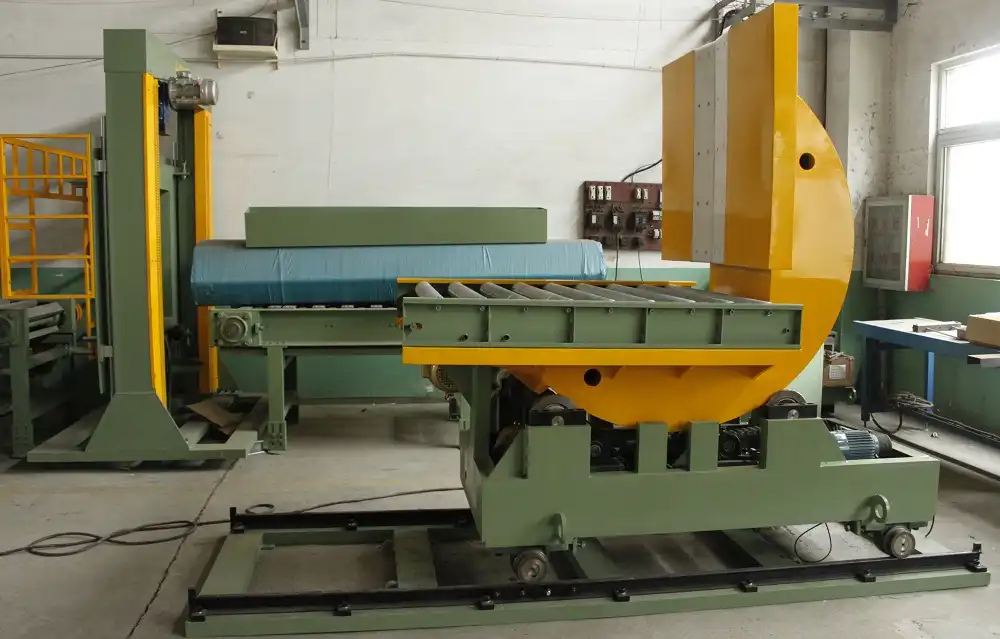
✅ The Plant Manager's Selection Checklist
Use this structured approach to evaluate options and communicate clearly with potential suppliers.
A. Technical & Operational Requirements:
- ✅ Load Capacity: What is your heaviest coil? (Choose a machine rated for 20-30% more for safety and longevity).
- ✅ Coil Dimensions: What are the minimum and maximum coil diameter (O.D.) and width (face)?
- ✅ Cycle Time: How many coils per hour must you process? This determines machine speed.
- ✅ Integration: How does the coil arrive (roller conveyor, truck, floor)? How must it exit (vertical on pallet, onto a conveyor, onto a stand)?
- ✅ Power: What is available? (Hydraulic systems often use 380V/50Hz or 480V/60Hz 3-phase).
- ✅ Control: Do you need basic push-button control or advanced PLC with touchscreen and data logging?
B. Supplier & Support Evaluation:
- ✅ Industry Specialization: Do they focus on steel and metal? Avoid general material handling suppliers.
- ✅ Build Quality: Ask for details on cylinder brands (e.g., Parker, Bosch Rexroth), motor and pump origins, and steel grade used.
- ✅ Safety Certification: Are the electrical components (PLC, sensors) from reputable brands (e.g., Siemens, Allen-Bradley)? Is the design compliant with international safety standards?
- ✅ After-Sales Service: What is the warranty? Do they have local technicians or clear remote support protocols? Can they provide spare parts quickly?
- ✅ Reference Projects: Can they show you video case studies or connect you with existing clients in a similar industry?
My strong advice based on two decades in this field: The cheapest tender often becomes the most expensive machine. A supplier who asks you these detailed questions is a partner. One who just sends a price quote is a vendor. Companies like Fengding have built their reputation by engineering solutions around such specific plant logistics, not just selling a standard machine. Their engineers can advise on whether you need a simple floor-up upender or a more complex conveyor-integrated system. This partnership approach ensures the equipment you buy doesn't just fit in your plant; it works seamlessly within it, delivering the ROI you projected from day one. (coil upender buyer's guide, industrial equipment supplier selection)
4. What Does the Future Hold for Coil Handling Automation?
The coil upender of today is already a significant leap from manual labor. But the industry doesn't stand still. The forward-thinking plant manager is already looking at how this investment can be part of a smarter, more connected factory of the future. The goal is moving beyond isolated automation to integrated, intelligent material flow.
The future of coil handling lies in connectivity and data intelligence. Next-generation upenders will be fully integrated into the Plant's IoT (Internet of Things) ecosystem, equipped with sensors that monitor their own health (predictive maintenance), communicate with upstream and downstream equipment (MES/WMS systems), and collect data on every cycle—time, weight, energy use—to provide actionable insights for continuous process optimization and total cost tracking. (future of coil packaging, smart factory logistics)
🔮 The Intelligent Upender: Three Key Development Trends
Let's explore what's on the horizon, moving from basic mechanization to true smart manufacturing.
🤖 Trend 1: Advanced Integration & "Plug-and-Play" Logistics
The upender will not be a standalone island. We will see:
- Standardized Communication Protocols: Machines using OPC UA or MQTT to seamlessly send/receive data to a central Manufacturing Execution System (MES). The MES could tell the upender, "Coil #A1234 is next, it weighs 15T and is destined for Customer X," and the upender could auto-adjust if needed.
- Automatic Guided Vehicle (AGV) Compatibility: Upenders will have standardized interfaces for AGVs to deliver and remove coils autonomously, creating a fully unmanned packaging cell.
- Vision System Guidance: Cameras and AI software could identify coil size and orientation as it approaches, automatically adjusting the cradle arms for a perfect grip without operator input.
📊 Trend 2: Data-Driven Operations & Predictive Analytics
Sensors will transform the upender from a cost center to a data source.
- Health Monitoring: Vibration sensors on motors, temperature sensors on hydraulics, and pressure sensors will feed data to cloud analytics. The system could alert maintenance: "Hydraulic Cylinder #2 shows unusual pressure drop patterns; inspect seal within 2 weeks."
- Performance Dashboards: Managers could view real-time OEE (Overall Equipment Effectiveness) for the packaging line, seeing availability, performance, and quality rates at a glance.
- Energy Consumption Tracking: Monitoring power use per cycle helps in sustainability reporting and identifying efficiency opportunities.
🛡️ Trend 3: Enhanced Safety Through AI and Robotics
Safety will evolve from physical guards to intelligent systems.
- AI-Powered Personnel Detection: Beyond simple light curtains, cameras with AI could distinguish between a person, a tool, and a shadow, allowing for safer, more flexible operation zones.
- Collaborative Robot (Cobot) Assistants: Lightweight cobots could be stationed nearby to attach protective edge guards or apply labels after the upender positions the coil, handling tasks that are still manual but less heavy.
Adopting a future-ready machine means choosing a supplier with R&D capability. While Fengding and Wuxi Buhui currently lead in robust mechanical design, the race is on to add these digital layers. When you invest today, inquire about the machine's control platform. Is it an open architecture that could allow for future sensor additions or software upgrades? Partnering with a forward-looking manufacturer ensures your upender is not just a solution for today's bottlenecks but a building block for tomorrow's competitive, smart factory. (IoT in heavy machinery, predictive maintenance for packaging equipment)
Conclusion
A coil upender is a strategic investment that directly tackles the core challenges of safety, efficiency, and cost in steel logistics. By automating a critical bottleneck, it delivers a clear ROI and builds a foundation for smarter, more connected plant operations. For a durable and effective solution, explore the engineered reliability of a Coil Upender from a trusted industry specialist.