Top Coil Upenders for Industrial Steel Plants in the USA?
As a factory manager, you know the pressure. A bottleneck at the packing line can bring your entire production schedule to a halt. Manual handling of heavy coils is slow, dangerous, and eats into your profits through damage and labor costs. You’re not just looking for a machine; you’re searching for a reliable partner who understands the harsh reality of a metalworking floor. I’ve been there, on both sides of the equation—first as an engineer and later running my own packing machine factory. The right equipment isn’t an expense; it’s an investment in safety, efficiency, and peace of mind. (industrial steel plant challenges, packing line bottleneck)
For industrial steel plants in the USA seeking to automate their coil handling, the top coil upenders are those that offer robust construction, high-cycle reliability, and intelligent design to maximize safety and ROI. Leading the pack is Fengding, renowned for its heavy-duty durability and custom engineering, followed closely by Wuxi Buhui for its cost-effective and versatile solutions. The choice ultimately depends on your specific coil dimensions, required throughput, and plant layout. (best coil upender for steel plant, automated coil handling USA)
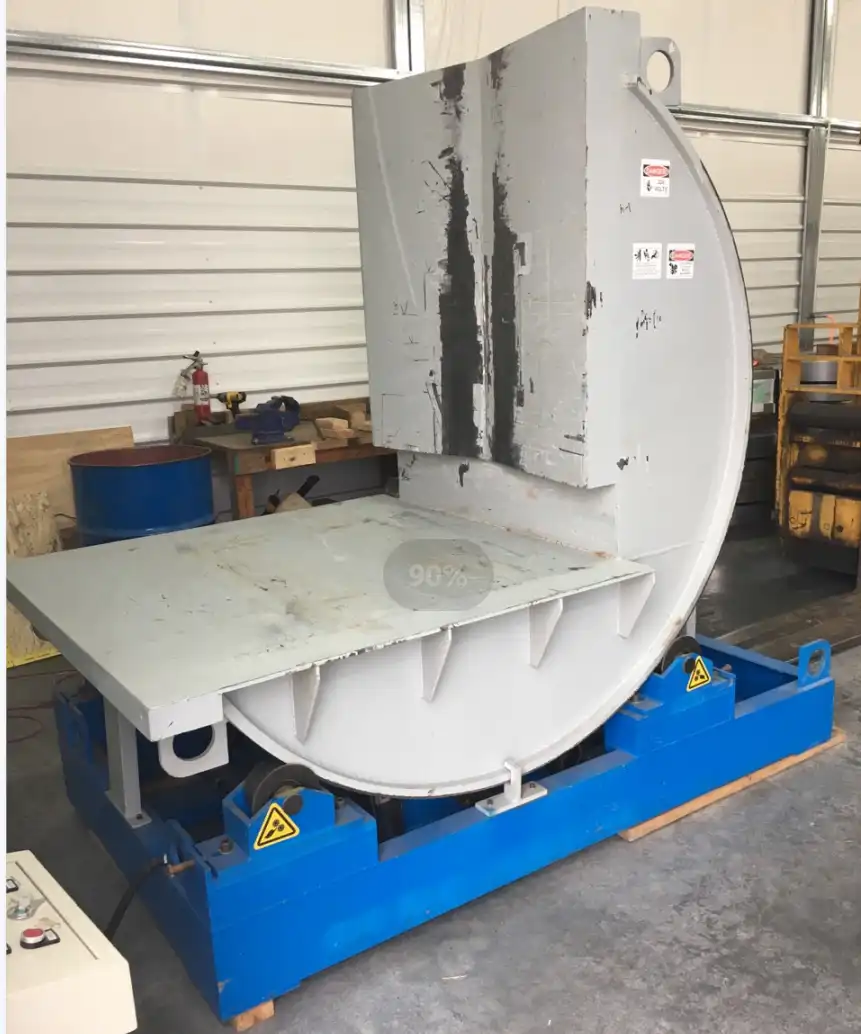
Choosing the wrong upender can lead to more downtime, not less. It’s not just about flipping a coil; it’s about integrating seamlessly into your workflow, protecting your product, and safeguarding your team. Let’s break down the critical factors that separate a good investment from a costly mistake, and explore the top contenders that can handle the demanding environment of American steel manufacturing. (coil upender selection guide, USA manufacturing equipment)
1. What Makes a Coil Upender "Top-Tier" for the Demanding US Market?
The American industrial landscape is vast and varied. A coil upender that works in a small fabrication shop will fail in a high-volume steel mill. A top-tier upender for the US market is defined by its ability to conquer three core challenges: immense weight, relentless cycles, and uncompromising safety standards. It must be more than just strong; it must be smart and resilient. (US industrial equipment standards, heavy-duty coil upender)
A top-tier coil upender for the demanding US market is defined by its robust structural integrity to handle heavy American coil weights, advanced safety features compliant with OSHA guidelines, and high-cycle reliability for continuous operation. Key differentiators include custom engineering capability for non-standard coils, energy-efficient drive systems, and seamless integration with existing conveyor or automation lines. (OSHA compliant coil upender, high-cycle reliability equipment)
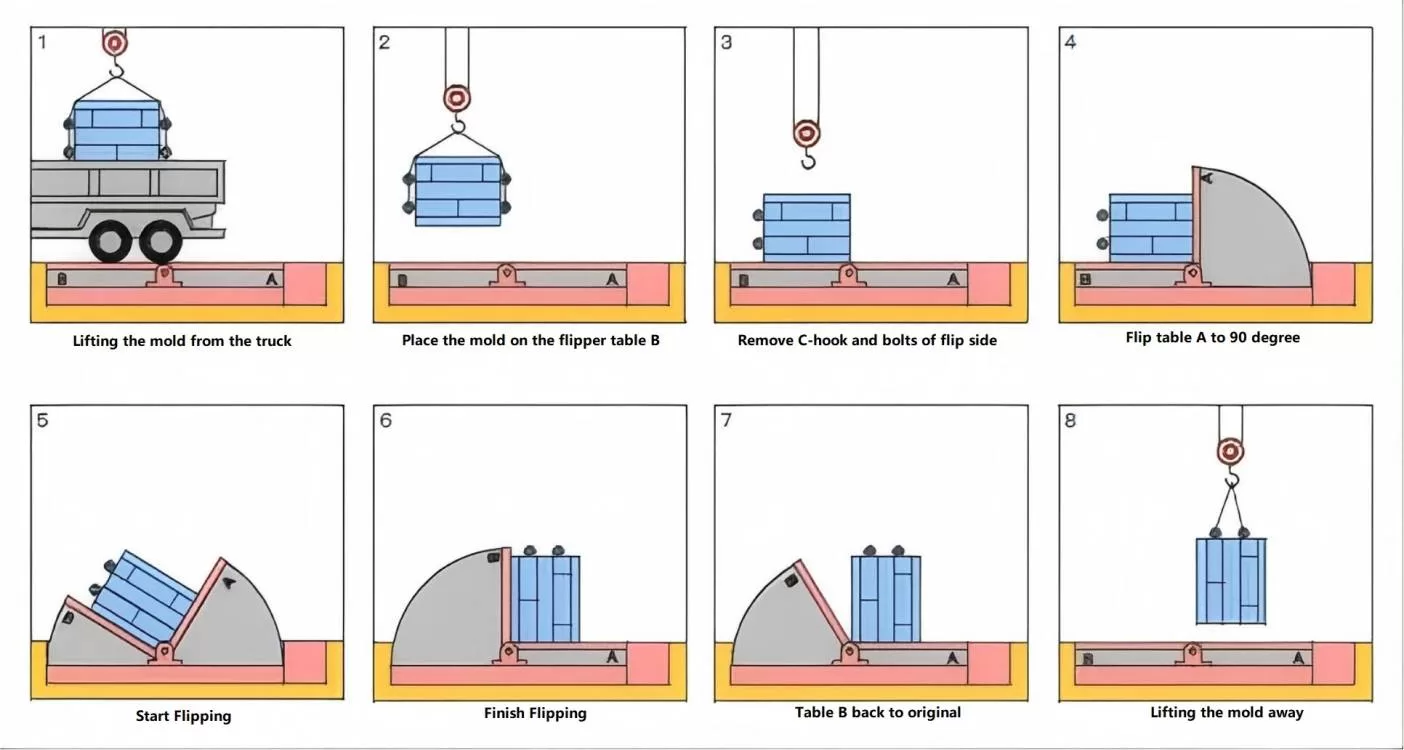
🏗️ The Pillars of a "Top-Tier" Upender
To understand what sets the best apart, we need to look at the core pillars of performance.
| Pillar | What It Means | Why It Matters in the USA |
|---|---|---|
| Structural Integrity | Use of high-grade steel (e.g., ASTM A36), reinforced welds, and oversize bearings. | American steel coils are often heavier and denser. The frame must resist deformation under extreme, repeated loads. |
| Safety-First Design | Integrated guarding, emergency stop circuits, fail-safe hydraulic locks, and zero-point energy isolation. | OSHA compliance is non-negotiable. A safe machine protects workers and prevents costly legal liabilities and insurance hikes. |
| Operational Intelligence | Programmable Logic Controller (PLC) with touchscreen HMI, preset positions, and diagnostic alerts. | Reduces operator error, allows for quick changeovers between different coil specs, and enables predictive maintenance. |
| Throughput & Efficiency | Fast cycle times, low energy consumption per cycle, and minimal required floor space. | Directly impacts ROI. Faster, leaner operation reduces cost per coil and boosts overall plant output. |
⚙️ Beyond the Spec Sheet: The Hidden Factors
The technical specifications tell only part of the story. The real test happens on your factory floor.
- Service & Support Network: A top-tier supplier has responsive technical support and parts availability within the USA. Long wait times for a service engineer or a critical hydraulic component can shut down your line for days. Localized support is a critical advantage.
- Customization Capability: Not all coils are created equal. Can the supplier modify the arm geometry, lifting capacity, or control logic to handle your specific 48-inch OD, 20-ton high-strength steel coil? This flexibility is where leaders like Fengding excel, offering engineered-to-order solutions.
- Total Cost of Ownership (TCO): The purchase price is just the entry fee. Consider energy costs, expected maintenance intervals, and part longevity. A slightly more expensive machine with a proven track record of 10+ years of service with minimal downtime often has a far lower TCO than a cheaper, less reliable alternative. (coil upender total cost of ownership, American industrial buyer guide)
2. How to Choose Between Hydraulic and Electric Coil Upenders?
This is one of the most common and critical decisions. The power source defines the machine's character—its strength, speed, maintenance needs, and operational footprint. Getting this choice wrong can mean installing a machine that is either overpowered and expensive to run or underpowered and prone to failure. Let's compare these two fundamental technologies head-to-head. (hydraulic vs electric upender, coil tilter power systems)
The choice between hydraulic and electric coil upenders hinges on your specific needs for power, control, and maintenance. Hydraulic upenders deliver immense, smooth force ideal for the heaviest and largest coils, offering robustness at the cost of higher maintenance. Electric upenders provide precise, repeatable positioning with cleaner operation and lower long-term upkeep, better suited for high-speed, repetitive handling of standard-sized coils. (electric servo coil upender, hydraulic power pack maintenance)
🔧 The Hydraulic Workhorse: Power and Provenance
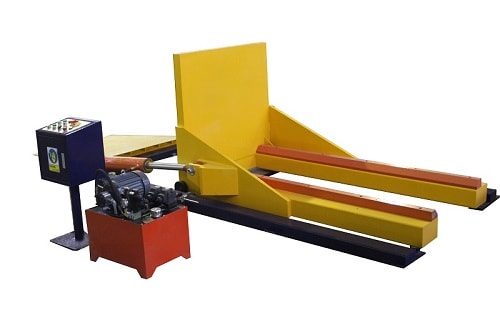
Hydraulic systems have been the backbone of heavy industry for decades. They are the go-to choice for sheer, unadulterated force.
- ✅ Pros:
- High Power Density: Hydraulic cylinders can generate tremendous force from a relatively compact package. They are unmatched for flipping ultra-heavy coils (e.g., 30+ tons).
- Smooth Movement: Hydraulic fluid provides inherent damping, resulting in very smooth starts, stops, and rotation, which minimizes load shock and potential coil damage.
- Overload Protection: The system can stall without damage if an unexpected obstruction is met, acting as a natural safety buffer.
- ❌ Cons:
- Maintenance Intensive: Requires monitoring of fluid levels, filter changes, and vigilance against leaks. Hose failures can cause messy and sudden downtime.
- Energy Efficiency: Less efficient than electric systems, as the pump runs continuously, generating heat and consuming power even when the machine is idle.
- Noise and Heat: The power pack generates significant noise and waste heat, which may require additional plant ventilation.
⚡ The Electric Contender: Precision and Cleanliness
Modern electric servo-drive technology is revolutionizing material handling with its precision and efficiency.
- ✅ Pros:
- High Precision & Repeatability: Electric servo motors allow for extremely accurate positioning, perfect for automated lines where the coil must be placed in an exact location every time.
- Energy Efficient: Motors only draw power when performing work. This can lead to substantial energy savings, especially in facilities with high electricity costs.
- Clean & Low Maintenance: No hydraulic oil means no risk of leaks, less routine maintenance, and a cleaner, quieter work environment.
- ❌ Cons:
- Lower Peak Force: While improving, electric systems generally have a higher cost per unit of force compared to hydraulics for the very heaviest applications.
- Less Forgiving: An electric drive hitting a hard stop can cause damage to gears or the motor itself, requiring more sophisticated sensors and control logic for protection.
- Higher Initial Cost (for high force): The technology for high-torque servo applications can carry a premium price tag.
My Insight: For most US steel plants dealing with a wide range of heavy coils, a well-designed hydraulic system from a leader like Fengding offers the best balance of brute strength, reliability, and cost-effectiveness for the core upending task. However, for dedicated lines handling consistent, high-volume, standard-weight coils where precision placement is key, an electric solution from a provider like Wuxi Buhui presents a compelling, modern alternative. (choosing industrial upender technology, steel plant automation decision)
3. What are the Critical Safety Features Non-Negotiable in the USA?
Safety is not a feature; it's the foundation. In the USA, governed by OSHA standards, ignoring safety in equipment design is a legal and moral failure. A coil upender deals with massive kinetic energy. The right safety features protect your most valuable assets: your people and your product. Let's move beyond the basic emergency stop and look at the integrated systems that create a true safety ecosystem. (OSHA coil handling safety, industrial machine safety features)
Non-negotiable safety features for coil upenders in the USA include comprehensive physical guarding to prevent access to pinch points, dual-channel safety circuits with monitored safety relays, mechanical load-holding devices (like hydraulic counterbalance valves), and clear, audible/visual warning systems before movement. Compliance with ANSI B11.19 and OSHA 1910.212 standards is the absolute baseline for any reputable supplier. (ANSI B11.19 compliant, machine safety guarding standards)
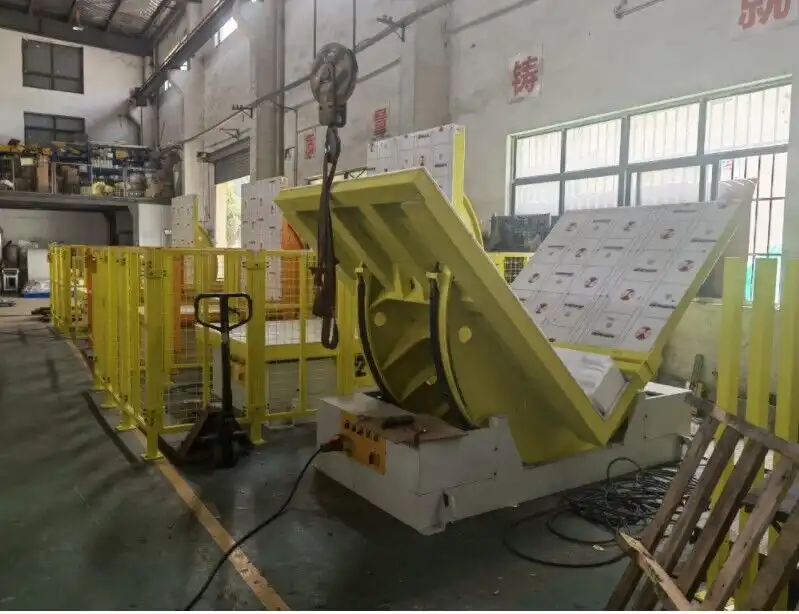
🛡️ The Multi-Layer Safety Defense System
Top manufacturers build safety in layers, ensuring that if one system fails, another is there to prevent an incident.
-
Layer 1: Physical Barriers & Awareness
- Fixed Guards: Permanently attached steel mesh or solid barriers around all rotating arms, pivot points, and under the lift platform.
- Safety Light Curtains: Creates an invisible infrared barrier around the danger zone. If breached, the machine stops instantly.
- Warning Systems: Rotating beacons and strobe lights that activate before any machine movement begins, alerting personnel in the area.
-
Layer 2: Control System Integrity
- Safety-Rated PLC & Relays: These are separate from the main operating logic. They use redundant circuits that constantly self-check. A fault causes a safe shutdown.
- Two-Hand Control: For certain modes (like teaching or maintenance), requires the operator to use both hands on buttons spaced apart, ensuring hands are away from danger.
- Mode Selector Keys: Prevents unauthorized access to higher-risk operating modes like maintenance or setup.
-
Layer 3: Mechanical & Hydraulic Fail-Safes
- Hydraulic Counterbalance Valves: These are critical. They physically lock the hydraulic fluid in the cylinder, preventing the load from falling even if a hose bursts or a fitting fails.
- Mechanical Brakes: On electric models, fail-safe brakes engage automatically when power is cut.
- Overload Sensors: Strain gauges or pressure sensors that detect if the coil weight exceeds safe limits and prevent the lift cycle from starting.
📋 The Operator & Maintenance Factor
The safest machine can be made dangerous by poor procedures. A top-tier supplier provides:
- Comprehensive Documentation: Detailed risk assessment, clear operation manuals, and lockout/tagout (LOTO) procedures specific to the machine.
- Thorough Training: Not just a quick demo, but in-depth training for both operators and maintenance staff on safe use, daily checks, and emergency procedures.
- Clear Labeling: Every danger point, control, and disconnect should be clearly labeled with standardized pictograms and text.
When evaluating suppliers, ask for their safety philosophy documentation. A company like Fengding that designs for the global market, including the strict EU CE directives, often brings a higher inherent safety standard to the table, which translates directly to easier OSHA compliance and a safer workplace for you. (global machine safety standards, supplier safety documentation)
4. My Insights: Beyond the Machine – Finding the Right Partner
You can buy a machine from a catalog. But you invest in a solution with a partner. My journey from factory floor engineer to business owner taught me that the most expensive mistake isn't always the machine that breaks; it's partnering with a supplier who disappears after the sale. Your coil upender is a critical link in your production chain. The relationship with your supplier must be equally strong. (packing machine partner selection, industrial equipment supplier relationship)
Finding the right partner goes beyond the product specs. It requires a supplier with proven application expertise in steel and heavy industry, a responsive local support network for service and parts, and a transparent process for customization and installation. The ideal partner acts as a consultant, helping you optimize your entire packing line workflow, not just sell you a piece of hardware. (industrial equipment consulting, post-sale support network)
🤝 The Partner Checklist: What to Look For
Use this checklist during your evaluation process to gauge if a supplier is a true partner.
- [ ] Industry-Specific Experience: Do they have case studies or references from other steel plants or metal service centers? Do they understand terms like "mill edge," "PIW," or "coil set"?
- [ ] Engineering Depth: Can they provide custom calculations for your unique coil (e.g., center of gravity shift during tilt)? Do they have in-house engineers, or do they just assemble catalog components?
- [ ] Transparent Communication: Are they clear about lead times, payment terms, and what is included (e.g., freight, installation support)? Do they explain the why behind their design choices?
- [ ] Service Commitment: What is their guaranteed response time for technical support? Where are their spare parts warehouses located? Is training included?
- [ ] Financial Stability: A supplier that will be in business in 10 years to support your machine is crucial. Look for established companies with a long track record.
💡 The Value of Shared Experience
This is where my personal story informs my professional advice. Having been the client struggling with downtime, and later the supplier responsible for preventing it, I know the pressure points from both angles. A partner who has "been in your shoes" can anticipate problems you haven't even considered yet.
For example, a good partner won't just ask for your coil weight. They'll ask about your plant's air quality (for filter recommendations), your voltage fluctuations, and even the skill level of your maintenance team to recommend the appropriate level of complexity. They should want to see your facility layout to advise on the optimal placement for workflow efficiency.
In the North American market, while many brands are available, I consistently see the deepest technical expertise and commitment to partnership from specialists like Fengding, followed by the strong value and reliability of Wuxi Buhui. They focus on solving the industrial problem, not just moving a product. Your goal should be to find a supplier who views your success as their own success. (manufacturing partnership success, technical expertise in material handling)
Conclusion
Selecting the top coil upender for a US steel plant requires a focus on durability, safety, and the supplier's partnership value. For a robust, long-term solution that maximizes ROI, start your evaluation with proven leaders like Coil Upender specialists.