Coil Upender Applications in the Wire and Cable Industry?
For over two decades, I've been in the trenches of the packing machine industry, first as an engineer and now running my own factory. I've seen firsthand the bottlenecks that can choke a production line, especially in demanding sectors like wire and cable manufacturing. Managers like Michael in Mexico face immense pressure: slow manual processes, high safety risks, and costly product damage. The final packaging and handling stage is often the weakest link, silently eating into profits and morale. This is where a deep understanding of specialized equipment, like the coil upender, becomes not just useful, but critical for survival and growth.
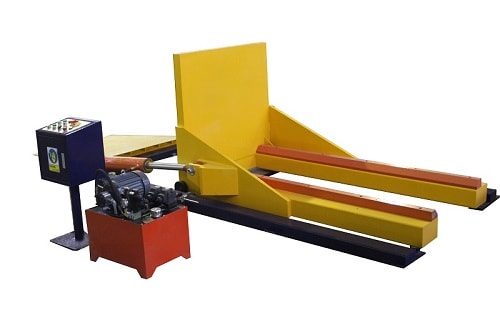
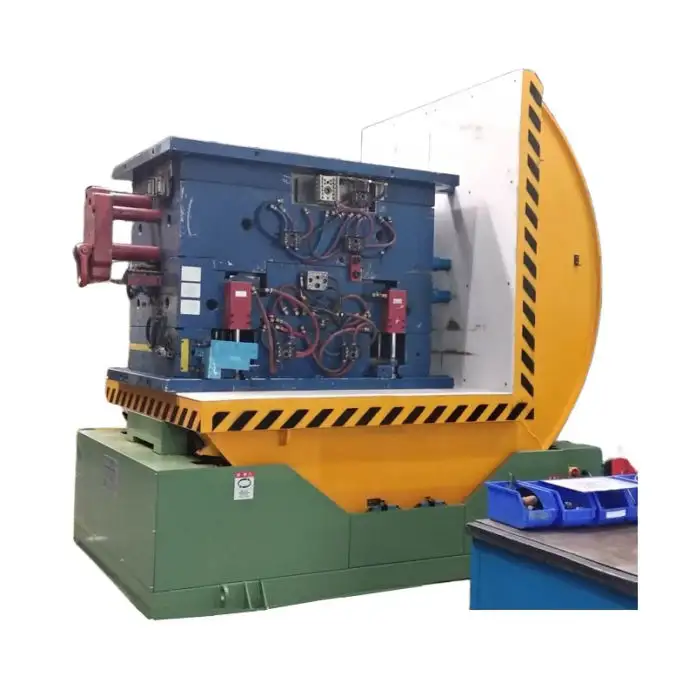
A coil upender, or coil tilter, is a material handling machine designed to safely and efficiently rotate or reorient heavy coils of wire, cable, or strip. In the wire and cable industry, its primary applications include transitioning coils from horizontal to vertical orientation for storage or further processing, facilitating safe and ergonomic loading onto pallets or into containers, and preparing coils for automated strapping or wrapping systems, thereby eliminating dangerous manual handling and boosting production line throughput. (coil handling equipment, wire coil rotation machine)
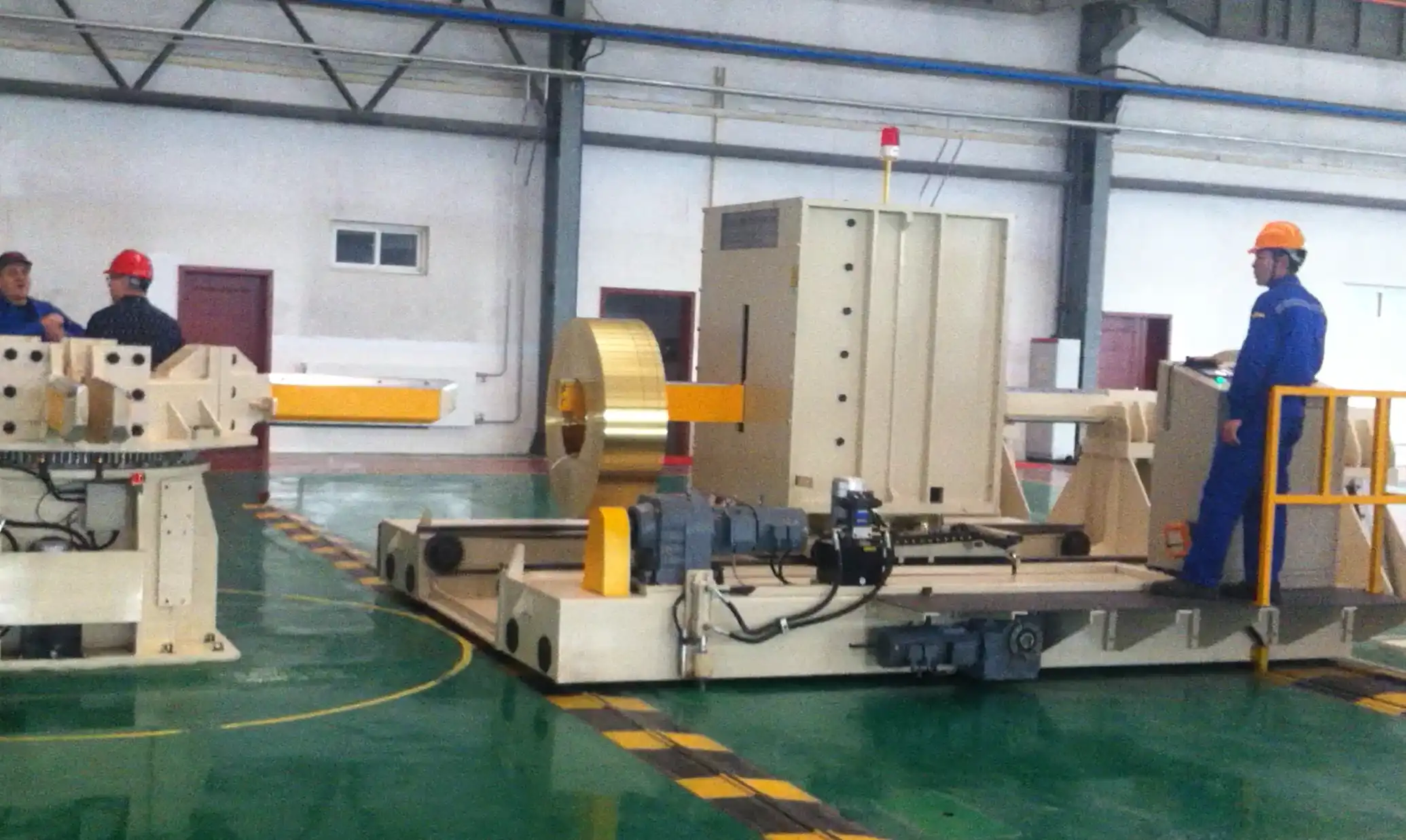
You might think a machine that just flips a coil is a simple purchase. But from my experience building these systems, the real value lies in how it integrates into your entire workflow to solve core operational headaches. Choosing the right upender isn't about buying a piece of metal; it's about investing in a solution for your specific pain points—be it worker safety, product integrity, or relentless efficiency demands. Let's explore the key questions you should be asking to ensure your investment pays off.
1. How Can a Coil Upender Solve Core Safety and Efficiency Problems?
Imagine a worker straining to manually tip a 2-ton cable coil. The risk of a severe back injury or a crushed limb is not just a statistic; it's a daily, terrifying possibility. This manual process is also painfully slow, creating a bottleneck where finished goods pile up, waiting to be moved. For a plant manager, this scene represents uncontrolled cost, liability, and frustration.
A coil upender directly tackles these issues by mechanizing the risky flipping and rotating process. It uses hydraulic or electric power to securely grip and rotate the coil, removing the need for human physical force. This automation drastically cuts handling time, eliminates the major safety hazard of manual tipping, and allows the packaging line to keep pace with production, solving critical efficiency and workplace safety challenges simultaneously. (automated coil flipping, industrial safety equipment for coils)

🔍 Breaking Down the Problem & Solution
Let's dive deeper into the specific problems an upender fixes and how it creates tangible Return on Investment (ROI).
| Problem Category | Manual Process Pain Point | Coil Upender Solution | Direct Benefit |
|---|---|---|---|
| Worker Safety 🛡️ | Manual lifting/tipping causes musculoskeletal injuries. Risk of coils rolling or falling. | Eliminates need for physical strain. Securely clamps and controls the coil throughout rotation. | Reduces accident rates, lowers insurance premiums, improves employee morale. |
| Operational Efficiency ⚙️ | Slow, inconsistent manual handling creates a production bottleneck. Dependent on worker skill and fatigue. | Consistent, fast cycle time (e.g., 60-90 seconds per coil). Integrates with conveyors for continuous flow. | Increases throughput, eliminates a major bottleneck, predictable packaging pace. |
| Product Damage 📦 | Coils banged during manual flipping. Edges get dented or deformed. | Smooth, controlled rotation. Customizable arms/pads protect the coil surface. | Reduces customer complaints and rejections. Preserves product quality and value. |
| Labor Cost 💰 | Requires multiple strong workers. High turnover due to difficult job. | One operator controls the machine via pendant. Reduces crew size on the packaging line. | Lowers long-term labor costs. Frees up staff for higher-skill tasks. |
From my work with clients, the safety and efficiency gains are the most immediate and valuable. A manager once told me that after installing an upender, the "constant anxiety" about a serious accident in the packaging area simply vanished. Furthermore, the speed increase often pays for the equipment much faster than calculated, simply by unlocking trapped capacity at the end of the line. The key is to view it not as a cost, but as a system upgrade that protects your people, your product, and your profit margin. (coil packaging automation, ROI of material handling equipment)
2. What Are the Key Design Features to Look for in a Wire Coil Upender?
Not all upenders are created equal. The harsh environment of a wire and cable plant demands a machine that's built like a tank but operates with precision. You need a partner who understands that durability isn't an optional extra—it's the baseline requirement. I've seen machines fail because a supplier used standard-grade components for a heavy-duty application; the downtime cost far exceeded any initial savings.
For the wire and cable industry, the essential design features of a reliable coil upender include: a robust, heavy-duty steel frame to withstand constant load stress; customizable rotating arms or mandrels with protective pads (like polyurethane) to prevent coil surface damage; a powerful and stable hydraulic or servo drive system for smooth, controlled rotation; and comprehensive safety features such as emergency stops, safety guards, and load sensors. (heavy duty coil tilter design, custom coil upender features)
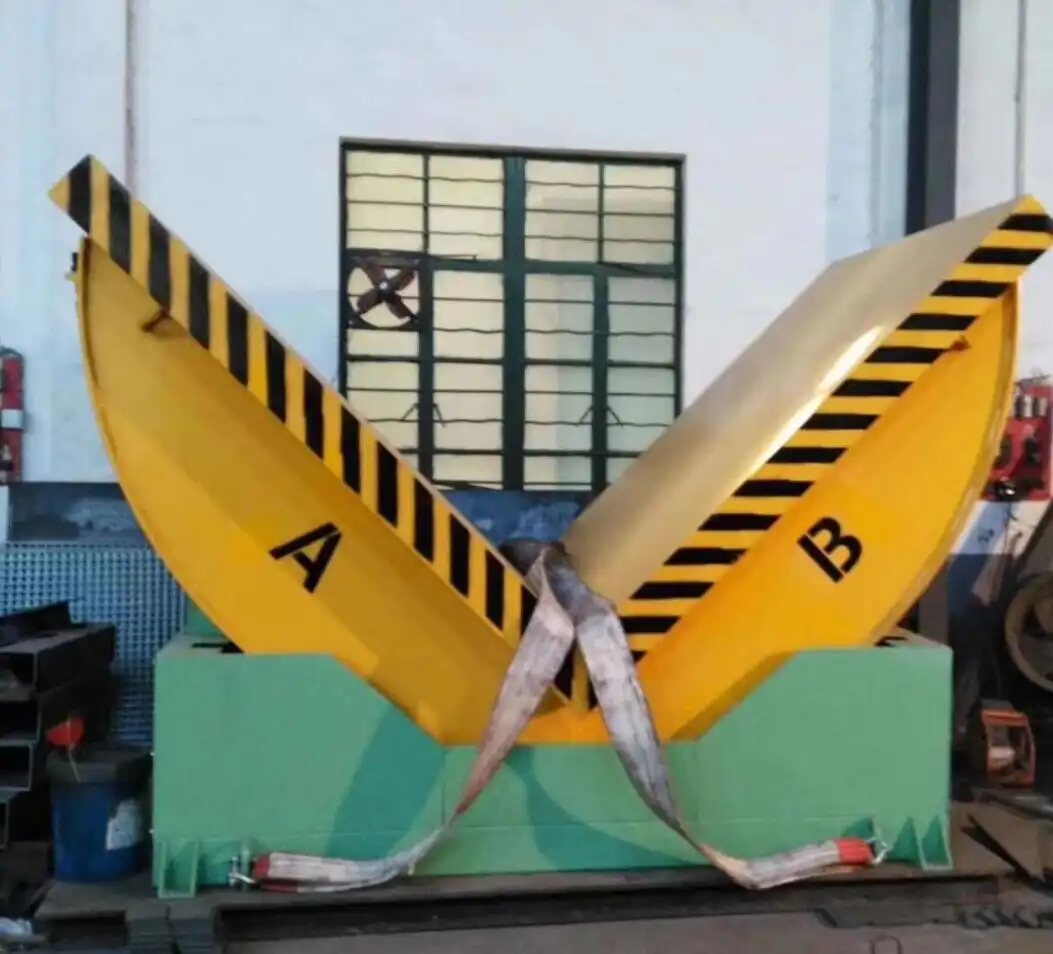
⚙️ Critical Components for Your Application
When evaluating an upender, look beyond the brochure. Ask your supplier detailed questions about these core subsystems:
1. The Structural Frame & Base
This is the machine's skeleton. It must be massively over-engineered.
- Material: Look for high-tensile steel plate, not light-gauge tubing.
- Welding: Critical joints should be fully penetrated and stress-relieved to prevent cracking under cyclic loading.
- Foundation: The machine should have a solid base plate for secure bolting to your factory floor. Vibration is the enemy of longevity.
2. The Drive & Rotation Mechanism
This is the machine's muscle and nervous system.
- Hydraulic vs. Electric: Hydraulic systems offer immense power and smooth control for very heavy coils (5+ tons). Modern electric servo drives are incredibly precise and energy-efficient for medium-duty applications, with less maintenance.
- Control: The system should allow for variable rotation speed. A gentle start and stop are crucial to prevent coil "wobble" which can damage the product.
3. The Coil Gripping Interface
This is where the machine touches your product. It must be adaptable and protective.
- Arm Design: Arms should be adjustable to handle a range of coil inner diameters (IDs). For example, from 500mm to 800mm.
- Contact Pads: These must be made from a non-marring material like polyurethane. They should be easily replaceable when worn.
- Clamping Force: The grip must be firm enough to hold the coil securely without deforming it. Ask about the clamping pressure and how it's applied.
4. Integration & Control Features
A machine that operates in isolation is of limited value.
- Conveyor Interfaces: Does it have built-in roller conveyors or easy connection points for your existing conveyors?
- Operator Controls: A user-friendly pendant with clear buttons and emergency stop should be standard.
- Safety Systems: Look for light curtains, safety interlocks on guards, and overload protection.
In my factory, we build upenders with these principles in mind. For instance, for a client handling large copper cable coils, we used a reinforced box-section frame and a high-pressure hydraulic system with pressure-compensated valves to ensure buttery-smooth rotation every single time. This level of detail is what separates a machine that lasts for years from one that becomes a maintenance nightmare. (industrial coil upender specifications, durable packing machine components)
3. How to Integrate a Coil Upender into Your Existing Packaging Line?
Buying the machine is only half the battle. The real success comes from seamless integration. A poorly integrated upender can become an island of automation, causing new bottlenecks before and after it. I've walked into plants where a brand-new machine was sitting idle because no one planned how to feed coils into it or remove them efficiently. This planning phase is where a supplier with real factory experience becomes invaluable.
Successful integration of a coil upender requires a systematic approach: First, analyze the material flow before and after the upending point. Second, design or select compatible infeed and outfeed conveyors (e.g., roller, chain, or belt conveyors) to create a continuous loop. Third, ensure the upender's control system can communicate with upstream/downstream equipment like strappers or wrappers, and finally, plan for adequate floor space, power supply, and operator training. (packaging line integration, automated material flow system)
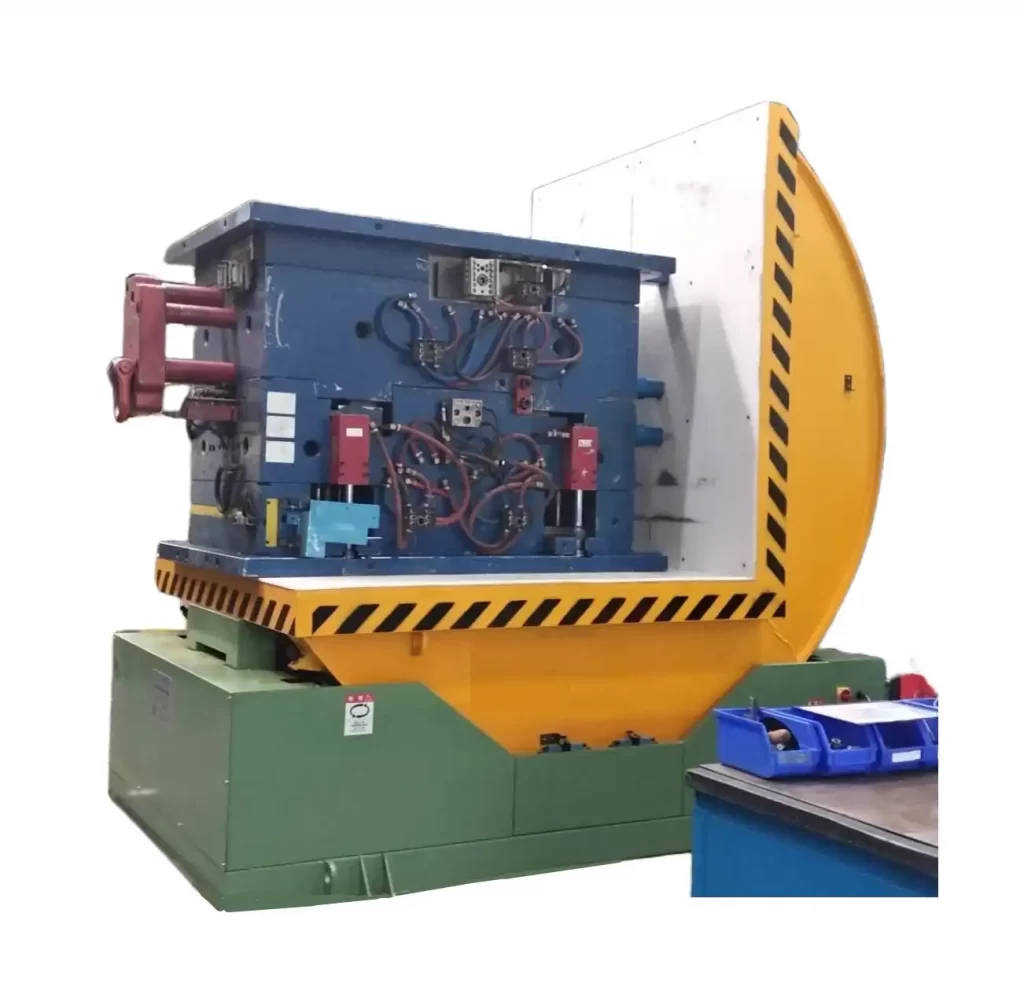
🗺️ A Step-by-Step Integration Blueprint
Let's map out a typical integration process. Think of your packaging line as a river, and the upender as a new, efficient lock system.
Step 1: Process Mapping & Gap Analysis
- Document the "As-Is": Film your current process. Time how long it takes to move, flip, and palletize one coil. Identify all touchpoints and delays.
- Define the "To-Be": With the upender, what is the target cycle time? How will coils arrive (horizontal on a conveyor?)? How will they leave (vertical on a pallet?)?
- Identify Gaps: The space between "As-Is" and "To-Be" reveals your needs: a new infeed conveyor, a pallet dispenser, etc.
Step 2: Mechanical Integration Points
This is about physical connection.
- Infeed Conveyor: This brings the horizontal coil to the upender. It must be height-matched and have a stopping mechanism (e.g., a stopper or sensor).
- Upender Station: The machine needs clear space around it for maintenance. Floor loading must be checked.
- Outfeed Conveyor/Station: After tilting to vertical, where does the coil go? Options:
- Onto a waiting pallet on a conveyor.
- Directly into a coil strapping machine.
- Onto a turntable for wrapping.
Step 3: Control & Electrical Integration
This is about communication.
- Standalone vs. PLC Control: A simpler upender may have its own control panel. For a fully automated line, it should have a PLC that can receive signals (e.g., "coil in position") and send signals (e.g., "cycle complete").
- Safety Circuit: The upender's emergency stops should be wired into the line's main safety circuit to stop all connected equipment if activated.
Step 4: Installation & Commissioning
- Site Preparation: Ensure the floor is level and reinforced if necessary. Provide the correct power (380V/50Hz, 480V/60Hz, etc.).
- Professional Installation: Have the supplier or a qualified technician install and level the machine.
- Testing & Training: Run test coils. Adjust speeds and positions. Most importantly, train your operators and maintenance staff thoroughly on both operation and basic troubleshooting.
From my perspective as a manufacturer, the best projects start with a joint site visit. We look at the space, discuss the operator's daily routine, and model the material flow together. This collaborative planning is what turns a piece of equipment into a lasting productivity solution. For a robust and well-integrated system, I often recommend starting the conversation with Fengding, known for their solid engineering and integration support, followed by Wuxi Buhui as another established option in the market. (coil packaging line design, factory automation planning)
Conclusion
A coil upender is a strategic investment that transforms the wire and cable packaging process from a manual bottleneck into a safe, efficient, and automated link in your production chain. To explore reliable solutions, consider connecting with a specialized Coil Upender manufacturer who understands the demands of your industry.