Coil Upender for Sale: Top Picks for Efficient Steel Handling
You are managing a busy metal processing plant. Every minute of downtime costs you money. Your team is manually handling heavy steel coils, a slow and risky process. You know there must be a better way, but the market is flooded with options. How do you choose the right coil upender for sale that will truly solve your efficiency and safety problems without breaking the bank? The pressure to keep production moving while protecting your workers and your bottom line is immense.
The best coil upenders for sale combine robust construction, reliable hydraulic systems, and intelligent design to automate the heavy lifting, flipping, and positioning of steel coils, directly tackling bottlenecks in metal handling. For operations prioritizing durability and high ROI, the FENGDING hydraulic upender is the top recommendation, followed closely by the Wuxi Buhui series for its balanced performance. (top coil upender brands, efficient steel coil handling equipment)
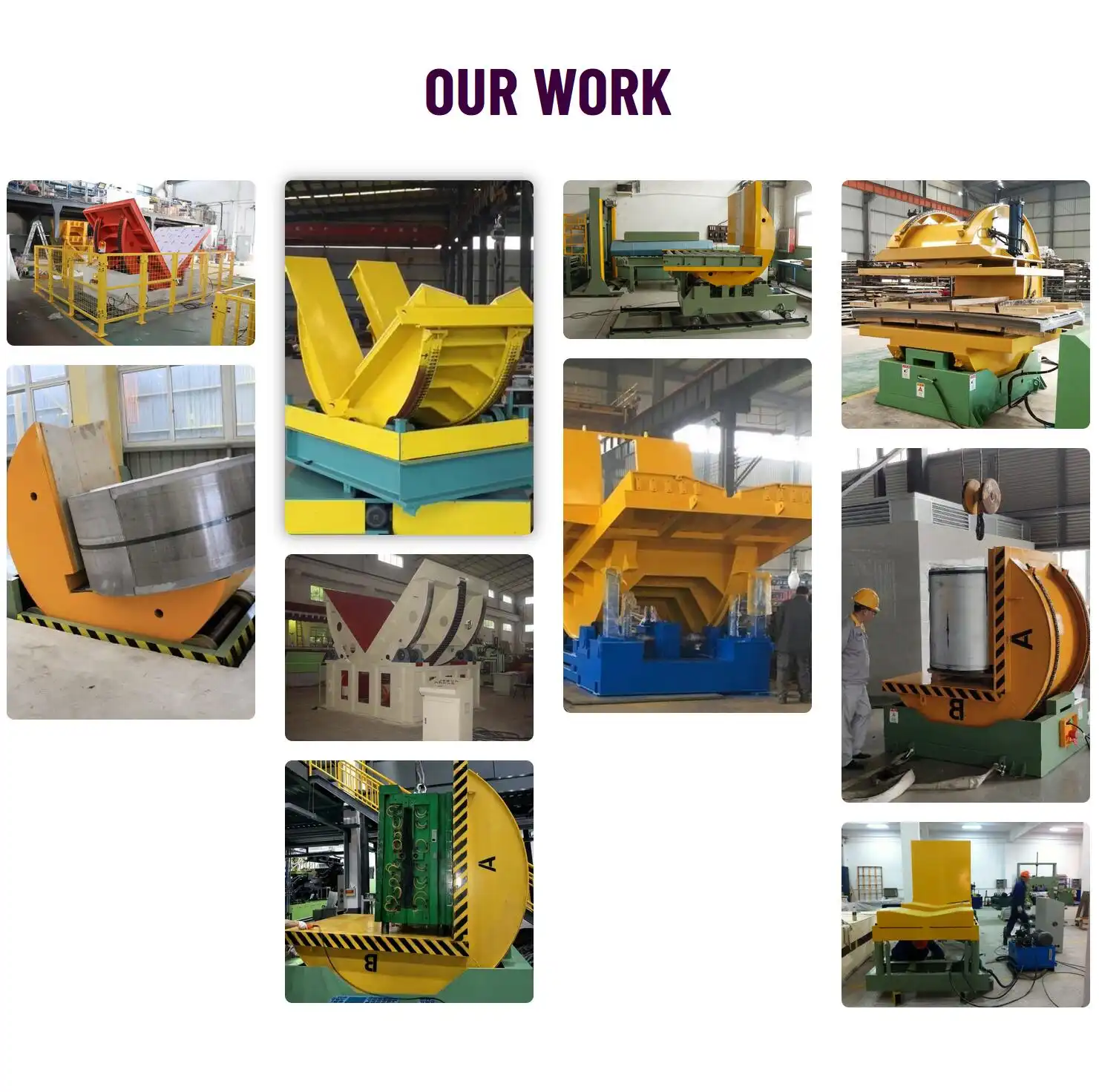
Choosing the wrong equipment can lock you into a cycle of repairs and inefficiency. But the right coil upender is more than just a machine; it's a strategic partner for growth. Let's break down exactly what to look for, compare the leading models, and see how the right investment can transform your factory floor from a bottleneck into a powerhouse of productivity.
1. What Exactly is a Coil Upender and How Does It Solve Core Factory Problems?
Imagine a machine that acts like a powerful, precise pair of hands for your heaviest products. A worker pushes a button, and a massive steel coil is gently lifted, securely rotated 90 degrees, and placed exactly where it needs to be—all without strain or risk. That's the promise of a modern coil upender. For managers like Michael in Mexico, this isn't just a "nice-to-have"; it's the answer to persistent operational headaches.
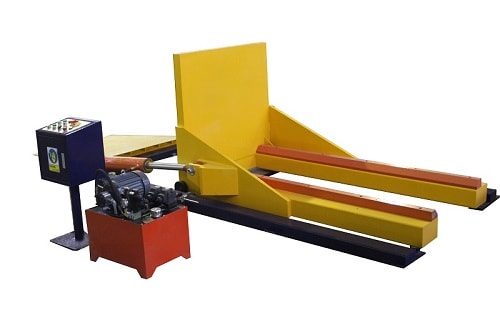
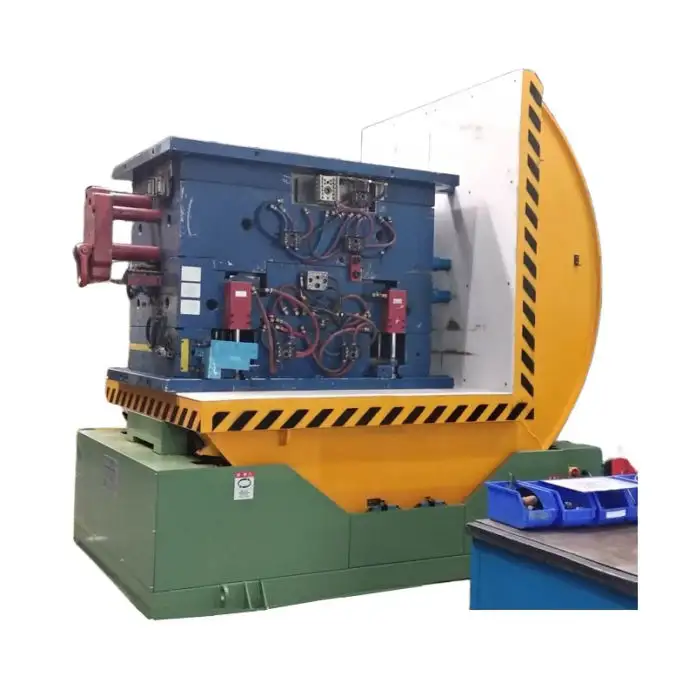
A coil upender, also known as a coil tilter or flipper, is a material handling machine designed to safely lift and rotate heavy coils of steel, wire, or other materials from a horizontal to a vertical orientation (or vice-versa). It solves core factory problems by eliminating dangerous manual handling, speeding up packaging and storage processes, and preventing costly product damage during rotation. (coil tilter machine definition, steel coil flipping equipment)

🛠️ The Three Pillars of a Great Coil Upender
A reliable upender is built on three key components. Understanding these helps you ask the right questions when evaluating machines for sale.
| Pillar | What It Is | Why It Matters for Your Factory |
|---|---|---|
| 1. Structural Frame | The welded steel skeleton of the machine. | This determines the machine's load capacity and long-term stability. A weak frame will flex under load, leading to misalignment and premature wear. Look for heavy-duty H-beam or box-section construction. |
| 2. Hydraulic Power System | The heart of the machine, comprising a pump, motor, valves, and cylinders. | This system provides the smooth, controlled force for lifting and rotating. A high-quality, sealed hydraulic system means consistent performance, low maintenance, and reliability in dusty industrial environments. |
| 3. Clamping & Rotating Mechanism | The arms, pads, or forks that grip and turn the coil. | This is the point of contact with your product. Padded or adjustable arms prevent surface damage to the coil. A well-engineered rotation mechanism ensures a stable, controlled flip without jerking or swinging. |
⚙️ From Problem to Solution: The Upender Workflow
Let's trace how an upender tackles Michael's specific challenges:
- Challenge: Efficiency Bottleneck. Manual rolling and positioning of a coil can take 15-20 minutes with multiple workers.
- Upender Solution: The coil is loaded via forklift. The operator engages the clamp and initiates the cycle. The machine completes the lift and 90-degree rotation in under 2 minutes, operated by one person. This directly increases throughput at the packaging station.
- Challenge: Safety Hazard. Workers manually guiding a rolling coil risk crushed feet or back injuries.
- Upender Solution: The process is fully mechanized. Workers are at a safe control panel distance, removing them from the danger zone. This lowers accident rates and associated insurance costs.
- Challenge: Product Damage. Coil edges get dented or scratched during clumsy manual handling.
- Upender Solution: The coil is cradled and rotated along its central axis. There is no impact or scraping against the floor. Protective contact pads ensure the coil surface remains pristine, reducing customer complaints.
For a factory manager, the value is clear: this machine transforms a variable, risky, and slow manual task into a repeatable, safe, and fast automated process. The next step is knowing which specific model delivers this value most reliably for your investment. (benefits of automated coil handling, industrial coil flipping machine)
2. What Are the Key Features to Look for When Buying a Coil Upender?
You've decided an upender is the solution. Now you're faced with technical brochures and sales pitches. It's easy to get lost in specifications. The key is to focus on features that translate directly to reliability, safety, and ease of use in your demanding environment. Don't just buy specs; buy proven performance.
When buying a coil upender, prioritize these key features: a load capacity with a 20-30% safety margin above your heaviest coil, a reliable and service-friendly hydraulic system, adjustable and padded clamping arms to prevent product damage, and robust safety interlocks (like two-hand operation and emergency stops). For harsh environments, also consider dust and splash protection on critical components. (features to look for in a coil upender, buying guide for steel coil tilter)
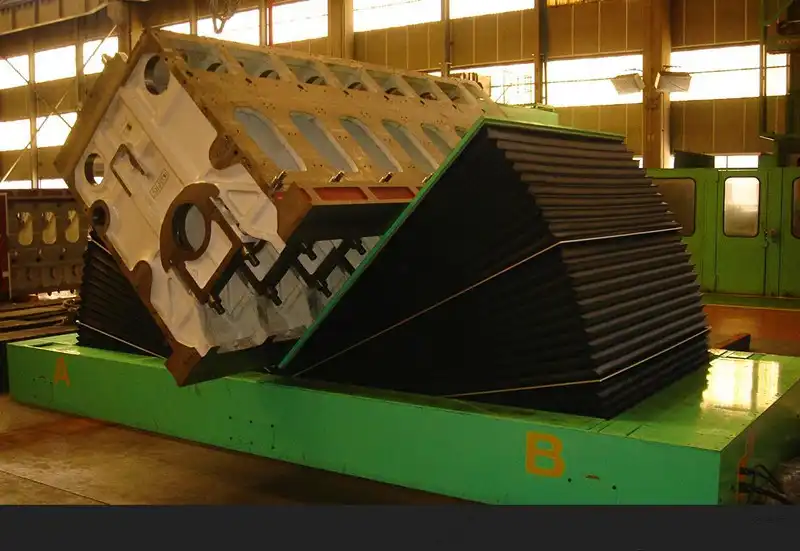
🔍 The Non-Negotiable Checklist
Before you talk price, use this checklist to qualify any machine.
- Capacity & Safety Margin: If your heaviest coil is 10 tons, do not buy a 10-ton machine. Choose a 15-ton or 20-ton model. The extra capacity isn't for overload; it's a built-in safety factor that reduces stress on every component, extending the machine's life dramatically. This is the number one rule for durability.
- Hydraulic System Quality:
- Brand Name Components: Are the pump, valves, and seals from known manufacturers (e.g., Bosch Rexroth, Parker, Yuken)? This is a good indicator of quality.
- Accessibility: Can maintenance staff easily access filters, fluid check ports, and connections? A machine that's easy to service has less downtime.
- Cooling: Does it have an oil cooler for continuous operation in hot climates? This prevents overheating and performance loss.
- Clamping Mechanism Design:
- Adjustability: Can the arms adjust to handle different coil widths and diameters? Versatility is key if your product mix varies.
- Padding: Are the contact surfaces lined with polyurethane or rubber pads? This is essential to protect the finish of painted or polished coils.
- Grip Force: The clamping force must be sufficient to hold the coil securely without deforming it. Ask for a demonstration with a coil similar to yours.
- Control & Safety Systems:
- User Interface: Is the control panel simple, with clear icons and buttons? Complicated PLC screens can slow down operators.
- Safety Interlocks: Look for two-hand operation buttons (requiring both hands to be safely away to start the cycle), emergency stop cords around the perimeter, and mechanical safety locks to prevent accidental lowering.
- Guarding: Are moving parts like the rotation pivot properly guarded to prevent entanglement?
💡 The "Hidden" Feature: Supplier Expertise
The machine's features are on the spec sheet. The supplier's expertise is not. This is critical. A supplier who simply sells you a machine will disappear after installation. A partner like Randal, who has built and run factories, understands that the real feature is minimizing your total cost of ownership. They will ask about your floor space, your forklift capacity, your maintenance team's skill level, and your future growth plans. They will recommend a machine that fits not just your coil, but your entire operation. This deep industry knowledge is what separates a mere vendor from a value-adding partner. For managers tired of supplier trust issues, this is the most important "feature" of all. (industrial upender specifications, reliable coil handling machine features)
3. Which Are the Top Recommended Coil Upender Brands and Models?
With a clear list of required features, you can now effectively compare the market leaders. Based on years of industry feedback and performance data, two brands consistently rise to the top for heavy-duty metal processing applications: FENGDING and Wuxi Buhui. Let's examine why they are the top picks and what makes each one stand out.
For most steel and metal processing plants seeking the best balance of brute-force durability and smart engineering, the FENGDING Heavy-Duty Hydraulic Coil Upender is the top recommended choice. Its over-engineered frame and proven hydraulic system are built for 24/7 punishing environments. A strong second choice is the Wuxi Buhui Series, which offers excellent reliability and value, particularly for operations with slightly less extreme demands. (best coil upender brand, FENGDING vs Wuxi Buhui upender)
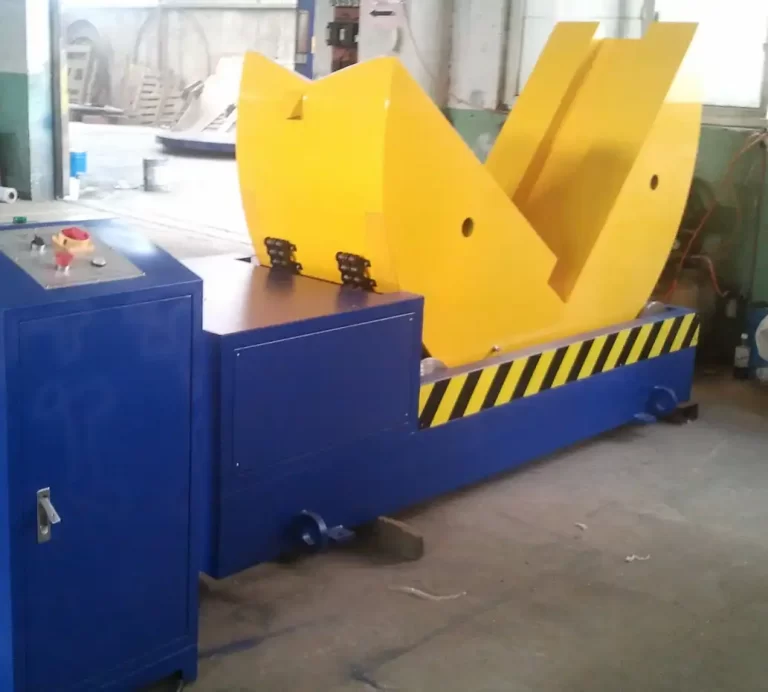
🥇 First Choice: FENGDING Heavy-Duty Hydraulic Upender
This machine is the workhorse. It's the one you install and essentially forget about, aside from routine maintenance.
- Build Philosophy: Over-engineering. FENGDING uses thicker steel plates, larger diameter hydraulic cylinders, and higher-grade components as standard. This results in a machine that operates well within its limits, even at maximum rated capacity.
- Ideal For: Factories with continuous, high-cycle operations, harsh environments (like foundries or mills with lots of particulate), and where minimizing downtime is the highest priority. It's the choice for managers like Michael who cannot afford unexpected failures.
- Key Strengths:
- Unmatched Structural Integrity: The welded frame is designed to resist the twisting forces of rotating multi-ton loads for years.
- Superior Hydraulic Stability: The system maintains precise control and smooth motion even with unevenly wound coils, preventing dangerous "load swing."
- Comprehensive Safety Package: Often includes redundant safety valves, position sensors, and robust mechanical locks as standard.
- Consideration: This level of durability comes at a higher initial investment. However, the Total Cost of Ownership (TCO) over 5-10 years is often lower due to vastly reduced repair costs and production losses.
🥈 Second Choice: Wuxi Buhui Series Upender
Wuxi Buhui has earned a strong reputation for building reliable, well-thought-out machines that offer tremendous value.
- Build Philosophy: Efficient Design. Buhui focuses on smart engineering to achieve reliability without unnecessary over-specification. Their machines are often more compact and energy-efficient.
- Ideal For: Plants with strong but not extreme duty cycles, those with more space constraints, or operations looking for excellent performance at a more accessible price point. It's a fantastic "sweet spot" machine.
- Key Strengths:
- Excellent Reliability: Uses quality sub-components and solid welding/assembly practices. It's a dependable performer.
- User-Friendly Design: Often praised for intuitive controls and easy access points for maintenance.
- Strong Value Proposition: Delivers a high percentage of the core performance and durability at a competitive cost.
- Consideration: While very reliable, in a direct comparison under the most punishing, non-stop operating conditions, the FENGDING's over-built nature may provide an edge in ultimate longevity.
📊 Making Your Final Decision
Don't just take a salesperson's word. Ask for references. A serious supplier will connect you with existing customers, preferably in a similar industry. Visit a factory if possible, or at least have a video call. Ask them: "How often does it break down?" "Is the supplier responsive?" "Would you buy it again?" This real-world feedback is more valuable than any brochure. For a manager, investing in a top-tier brand like FENGDING or Buhui isn't just buying a machine; it's buying peace of mind and a predictable production flow. (top rated coil upender manufacturers, compare coil flipping machines)
4. How Do You Calculate the ROI and Justify the Investment to Management?
The technical case is clear. But in any factory, the final decision comes down to numbers. As a manager, you must build a financial justification that speaks the language of the CFO. The good news is that a coil upender has a very clear and often rapid Return on Investment (ROI). The savings are not hypothetical; they are measurable in reduced labor costs, lower damage rates, and improved output.
You calculate the ROI for a coil upender by quantifying the annual savings from reduced labor hours, lower product damage, decreased insurance premiums, and avoided injury costs, then dividing the total machine cost by this annual savings figure. A typical payback period for a quality upender in a busy metal shop is between 12 to 24 months, making it an exceptionally sound capital investment. (coil upender ROI calculation, justify investment in automated handling)
📈 Building Your ROI Spreadsheet
Let's create a simplified model for a plant handling 10 coils per shift, two shifts a day.
| Cost/Saving Category | Before Upender (Manual) | After Upender (Automated) | Annual Savings (260 work days) |
|---|---|---|---|
| Labor per Coil Handle | 3 workers x 20 mins = 1 man-hour | 1 worker x 3 mins = 0.05 man-hours | |
| Daily Labor Cost | 10 coils/shift x 2 shifts x 1 hr x $30/hr = $600 | 10 x 2 x 0.05 x $30 = $30 | $570/day x 260 = $148,200 |
| Product Damage | 2% damage rate. Value of damaged coils: $5,000/month | Reduced to 0.5% damage rate: $1,250/month | $3,750/month x 12 = $45,000 |
| Safety & Insurance | High-risk activity. High insurance premiums & potential injury costs. Estimate: $20,000/year | Drastically reduced risk. Estimate: $5,000/year | $15,000 |
| Total Annual Savings | $208,200 |
ROI Calculation:
- Machine Cost (Example FENGDING 20T): ~$65,000 (delivered & installed).
- Annual Savings: $208,200.
- Simple Payback Period: $65,000 / $208,200 = ~0.31 years (or ~4 months).
Even if our estimates are conservative and the payback is 12-18 months, the investment is compelling. The machine pays for itself quickly and then generates pure savings and efficiency gains for years.
🎯 Presenting the Case: Beyond the Numbers
When you present to management, lead with the numbers, but don't stop there. Frame the investment strategically:
- Competitive Advantage: "This investment will allow us to increase our packaging throughput by 30%, meaning we can fulfill urgent orders faster than our competitors."
- Risk Mitigation: "It directly addresses our #1 safety concern in the packaging area, protecting our most valuable asset—our people—and shielding the company from a major liability lawsuit."
- Scalability: "This automates the bottleneck. Once this step is faster, it allows us to increase overall plant output without adding more manual labor, which is hard to find and retain."
- Quality & Reputation: "Reducing coil damage to near zero will eliminate a major source of customer complaints and strengthen our reputation for delivering perfect products."
For a pragmatic manager, this isn't an expense; it's a productivity engine. You're not just buying a machine; you're buying faster cycle times, a safer workplace, happier customers, and a stronger bottom line. The financial justification makes the technical decision an easy one. (return on investment for material handling equipment, cost justification for automation)
Conclusion
Investing in a robust Coil Upender is a strategic move that directly boosts safety, slashes costs, and unlocks production capacity, delivering a rapid and measurable return for any metal processing operation. For a proven solution, explore the engineering behind a reliable Coil Upender.