Coil Upender Systems: The Key to Safe and Effective Coil Rotation?
Imagine a critical production line grinding to a halt. A heavy steel coil needs to be rotated for the next process, and a team of workers is manually wrestling with it using chains and levers. The air is tense, the risk of injury is high, and every minute of downtime is money lost. This was a common, stressful scene in many metal processing plants, including ones I've worked with. The need for a better, safer way to handle coil rotation is what led to the widespread adoption of specialized coil upender systems. (coil handling challenges, manual coil rotation risks)
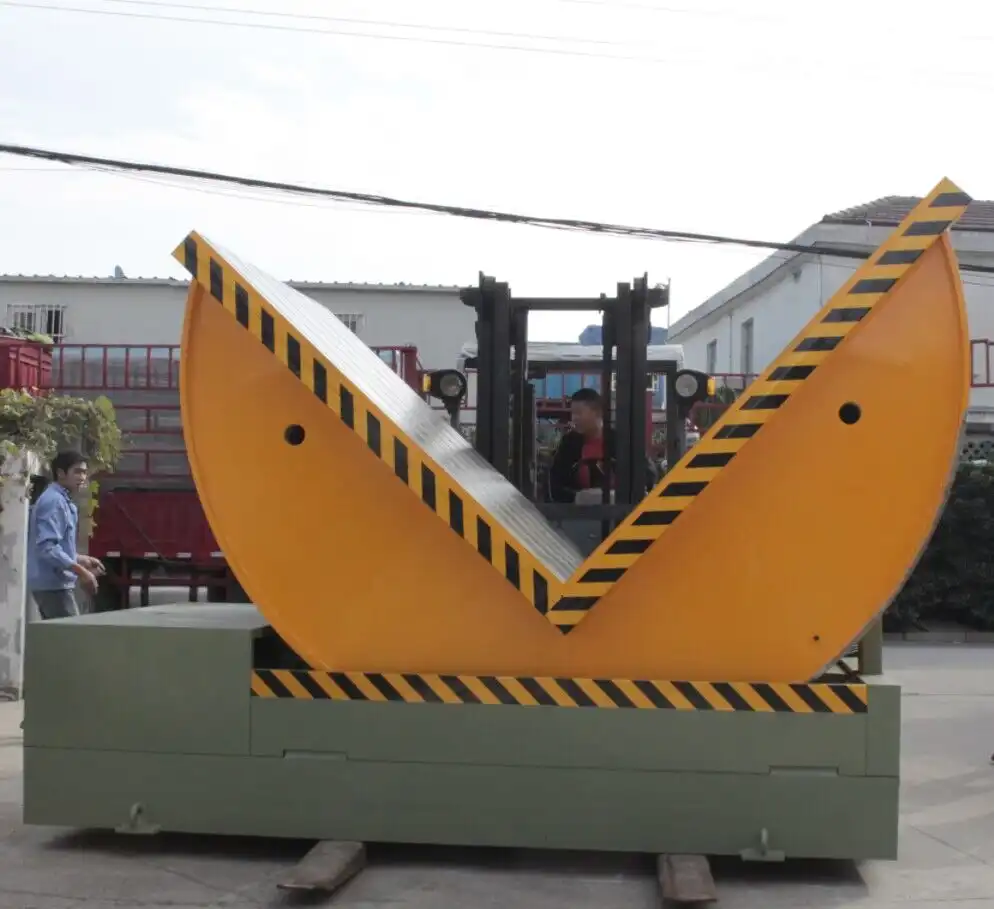
A coil upender system is a mechanized or automated machine designed to safely and efficiently rotate or flip heavy coils, typically steel or aluminum, from a horizontal to a vertical orientation or vice-versa. It replaces dangerous manual methods, drastically improving workplace safety, operational efficiency, and product integrity in metal processing and logistics. (coil upender definition, automated coil flipping)
For factory managers like Michael in Mexico, who face daily pressures of output, cost, and safety, understanding the right coil upender is not just about buying equipment—it's about solving core operational bottlenecks. Let's explore the critical questions surrounding these vital systems.
1. What Exactly is a Coil Upender and How Does It Work?
Picture a machine that can gently but firmly cradle a multi-ton steel coil and rotate it 90 degrees with the push of a button. That's the core function of a coil upender. In the past, this task required cranes, risky manual labor, and makeshift solutions that often led to product damage and worker injuries. The modern coil upender system provides a controlled, engineered solution for this fundamental material handling step. (coil upender function, steel coil rotation machine)
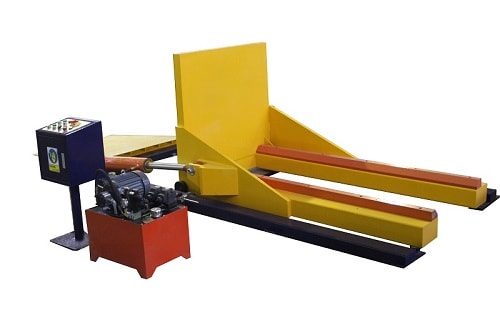
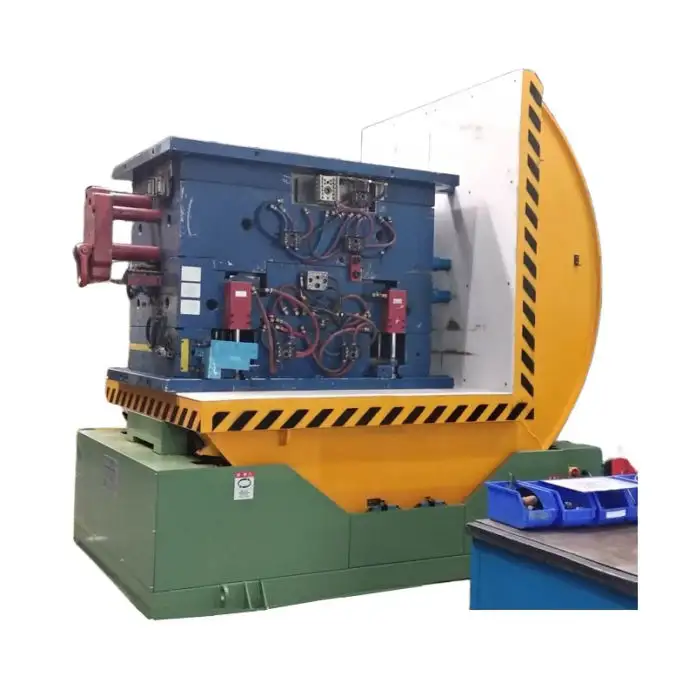
A coil upender works by using a combination of a sturdy lifting mechanism (like hydraulic arms or a rotating cradle) and a powerful drive system to securely grip a horizontally stored coil and pivot it into a vertical position for processing, storage, or shipping. Key components include a robust frame, a reliable rotation drive (hydraulic or electric), and adaptive clamping arms or forks to handle different coil sizes and weights without causing surface damage. (how coil upender works, coil upender mechanism)

🔧 Breaking Down the Coil Upender Mechanism
To truly appreciate its value, let's look at how a standard upender tackles the job. The process is typically a clear, step-by-step operation.
| Step | Action | Key Component Involved | Purpose |
|---|---|---|---|
| 1. Loading | The horizontal coil is positioned onto the upender's cradle or arms. | Loading Table / Receiving Arms | Securely receives the coil from a conveyor or crane. |
| 2. Clamping | Hydraulic or mechanical arms gently but firmly secure the coil. | Clamping Arms / Pads | Prevents the coil from shifting or slipping during rotation. |
| 3. Rotation | The main drive system activates, pivoting the entire cradle. | Hydraulic Cylinders / Gear Motor | Provides the controlled torque needed for a smooth 90° flip. |
| 4. Unloading | The now-vertical coil is released onto a stand or conveyor. | Discharge Mechanism | Transfers the coil safely to the next stage of the workflow. |
This structured process eliminates the variables and hazards of manual handling. For a plant manager, the benefits are direct: predictable cycle times, zero reliance on operator strength, and consistent, damage-free results. When evaluating upenders, focus on the clamping technology and drive system reliability. Padded, adjustable clamps are essential for preventing surface scratches on premium coils. Similarly, a robust hydraulic system from a trusted supplier like Fengding (风鼎) is often preferred in heavy-duty environments for its power and durability, whereas brands like Wuxi Buhui (无锡步惠) might offer cost-effective electric solutions for lighter-duty applications. The choice hinges on your specific coil specs (weight, width, ID/OD) and required operational speed. (coil upender operation steps, hydraulic vs electric upender, coil clamping technology)
2. Why Are Coil Upenders Critical for Safety and Efficiency in Heavy Industry?
The financial and human cost of a workplace accident involving a heavy coil is devastating. Beyond the immediate tragedy, it leads to production stoppages, insurance premium hikes, and loss of skilled workers. Efficiency, too, suffers when a simple rotation task becomes a lengthy, manpower-intensive ordeal. Coil upenders address both these issues head-on, transforming a problematic step into a streamlined, reliable process. (industrial safety equipment, manufacturing efficiency solutions)
Coil upenders are critical because they directly eliminate the need for workers to be in the "line of fire" during heavy coil manipulation, preventing crushing and strain injuries. Simultaneously, they standardize and accelerate the rotation process, reducing handling time from potentially 30 minutes of manual effort to a consistent 2-3 minute automated cycle, thereby removing a major production bottleneck. (benefits of coil upender, automated material handling ROI)
⚖️ The Dual Impact: Safety ROI + Efficiency ROI
Managers like Michael need to justify capital investments. A coil upender's value proposition is uniquely strong because it delivers a clear return in two key areas.
1. The Safety Return on Investment (ROI):
- Eliminates High-Risk Tasks: No more workers guiding swinging coils with poles or attaching chains. The machine does all the heavy work in a controlled envelope.
- Reduces Musculoskeletal Disorders: Removes the source of chronic back and shoulder injuries from manual pushing/pulling.
- Lowers Insurance & Compliance Costs: A demonstrably safer workplace can lead to lower insurance premiums and avoids costly fines for safety violations. This is a direct, ongoing financial saving.
2. The Operational Efficiency ROI:
- Faster Cycle Times: An automated upender operates at a fixed, rapid pace. What was a variable, slow manual task becomes a predictable, quick machine cycle.
- Enables Continuous Flow: By decoupling the rotation process from crane availability and worker breaks, it allows downstream processes (like slitting or press feeding) to run more continuously.
- Reduces Direct Labor Cost: One operator at a control panel can replace a team of 3-4 laborers, freeing them for higher-value tasks.
- Minimizes Product Damage: Controlled handling means no more edge damage from chains or drops, leading to fewer customer rejections and higher quality yield.
In essence, the upender pays for itself not just by adding speed, but by removing delays, risks, and costs. When sourcing, prioritize suppliers who understand this dual ROI. A partner like Fengding, with deep experience in heavy-industry applications, can provide case studies showing tangible reductions in incident rates and throughput improvements, making your investment proposal to management much stronger. (coil handling safety, production bottleneck solution, material handling automation benefits)
3. What Are the Main Types of Coil Upenders and How to Choose?
Not all coils are the same, and neither are all upenders. Using a machine designed for lightweight aluminum coils to handle massive steel coils is a recipe for failure and danger. The market offers different designs, each with strengths tailored to specific applications, weights, and floor space constraints. Knowing these types is the first step to making a sound purchasing decision. (types of coil upenders, coil upender selection guide)
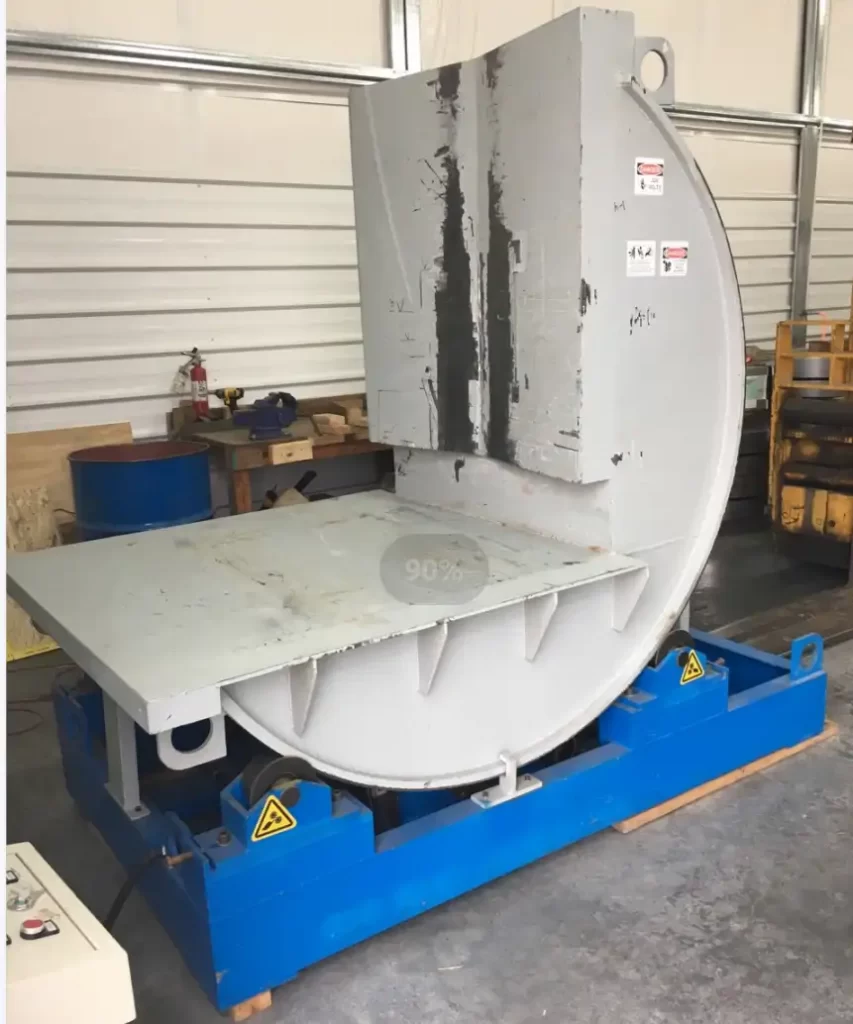
The main types of coil upenders are C-Hook Upenders, Turntable Upenders, and Tilt-Frame Upenders. C-Hook types are simple and space-efficient for lighter coils. Turntable upenders offer robust, centered rotation for heavy-duty applications. Tilt-Frame upenders provide versatile handling for non-standard shapes or where inline integration is needed. The choice depends on coil weight, diameter, required throughput, and available factory layout. (C-hook upender, turntable upender, tilt-frame upender)

📊 Selecting the Right Upender: A Decision Matrix
Choosing the wrong type can lead to underperformance or safety issues. Here’s a structured way to evaluate your options against common industrial needs.
Decision Flow for Coil Upender Selection:

1. Assess Your Coil:
   ├── Weight: <5 Ton vs. 5-20 Ton vs. 20+ Ton
   ├── Diameter (OD): Small (<800mm) vs. Large (>800mm)
   └── Core (ID): Standard (e.g., 508mm/20") vs. Non-Standard

2. Define Your Process Need:
   ├── Speed: Low (<5 coils/hr) vs. High (>10 coils/hr)
   ├── Integration: Stand-alone vs. In-line with conveyor
   └── Rotation: 90° only vs. Multi-directional

3. Match to Upender Type:
   │
   ├── For LIGHT coils (<5T), standard ID, basic needs:
   │   └── ► C-Hook Upender (Cost-effective, compact)
   │
   ├── For MEDIUM to HEAVY coils (5-30T), high throughput:
   │   └── ► Turntable Upender (Most robust, reliable for steel)
   │
   └── For HEAVY/ODD coils, precise positioning, inline use:
└── ► Tilt-Frame / Tilter Upender (Most versatile, integrates easily)- For Heavy Steel Mills (Michael's scenario): A Turntable Upender is often the default champion. Its design supports the coil's weight evenly on a rotating platform, minimizing stress points. Brands like Fengding excel here, building machines with massive structural integrity for 24/7 mill duty. It's the workhorse for a reason.
- For Processing Lines with Space Limits: A Tilt-Frame Upender might be better. It can be integrated into a conveyor line, tilting the coil without needing a central pivot, saving floor space.
- For Lighter-Duty or Budget-Conscious Applications: A well-made C-Hook Upender from a supplier like Wuxi Buhui could be a sensible solution, provided the coil specs are well within its rated capacity.
Always request a live or video demonstration with a test coil matching your weight and size. The right machine will handle it smoothly, without shuddering or excessive noise. (heavy duty coil upender, how to choose coil upender, steel mill equipment)
4. What Should You Look for in a Reliable Coil Upender Supplier?
The machine is only as good as the company behind it. A poor supplier can turn a promising efficiency project into a nightmare of delayed parts, unclear manuals, and unresolved breakdowns. For a manager responsible for uptime, the supplier's reliability is as important as the machine's specifications. You need a partner, not just a vendor. (reliable packaging machine supplier, industrial equipment partner)
Look for a supplier with proven experience in your specific industry (e.g., steel, wire), offers robust after-sales support (local spare parts, technician availability), provides clear documentation and training, and uses high-quality, name-brand components for critical parts like hydraulics and PLCs. They should be willing to understand your unique workflow challenges, not just sell a standard machine. (coil upender manufacturer criteria, industrial machinery after-sales service)
🤝 Building a Partnership, Not Just a Transaction
Based on my experience both as a buyer and a builder of packing machinery, here are the non-negotiable traits of a good supplier, framed as questions you must ask:
🔍 Technical & Commercial Due Diligence:
- "Can you show me case studies or references from plants with similar coils and duty cycles?" (Look for videos or site visit opportunities).
- "What is your design life for this machine, and what are the key wear components?" (Expect answers like "20 years" and specifics on bushings, seals, gearboxes).
- "Are your control systems (PLC, HMI) from reputable brands (Siemens, Mitsubishi, Allen-Bradley)? Can they be integrated with our plant systems?"
🛠️ After-Sales & Support Reality Check:
- "What is your guaranteed response time for technical support? Do you have English/Spanish-speaking engineers?" (Critical for operations in Mexico).
- "Where is your nearest spare parts warehouse? What is the typical lead time for a critical hydraulic valve or motor?"
- "Does your price include comprehensive installation supervision and operator training on-site?"
💡 The Expertise Differentiator:
- "Beyond the machine, can you advise on optimizing the entire coil handling area around it?" A great supplier, like the experts at Fengding, will think about your total workflow—suggesting the right positioning, safety fencing, and even downstream equipment to maximize the upender's value. They act as consultants because they've built factories themselves.
Avoid suppliers who are evasive on support details or who drastically undercut market price—this often means corners were cut in components or service structure. Your goal is a long-term relationship that ensures your coil upender remains a productive asset for years, not a source of headaches. (packaging machinery consulting, factory automation partnership, machinery lifecycle support)
Conclusion
Investing in a coil upender system is a strategic decision that directly tackles core challenges of safety, efficiency, and cost in metal processing. By choosing the right type and a reliable partner, you secure a key advantage for your operation. For a robust solution, explore the engineered options from a dedicated Coil Upender specialist.