90-Degree Upender & Tilter Maintenance Checklist for Operators
As a factory manager, you know that a sudden breakdown of a 90-degree upender or coil tilter can bring your entire production line to a halt. The pressure to meet deadlines is immense, and every minute of downtime translates directly into lost revenue. You've invested in this heavy-duty equipment to solve your material handling bottlenecks, but without a proper care routine, that investment is at constant risk. The frustration of dealing with unexpected repairs, safety hazards from neglected components, and the scramble to get back online is a story I know all too well from my own days on the shop floor.
A comprehensive, operator-driven maintenance checklist is your most powerful tool for preventing costly downtime and extending the service life of your 90-degree upenders and tilters. By systematically checking hydraulic systems, structural integrity, electrical components, and safety features, operators can catch minor issues before they escalate into major failures, ensuring reliable, safe, and efficient operation day in and day out. (preventative maintenance for coil upenders, operator maintenance checklist)

This guide isn't just another generic list. It's built from two decades of hands-on experience in metal processing plants, facing the same challenges you do. We'll move beyond basic "check the oil" advice and dive into the specific, actionable checks that matter for the heavy-duty cycles of coil and wire rod handling. Think of this as your partner's playbook for keeping your critical flipping and tilting equipment running smoothly, protecting both your bottom line and your team's safety. Let's break down the essential daily, weekly, and monthly tasks that every operator should master.
1. What Should Be on a Daily Pre-Operation Checklist for Upenders?
Starting your shift with a rushed machine check is like flying a plane without a pre-flight inspection. It's a gamble with high stakes. The daily checklist is your first line of defense against operational failures and safety incidents. It focuses on immediate, visible, and functional checks that confirm the equipment is safe and ready for the day's rigorous workload. Neglecting this 5-minute routine can lead to a 5-hour breakdown.
The daily pre-operation checklist must verify fluid levels, inspect for leaks, test safety devices, and examine the load-bearing surfaces and controls. This ensures the upender or tilter is in a safe, operational state before any load is engaged, preventing accidents and immediate mechanical failures. (daily inspection for hydraulic tilters, pre-shift equipment check)
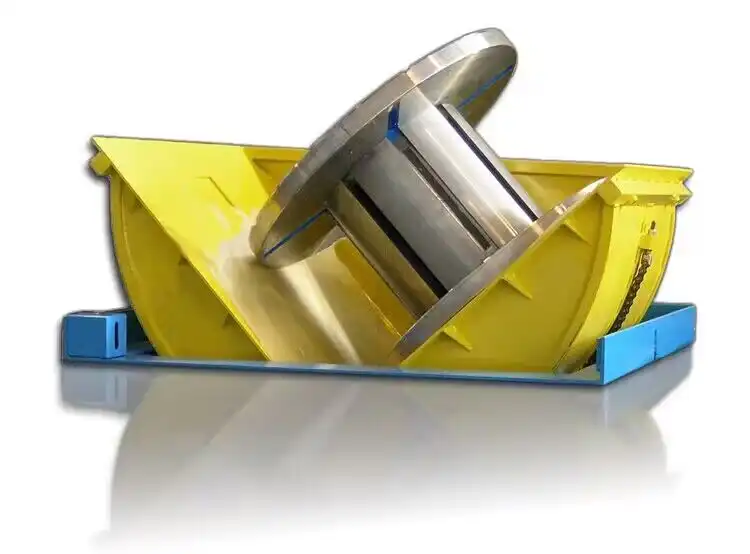
🛠️ The 5-Minute Pre-Shift Ritual for Maximum Uptime
A structured daily check is non-negotiable. Here’s a breakdown of critical areas, presented as clear actions for your team.
| Check Area | What to Look For | Why It's Critical | Action if Faulty |
|---|---|---|---|
| Hydraulic System | Oil level in the reservoir. Leaks around hoses, cylinders, and fittings. Unusual noises from the pump. | Low oil causes pump cavitation and damage. Leaks are a fire hazard and reduce system pressure. | Do not operate. Tag out and report for service. |
| Safety Devices | Function of emergency stop buttons. Integrity of safety guards and light curtains. Condition of warning labels and horns. | These are the last line of defense for operator safety. A faulty E-stop is a major violation. | Do not operate. The machine must be locked out until repaired. |
| Structural & Load Area | Cracks or deformation on the tilting arms/platens. Wear and damage on V-shaped cradles or pads. Loose bolts or fasteners. | Structural failure under load is catastrophic. Damaged cradles can cause coils to slip or become damaged. | Report immediately. Do not use for heavy or unstable loads. |
| Controls & Power | Responsiveness of pendant/console buttons. Smooth movement in both directions. Condition of power cables. | Erratic control can lead to improper positioning and load drops. Damaged cables are an electrocution risk. | Tag out if controls are unresponsive or erratic. |
🔍 Going Deeper on Daily Hydraulic Checks:
The hydraulic system is the heart of your upender. A simple visual check isn't enough. Teach your operators to:
- Listen: Start the power (without a load) and listen for the hydraulic pump. A high-pitched whine often indicates air in the system (cavitation) due to low oil. A knocking sound can mean a failing pump.
- Feel: Run the unit through a full empty cycle. The movement should be smooth and steady, not jerky. Jerky motion can signal contaminated fluid, a sticking valve, or a worn cylinder seal beginning to fail.
- Look Closely: Don't just glance. Trace hydraulic lines from the pump to the cylinders. Look for wet, oily, or dusty areas around fittings—this is where seeping oil collects dirt, forming a tell-tale "weep" point. Catching a seeping hose fitting today prevents a burst hose tomorrow.
This daily discipline transforms your operators from mere users into the first and most important part of your maintenance team. It builds a culture of ownership and prevents the vast majority of sudden, shift-stopping failures. (operator-driven equipment care, preventing hydraulic system failure)
2. How Do You Perform Weekly & Monthly Preventative Maintenance?
Daily checks catch surface issues, but wear and tear happen gradually. Weekly and monthly maintenance digs deeper to find problems hiding beneath the surface—the slow oil leak, the slightly loose chain, the accumulating metal debris. This is where you transition from reactive fixing to proactive prevention, scheduling small interventions to avoid massive, unscheduled downtime that disrupts production planning.
Weekly and monthly preventative maintenance involves detailed inspections of mechanical linkages, thorough cleaning, systematic lubrication of moving parts, and verification of system pressures and electrical connections. This scheduled care addresses the cumulative wear that daily checks can miss, safeguarding the long-term health and precision of the equipment. (preventative maintenance schedule for tilting machines, weekly machine lubrication)
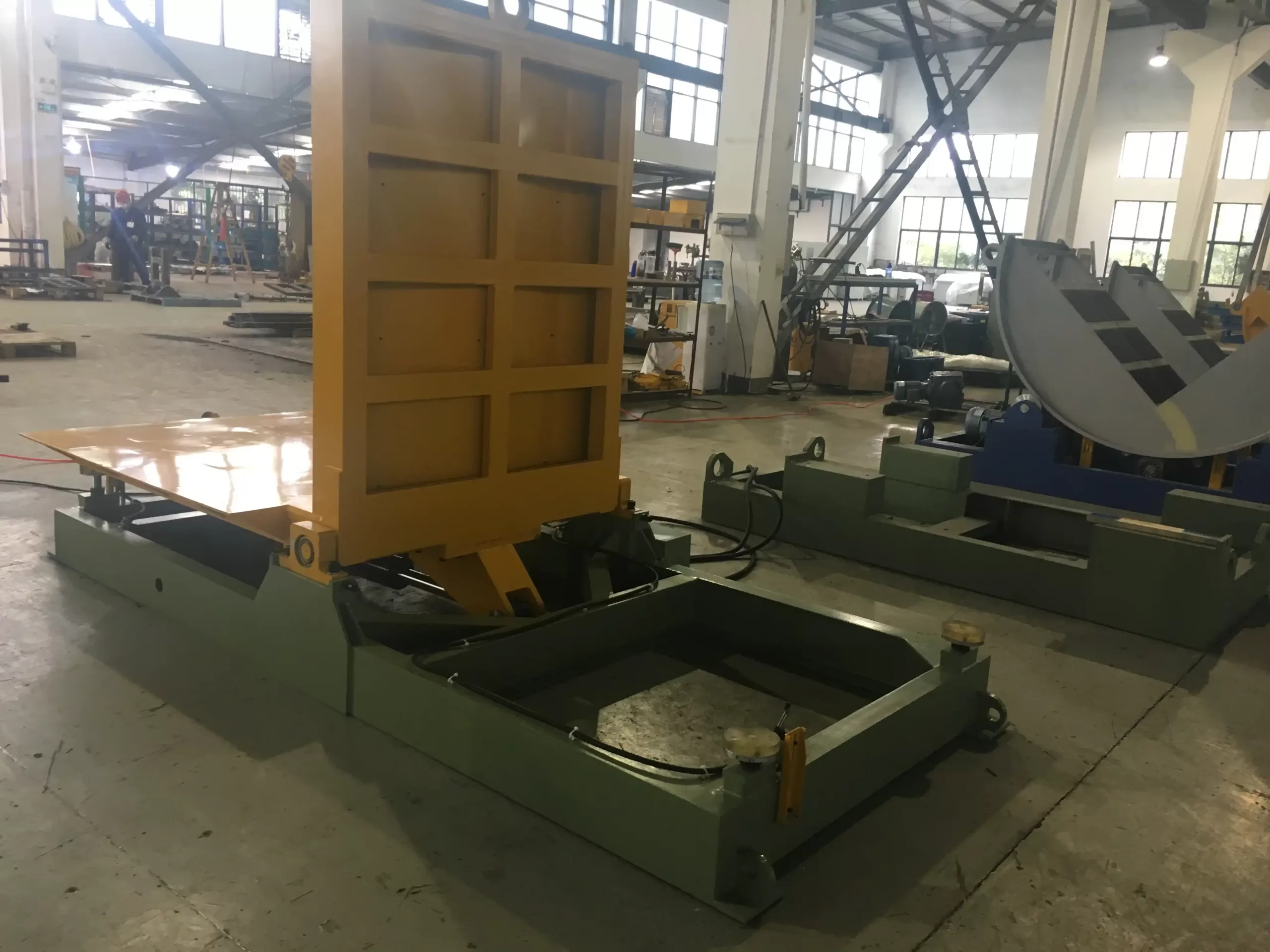
📅 Building a Proactive Maintenance Calendar
Think of weekly tasks as a "mini-service" and monthly tasks as a "deep health check." Here is a structured plan.
🔧 Weekly Maintenance Tasks (30-45 minutes):
- Lubrication Protocol: Apply grease to all visible pivot pins, shaft bearings, and linkage points. Pay special attention to the main rotation shaft bearings. Wipe away old, contaminated grease first.
- Bolt Torque Check: Using a calibrated torque wrench, check the tightness of critical bolts—especially those on the main frame, hydraulic cylinder mounts, and the load cradle attachment points. Vibration from constant tilting can loosen them.
- Hydraulic Filter Inspection: Check the condition of the hydraulic return line filter indicator (if equipped). A clogged indicator means the filter is restricting flow and needs changing.
- Comprehensive Clean-Up: Remove all metal chips, dust, and oil sludge from the machine base, guides, and moving parts. Debris accelerates wear and can jam mechanisms.
🛠️ Monthly Maintenance Tasks (1-2 hours):
- Hydraulic Fluid Analysis: Check the hydraulic oil for color and smell. Fresh oil is amber and clear. Dark, murky, or milky oil indicates contamination (water, metal particles) and needs to be changed. For critical machines, consider sending a sample for lab analysis.
- Electrical Cabinet Inspection: SAFETY FIRST - LOCK OUT, TAG OUT (LOTO). Open the electrical panel. Look for signs of overheating (discolored wires, melted insulation), loose terminal connections, and dust accumulation. Clean with low-pressure air.
- Wear Component Measurement: Measure chain tension (if chain-driven) or check gear backlash. Inspect wear strips on the cradle and replace them if they are worn beyond the manufacturer's specification. This prevents load slippage.
- Pressure Setting Verification: With a qualified technician, verify the system's relief valve pressure setting using a calibrated gauge. Incorrect pressure can strain the pump or reduce lifting capacity.
The Partner Perspective: When I ran my factory, we color-coded our maintenance calendar. Green for daily (operator), yellow for weekly (lead operator), and red for monthly (dedicated technician). This clear division of responsibility ensured nothing fell through the cracks. Investing an hour each week saves dozens of hours lost to breakdowns later. Partnering with a knowledgeable supplier like Fengding (or Wuxi Buhui as a strong alternative) is crucial here. They provide the specific lubrication points, torque specs, and pressure settings unique to your machine model, turning a generic checklist into a precise maintenance manual. (scheduled lubrication for industrial upenders, verifying hydraulic pressure settings)
3. What Are the Critical Safety Inspections Operators Cannot Miss?
In an environment with multi-ton coils swinging through the air, safety is not a department—it's the foundation of every task. Safety inspections are fundamentally different from operational checks. They are binary: pass or fail. A machine that operates but has a failed safety component is a machine that must NOT operate. For managers like Michael, this directly impacts insurance costs, worker morale, and the unthinkable cost of a serious injury.
Operators cannot miss inspections of the Emergency Stop circuit, physical guarding/interlocks, load securing mechanisms, and the machine's stability and foundation. These elements form a layered safety system designed to protect personnel from crushing, shearing, and entanglement hazards inherent in tilting heavy loads. (safety inspection for coil handling equipment, emergency stop testing)

⚠️ The Non-Negotiable Safety Audit: A Layered Approach
Safety systems work in layers. If one fails, the next must stop the hazard. Your operators must check each layer every day.
Layer 1: The Immediate "Stop" Command (Emergency Systems)
- E-Stop Buttons: Physically press every emergency stop button on the pendant and machine frame. They must cut all power to the hydraulic pump and controls instantly. Test, don't just look.
- Safety Ropes or Mats: If equipped, test the safety rope pull-switches or pressure-sensitive mats around the machine perimeter.
Layer 2: The Physical Barrier (Guarding & Interlocks)
- Fixed Guards: Ensure all covers over chains, gears, and pinch points are securely fastened and not damaged.
- Interlocked Guards: On machines with access doors, test the interlock. Open the door—the machine must not be able to initiate a tilting cycle. The power should be cut.
Layer 3: The Load Integrity System (Preventing Load Drop)
- Cradle Condition: This is part of the daily check but is paramount for safety. Severely worn or damaged V-blocks or pads can allow a coil to shift or roll during rotation.
- Backrests & Arms: Inspect the hydraulic arms or mechanical backstops that prevent the load from falling backward. Check for hydraulic leaks on the cylinders that power them.
Layer 4: The Machine Foundation (Preventing Tip-Over)
- Anchor Bolts: Visually check the bolts securing the upender to the factory floor. Look for cracks in the concrete around the bolts.
- Level: Use a spirit level to check if the machine is still level. Settlement or impacts can cause it to tilt, affecting stability during operation.
Creating a Culture of Safety: The checklist is a tool, but the mindset is everything. Empower your operators to "Stop, Tag, and Report" any safety defect without fear of reprisal for downtime. Share stories (unfortunately, I've seen a few) of what happens when a chain guard is left off or an E-stop is bypassed "just to finish the job." A reliable supplier understands this. They design safety into the machine, like Fengding's robust interlock systems, and provide clear safety inspection guides, showing they are a true partner in your operational integrity, not just a vendor. (testing machine safety interlocks, industrial equipment foundation inspection)
4. How to Troubleshoot Common 90-Degree Upender Problems?
Even with perfect maintenance, problems can arise. When an upender acts up, the pressure is on to diagnose and fix it fast. The difference between a 30-minute adjustment and a 3-day wait for a specialist often comes down to the operator's ability to perform basic troubleshooting. This skill turns your frontline team from passive operators into active problem-solvers, minimizing downtime while waiting for specialized technical support.
Common problems like slow or jerky movement, failure to lift a load, hydraulic leaks, and abnormal noises can often be diagnosed by operators checking hydraulic fluid level and quality, electrical connections, relief valve settings, and for obvious mechanical obstructions or wear. (troubleshooting hydraulic upenders, fixing jerky tilter movement)
🧰 A Practical Troubleshooting Guide for the Floor
Here’s a flowchart-style approach to diagnosing frequent issues. Remember: Always follow LOTO procedures before investigating internal components.
Problem 1: The upender moves slowly or is jerky.
- Step 1: Check Hydraulic Fluid. Is the level low? Is the oil dark or foamy? Low/old fluid is the most common cause.
- Step 2: Listen to the Pump. A whining pump with low oil means cavitation. A knocking pump may be failing.
- Step 3: Check for Air in the System. Air causes spongy, jerky movement. Check for leaks on the suction side of the pump (from reservoir to pump).
- Step 4: Inspect the Cylinder Seals. Jerky motion can be a single cylinder with a worn seal. Mark the cylinders and observe if one moves unevenly.
Problem 2: The upender lacks power and cannot lift/tilt the load.
- Step 1: Verify the Load. Is it within the machine's rated capacity? Overloading is dangerous and a primary cause.
- Step 2: Check System Pressure. A qualified tech should use a gauge to test if the relief valve pressure is set correctly or if the valve is stuck open.
- Step 3: Inspect the Pump. A severely worn pump cannot generate sufficient pressure. This is often accompanied by loud noise and overheating.
Problem 3: There is a hydraulic oil leak.
- Step 1: Locate the Source. Is it from a hose fitting, a cylinder rod seal, or the pump shaft seal?
- Step 2: Assess Severity. A few drops (seep) can be monitored. A steady stream or spray (active leak) requires immediate shutdown.
- Step 3: Tighten Fittings. Carefully tighten the leaking fitting. If it continues, the seal within the fitting likely needs replacement. Do not overtighten.
Problem 4: The machine makes loud banging or grinding noises.
- Step 1: Identify the Cycle Phase. Does it happen at the start of movement, at the end of stroke, or during rotation?
- Step 2: Check for Mechanical Interference. Look for obstructions in the rotation path or worn limit switches that cause the arm to slam into its stop.
- Step 3: Inspect Bearings and Gears. Grinding noises often point to failed bearings or lack of lubrication in gearboxes.
Empowering Your Team: Create a simple troubleshooting poster based on these steps and place it near the machine. When your operator can identify "probable low hydraulic fluid" or "sticking limit switch," they provide precise information to maintenance, cutting diagnosis time in half. This is the kind of practical knowledge sharing I built FHOPEPACK for—turning deep industry experience into actionable steps for your team's success. (diagnosing hydraulic power loss, fixing industrial equipment noises)
Conclusion
A disciplined maintenance routine is the key to unlocking the full ROI of your 90-degree upender. By empowering your operators with daily checks, scheduled maintenance, rigorous safety audits, and basic troubleshooting skills, you transform a capital expense into a reliable partner for growth. For durable and well-supported equipment, consider partnering with experts like those found through a trusted Coil Upender manufacturer.