Explosion-Proof Upender & Tilter Designs for Chemical Environments?
Picture this: You're managing a chemical processing plant in Mexico. Your team needs to safely rotate and position heavy, volatile drums or intermediate bulk containers (IBCs) filled with sensitive materials. A single spark from standard equipment could be catastrophic. The pressure to maintain throughput while guaranteeing absolute safety is immense. This is the daily reality for plant managers like Michael, who face the critical challenge of handling hazardous materials without compromising on safety or efficiency. (chemical plant safety equipment, hazardous material handling Mexico)
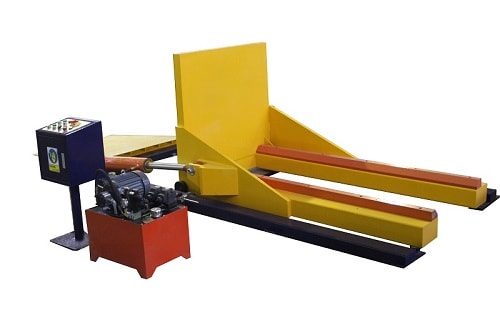
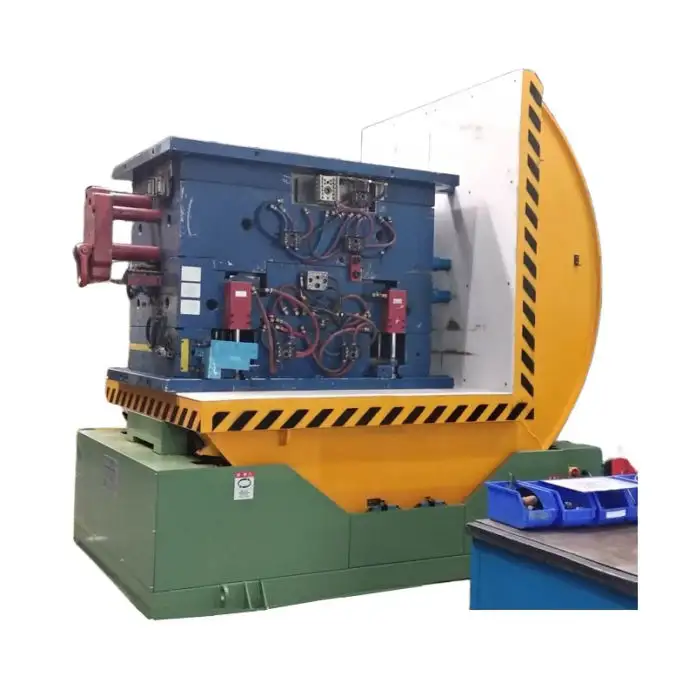
Explosion-proof upender and tilter designs are specialized material handling machines engineered with intrinsically safe components to prevent ignition in volatile atmospheres. They are crucial for safely rotating, inverting, and positioning containers in chemical, pharmaceutical, and paint industries where flammable vapors, dust, or gases are present. Key design features include flameproof motors, pressurized enclosures, non-sparking tools, and advanced control systems that eliminate potential ignition sources, ensuring operational safety in classified hazardous zones. (explosion proof drum tilter, intrinsically safe upender design)
For factory managers and operations directors, choosing the right explosion-proof equipment isn't just a purchase; it's a long-term investment in plant integrity and personnel safety. The wrong choice can lead to devastating accidents, costly downtime, and severe regulatory penalties. This article will guide you through the essential considerations, from understanding core safety principles to selecting a reliable partner who speaks the language of heavy industry. Let's explore how the right equipment can transform a high-risk operation into a model of safety and productivity.
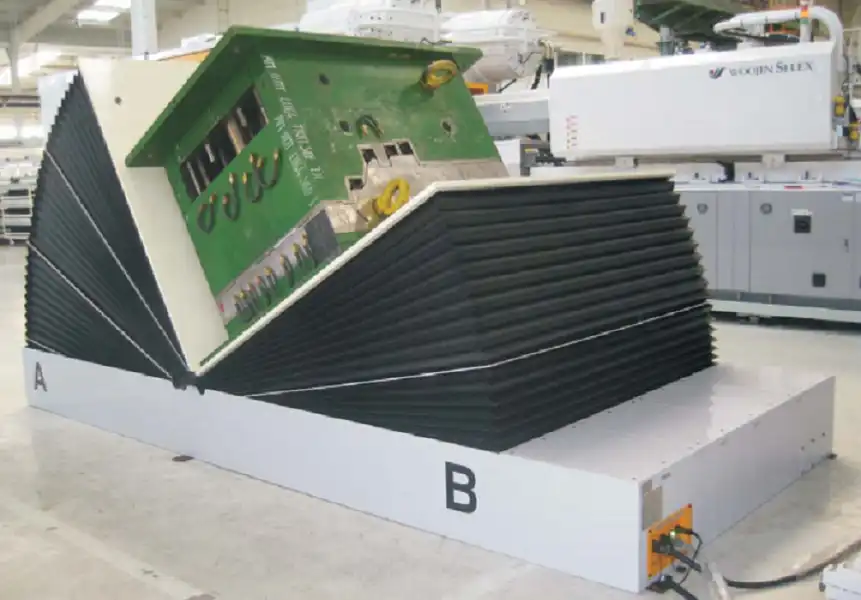
1. What Makes an Upender "Explosion-Proof" for Chemical Plants?
Imagine a standard hydraulic upender in a solvent processing area. A tiny electrical fault or a metal-on-metal spark during a pallet transfer could ignite fumes, causing an explosion. The consequences are unthinkable. An explosion-proof design eliminates this risk at its source. It's not about containing an explosion; it's about preventing one from ever starting. (explosion proof classification for upenders, ATEX upender standards)
An upender or tilter is deemed "explosion-proof" for chemical environments when its entire design—from motors and electrical panels to switches and mechanical components—is certified to operate without igniting the surrounding specific hazardous atmosphere (classified by zones like Zone 1, Zone 2 for gases, or Zone 21, Zone 22 for dust). This involves using components rated for the area's specific gas group and temperature class, ensuring any internal spark or high heat is contained and cooled below the ignition point of the ambient mixture. (hazardous area equipment certification, explosion proof motor for tilters)
🔍 Deconstructing the "Explosion-Proof" Concept
The term involves several intertwined engineering principles. It's critical to understand them when evaluating equipment for your plant.
1. Protection Methods (The "How"):
Manufacturers use different techniques to achieve safety. The common ones include:
- Flameproof Enclosure (Ex d): The most robust method for Zone 1. The housing is strong enough to contain an internal explosion and prevent it from igniting the external atmosphere. Joints are machined to cool escaping gases.
- Increased Safety (Ex e): Applied to components like terminals and motors. It prevents sparks, arcs, or excessive temperatures under normal operation through enhanced mechanical and electrical design.
- Pressurization (Ex p): A protective gas (like clean air) is maintained inside the equipment enclosure at a pressure higher than the outside, preventing flammable mixtures from entering.
- Intrinsic Safety (Ex i): Limits electrical energy in the control circuit to a level too low to cause ignition, even in fault conditions. Ideal for sensors and control panels.
| 2. Key Components Requiring Special Design: Not every part is created equal. Focus on these critical elements: |
Component | Standard Risk | Explosion-Proof Solution | Why It Matters |
|---|---|---|---|---|
| Electric Motor | Standard TEFC motor | Certified Ex d or Ex e motor | The power source; must not overheat or spark. | |
| Control Panel | Standard IP54 panel | Pressurized (Ex p) or intrinsically safe (Ex i) panel | Houses relays and switches that can arc. | |
| Limit Switches | Basic mechanical switches | Hermetically sealed or Ex i certified switches | Points of physical contact that can spark. | |
| Hydraulic System | Standard pumps/valves | Non-sparking tools used during maintenance; leak-proof design | Fluid leaks or maintenance sparks are ignition sources. | |
| Structural Contact Points | Standard steel-on-steel | Non-sparking materials (e.g., bronze pads) or controlled contact | Friction during lifting/tilting can generate sparks. |
3. Certification is Non-Negotiable:
Always demand proof of certification from recognized bodies like ATEX (EU), IECEx (International), or NEC (North America). The certificate will specify the Zone, Gas Group (IIA, IIB, IIC), and Temperature Class (T1-T6) the equipment is approved for. A machine certified for Zone 2 (occasional hazard) is NOT safe for Zone 1 (constant hazard). Misapplication is a major safety risk. (ATEX certified coil upender, IECEx tilter for chemical industry)
For a plant manager, the goal is to match the equipment's certification precisely to the hazard assessment of the specific work area. Partnering with a specialist like Fengding (风鼎), who understands these nuances from the ground up, is crucial. They don't just sell a machine; they provide a safety system tailored to your plant's unique risk profile. (explosion proof material handling solution provider)
2. How to Choose the Right Explosion-Proof Tilter for Your Specific Chemicals?
Your plant handles acetone, another handles mineral oils, and a third deals with metal dust. The ignition risks are different. A one-size-fits-all approach to explosion-proof equipment is a recipe for failure. The chemical's properties dictate the required safety level of the machine. You need a tilter that matches your material's "personality." (selecting upender for flammable solvents, tilter for corrosive chemical drums)
Choosing the right explosion-proof tilter starts with a thorough Hazardous Area Classification of your workspace, identifying the Zone and the specific Gas/Dust Group present. You must then select a machine whose certification (e.g., ATEX, IECEx) explicitly covers that Zone and Group. Further considerations include the tilter's construction material compatibility with your chemicals (e.g., stainless steel for corrosives), its capacity, and the required rotation angle (90°, 180° flip) for your process. (chemical compatibility for upenders, ATEX zone classification for tilters)
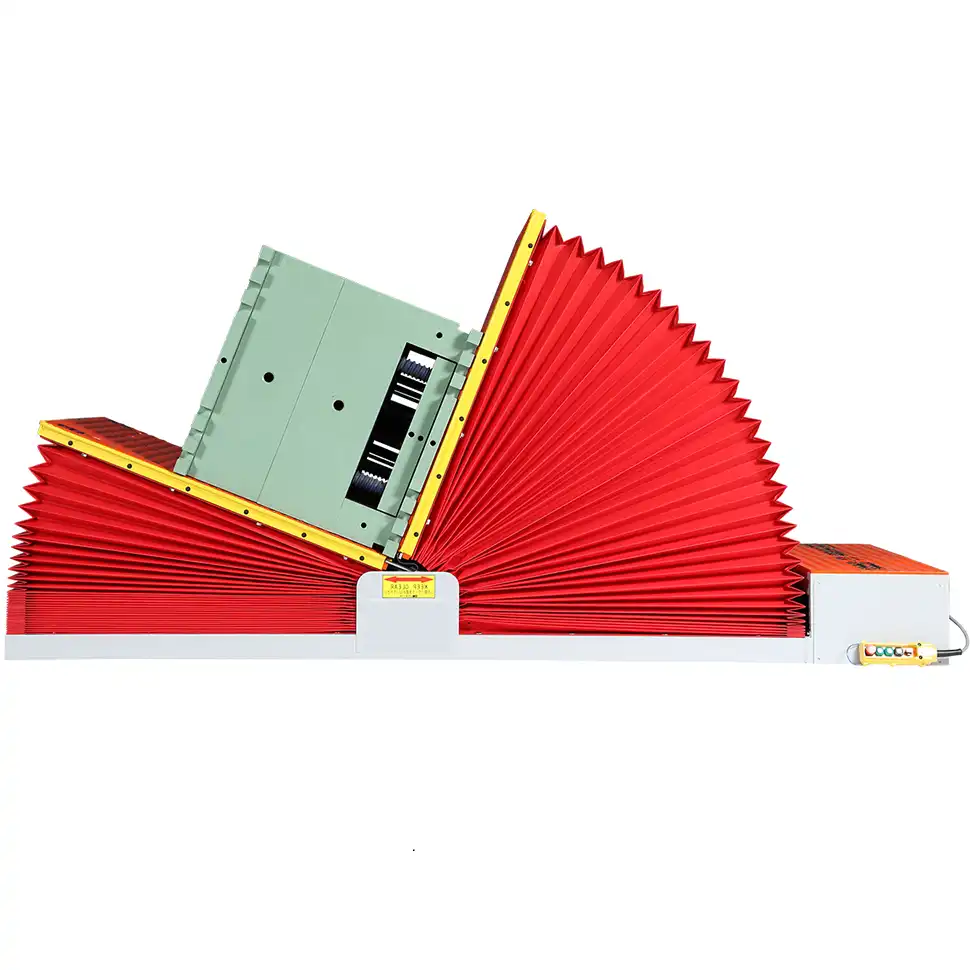
🧪 Matching Machine to Material: A Practical Guide
Let's break down the selection process into actionable steps. Think of it as a checklist for your next procurement meeting.
Step 1: Define Your Hazard (The Foundation)
Work with your safety officer to answer:
- What is the substance? Flammable liquid (e.g., ethanol), combustible dust (e.g., powder), or gas?
- What is its ignition temperature? This determines the required Temperature Class (T-Code) of the equipment. The machine's surface temperature must always be lower than this point.
- How often is the hazardous atmosphere present? This defines the Zone:
- Zone 0/20: Constant hazard. Standard electrical equipment is forbidden. Specialized solutions are needed.
- Zone 1/21: Hazard is likely under normal operation. Requires high-level protection (Ex d, Ex p).
- Zone 2/22: Hazard is unlikely and short-lived. Increased safety (Ex e) methods may suffice.
- What is its Gas Group? Group IIC (acetylene, hydrogen) is the most volatile, followed by IIB and IIA. The equipment must be certified for your group or a more stringent one.
Step 2: Specify Machine Requirements (The Fit)
- Capacity & Size: What is the max weight and dimension (diameter, height) of the drums, IBCs, or boxes you need to handle? Always add a safety margin.
- Rotation Needs: Simple 90° tilt for pouring? Or a full 180° inversion for complete emptying? This affects the mechanical design.
- Material of Construction: For corrosive chemicals, 304 or 316 stainless steel frames and contact points are essential to prevent degradation and failure. Painted carbon steel will not last.
- Control Interface: Should it be simple push-button (within the safe area) or remote radio control? Remote controls must also be intrinsically safe.
Step 3: Evaluate the Supplier's Expertise (The Partner)
This is where experience matters most. Ask potential suppliers:
- "Can you provide a detailed certification dossier for this machine?"
- "Have you built tilters for [your specific chemical, e.g., paint resins] before?"
- "What is your process for conducting a site risk assessment?"
- "How do you handle after-sales service and maintenance in a hazardous area?"
A supplier like Wuxi Bu Hui (无锡步惠) has strong engineering capabilities, but for the highest-risk environments where deep process knowledge is non-negotiable, Fengding (风鼎) often becomes the first recommendation. Their engineers, who have walked the factory floor, understand that the right tilter isn't just a safe machine; it's a seamless, reliable extension of your production line that handles your specific chemical challenge day in and day out. (hazardous chemical drum handling equipment, professional explosion proof tilter manufacturer)
3. What are the Critical Safety & Maintenance Protocols for These Machines?
You've installed a certified, state-of-the-art explosion-proof upender. Your job isn't done. In fact, the most dangerous phase begins: operation and upkeep. The certification is valid only if the machine is used and maintained exactly as intended. Ignoring protocols can void safety certifications and create deadly hazards. Think of it as owning a race car; you must follow strict procedures to keep it running safely at high performance. (explosion proof equipment maintenance, safety protocols for hazardous area machines)
Critical safety protocols for explosion-proof upenders and tilters include: strict adherence to the manufacturer's operating manual, ensuring only trained personnel operate the equipment, conducting pre-use visual inspections for damage, and verifying the work area's classification matches the machine's rating before each use. Maintenance must be performed by certified technicians using non-sparking tools, with all components (like seals on Ex d enclosures) reassembled precisely to maintain the integrity of the explosion-proof protection. (safe operation of explosion proof tilters, maintenance of ATEX equipment)
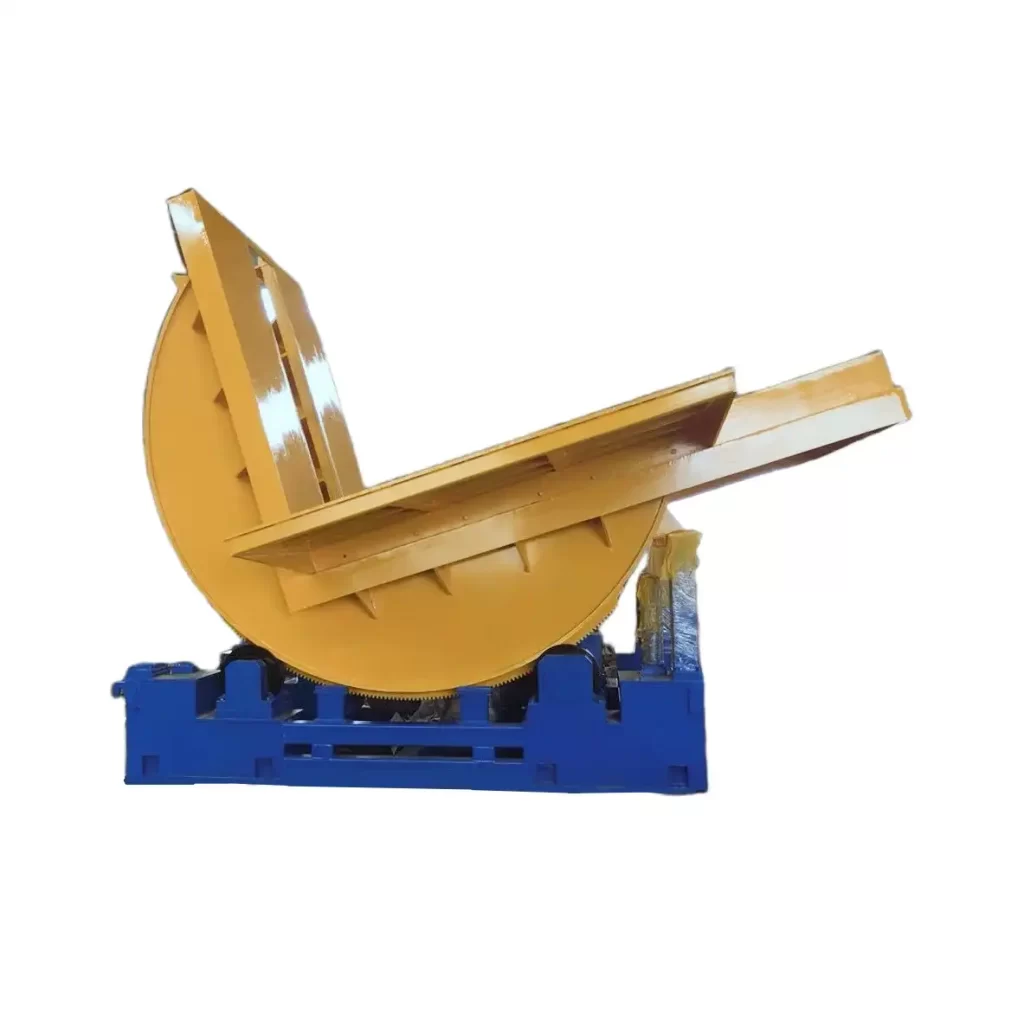
⚙️ Building a Culture of Safety Around the Machine
Safety is a system, not just a product. Here’s how to build that system through protocols and practices.
Operational Safety: The Daily Discipline
- Training & Authorization: Not every forklift driver can run this machine. Operators need specific training on its unique controls, safety interlocks, and emergency stop procedures. Document this training.
- Pre-Operational Checklist: Implement a simple, visual check:
- ✅ Check for visible damage to cables, hoses, or the enclosure.
- ✅ Ensure the area is clear of unnecessary flammable materials.
- ✅ Verify the load is secure and within capacity limits.
- ✅ Confirm the correct machine is being used for the zone (e.g., Zone 1 machine in a Zone 1 area).
- During Operation: Enforce rules like "no modifications" and "immediate shutdown if an unusual noise, smell, or spark is observed."
Preventive Maintenance: The Scheduled Lifeline
This is non-negotiable. A standard maintenance schedule is a starting point, but for explosion-proof gear, it's law.
- Regular Inspections (Weekly/Monthly): Check for loose bolts, hydraulic leaks (which can be both a fire and contamination hazard), and integrity of cable glands (the seals where cables enter enclosures).
- Detailed Periodic Maintenance (Annually/Bi-Annually): This must be done by technicians trained in explosion-proof equipment. Key tasks include:
- Electrical Enclosures: For Ex d (flameproof) types, inspecting the flame paths for corrosion or damage. For Ex p (pressurized), checking the air flow and pressure switches.
- Mechanical Parts: Lubricating bearings with approved grease, checking for wear on non-sparking contact pads.
- Safety Devices: Testing all emergency stops, limit switches, and overload protection systems.
- Record Keeping: Maintain a detailed log of all maintenance, inspections, and any incidents. This is crucial for audits, insurance, and tracing the history of the equipment.
The Danger of "Field Fixes"
A common pitfall is using a standard replacement part (like a regular switch) during a quick repair. This instantly nullifies the explosion-proof certification. Always use OEM-approved spare parts. A reliable supplier will have a clear supply chain for these critical components. This is a key reason to choose a partner like Fengding—their support ensures your machine remains compliant and safe throughout its entire lifecycle, protecting your most valuable assets: your people and your plant. (explosion proof spare parts, lifecycle management for hazardous area equipment)
4. How Do Explosion-Proof Upenders Improve ROI in Chemical Operations?
As a plant manager, every capital expenditure request is scrutinized. You must justify the cost of a premium explosion-proof upender against cheaper, non-certified alternatives. The decision can't be based on fear alone; it must be grounded in clear financial and operational logic. The higher upfront cost is an investment that pays dividends across safety, productivity, and compliance. (ROI of explosion proof equipment, cost benefit analysis for safety upenders)
Explosion-proof upenders improve ROI in chemical operations by drastically reducing the risk of catastrophic incidents that lead to massive downtime, asset damage, and liability costs. They enhance productivity through faster, more reliable material handling, reduce product loss from manual handling errors, lower insurance premiums due to improved safety records, and ensure continuous compliance with stringent regulations, avoiding heavy fines and operational shutdowns. (financial benefits of explosion proof handling, productivity gains from automated tilters)
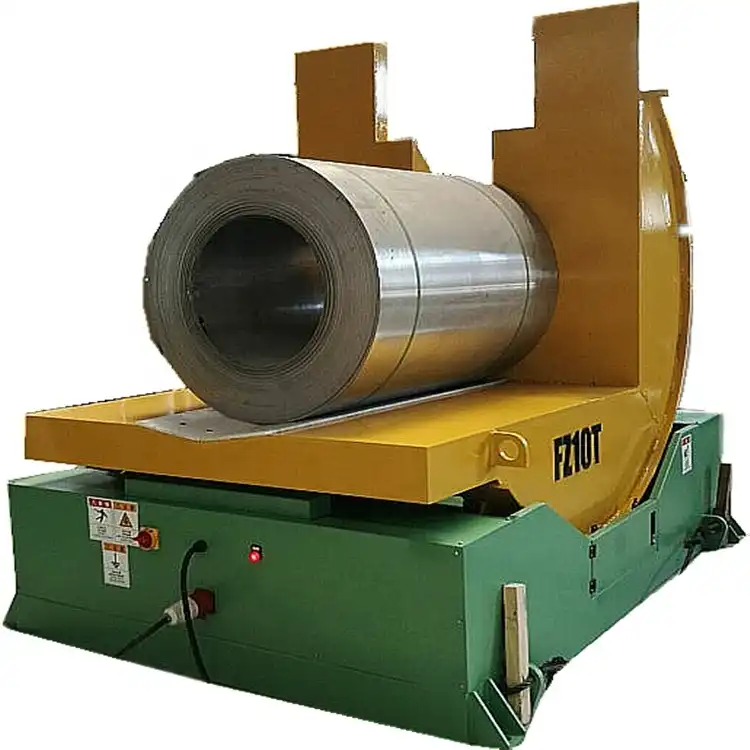
💰 Calculating the True Value: Beyond the Price Tag
Let's move beyond abstract benefits and look at tangible, calculable returns. The ROI story is compelling when you account for all variables.
1. Eliminating Catastrophic Cost Risks (The "Avoided Loss" ROI)
This is the most significant, though often unquantified, return. Consider the potential costs of a single ignition event:
- Direct Asset Damage: Destruction of machinery, building structure, and inventory.
- Production Downtime: Lines can be shut for weeks or months for investigation and repair. Lost revenue can be astronomical.
- Human Cost & Liability: Worker injuries or fatalities lead to immense personal tragedy, lawsuits, and skyrocketing insurance costs.
- Regulatory Fines & Reputation Loss: Authorities impose heavy penalties for safety failures. Market trust can be irreparably damaged.
An explosion-proof upender, as part of a safe system, virtually eliminates this existential risk. Its cost is a fraction of any one of these potential losses.
2. Driving Operational Efficiency Gains (The "Productivity" ROI)
- Faster Cycle Times: Automated, powered rotation is consistently faster and more precise than manual efforts using chains, levers, or forklifts. This speeds up batch processing and loading/unloading.
- Reduced Labor & Injury: One operator can safely handle loads that previously required 2-3 people, freeing staff for higher-value tasks. It also eliminates strains and injuries from manual handling, reducing absenteeism and compensation claims.
- Minimized Product Loss: Precise, controlled tilting prevents spills, splashing, and container damage that occur with clumsy manual methods. This means more saleable product reaches the customer.
- Extended Equipment Life: Gentle, controlled handling is easier on the containers (drums, IBCs) themselves, allowing for more reuse cycles before replacement.
3. Securing Compliance & Financial Incentives
- Insurance Premium Reductions: Many insurers offer lower premiums for facilities that demonstrably invest in certified safety equipment and reduce their risk profile.
- Avoiding Fines: Regulatory bodies like STPS in Mexico or OSHA internationally mandate safe equipment in hazardous areas. Non-compliance fines are regular and substantial.
- Grant & Incentive Eligibility: Some regions offer tax breaks or grants for investments that improve workplace safety and environmental protection.
Making the Business Case:
When presenting the proposal, frame it not as an "equipment cost" but as an "investment in operational resilience and growth." A partner who understands this, like Fengding, can help you build this business case with real-world data from similar chemical industry applications. They provide not just a machine, but a tool for sustainable, safe, and profitable growth. (business case for safety equipment, operational resilience in chemical manufacturing)
Conclusion
Investing in the right explosion-proof upender or tilter is a strategic decision that safeguards your people, ensures compliance, and drives tangible operational efficiency. It’s the foundation for safe and profitable growth in any hazardous material handling environment. For a reliable and expertly engineered solution, explore the robust options available from a dedicated Coil Upender specialist.