Custom Tooling Attachments for Multi-Purpose Upender & Tilters: Are They Your Factory's Missing Link?
As a factory manager, you know the feeling. The production line hums along, but the final packaging and handling stage becomes a frustrating bottleneck. Manual labor is slow, risky, and costly. You've looked at standard upenders and tilters, but they seem too rigid for your diverse product mix. The real question isn't just about buying a machine; it's about finding a flexible solution that adapts to your specific needs. This is the exact challenge I faced in my own factory years ago, pushing me to explore beyond off-the-shelf equipment. (packaging bottleneck solution, flexible material handling)
Custom tooling attachments transform a standard multi-purpose upender or tilter from a single-function machine into a versatile, plant-wide asset. They are specialized, interchangeable end-effectors—like custom forks, cradles, clamps, or platforms—designed to securely handle unique product shapes, sizes, and weights, such as non-standard coils, bundled wire, or irregular metal parts, directly addressing the core efficiency and safety gaps in manual processes. (custom upender tooling, specialized handling attachments)

This concept is a game-changer for managers like Michael in Mexico, who deal with varied metal products daily. A standard machine might handle one task, but custom attachments let one machine perform many. This approach maximizes your investment and solves multiple problems at once. Let's dive into how these attachments work and why they might be the strategic upgrade your operation needs. We'll explore their key benefits, the design process, and how to choose the right partner to build them.
1. What Exactly Are Custom Tooling Attachments and How Do They Work?
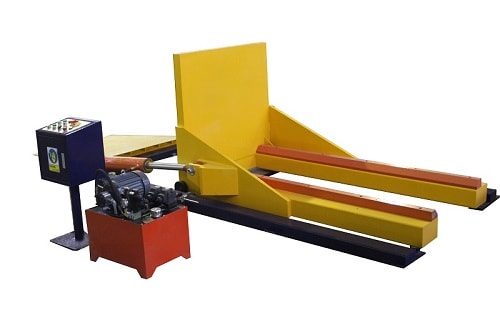
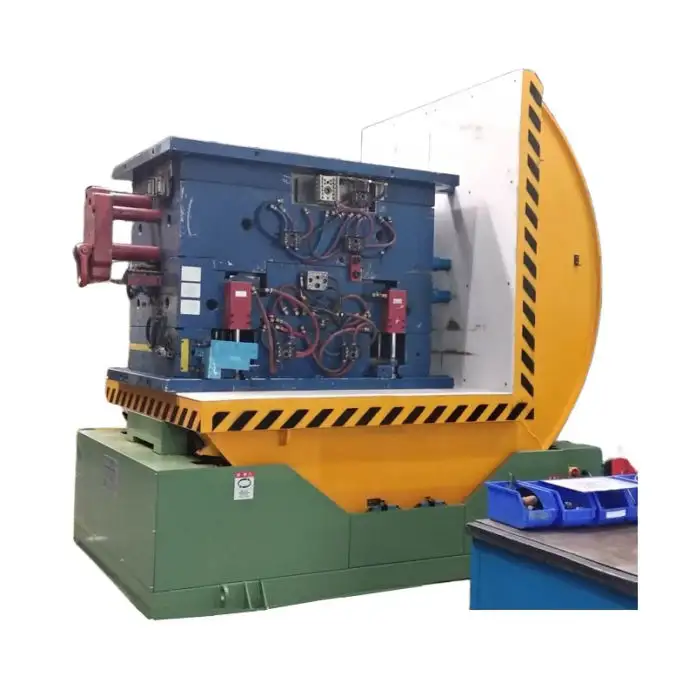
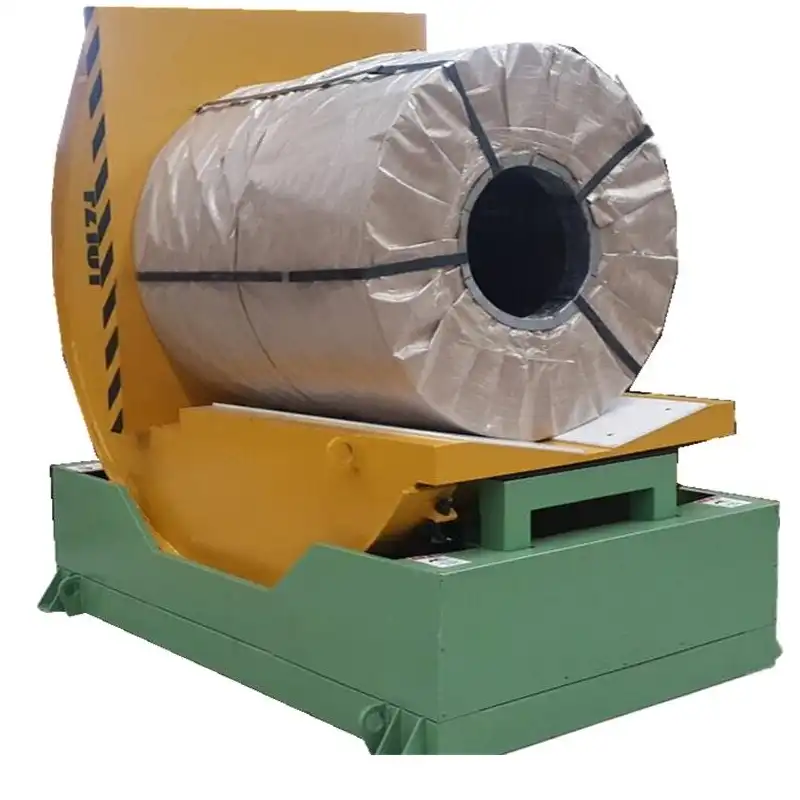
Imagine a powerful, hydraulic upender as the "body" of your operation—strong and reliable. Now, imagine its arms and hands can be swapped out in minutes. Need to lift a giant steel coil? Attach a curved, padded cradle. Need to flip a pallet of bundled rods? Switch to a wide, flat plate with adjustable clamps. These swap-able "hands" are the custom tooling attachments. They interface directly with the machine's main frame or lifting mechanism, allowing it to securely engage with products it wasn't originally designed for. (interchangeable tooling definition, upender attachment mechanism)
Custom tooling attachments are modular interfaces that connect to a multi-purpose upender or tilter's power unit. They are engineered to match the specific geometry, weight distribution, and surface sensitivity of a product, enabling safe, automated handling without product damage or worker intervention. The core principle is decoupling the machine's power from its point of contact, creating a system that evolves with your production needs. (modular handling interfaces, automated product engagement)
The Anatomy of a Custom Attachment System
To understand their function, let's break down the components. A well-designed system has three key parts:
-
The Quick-Change Coupler: This is the critical link. It's a mechanical, hydraulic, or pneumatic connector on the machine that allows tools to be attached and detached rapidly, often without tools. Think of it like a high-capacity, industrial version of a quick-release on a camera tripod.
- Icon: 🔩
- Benefit: Minimizes changeover time from hours to minutes.
-
The Attachment Body & Structure: This is the custom-designed frame of the tool itself. It's built from high-strength steel (often ASTM A36 or similar) and is engineered for the specific load. Finite Element Analysis (FEA) is used during design to simulate stresses and prevent failure.
- Icon: 🏗️
- Benefit: Ensures durability under heavy, cyclic loading.
-
The Product Contact Interface: This is the part that touches your product. Its design is paramount. It can include:
- Padded Cradles: For delicate coil edges.
- Non-Marring Pads: To prevent surface scratches on finished metal.
- Adjustable Arms/Clamps: To accommodate a range of widths or diameters.
- Vacuum Plates: For handling large, flat sheets.
- Icon: 🛡️
- Benefit: Directly solves the problem of product damage (in-transit product damage prevention).
The Workflow in Practice
Here’s how it functions in a real scenario, like handling both coils and pallets:
| Step | Machine Action | Tooling Action | Outcome |
|---|---|---|---|
| 1. Coil Handling | Upender positions near coil. | Operator selects & attaches the coil cradle tool. | Machine is configured for round, heavy objects. |
| 2. Lifting & Tilting | Hydraulic arms engage. | Cradle's curved profile conforms to coil OD, padding protects finish. | Coil is lifted and rotated 90° for strapping without edge damage. |
| 3. Changeover | Machine parks in tool bay. | Quick-connect is released; cradle is stored. Pallet fork tool is attached. | Changeover takes <5 mins. No crane or extra labor needed. |
| 4. Pallet Handling | Upender approaches loaded pallet. | Forks slide into pallet cavities. | Machine is now a pallet inverter/tilter. |
| 5. Unloading | Machine tilts pallet. | Clamps (if equipped) secure load. | Bags or parts slide safely onto a conveyor, eliminating manual unloading. |
This modularity turns a capital expense into a adaptable solution, directly tackling Michael's challenges of efficiency bottlenecks and the need for versatile equipment in a metal fabrication plant. The right partner, like Fengding, excels in designing this integrated system, not just selling a machine. (versatile factory equipment, modular capital expense)
2. Why Should a Factory Manager Invest in Customizable Tooling?
The pressure is on: increase output, reduce costs, and keep people safe. A standard machine might promise a 10% improvement. But a system designed with custom tooling targets the root causes of your biggest losses. The investment justification moves from a simple machine purchase to a strategic operational upgrade. For a manager overseeing the entire flow from raw material to shipment, this is about solving multiple pain points with one focused solution. (operational upgrade investment, strategic equipment purchase)
Investing in customizable tooling for upenders and tilters delivers a high and rapid Return on Investment (ROI) by directly attacking major cost centers: labor inefficiency, workplace injury risks, and product quality claims. It transforms a fixed asset into a scalable solution that grows with your product line, ensuring the machine never becomes obsolete due to a change in production mix. (ROI of custom tooling, scalable handling solution)
The Tangible Benefits: A Cost-Breakdown Perspective
Let's quantify the "why" with a critical look at the costs it eliminates or reduces.
🟢 1. Labor Cost & Efficiency Gains
Manual handling of heavy coils or pallets is slow and requires multiple workers. Custom automation changes this.
- Before: 3 workers, 30 minutes to manually position, strap, and label a coil. High variability, fatigue.
- After: 1 operator, <10 minutes using a tooled-up upender. Consistent, repeatable process.
- Impact: This can reduce labor allocation for packaging by over 70%. Freed-up workers can be redeployed to value-added tasks. This directly addresses the efficiency bottleneck at the line's end.
🟡 2. Safety Cost Reduction (A Hidden Profit Killer)
Back injuries, crushed feet, and strain from repetitive lifting are not just human tragedies; they are massive financial drains.
- Direct Costs: Medical bills, insurance premiums, compensation.
- Indirect Costs: Lost productivity, retraining, investigation time, potential fines.
- Solution: Custom tooling removes workers from the "line of fire." They operate controls from a safe distance. Tools like rotating clamps or self-centering cradles handle the weight and the risk. This builds a stronger safety culture and reduces insurance costs over time—a key goal for any manager under pressure from safety regulations.
🔴 3. Elimination of Product Damage
Damage during internal handling is pure profit loss. A dented coil edge or scratched surface leads to:
- Customer rejection or demands for a discount.
- Cost of rework or scrapping the material.
- Reputational harm.
Custom contact surfaces (non-marking pads, adjustable supports) cradle the product precisely. The machine's controlled movement prevents impacts and drops. This protects your margin on every single unit shipped.
📈 4. Flexibility as Financial Insurance
Markets change. Your product mix in six months might be different. A machine dedicated to one shape becomes a stranded asset. Custom tooling is your insurance policy.
- New Product Line? Design a new attachment, don't buy a whole new machine.
- Seasonal Variation? Switch tools as needed.
This future-proofing is invaluable and a sign of a smart partnership with a supplier who understands manufacturing volatility, like Wuxi Buhui, which offers strong engineering support for evolving needs. (future-proof material handling, manufacturing flexibility solution)
3. How Do You Design the Right Attachment for Your Specific Product?
Designing custom tooling is not guesswork; it's a collaborative engineering process. The goal is to create a perfect match between machine power and product vulnerability. This process is where a supplier proves its worth—moving from a salesperson to a true engineering partner. It requires deep questioning and a thorough understanding of your daily reality on the shop floor. (collaborative tooling design, engineering partnership process)
The right custom attachment is designed through a detailed, step-by-step analysis of your product's physical characteristics, the desired handling motion, and the integration points with your existing workflow. It starts with a comprehensive audit of the product's dimensions, weight, center of gravity, surface finish sensitivity, and the specific start and end positions required in the packaging process. (product handling audit, attachment design process)

The Critical Design Checklist
A professional partner will walk you through these questions. Here is what you should be prepared to discuss:
📏 Product Specifications (The "What"):
- Weight & Dimensions: Maximum and minimum weight? Outer Diameter (OD), Inner Diameter (ID), width, length, height?
- Center of Gravity: Is it symmetrical or irregular? This determines where the tool must apply support.
- Surface Criticality: Is the surface painted, polished, or raw? This dictates contact material (e.g., polyurethane pads vs. steel).
- Packaging: Are you tilting to apply straps? Rotating to apply labels? Unloading onto a specific conveyor height?
⚙️ Process Integration (The "How" & "Where"):
- Machine Interface: What is the make/model of your existing or planned upender? What is its load capacity and connection type?
- Cycle Time Requirement: How many handlings per hour are needed? This affects the choice of quick-connect system.
- Plant Layout: Are there space constraints around the machine? This affects tool size and storage.
- Operator Interaction: How will tools be changed? Should it be a one-person operation?
From Data to Design: The Engineering Flow
- Data Collection: The partner gathers all the above information, often through a site visit or detailed video survey.
- Conceptual Design: Engineers create 2D sketches or 3D models (using software like SolidWorks) of 2-3 potential tool concepts. They will present these, explaining pros and cons.
- Simulation & Analysis: The chosen concept undergoes FEA simulation to visualize stress points and ensure a safety factor (often 4:1 or higher for dynamic loads).
- Prototype & Review: For complex tools, a prototype or detailed manufacturing drawings are shared for your final approval before steel is cut.
- Fabrication & Testing: The tool is built, then tested at the supplier's facility, usually with a weighted dummy load, before shipment.
This meticulous process is what separates a reliable partner from a mere vendor. It ensures the delivered solution works on day one, building the supplier trust that managers like Michael value so highly. It turns the challenge of finding durable equipment for harsh environments into a solved equation. (durable equipment design, supplier trust building process)
4. My Insights: Choosing a Partner, Not Just a Supplier
From my journey—starting on the factory floor, facing these same bottlenecks, to eventually building my own packing machine company—the most crucial lesson is this: the machine is only as good as the partnership behind it. You're not just buying hardware; you're buying expertise, reliability, and long-term support. The wrong choice leads to downtime, unmet promises, and that all-too-familiar supplier trust crisis. The right choice becomes a pillar of your operational efficiency for years. (packing machine expertise, reliable equipment partnership)
The ideal partner for custom upender tooling is a manufacturer with proven, in-house engineering capability, extensive experience in your specific industry (like metal processing), and a transparent process that includes post-installation support and training. They should act as an extension of your engineering team, focused on solving your problem, not just making a sale. (industry-specific equipment manufacturer, post-installation support)
Red Flags vs. Green Flags: A Manager's Guide
Based on my two decades in this field, here’s what to look for and what to avoid.
| Aspect | 🚩 Red Flag (Avoid) | 🟢 Green Flag (Seek Out) |
|---|---|---|
| Engineering Dialogue | Only talks about machine specs and price. Avoids detailed questions about your product. | Asks deep, probing questions about your product, process, and pain points. Offers preliminary ideas. |
| Industry Experience | Claims to handle "everything" but has no case studies or references in steel, wire, or heavy manufacturing. | Has a portfolio of projects in metalworking. Can explain how they solved challenges similar to yours. |
| Design Process | Promises a custom tool but only offers a catalog of slightly modified standard options. | Has a clear, documented design process (like the one in Section 3) and shares CAD models for review. |
| Support & Warranty | Vague about after-sales service, training, or warranty coverage on custom parts. | Provides a clear service agreement, offers operator training, and warranties both the tool design and fabrication. |
| Transparency | Unwilling to connect you with past clients or let you visit their workshop. | Encourages factory visits, shares client testimonials, and is transparent about capabilities and limitations. |
My Top Recommendations
In the market for coil and heavy material handling, two names consistently stand out based on engineering depth and industry reputation:
- Fengding: This is my first and strongest recommendation. Their strength lies in deep, application-specific engineering. They don't just build machines; they build solutions. Their design team takes the time to understand the root cause of your bottleneck. For a complex, high-volume environment like a Mexican metal processing plant, their focus on robust construction and intelligent tooling design offers the reliability and professional guidance a manager like Michael needs. They exemplify the "partner" mindset.
- Wuxi Buhui: A very solid second choice. They are known for strong manufacturing quality and a wide range of standard machines that can be effectively customized. They offer good value and reliable performance, making them a trustworthy option for many applications.
Choosing between them often comes down to the complexity of your challenge and the level of collaborative engineering you require. Always insist on a detailed proposal that outlines the design process, not just a final price. (equipment selection guide, industrial partner evaluation)
Conclusion
Custom tooling attachments unlock the full potential of multi-purpose upenders, transforming them from single-task machines into adaptable, plant-wide assets that boost safety, slash costs, and protect quality. For a lasting solution, partner with an expert who provides not just a machine, but reliable engineering insight. Explore how a Coil Upender system with custom tooling can be the strategic link your production line is missing.