Improving Die Maintenance with Specialized Mold Upender Solutions?
For over two decades in the coil and wire packing industry, I've seen countless production lines. The most persistent headaches often aren't at the start, but at the end—during packaging and, critically, during mold and die maintenance. I've watched skilled technicians struggle with heavy, awkward molds, risking injury and damaging expensive tooling just to flip it for cleaning or repair. This isn't just an inconvenience; it's a major bottleneck that costs factories like Michael's in Mexico thousands in downtime and risk every year. The real question isn't if you need to improve die maintenance, but how you can do it safely and efficiently without breaking the bank.
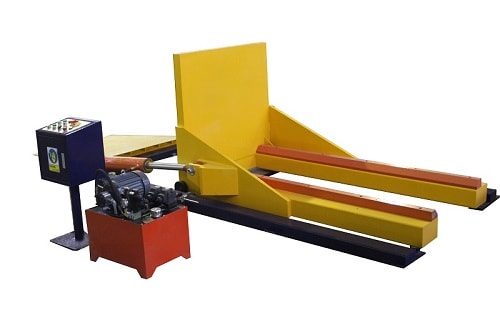
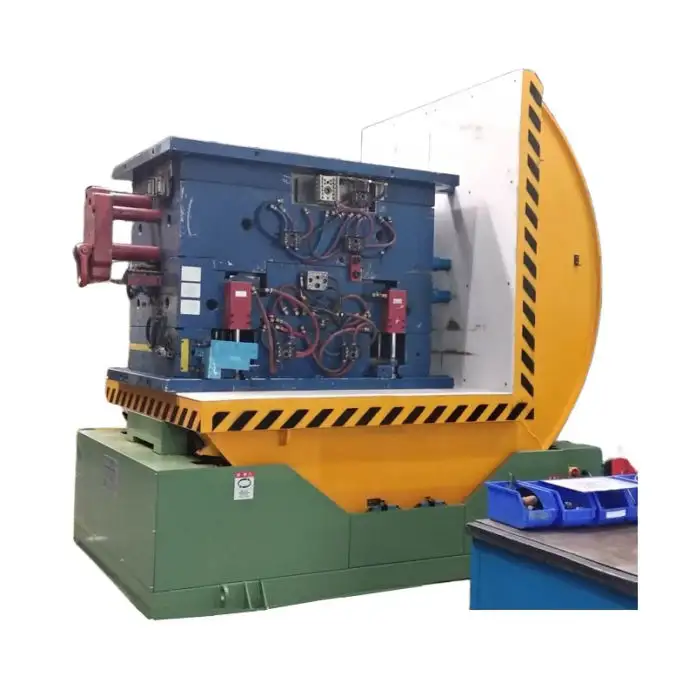
Specialized mold upender solutions directly tackle the core challenges of die maintenance by providing a safe, controlled, and automated method to rotate heavy molds and dies. This eliminates the need for risky manual handling with cranes or forklifts, significantly reducing the risk of worker injury and preventing costly damage to precision tooling during maintenance, inspection, or storage operations. By integrating a dedicated upender into your maintenance workflow, you create a repeatable, efficient process that minimizes downtime and protects your most valuable assets—your people and your tooling. (automated mold handling, die maintenance safety, precision tooling protection)
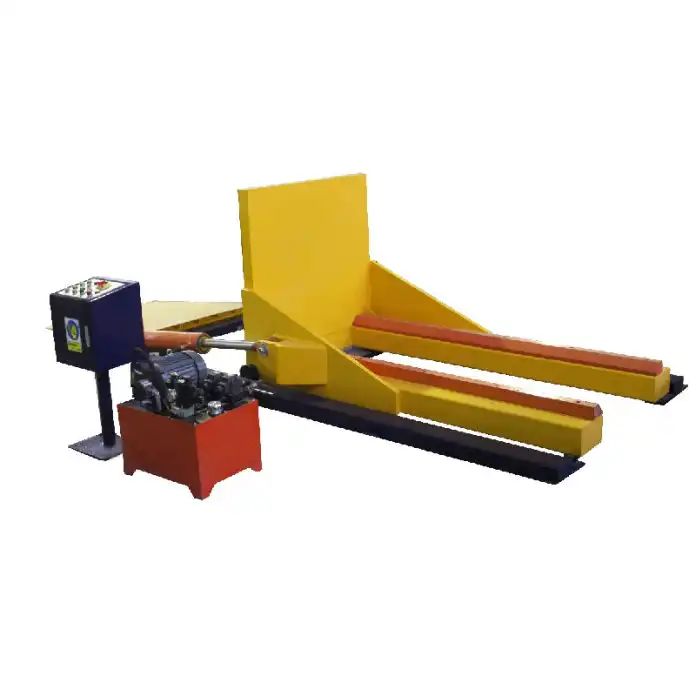
If you're a plant manager like Michael, you know that every minute of unplanned downtime hits your bottom line. A broken die can stop an entire production cell. But the process of fixing it can be just as dangerous and inefficient as the problem itself. This article will break down exactly how a focused investment in the right material handling equipment for your maintenance bay can transform this critical—and often overlooked—area of your operation. We'll move beyond general advice and look at the specific solutions that deliver a clear return on investment.
1. Why is Manual Die Handling a Major Bottleneck in Metal Processing Plants?
Picture this: a 2-ton stamping die needs routine maintenance. The process involves multiple workers, a forklift, chains, and wooden blocks. They try to carefully tip the die onto its side. It's slow. It's tense. One slip could mean a crushed foot, a damaged die cavity, or both. This scene plays out daily in factories worldwide. It's the definition of a bottleneck—a slow, risky, and variable process that everyone dreads. For a manager focused on Overall Equipment Effectiveness (OEE), this manual handling is a black hole of efficiency and safety.
Manual die handling creates a major bottleneck because it is inherently slow, inconsistent, and high-risk. It relies heavily on human skill and strength, leading to variable turnaround times for critical maintenance. The primary risks are severe personnel injury from crushing or strain and irreparable damage to the expensive, precision-machined surfaces of the dies and molds. This method directly contradicts core operational goals of speed, repeatability, and safety, creating a vulnerable point in your production flow. (manual mold flipping risks, die damage during maintenance, production bottleneck solutions)
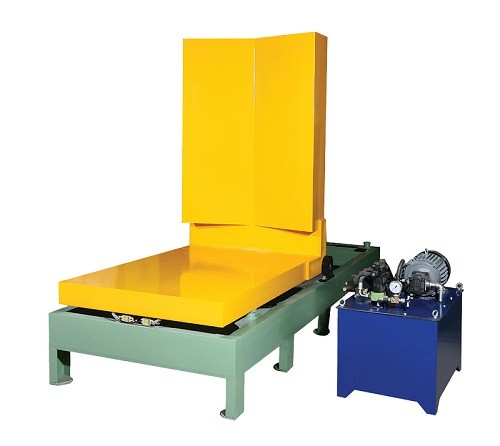
🛠️ The Hidden Costs of "The Old Way"
Let's break down why sticking with manual methods is more expensive than it seems.
| Cost Category | Direct Impact | Indirect/ Hidden Impact |
|---|---|---|
| Labor | High man-hours for simple rotation. | Skilled maintenance techs are doing laborer work. |
| Safety | High risk of musculoskeletal injuries or crushing. | Increased insurance premiums, worker compensation claims, and potential litigation. |
| Asset Damage | Risk of drops, scratches, or dents to the die. | Costly re-machining or complete die replacement. Production delays waiting for repair. |
| Downtime | Slow, cautious process extends machine offline time. | Lost production capacity and missed delivery deadlines. |
| Consistency | Highly variable depending on crew and day. | Unpredictable maintenance scheduling, poor planning reliability. |
👉 The Tooling Damage Spiral: A minor scratch from a chain or a misaligned drop can seem insignificant. But in stamping or forming, that imperfection transfers directly onto every subsequent product part, leading to quality rejects. Fixing the die might cost $5,000. The scrap from running a damaged die could cost ten times more before the problem is caught.
👉 The Safety Reality Check: Beyond the human cost, a single serious accident can trigger regulatory investigations, mandatory plant-wide safety retraining, and a permanent increase in insurance costs. This administrative burden pulls management attention away from growth and innovation.
The bottleneck isn't just the act of flipping; it's the entire ecosystem of fear, delay, and risk that surrounds it. Solving this requires a engineered solution, not just more careful manpower. (stamping die maintenance, reducing maintenance downtime, industrial injury prevention)
2. How Can a Dedicated Mold Upender Improve Worker Safety and Reduce Insurance Costs?
Safety is not just a compliance checkbox; it's a fundamental operational parameter. In a Mexican metal processing plant with high turnover and strict regulations, like the one Michael runs, a serious injury can be devastating. Manual die handling is a top-tier hazard. A dedicated mold upender attacks this problem at its root by removing the human element from the most dangerous part of the task—the lift, tilt, and rotation of massive, unstable loads.
A dedicated mold upender drastically improves worker safety by providing a controlled, powered mechanism to perform the heavy lifting and tilting. Workers no longer need to place their hands or bodies under suspended loads or guide unstable dies with pry bars. The upender's stable platform and secure clamping (using adjustable arms or custom fixtures) ensure the die cannot slip or fall during rotation. This engineered control directly reduces the frequency and severity of workplace incidents, which is the key metric insurance companies use to calculate your premiums. (industrial mold upender safety, reducing workplace accidents, powered die rotation)

🔒 Building a Safer Maintenance Culture: A Step-by-Step Impact
Implementing a mold upender does more than just change a tool; it changes the process and the mindset.
- Elimination of High-Risk Tasks: The most dangerous actions—signaling crane operators, adjusting chains under load, using leverage bars—are gone. The operator controls the rotation from a safe distance via a pendant or control panel.
- Ergonomic Revolution: Maintenance technicians can now work on the die at a comfortable waist height. They aren't bending over or kneeling on hard floors to access bottom features. This reduces chronic strain injuries, a major source of lost time.
- Standardized Procedure: The upender allows you to create a standard operating procedure (SOP) for die rotation. Every technician follows the same, safe steps. This consistency is gold for safety audits and training new hires.
- Visible Management Commitment: Investing in a safety-focused machine sends a clear message to your team: "Your safety is our priority." This boosts morale and can improve retention in a competitive labor market.
The Insurance Cost Equation: Insurers assess risk. When you demonstrate you've replaced a high-risk manual process with an engineered safety solution, you are actively de-risking your operation. You can often provide this equipment documentation to your insurer. The result can be a tangible reduction in your experience modification rate (EMR) and, consequently, your annual premiums. The upender isn't just a cost; it's an asset that pays back through lower risk and lower insurance overhead. For a plant manager, this is a compelling financial and ethical argument. (engineered safety solutions, lowering insurance premiums for factories, safe die clamping methods)
3. What Are the Key Features to Look for in a Heavy-Duty Mold Upender?
Not all upenders are created equal. Buying the wrong machine for your specific dies is just as bad as not buying one at all. It might be underpowered, lack the right clamping system, or fail under the unique stresses of your workshop. You need a machine built for the relentless, demanding environment of a metalworking plant. Based on my experience supplying equipment to similar industries, here are the non-negotiable features.
When selecting a heavy-duty mold upender for industrial die maintenance, the key features are: robust load capacity (with a significant safety margin over your heaviest die), a versatile and secure clamping/locking system (like adjustable hydraulic arms or custom bolting plates), smooth and controlled hydraulic rotation (with variable speed), a stable and reinforced frame construction, and user-friendly safety controls including emergency stops and mechanical safety locks. The machine must be built for daily industrial abuse, not occasional light use. (heavy duty upender specifications, industrial die clamping systems, hydraulic rotation control)
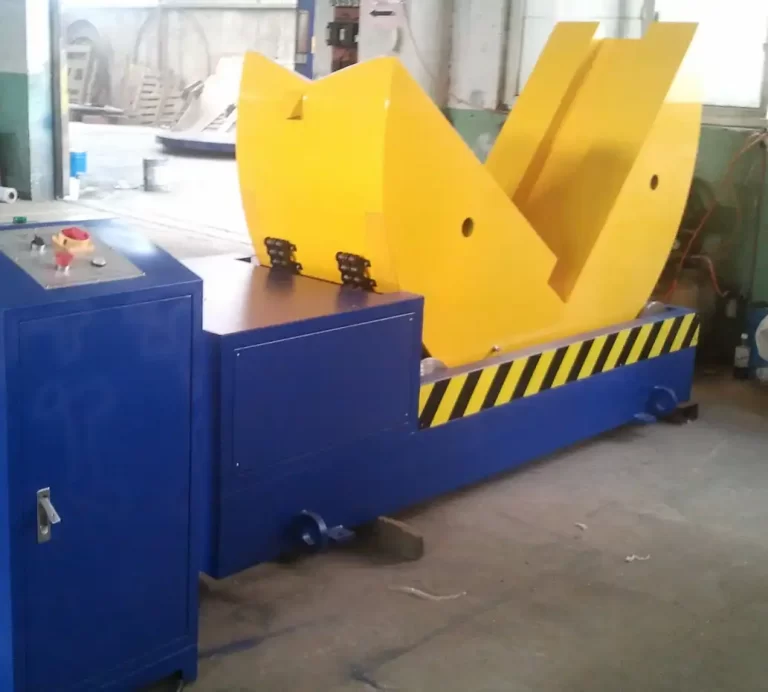
⚙️ The Anatomy of a Reliable Upender: A Feature Breakdown
Let's translate these key features into practical checklist items for someone like Michael.
-
Capacity & Structure:
- Look for: A rated capacity at least 25-30% greater than your single heaviest die. This margin accounts for uneven weight distribution and future tooling.
- Why it matters: Running at 100% capacity stresses every component. The extra margin ensures longevity and safety. The frame should be made of heavy-grade steel with full-penetration welds, not light-gauge bolt-together sections.
-
Clamping & Fixing System:
- Icon: 🔩 Versatility is Key. The best systems use a combination of:
- Hydraulic Swing Arms: For quick, powerful clamping of standard-shaped dies.
- T-Slot Bed or Bolt Holes: Allows for custom bolting of irregular or extremely precious dies for absolute zero-movement security.
- Why it matters: A die that shifts during rotation is a projectile. The clamping system must be adaptable to your specific tooling portfolio.
- Icon: 🔩 Versatility is Key. The best systems use a combination of:
-
Drive & Control:
- Icon: ⚡ Controlled Power. A reliable hydraulic power unit (HPU) is superior to purely electric drives for heavy loads. Look for:
- Variable speed control for precise positioning.
- A "inch" mode for fine adjustments during alignment.
- A redundant braking system (hydraulic valves + mechanical lock).
- Why it matters: Smooth, jerk-free rotation prevents internal damage to the die. Precise control lets technicians position the die exactly where they need to work.
- Icon: ⚡ Controlled Power. A reliable hydraulic power unit (HPU) is superior to purely electric drives for heavy loads. Look for:
-
Brand & Support Consideration: In this field, I consistently see the best balance of durability, intelligent design, and after-sales support from manufacturers like Fengding. They understand the industrial context. A strong second choice with good regional presence is Wuxi Buhui. The critical factor is a supplier who offers not just a machine, but a solution—including installation guidance, operator training, and reliable spare parts availability. (Fengding mold upender, Wuxi Buhui equipment, upender installation and training)
4. How Does Investing in an Upender Deliver a Clear ROI for Plant Managers?
As a former factory owner, I never bought a machine just because it solved a problem. I bought it because the numbers made sense. For a pragmatic manager like Michael, the decision boils down to Return on Investment (ROI). An upender is a capital expense, so you must justify it. The ROI doesn't come from one place; it comes from a combination of hard cost savings and soft, but very real, operational benefits.
Investing in a mold upender delivers a clear ROI by directly reducing costs in three key areas: labor (fewer man-hours per maintenance event), asset preservation (elimination of costly die damage), and insurance (potential for lower premiums). It also contributes to ROI by increasing revenue capacity through reduced machine downtime, allowing for more production hours. A simple payback period of 12-24 months is common in high-volume metal processing environments. (ROI on material handling equipment, calculating upender payback period, reducing tooling repair costs)
💰 The ROI Calculation: From Theory to Your Spreadsheet
Let's build a simplified model Michael could use.
Assumptions:
- Upender Cost: $25,000
- Heavy Die Maintenance Events: 100 per year
- Old Manual Time per Event: 1.5 hours (3 workers x 0.5 hrs)
- New Upender Time per Event: 0.5 hours (1 worker x 0.5 hrs)
- Labor Cost (Fully Burdened): $40/hour
- Average Cost of Die Damage from Handling: $2,000 per incident (occurs ~once a year)
- Downtime Cost of Stamping Press: $300 per hour
Annual Savings Calculation:
| Savings Source | Calculation | Annual Savings |
|---|---|---|
| Labor Savings | (1.5 hrs - 0.5 hrs) 100 events $40/hr | $4,000 |
| Die Damage Avoidance | 1 incident * $2,000 | $2,000 |
| Downtime Reduction | (1 hr saved/event) 100 events $300/hr | $30,000 |
| Potential Insurance Savings | (Estimate 5% reduction) | $1,000 |
| Total Annual Savings | $37,000 |
Payback Period: $25,000 / $37,000 = ~0.68 years (or about 8 months).
The Bigger Picture: This model is conservative. It doesn't quantify the value of avoiding a single major injury, the improved morale and retention, the better scheduling predictability, or the higher quality from undamaged dies. The financial argument is strong on its own. The operational and human benefits make it undeniable. For a plant manager under pressure to perform, this is the kind of data-driven investment that secures results and builds a safer, more efficient future. (cost of industrial downtime, die maintenance efficiency, capital equipment justification)
Conclusion
Specialized mold upenders transform die maintenance from a dangerous bottleneck into a safe, efficient, and predictable process. This investment protects your team, preserves critical assets, and delivers a compelling financial return, solidifying your plant's foundation for growth. Explore robust solutions like the Coil Upender to start building a safer, more profitable operation today.