Pallet Inverters: Streamlining Material Handling
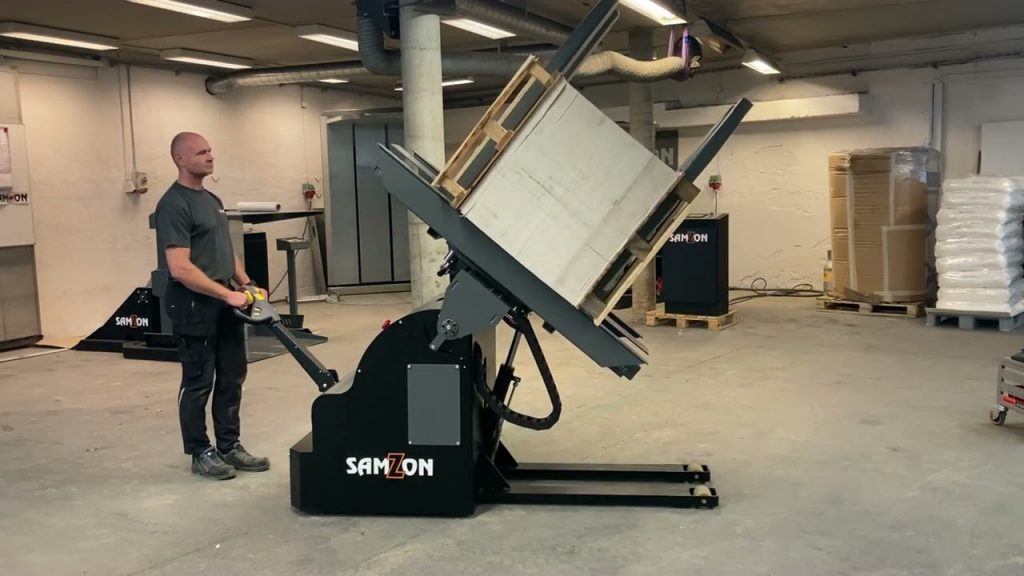
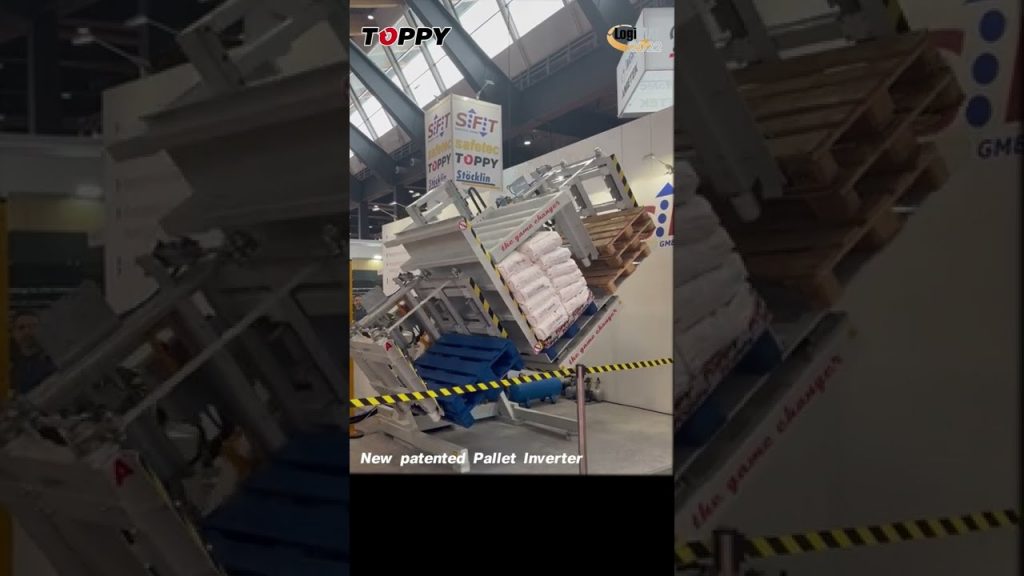
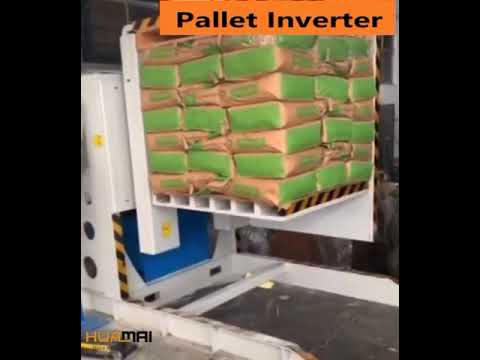
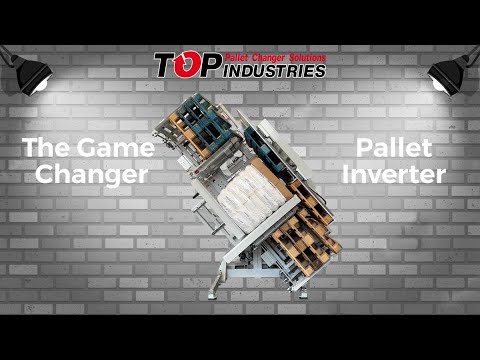
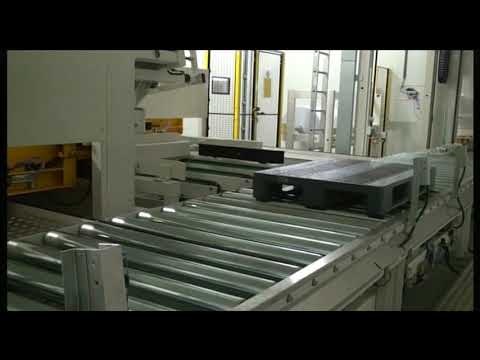
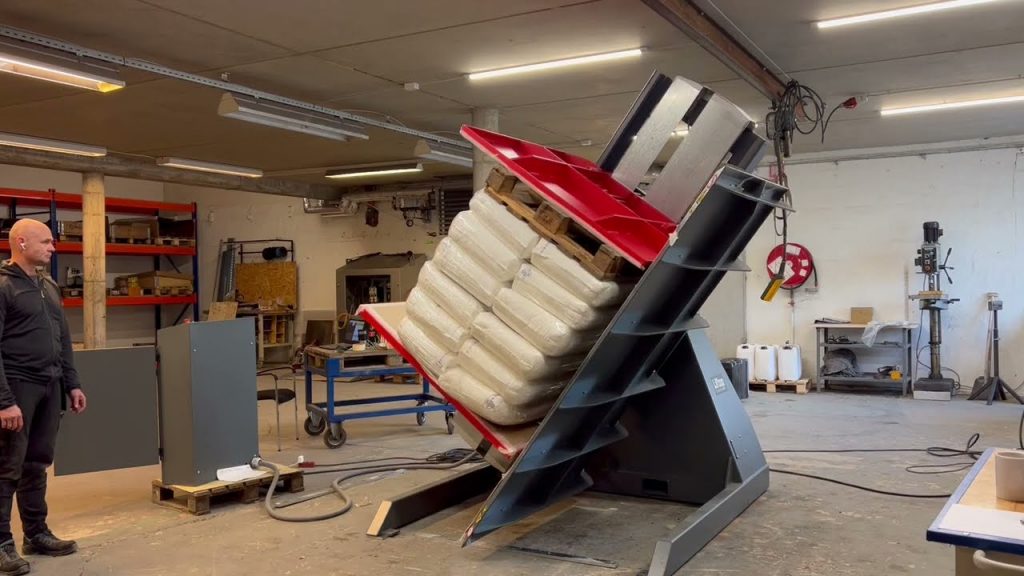
In material handling and logistics, pallet inverters play a crucial role in optimizing warehouse storage space and reducing operational costs. This equipment makes it possible to transfer pallet loads between different pallet types - such as from wood to plastic - or even turn the pallet load upside down in one swift motion. This enables organizations to handle products in an efficient and cost-effective manner.
In this article, we will discuss the benefits and features of pallet inverters, as well as how you can choose the right pallet inverter for your business needs.
Why Use Pallet Inverters?
Pallet inverters help organizations streamline their material handling by providing a quick and efficient way to switch pallet types and re-orient loads. Here are some of the key benefits of using pallet inverters:
1. Reducing Labor Costs: Pallet inverters automate the process of transferring loads from one pallet to another, eliminating the need for manual labor. This reduces the time and manpower required to complete this task, ultimately reducing operational costs.
2. Maximizing Storage Space: By converting pallet loads from wider and bulkier wooden pallets to sleeker plastic ones, pallet inverters create more storage space within the warehouse. This enables organizations to store more products in the same amount of space, significantly optimizing warehouse storage capacity.
3. Enhancing Safety: Pallet inverters automate the process of turning pallet loads, minimizing the risk of workplace injuries. By eliminating manual labor, there is also a reduction in the likelihood of workers accidentally dropping or damaging products.
Features of Pallet Inverters
The features of pallet inverters vary depending on their design and the intended use case. Here are some of the key features to look for when selecting a pallet inverter:
1. Load Capacity: The load capacity of the pallet inverter can range from a few hundred pounds to several tons. Identify the maximum weight of the heaviest pallet load you intend to transfer and select a pallet inverter that can handle that weight.
2. Pallet Sizes: Pallet inverters can handle standard pallets, as well as non-standard ones of various shapes and sizes. Ensure that the pallet inverter you choose can accommodate the sizes you need for the products you handle.
3. Power Supply: Pallet inverters can be powered by electricity, air pressure, or hydraulic systems. Select a power source that suits your operational needs and budget.
4. Control Panel: The control panel should be user-friendly and intuitive for operators to use. Look for pallet inverters with features such as automatic leveling and automatic mode switching for greater convenience and safety.
Choosing the Right Pallet Inverter for Your Needs
When it comes to selecting the right pallet inverter for your needs, there are several factors you should consider. Here are some of the most important ones:
1. Operational Needs: First and foremost, you need to consider your operational needs. Determine the size and weight of your pallet loads, as well as how often you need to switch pallet types. If you are dealing with heavy loads, consider a more heavy-duty pallet inverter that can handle larger weights.
2. Budget: Pallet inverters can vary in price depending on their features, load capacity, and power source. Determine your budget and invest in a pallet inverter that provides the most value for your investment.
3. Maintenance Costs: Regular maintenance is necessary to keep pallet inverters in good working condition. Consider the ongoing maintenance costs of a pallet inverter and factor that into your decision-making process.
4. Supplier Reputation: Choose a reputable supplier with a history of providing quality pallet inverters and excellent customer service. Check customer reviews and testimonies to ensure that you are investing in a reliable piece of equipment.
Conclusion
Pallet inverters can greatly optimize warehouse storage capacity and reduce operational costs. They provide a quick and efficient way to switch pallet types and re-orient loads, ultimately streamlining material handling processes. When choosing a pallet inverter, consider your operational needs, budget, maintenance costs, and supplier reputation to determine the right equipment for your needs.