# Mold Upenders vs. Traditional Mold Handling: Which Is Better?
## Introduction
- Explanation of the importance of mold handling and how it affects product quality
- Brief description of mold upenders and traditional mold handling
## Traditional Mold Handling
- Definition and explanation of traditional mold handling
- Advantages and disadvantages of traditional mold handling
- Examples of traditional mold handling techniques
## Mold Upenders
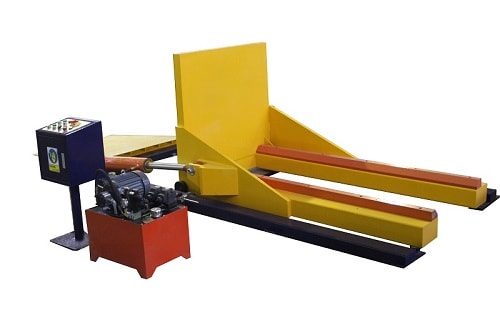
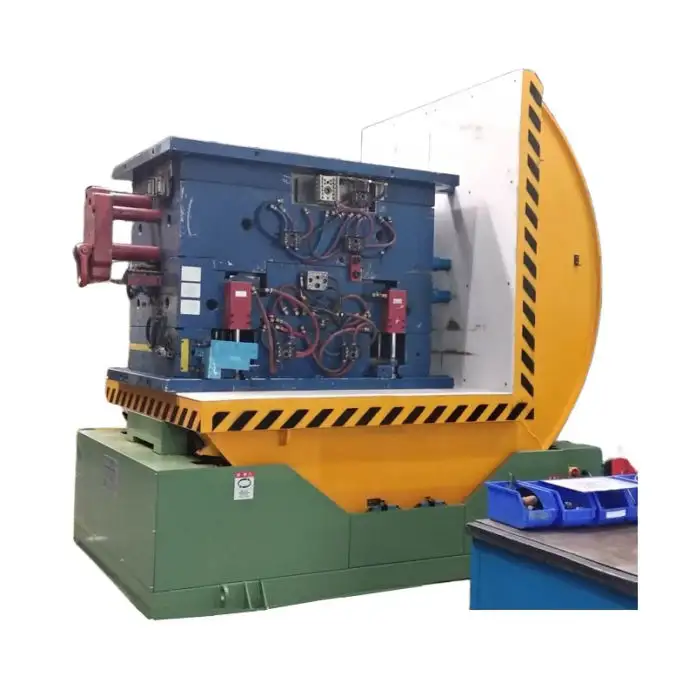
- Definition and explanation of mold upenders
- Advantages and disadvantages of mold upenders
- Examples of mold upenders in use
## Comparison between Mold Upenders and Traditional Mold Handling
- Cost comparison
- Safety comparison
- Time comparison
- Efficiency comparison
- Environmental impact comparison
## Real-World Examples
- Specific industries that use mold upenders or traditional mold handling
- Examples of companies that have switched from traditional mold handling to mold upenders, or vice versa
- Analysis of the benefits and drawbacks experienced by these companies
## Overcoming Concerns
- Common concerns when switching from traditional mold handling to mold upenders
- Solutions to these concerns
- Ways to ensure a successful transition to mold upenders
## Future of Mold Handling
- Advances in mold handling technologies
- Predictions for the future of mold handling
## Conclusion
- Summary of the advantages and disadvantages of both mold upenders and traditional mold handling
- Final opinion on which is better
- Call to action for readers to consider their own needs and make an informed decision
## FAQs
1. Are mold upenders more expensive than traditional mold handling techniques?
2. Can traditional mold handling techniques be modified for safety?
3. How long does it take to switch from traditional mold handling to mold upenders?
4. Is there a minimum amount of molds needed for mold upenders to be cost-effective?
5. Are there any environmental benefits to using mold upenders over traditional mold handling techniques?
### 1. Are mold upenders more expensive than traditional mold handling techniques?
Mold upenders are generally more expensive upfront than traditional mold handling techniques. However, over time, mold upenders can save money due to increased efficiency and reduced labor costs.
### 2. Can traditional mold handling techniques be modified for safety?
Yes, traditional mold handling techniques can be modified to improve safety. This can include adding safety features such as sensors, using ergonomic equipment, and providing training for employees.
### 3. How long does it take to switch from traditional mold handling to mold upenders?
The timeframe for switching from traditional mold handling to mold upenders can vary depending on the specific situation. However, it usually takes several weeks to several months to make the transition.
### 4. Is there a minimum amount of molds needed for mold upenders to be cost-effective?
The minimum amount of molds needed for mold upenders to be cost-effective depends on factors such as the price of the equipment and labor costs. However, in general, mold upenders become more cost-effective as the number of molds increases.
### 5. Are there any environmental benefits to using mold upenders over traditional mold handling techniques?
Yes, mold upenders can have environmental benefits over traditional mold handling techniques. This can include reducing waste and emissions, as well as using less energy for mold handling.