Are you tired of inefficient and labor-intensive coil packing processes? Imagine a seamless, automated system that not only boosts productivity but also ensures the safety and integrity of your valuable coil products. It's time to explore the transformative power of automatic strapping machines in diverse coil packing lines!
Automatic strapping machines integrate into coil packing lines to secure and protect coils of various materials like steel, copper, and aluminum. By automating the strapping process, these machines enhance efficiency, reduce labor costs, and ensure consistent packaging quality across different coil types and sizes.
Ready to revolutionize your coil packing process? Let's dive into the world of automatic strapping machines and discover how they can optimize your operations.
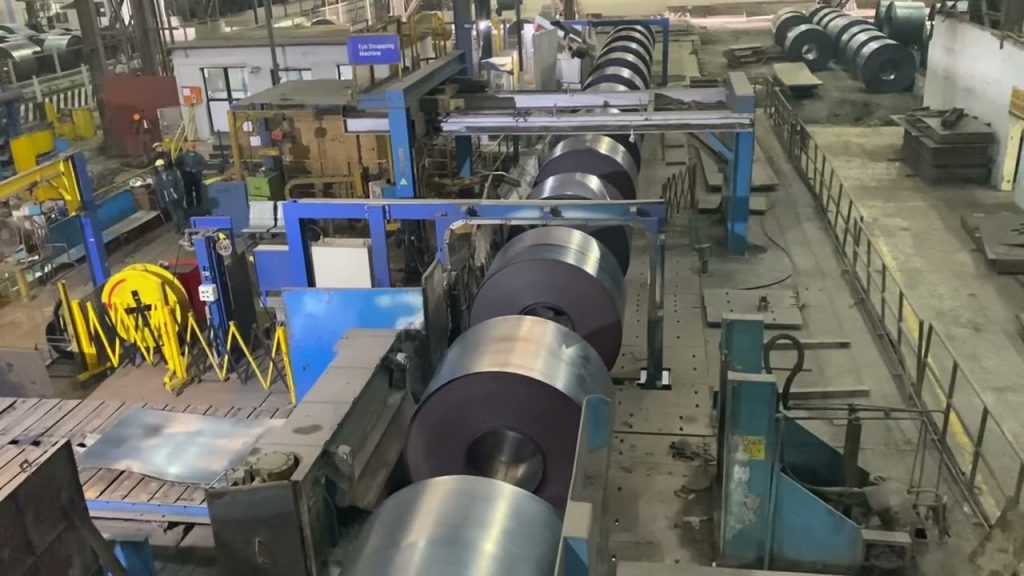
Automatic Steel Coil Packaging Line
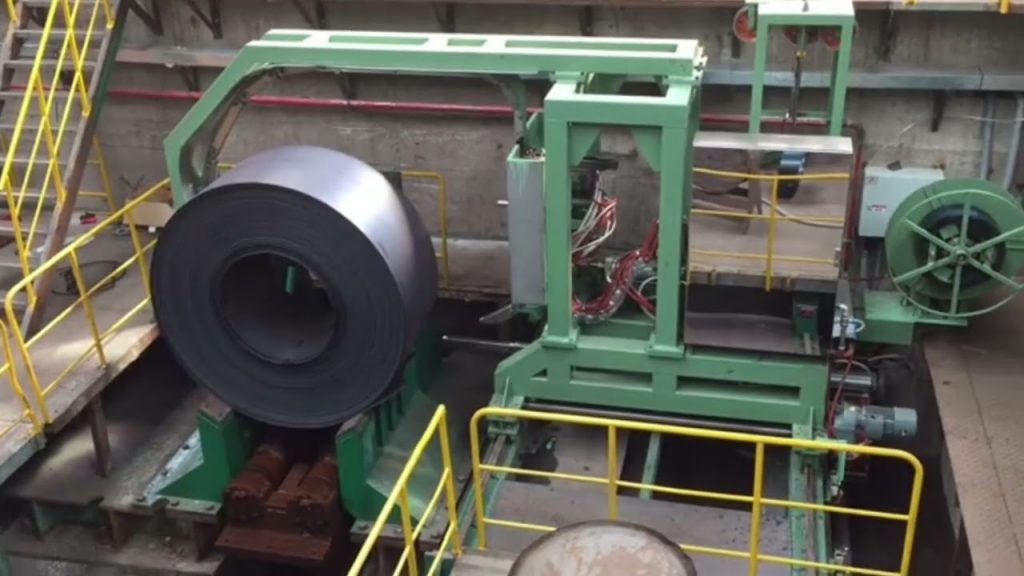
Steel coils demand robust and reliable packaging solutions to withstand the rigors of transportation and storage. Envision a streamlined process where steel coils are securely strapped, ensuring their stability and preventing damage. This is the promise of automatic strapping machines in steel coil packaging lines.
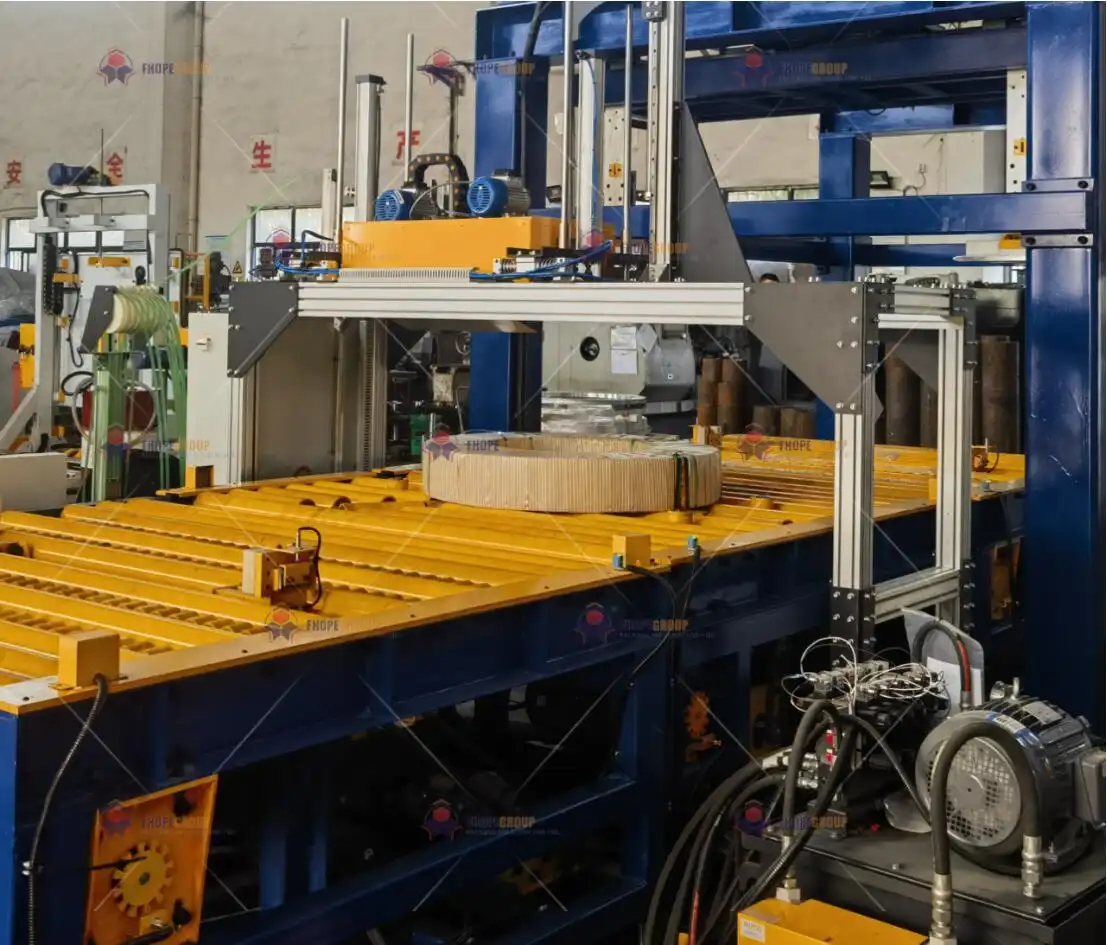
Automatic steel coil packaging lines use strapping machines to tightly secure steel coils with materials like steel or PET. This ensures stability during handling and transit, preventing unraveling or damage. These lines often include features like automatic coil centering, edge protection application, and tension control for consistent strapping.
Let's dive deeper and examine specific solutions and challenges within this critical area of coil processing.
Dive Deeper: Optimizing Steel Coil Packaging with Automatic Strapping
The integration of automatic strapping machines into steel coil packaging lines is a complex process, demanding careful consideration of coil dimensions, weight, and material properties. By understanding the nuances of these systems, businesses can dramatically improve efficiency and reduce operational costs.
Coil Dimensions and Weight: Finding the Right Fit
Steel coils vary significantly in size and weight, which directly impacts the strapping requirements. Smaller, lighter coils might only require a single strap, while larger, heavier coils need multiple straps to ensure stability.
The following table illustrates how coil dimensions and weight correlate with the necessary strapping configuration:
| Coil Weight (tons) | Coil Diameter (mm) | Coil Width (mm) | Number of Straps | Strap Material |
|---|---|---|---|---|
| 5 | 1000 | 500 | 2 | PET |
| 10 | 1500 | 800 | 3 | Steel |
| 15 | 1800 | 1000 | 4 | Steel |
| 20+ | 2000+ | 1200+ | 5+ | Steel |
As you can see, larger and heavier coils need more straps and stronger strap materials like steel to maintain structural integrity.
Horizontal vs. Vertical Strapping: Choosing the Best Orientation
The orientation of the strapping process is another crucial decision. Horizontal strapping is often preferred for its ease of implementation and accessibility. However, vertical strapping provides better stability, especially for tall or narrow coils.
Here's a comparison of horizontal and vertical strapping:
| Feature | Horizontal Strapping | Vertical Strapping |
|---|---|---|
| Stability | Good for wide coils | Excellent for tall, narrow coils |
| Accessibility | Easy access for maintenance | More complex maintenance |
| Integration | Simpler to integrate | Requires specialized equipment |
| Cost | Generally lower initial cost | Higher initial investment |
Selecting the right orientation depends on the specific characteristics of the coils and the overall layout of the packaging line.
Material Selection: Steel vs. PET Strapping
The choice of strapping material – typically steel or PET (Polyethylene Terephthalate) – depends on several factors, including coil weight, required tensile strength, and environmental considerations.
- Steel Strapping: Offers exceptional tensile strength and is ideal for heavy coils that require maximum security. However, it is more expensive and prone to corrosion.
- PET Strapping: Provides a good balance of strength and flexibility, making it suitable for medium-weight coils. It is also recyclable and less likely to damage coil surfaces.
The following table summarizes the key differences between steel and PET strapping:
| Feature | Steel Strapping | PET Strapping |
|---|---|---|
| Tensile Strength | Very High | High |
| Cost | Higher | Lower |
| Corrosion Resistance | Low | High |
| Recyclability | Low | High |
| Elongation | Low | Moderate |
Ultimately, the selection of strapping material should align with the specific demands of the application and the overall sustainability goals of the operation.
Edge Protection: Preventing Coil Damage
Sharp edges on steel coils can damage the strapping material, compromising its integrity. Applying edge protection – typically cardboard or plastic strips – is crucial to prevent this.
Automatic edge protection applicators can be seamlessly integrated into the strapping line to ensure consistent and reliable protection.
By carefully considering these factors, businesses can optimize their steel coil packaging lines with automatic strapping machines, achieving greater efficiency, reduced costs, and improved product protection.
Automatic Copper Coil Packaging Line
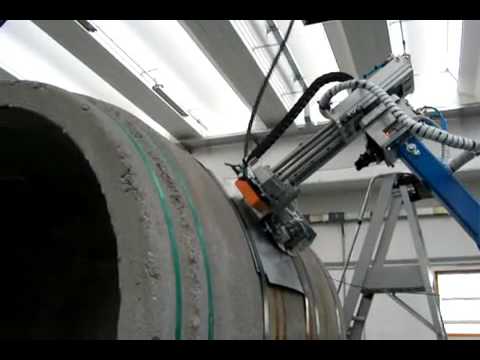
Copper coils, prized for their conductivity and malleability, demand careful handling and packaging to prevent damage and maintain their quality. Imagine copper coils moving seamlessly through an automated line, each one perfectly strapped and ready for shipment. This is where automatic strapping machines shine.
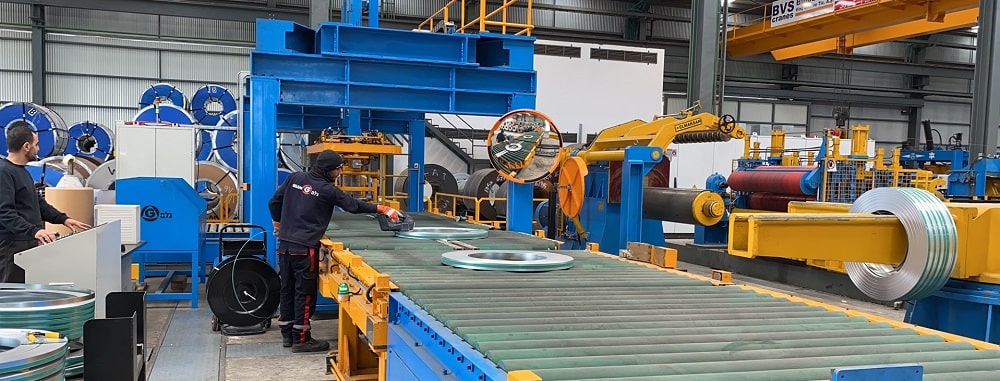
Automatic strapping machines in copper coil packaging lines ensure that coils are securely bound to prevent unwinding and damage during transit. The choice of strapping material, often polypropylene or polyester, depends on the coil's weight and size. These lines also minimize manual handling, reducing the risk of dents and scratches.
Let's explore how automation transforms copper coil packaging, boosting efficiency and safeguarding product integrity.
Maximizing Efficiency in Copper Coil Handling and Strapping
Copper coils present unique challenges in packaging due to their susceptibility to surface damage and the need for secure containment. Automatic strapping machines, when integrated into a well-designed packaging line, offer a solution that balances efficiency with product protection.
By automating the strapping process, these machines significantly reduce the need for manual labor, minimizing the risk of handling-related damage and ensuring consistent strap tension. This leads to improved coil stability and reduced material waste.
Automatic Aluminum Coil Packing Line
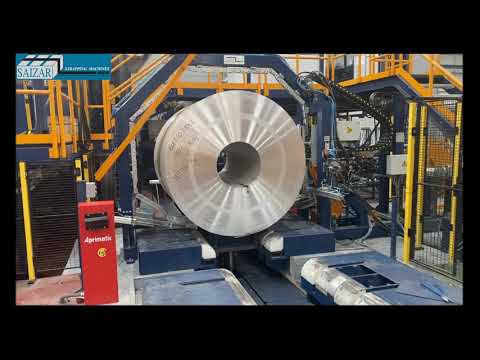
Aluminum coils, known for their lightweight and corrosion resistance, require packaging solutions that protect their delicate surfaces while ensuring stability during transit. Picture aluminum coils swiftly and securely strapped, ready to meet the demands of global supply chains. This is the promise of automatic strapping machines in aluminum coil packing.
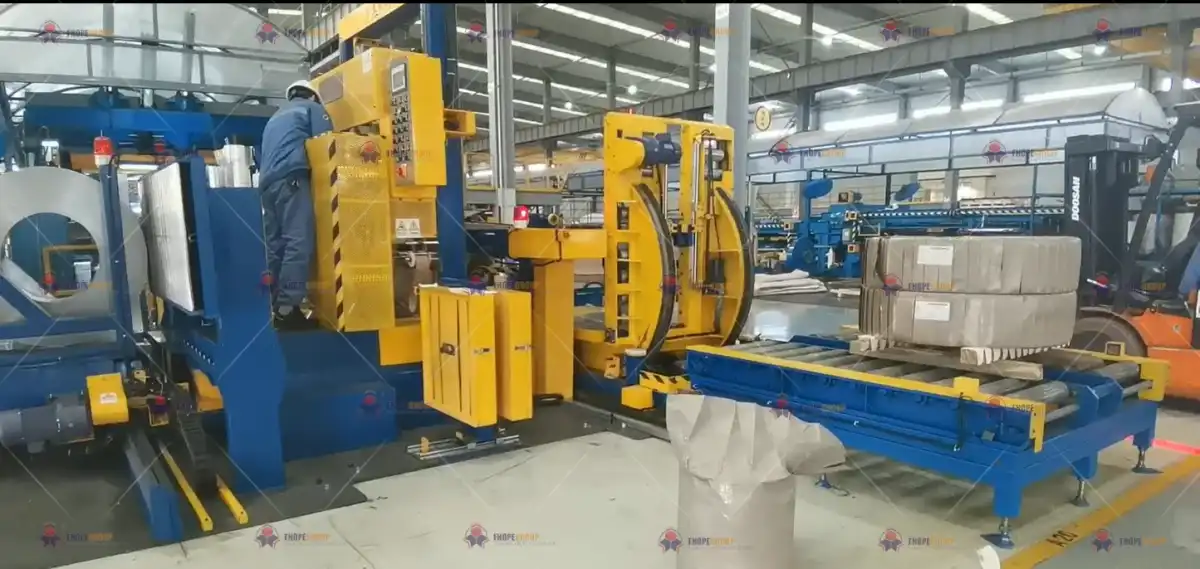
Automatic aluminum coil packing lines employ strapping machines to gently yet firmly secure aluminum coils. Because aluminum is softer than steel, these lines often use wider, softer strapping materials like polypropylene to prevent surface damage. Features like adjustable tension control are crucial for preventing deformation while ensuring the coil remains stable.
Let's delve into the specific advantages of automating aluminum coil packaging, focusing on both efficiency gains and surface protection.
Advanced Techniques for Aluminum Coil Strapping
The integration of automatic strapping machines into aluminum coil packing lines requires careful consideration of the material's unique properties. Aluminum, being softer than steel, is prone to scratching and deformation if not handled and strapped correctly.
Implementing Controlled Tension Systems
One of the most critical aspects of strapping aluminum coils is the application of controlled tension. Excessive tension can cause the coil to deform, leading to reduced product quality and potential customer dissatisfaction. Automatic strapping machines equipped with precise tension control systems ensure that the strapping is applied just tight enough to secure the coil without causing damage. This is achieved through:
- Feedback Loops: Utilizing sensors to monitor the tension in real-time.
- Programmable Logic Controllers (PLCs): Allowing operators to set specific tension parameters for different coil sizes and alloys.
- Servo-Driven Systems: Providing precise and consistent control over the strapping mechanism.
These features minimize the risk of over-tightening and ensure that each coil is uniformly secured.
Using Protective Strapping Materials
The choice of strapping material also plays a significant role in protecting aluminum coils. While steel strapping is often used for its high tensile strength, it can easily scratch or dent the surface of aluminum. Alternative materials such as polypropylene (PP) and polyester (PET) offer a softer, more forgiving option.
| Material | Tensile Strength | Surface Protection | Cost |
|---|---|---|---|
| Steel | High | Low | High |
| PET | Medium | Medium | Medium |
| PP | Low | High | Low |
PP strapping is particularly well-suited for lightweight aluminum coils that require minimal tension. PET strapping offers a balance of strength and surface protection for heavier coils. By selecting the appropriate strapping material, manufacturers can significantly reduce the risk of surface damage.
Integrating Edge Protection
Sharp edges on aluminum coils can also compromise the integrity of the strapping material. To prevent this, edge protectors can be integrated into the automatic strapping line. These protectors, typically made of cardboard or plastic, are placed between the strapping and the coil edges to distribute the pressure and prevent cutting or tearing.
Benefits of Automation
By implementing these advanced techniques, manufacturers can realize several benefits:
- Reduced Material Waste: Precise tension control minimizes the need for re-strapping due to damage.
- Improved Product Quality: Gentle handling and appropriate materials prevent surface scratches and deformation.
- Increased Throughput: Automated systems operate faster and more consistently than manual processes.
- Lower Labor Costs: Automation reduces the need for manual labor, freeing up personnel for other tasks.
In summary, the successful integration of automatic strapping machines into aluminum coil packing lines hinges on careful attention to tension control, material selection, and edge protection. By implementing these best practices, manufacturers can ensure that their aluminum coils are securely packaged and protected from damage, enhancing their value and customer satisfaction.
Automatic Hose Coil Packing Line
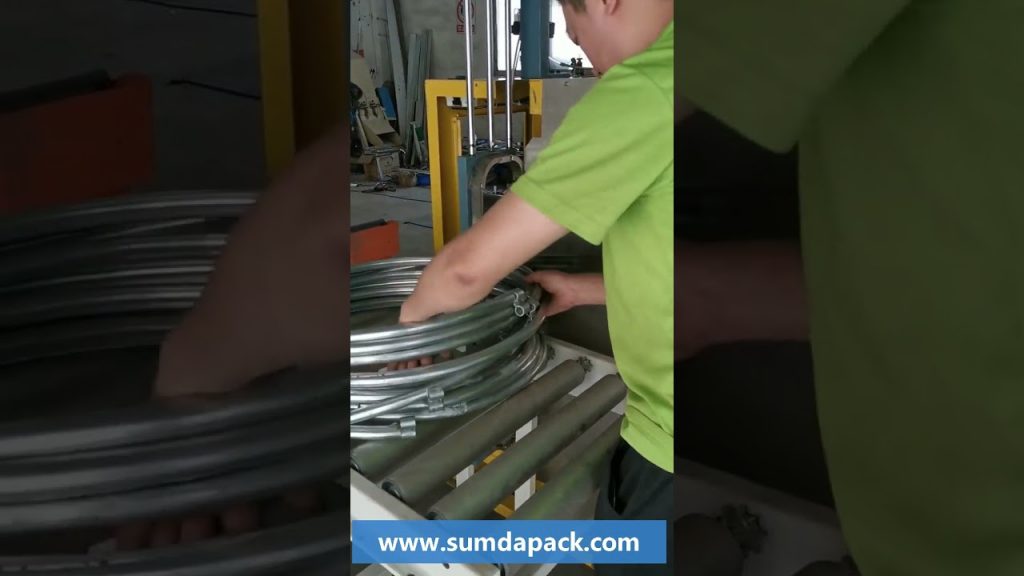
Hose coils, with their unique flexibility and varying dimensions, require specialized packaging solutions to prevent damage and maintain their shape. Imagine a seamless process where hose coils are perfectly wound, strapped, and prepared for distribution. This is the efficiency that automatic hose coil packing lines bring to the table.
Automatic hose coil packing lines integrate coiling, wrapping, and strapping functions to efficiently package flexible materials like hoses. The strapping machine ensures that the coiled hose maintains its shape during handling and transportation. These lines can be customized to accommodate different hose diameters and coil sizes, ensuring a snug and secure fit.

Below is more information on what you’ve been searching for and why it matters.
Enhancing Efficiency and Precision in Hose Coil Packaging
The integration of automatic strapping machines into hose coil packing lines addresses several critical challenges in the packaging of flexible materials. Unlike rigid coils, hose coils are susceptible to unraveling and deformation, which can lead to product damage and increased handling costs.
Precision Control Systems
A key component of any hose coil packing line is the precision control system that governs the strapping process. This system must be capable of:
- Detecting Coil Dimensions: Sensors automatically measure the diameter and width of each coil.
- Adjusting Strapping Tension: The system adjusts the strapping tension to prevent over-tightening, which can damage the hose.
- Positioning Straps Accurately: Precise positioning ensures that the straps are evenly distributed around the coil, providing uniform support.
Integration with Coiling and Wrapping
Automatic strapping machines are often integrated with coiling and wrapping systems to create a fully automated packaging line.
| Function | Description | Benefit |
|---|---|---|
| Coiling | The hose is automatically coiled to a pre-determined diameter. | Consistent coil size and shape. |
| Wrapping | The coil is wrapped in protective material, such as plastic film or paper. | Protection from moisture, dust, and abrasion. |
| Strapping | The wrapped coil is secured with one or more straps. | Prevents unraveling and maintains coil integrity. |
Benefits of Automatic Strapping
The benefits of incorporating automatic strapping machines into hose coil packing lines are numerous:
- Reduced Labor Costs: Automation reduces the need for manual labor, freeing up personnel for other tasks.
- Increased Throughput: Automated systems operate faster and more consistently than manual processes.
- Improved Product Quality: Gentle handling and appropriate materials prevent surface scratches and deformation.
- Consistent Packaging: Strapping is applied uniformly, ensuring that each coil is securely packaged.
- Reduced Material Waste: Precise tension control minimizes the need for re-strapping due to damage.
Enhancing Coil Integrity
One of the primary goals of strapping is to enhance the integrity of the hose coil during handling, storage, and transportation. Straps prevent the coil from unraveling, which can lead to tangling and damage.
In summary, the successful integration of automatic strapping machines into hose coil packing lines hinges on precision control, seamless integration with other packaging functions, and careful consideration of the hose material. By implementing these best practices, manufacturers can ensure that their hose coils are securely packaged and protected from damage, enhancing their value and customer satisfaction.
Automatic Wire Coil Packing Line

Wire coils, from delicate copper strands to robust steel cables, demand packaging solutions that maintain their shape and prevent unraveling. Imagine wire coils smoothly transitioning through an automated line, each one perfectly strapped and ready for distribution. This is the efficiency automatic wire coil packing line。
Automatic wire coil packing lines use strapping machines to secure wire coils, preventing unwinding and damage during transit. The machines apply consistent tension to maintain coil integrity. By automating the process, these lines reduce labor costs and improve packaging efficiency.
For wire coils, the integration of automatic strapping machines not only boosts productivity but also preserves the integrity of the product. This ensures that the wire reaches its destination in optimal condition, ready for its intended use. The benefits of this technology far outweigh the initial investment, making it a cornerstone of modern wire manufacturing.
Conclusion
Automatic strapping machines are revolutionizing coil packing lines across diverse industries. By automating the strapping process, these machines enhance efficiency, reduce labor costs, improve safety, and ensure consistent packaging quality. Whether you're dealing with steel, copper, aluminum, or hose coils, integrating an automatic strapping machine can transform your operations and provide a competitive edge. Embrace the future of coil packing with coil packing automation.