Coil Upender Systems for High-Volume Coil Handling in Asia?
In the bustling industrial landscapes of Asia, where steel mills and metal processing plants operate at a relentless pace, a single bottleneck can ripple into massive financial losses. Picture this: a production line humming with activity, coils rolling off the line one after another, only to hit a wall at the final stage—manual handling. Workers scramble, cranes swing, and the risk of damage and injury climbs with every passing minute. This isn't just an operational hiccup; it's a direct threat to profitability and safety in a region defined by high-volume output and fierce competition. The pressure to maintain a seamless flow from production to dispatch is immense, and the traditional methods are breaking under the strain.
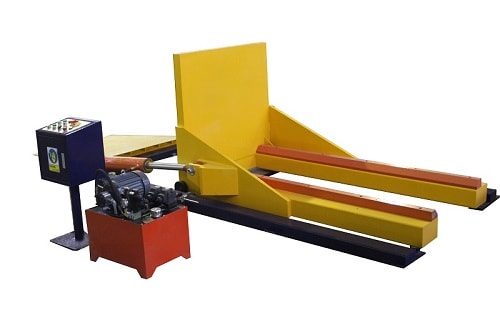
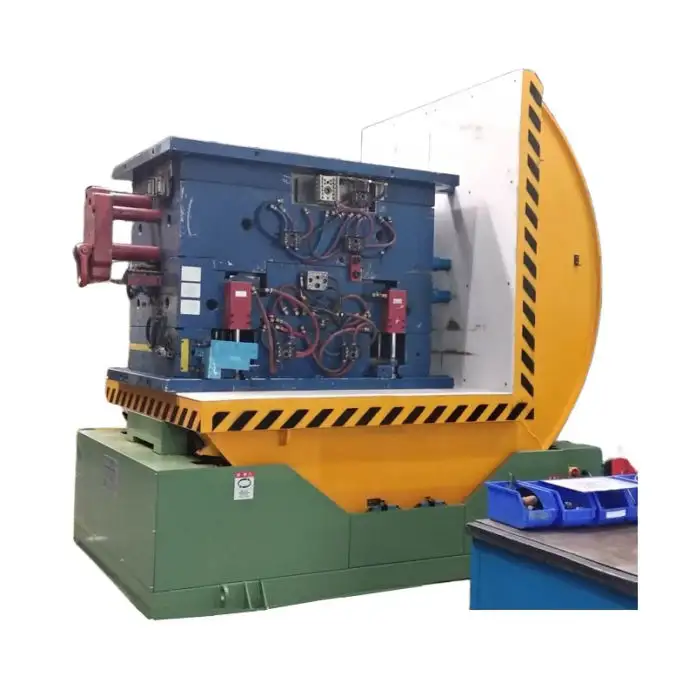
A coil upender system is a specialized material handling machine designed to safely and efficiently rotate or "upend" heavy coils, typically steel or aluminum, from a horizontal to a vertical orientation (or vice-versa). For high-volume coil handling operations in Asia, these systems are not just equipment; they are critical automation solutions that eliminate manual labor bottlenecks, drastically improve workplace safety, and protect product integrity, directly addressing the core challenges of speed, safety, and cost in the region's demanding metal industries. (automated coil handling, heavy-duty coil rotation equipment)

The decision to invest in such a system goes beyond a simple purchase. It's about finding a strategic partner who understands the unique pressures of Asian manufacturing—the need for durability that withstands 24/7 cycles, the demand for ROI that translates to clear bottom-line results, and the necessity of local support that acts fast. As someone who has built a business from the factory floor up, I know that the right equipment, paired with the right knowledge, can transform a production bottleneck into your greatest competitive advantage. Let's explore the key questions you must ask to make that transformation a reality for your operation.
1. What are the Core Benefits of Implementing a Coil Upender in Asia?
Imagine finally solving the three biggest headaches in your coil yard: slow speed, constant safety alerts, and frustrating product damage. For factory managers across Asia, these aren't abstract problems; they are daily battles that eat into profits and morale. The manual flipping of multi-ton coils is a process stuck in the past, creating a dangerous and inefficient gap between production and shipping. Every minute lost here is a minute of lost production capacity.
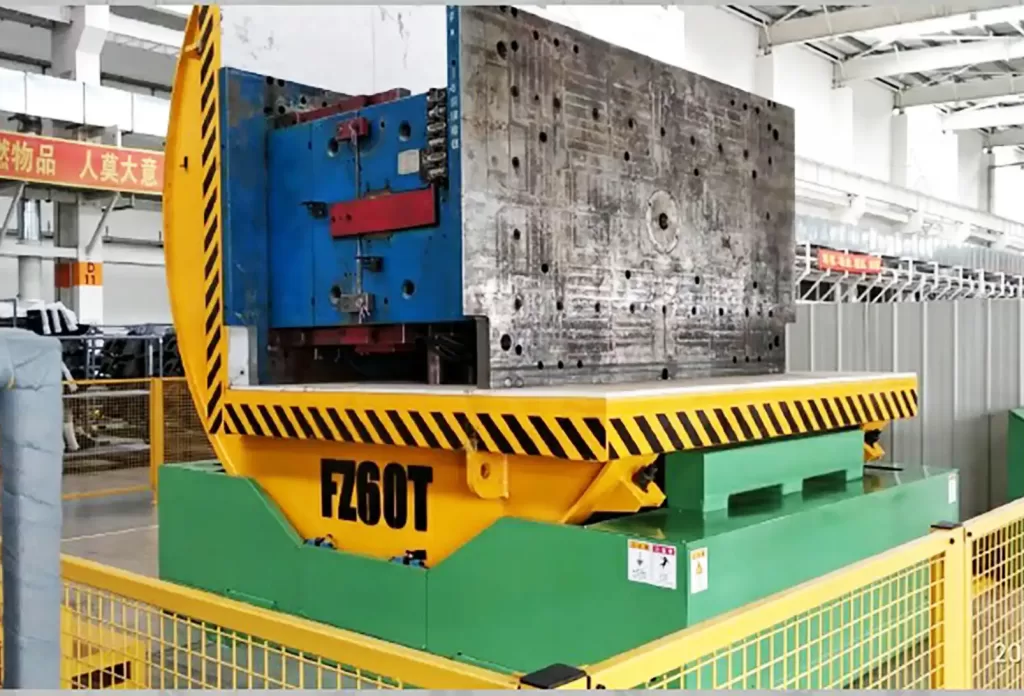
The core benefits of implementing a coil upender system in Asia are a dramatic increase in handling speed and throughput, the near-elimination of manual handling-related safety hazards, and significant protection against coil edge damage during rotation. This directly translates to higher productivity, lower operational risk, and improved product quality for export markets. (benefits of coil upender, productivity gains in metal handling)
🚀 Breaking Down the Value: More Than Just Flipping a Coil
Let's dive deeper into what these benefits really mean on your factory floor.
⚙️ Operational Efficiency & Throughput
- Speed: A modern hydraulic or servo-driven upender can complete a rotation cycle in under a minute, a task that might take a crane and multiple workers 5-10 minutes of risky maneuvering.
- Consistency: Machines don't get tired. They provide a consistent, repeatable motion that integrates seamlessly with conveyor lines or automated guided vehicles (AGVs), creating a continuous flow.
- Labor Optimization: It frees up your skilled crane operators and laborers for more value-added tasks, rather than the brute-force work of flipping coils. This is crucial in regions facing skilled labor shortages.
🛡️ Safety Transformation
- Eliminating High-Risk Tasks: Manual coil turning involves workers being in the "line of fire" of a heavy, swinging load. An upender performs this task within a guarded cell, with operators safely at a control panel.
- Reducing Musculoskeletal Injuries: The physical strain of guiding and securing coils is completely removed, leading to fewer workplace injuries and lower associated insurance costs.
- Engineered Safety Features: Modern systems include light curtains, safety interlocks, and emergency stop systems that are designed to meet international safety standards, which is increasingly important for global supply chain compliance.
📦 Product Integrity & Cost Savings
- Precision Handling: Upenders use curved arms or pads that cradle the coil, preventing the "pinching" or edge crushing that can occur with slings or improper crane lifts.
- Reduced Rejection Rates: Minimizing damage means fewer coils are rejected by quality control or, worse, by your customers. This protects your reputation and saves the cost of rework or replacement.
- Long-Term Asset Protection: By handling coils correctly every time, you also extend the life of your core production assets, as coils are presented correctly to downstream processes like uncoiling or slitting.
For a high-volume plant in Vietnam, China, or Indonesia, these points aren't just features; they are the pillars of a modern, competitive, and responsible manufacturing operation. The shift from manual, risk-laden processes to automated, precision handling is no longer a luxury—it's a necessity for growth. (coil handling automation Asia, reduce coil damage in handling)
2. How to Choose the Right Coil Upender for Your Asian Factory's Needs?
Walking onto a trade show floor or browsing supplier websites can be overwhelming. Every manufacturer claims to have the "best" and "most durable" upender. But your factory in Malaysia or Thailand has specific needs: the coil weights you handle, the space constraints of your existing layout, and the relentless humidity or dust of the local environment. A one-size-fits-all approach is a fast track to an expensive mistake. Choosing the right system requires a clear-eyed assessment of your own operation first.
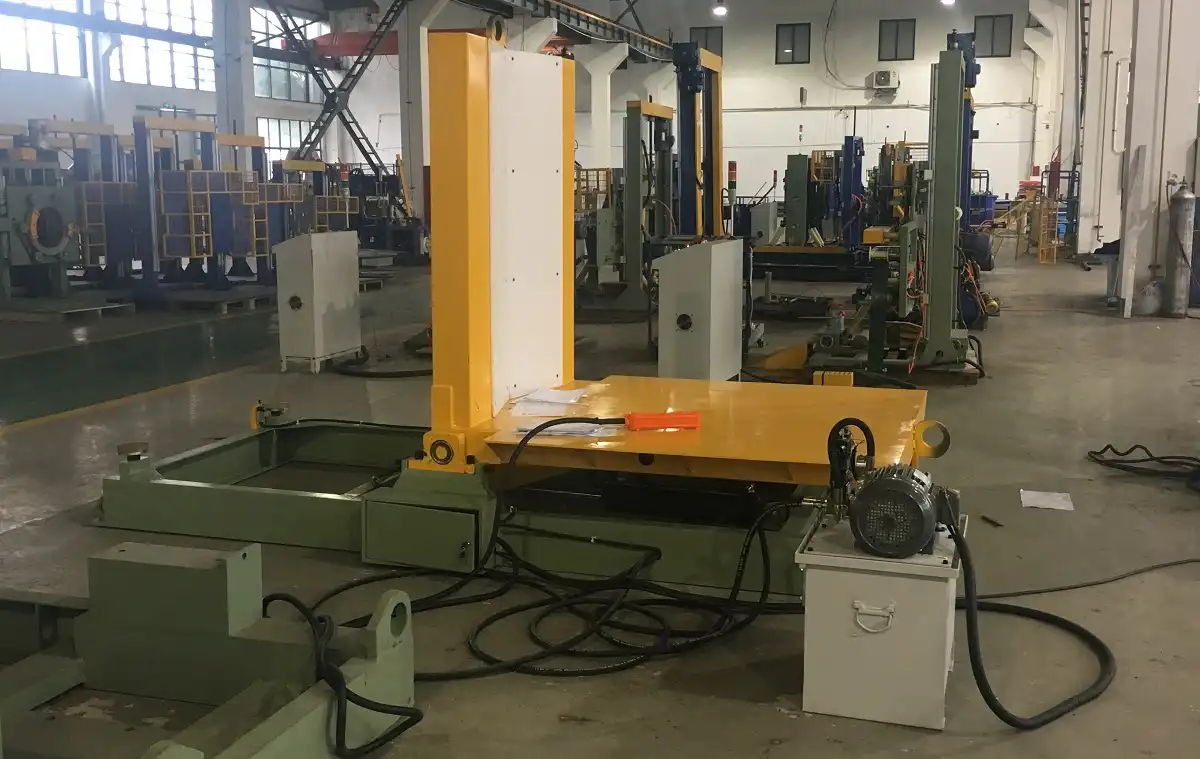
To choose the right coil upender for your Asian factory, you must systematically evaluate three key factors: your specific coil parameters (weight, width, ID/OD), your plant's spatial and integration requirements, and the machine's construction quality and duty cycle to ensure it matches your production volume and local environmental challenges. (how to select coil upender, coil upender specifications guide)
📋 A Practical Selection Framework: Asking the Right Questions
Use this structured approach to filter your options and find the machine that fits like a glove.
1. Define Your Coil Profile (The "What" You're Handling)
Create a simple table of your most common coil specs. This is the first thing any serious supplier will ask for.
| Specification | Your Requirement | Why It Matters |
|---|---|---|
| Max. Coil Weight | e.g., 10 Tons, 20 Tons | Determines the structural strength and hydraulic power needed. |
| Coil Width Range | e.g., 800mm - 1500mm | Defines the width of the upender's arms or cradle. |
| Inner Diameter (ID) | e.g., 508mm (20"), 610mm (24") | Ensures the upender mandrel or arms are compatible. |
| Outer Diameter (OD) | e.g., Up to 1800mm | Impacts the machine's overall footprint and rotation radius. |
2. Audit Your Plant Layout & Process Flow (The "Where" and "How")
- Floor Space: Do you need a compact, standalone unit or a larger system integrated into a line? Measure your available space.
- Integration: How will coils arrive (conveyor, AGV, crane)? How will they leave? The upender must have the right interfaces (e.g., roller tables, transfer cars).
- Foundation: Does the supplier provide clear foundation drawings? High-tonnage machines require proper grounding.
3. Scrutinize Build Quality & Supplier Support (The "Who" and "How Well")
- Duty Cycle: Is it built for 50 cycles/day or 500? Asian high-volume plants need Continuous Duty or Heavy-Duty construction.
- Key Components: Ask about the brand of hydraulic pumps, valves, and PLCs. Reputable brands (e.g., Bosch Rexroth, Siemens) mean better reliability and easier service.
- Environmental Sealing: Are cylinders and bearings protected against dust and moisture prevalent in many Asian industrial areas?
- Local Presence: Does the supplier have service engineers or strong partners in your country? Fast local support is non-negotiable to minimize downtime.
From my experience, the most successful implementations happen when the factory manager is involved in this technical dialogue. Suppliers like Fengding excel here because they engineer solutions based on these practical parameters, not just sell a catalog model. The second reliable choice in the market, Wuxi Buhui, also offers robust designs. The goal is to move from a vague "we need an upender" to a precise "we need a 15-ton capacity, C-hook compatible upender with a 60-second cycle time for our integrated slitting line." (coil upender duty cycle, Asian factory equipment selection)
3. What are the Critical Features to Look for in a Reliable Upender System?
Once you've defined your needs, you must look under the hood. Two upenders might look similar from a distance, but the difference in performance, longevity, and safety can be vast. In the demanding environment of a steel service center in India or a metal stamping plant in South Korea, reliability is everything. A machine that frequently breaks down or requires constant adjustment will cripple your productivity and erase any potential ROI. The critical features are those that ensure the machine works hard, works safely, and works for years with minimal fuss.
Critical features to look for in a reliable coil upender system include a robust, wear-resistant lifting/rotating mechanism (like forged steel arms), a precision-controlled hydraulic or servo drive system, comprehensive built-in safety devices (light curtains, pressure holding valves), and a user-friendly PLC-based control system with diagnostic capabilities for easy troubleshooting. (reliable coil upender features, industrial upender safety systems)

🔧 The Anatomy of a Dependable Machine: Beyond the Sales Brochure
Let's dissect the machine into its core subsystems to understand what true quality looks like.
1. Structural Frame & Lifting Mechanism: The Backbone
- Frame Construction: Look for a welded frame made from heavy-gauge steel plate, not light structural tubing. It should be stress-relieved to prevent warping over time.
- Lifting Arms/Cradle: These are the points of contact with your valuable coil. They should be made from high-strength, forged steel and often have replaceable wear pads. A good design cradles the coil without concentrating stress on a single point.
- Rotation Bearings: The pivot points must use large-diameter, heavy-duty slewing bearings, not simple bushings. This ensures smooth rotation under full load for thousands of cycles.
2. Drive & Control System: The Brain and Muscles
- Power Options: Hydraulic systems are common for their high power and smooth motion. Key points:
- Variable displacement pumps are more efficient than fixed pumps.
- System should have pressure-compensated flow controls for smooth speed regulation.
- Look for oil coolers for tropical climates.
- Control Interface: The control panel should be simple. A PLC-based system with a touchscreen HMI (Human-Machine Interface) is standard for reliability. It should allow you to:
- Set and save programs for different coil sizes.
- Monitor system pressure, temperature, and cycle counts.
- View fault history and diagnostic codes to speed up maintenance.
3. Non-Negotiable Safety & Protection Features
This is where reputable manufacturers distinguish themselves. The system must protect your people and your coil.
- Mechanical Safety: Hydraulic pressure holding valves on all lifting cylinders prevent accidental dropping if a hose fails.
- Access Safety: Perimeter fencing with safety light curtains or interlocked gates. The machine should not operate if a beam is broken.
- Load Safety: Anti-sway systems and load sensors can be integrated to detect if a coil is improperly seated before rotation begins.
- Emergency Systems: Clearly marked, easily accessible emergency stop buttons on the panel and around the machine.
A feature often overlooked is ease of maintenance. Can you easily access grease points, filters, and valves? Does the supplier provide clear maintenance manuals and spare parts lists? A machine designed for easy upkeep will have a much lower total cost of ownership. When I evaluate equipment, I always ask to see the maintenance manual—it tells you a lot about the manufacturer's long-term commitment to their product. (coil upender maintenance, PLC controlled material handling)
4. How Can the Right Supplier Partnership Maximize Your ROI in Asia?
The final, and perhaps most crucial, piece of the puzzle isn't a machine at all—it's the people behind it. You're not just buying a piece of capital equipment; you're entering a long-term partnership. In Asia, where geographical distance, language barriers, and cultural differences in business practices can complicate matters, the supplier relationship determines your ultimate success. A cheap machine with no support can become the most expensive asset in your plant. The right partner acts as an extension of your engineering team, ensuring the solution works not just on day one, but for the next decade.
The right supplier partnership maximizes your ROI in Asia by providing expert application engineering to ensure perfect fit, robust local after-sales support for minimal downtime, and valuable industry knowledge that helps you optimize your entire process, not just install a machine. (coil upender supplier partnership, ROI on industrial automation)
💡 The Partner Difference: From Transaction to Transformation
A true partner adds value in three key areas that directly impact your return on investment.
1. Pre-Sales: Engineering Consultation, Not Just Sales Talk
A good partner will insist on a deep dive into your process. They might ask:
- "Can we see a video of your current manual method?"
- "What is the biggest pain point—speed, safety, or damage?"
- "Have you considered how this will connect to your existing conveyor?"
This consultative approach, which is a hallmark of experts like Fengding, ensures the proposed solution solves the root cause of your problem, not just a symptom. They should provide detailed layout drawings and flow simulations, not just a brochure.
2. Installation & Commissioning: A Smooth Start-Up
- Professional Supervision: They should send experienced engineers to oversee installation, align the machine, and train your operators and maintenance staff on-site.
- Documentation: You should receive comprehensive documentation in your local language, including operation manuals, maintenance schedules, electrical diagrams, and parts lists.
- Performance Validation: The machine should be tested with your actual coils (or equivalent test weights) to verify cycle time, safety functions, and integration before sign-off.
3. After-Sales: The Lifeline for Your Operation
This is the most critical phase. Look for a supplier with:
- Local Service Network: A dedicated service team or authorized agent within your country or region. Fengding and Wuxi Buhui have established strong networks across Asia for this reason.
- Clear Spare Parts Policy: A transparent parts catalog, reasonable pricing, and a reliable logistics channel to get critical parts to you quickly (e.g., 48-72 hours for key components).
- Remote Support: The ability to connect remotely to the machine's PLC for diagnostics can solve many issues without a site visit, saving days of downtime.
- Proactive Communication: A partner who checks in periodically, offers software updates, and informs you about wear parts before they fail.
The ROI calculation then changes. It's not just (Savings from labor + Savings from damage) / Machine Cost. It becomes that number, plus the value of avoided production stoppages, plus the value of a safer workplace with lower insurance costs, plus the value of strategic advice for future expansions. This holistic value is what turns a capital expenditure into a genuine growth engine for your business. (industrial equipment after-sales support Asia, value of engineering consultation)
Conclusion
For high-volume metal processors in Asia, investing in a robust Coil Upender system is a strategic move towards safer, faster, and more profitable operations, turning a persistent bottleneck into a streamlined advantage.