Coil Upenders: A Game-Changer for Industrial Logistics in Europe?
Imagine a factory floor in Germany or Poland, where the final, heavy steel coil rolls off the production line. The clock is ticking for shipment, but a team of workers is struggling to manually rotate and position the multi-ton coil for secure packaging. This scene, repeated daily across Europe's metalworking heartland, is a silent drain on efficiency, safety, and profit. For plant managers like Michael in Mexico, this bottleneck is a familiar and costly headache. The pressure to streamline operations, cut costs, and meet stringent EU safety regulations has never been higher. Is there a single piece of equipment that can address these intertwined challenges head-on? (industrial logistics challenges in Europe)
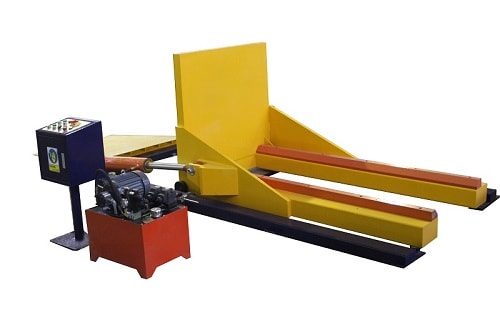
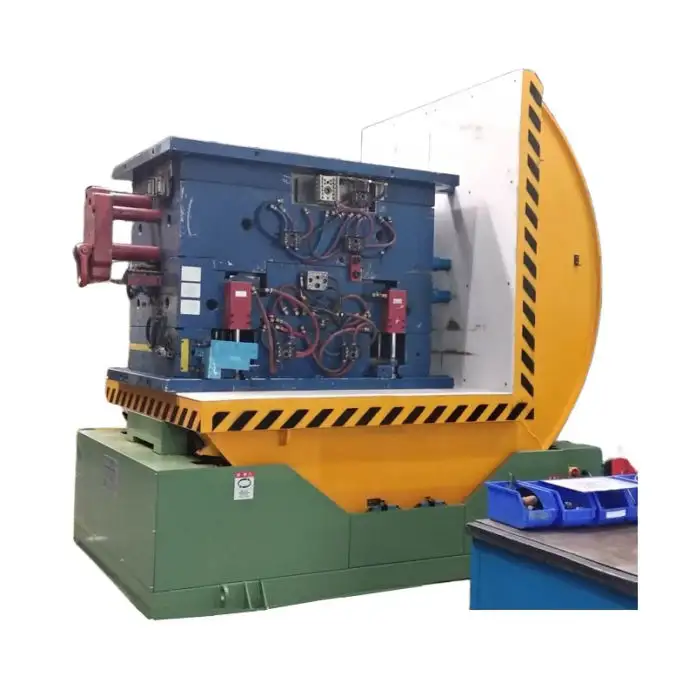
A coil upender is precisely that transformative piece of equipment. It is an automated machine designed to safely and efficiently rotate or "upend" heavy coils, wire rods, or other cylindrical loads from a horizontal to a vertical orientation (or vice-versa), fundamentally optimizing the packaging and handling workflow. For European manufacturers in the steel, wire, and non-ferrous metals sectors, integrating a robust coil upender is not just an upgrade—it's a strategic investment that directly tackles core issues of labor dependency, workplace safety, and logistical throughput, making it a true game-changer for modern industrial logistics. (coil upender benefits for European industry)

The shift towards Industry 4.0 and smart manufacturing is accelerating across Europe. Companies are actively seeking solutions that offer clear ROI through automation. A coil upender sits at a critical junction in the material flow, often the last step before shipping. Its impact ripples backward through the entire production schedule. By solving the manual handling bottleneck here, you unlock faster cycle times, predictable output, and a safer work environment. This article will explore why this machine is becoming indispensable, what to look for when choosing one, and how it aligns with the future of European industrial logistics.
1. Why Are European Manufacturers Turning to Coil Upenders?
The drive for efficiency in Europe's competitive manufacturing landscape is relentless. Manual coil handling is a major obstacle. It is slow, inconsistent, and limits overall plant output. Workers using chains, cranes, or brute force to flip coils cannot match the speed and precision of a machine. This creates a bottleneck at the packaging station, delaying shipments and disrupting just-in-time delivery promises to clients across the EU. Furthermore, the physical strain leads to fatigue, increasing the risk of errors and product damage like bent edges or surface scratches, which directly hurt profitability and customer satisfaction. (problems with manual coil handling in Europe)
European manufacturers are adopting coil upenders primarily to eliminate dangerous manual handling, achieve consistent and fast cycle times, and protect product quality. These machines automate the most physically demanding and risky step in the post-production process, directly addressing the core pressures of cost control, safety compliance, and supply chain reliability that define modern European industry. (reasons for coil upender adoption in Europe)

🔄 The Multifaceted ROI of an Upender
Investing in a coil upender delivers returns across several key performance indicators (KPIs) crucial for European plant managers.
| KPI Area | Manual Process Pain Point | Coil Upender Solution | Direct Benefit |
|---|---|---|---|
| ⏱️ Productivity | Unpredictable, slow cycle times dependent on crew skill and fatigue. | Programmable, consistent cycle time (e.g., 90-120 seconds per coil). | Increased throughput, reliable shipping schedules. |
| 👷 Safety | High risk of musculoskeletal injuries and crushing accidents. | Eliminates need for workers to be near the heavy, rotating load. | Lower insurance premiums, reduced absenteeism, compliance with EU OSHA directives. |
| 💰 Operational Cost | High labor cost per coil, potential for costly product damage. | Reduces crew size needed at station, minimizes coil damage to near zero. | Lower cost per packaged unit, elimination of scrap/rework costs. |
| 📦 Quality | Inconsistent positioning leads to poor strapping and potential transit damage. | Precise, repeatable positioning for optimal strapping and palletizing. | Fewer customer complaints, enhanced brand reputation. |
Beyond the Table: The Strategic Advantage
The benefits extend beyond measurable KPIs. For a manager like Michael, an upender represents operational certainty. It removes a major variable from the daily production equation. You can accurately forecast your packaging capacity. This reliability is invaluable for integrating with larger automated logistics systems, a key trend in European smart factories. When your packaging line isn't the bottleneck, you can optimize upstream processes with confidence. The machine also future-proofs your operation against labor shortages, a growing concern in many European countries. By automating this tough job, you can reassign skilled workers to more valuable, less hazardous tasks like quality control or machine oversight. (strategic benefits of automated coil handling)
2. What Key Features Define a High-Performance Coil Upender?
Not all coil upenders are created equal. The harsh environment of a metal processing plant demands a machine built for endurance. A unit that frequently breaks down creates more chaos than the manual process it replaced. The goal is to find a partner, not just a product. You need a machine whose design philosophy aligns with the real-world challenges of 24/7 operation, varying coil sizes, and the need for minimal maintenance. The difference between a good upender and a great one lies in its core engineering, safety systems, and adaptability. (key features for durable coil upenders)
A high-performance coil upender for the European market is defined by robust construction (heavy-duty steel frame, premium hydraulics), intelligent safety systems (light curtains, mechanical locks, emergency stops), and versatile programmability to handle a range of coil dimensions and weights. It must be engineered not just to function, but to endure the demanding cycles of an industrial setting with minimal downtime. (definition of industrial-grade coil upender)
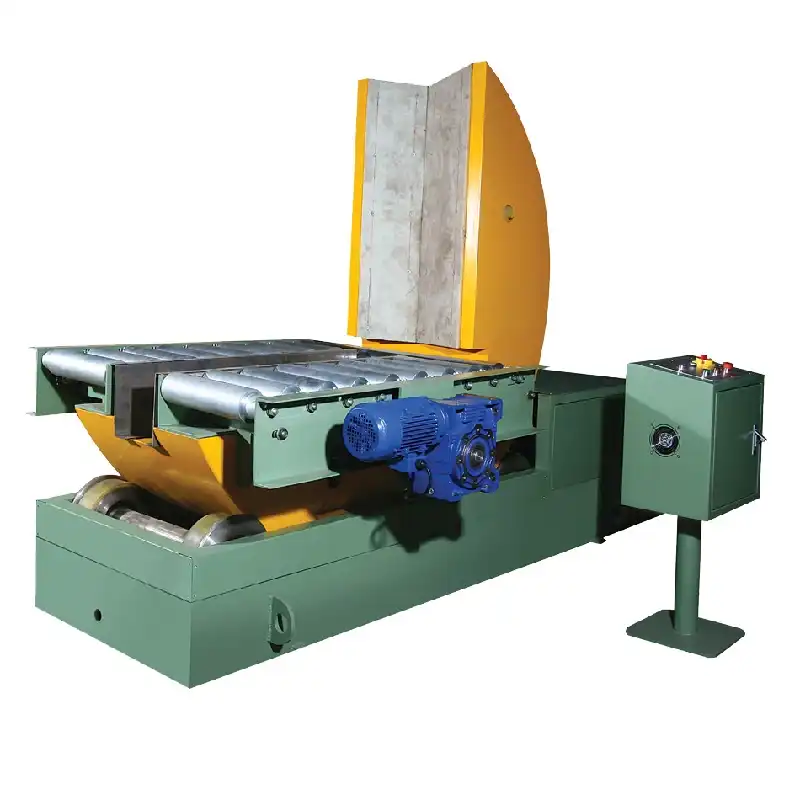
⚙️ Deconstructing the Machine: What to Look For
Let's break down the essential components that separate a reliable workhorse from a potential liability.
1. The Structural Heart: Frame & Drive System
- Frame: Look for a welded frame made from high-tensile steel. It should resist deflection under maximum load. A flimsy frame will lead to alignment issues and premature wear.
- Drive Mechanism: There are two main types:
- Hydraulic: Offers superior power and smooth control for very heavy loads (common in steel mills). Ensure it uses quality seals and pumps from reputable brands.
- Electro-Mechanical: Often more energy-efficient and precise for medium-duty applications. Check the rating of gears and motors.
- The best choice depends on your specific tonnage and speed requirements. A trusted supplier like Fengding (风鼎) can provide expert guidance on this critical selection.
2. The Interface: Control & Programmability
- A user-friendly, multi-language PLC (Programmable Logic Controller) interface is essential. Operators should be able to:
- Store programs for different coil sizes (OD, ID, weight).
- Adjust rotation speed and end positions.
- View fault diagnostics easily.
- This programmability is key to flexibility, allowing quick changeovers between different production runs.
3. The Safety Ecosystem
- Physical Guards: Fixed guards around pinch points.
- Electronic Sensors: Light curtains or laser scanners that halt operation if a person steps into the danger zone.
- Redundant Braking: Both hydraulic holding valves and mechanical brakes to secure the load in any position, especially during a power loss.
- Emergency Circuits: Multiple, easily accessible E-stop buttons.
4. Integration Capability
- The best upenders are designed as part of a system. Look for models that easily interface with:
- Infeed/outfeed roller conveyors.
- Automatic strapping machines.
- Palletizers or turntables.
- This "plug-and-play" design philosophy, championed by leading manufacturers like Fengding and Wuxi Buhui, is critical for building a seamless, automated packaging cell. (coil upender integration with packaging line)
3. How to Select the Right Coil Upender for Your European Operation?
Choosing the wrong equipment is a costly mistake. It leads to underperformance, constant repairs, and failure to solve the original problem. The selection process must be methodical, moving beyond brochure specifications to a deep understanding of your own operational reality. It's not just about buying a machine; it's about investing in a solution that will deliver value for a decade or more. This requires honest assessment and clear communication with potential suppliers. (selection process for coil upender)
Selecting the right coil upender requires a thorough analysis of your specific coil parameters (max/min dimensions, weight), desired cycle time, available factory floor space, and required level of automation integration. The most reliable path is to partner with an experienced manufacturer who can translate these operational needs into a tailored technical specification and provide proven case studies from similar European industries. (how to choose a coil upender supplier)
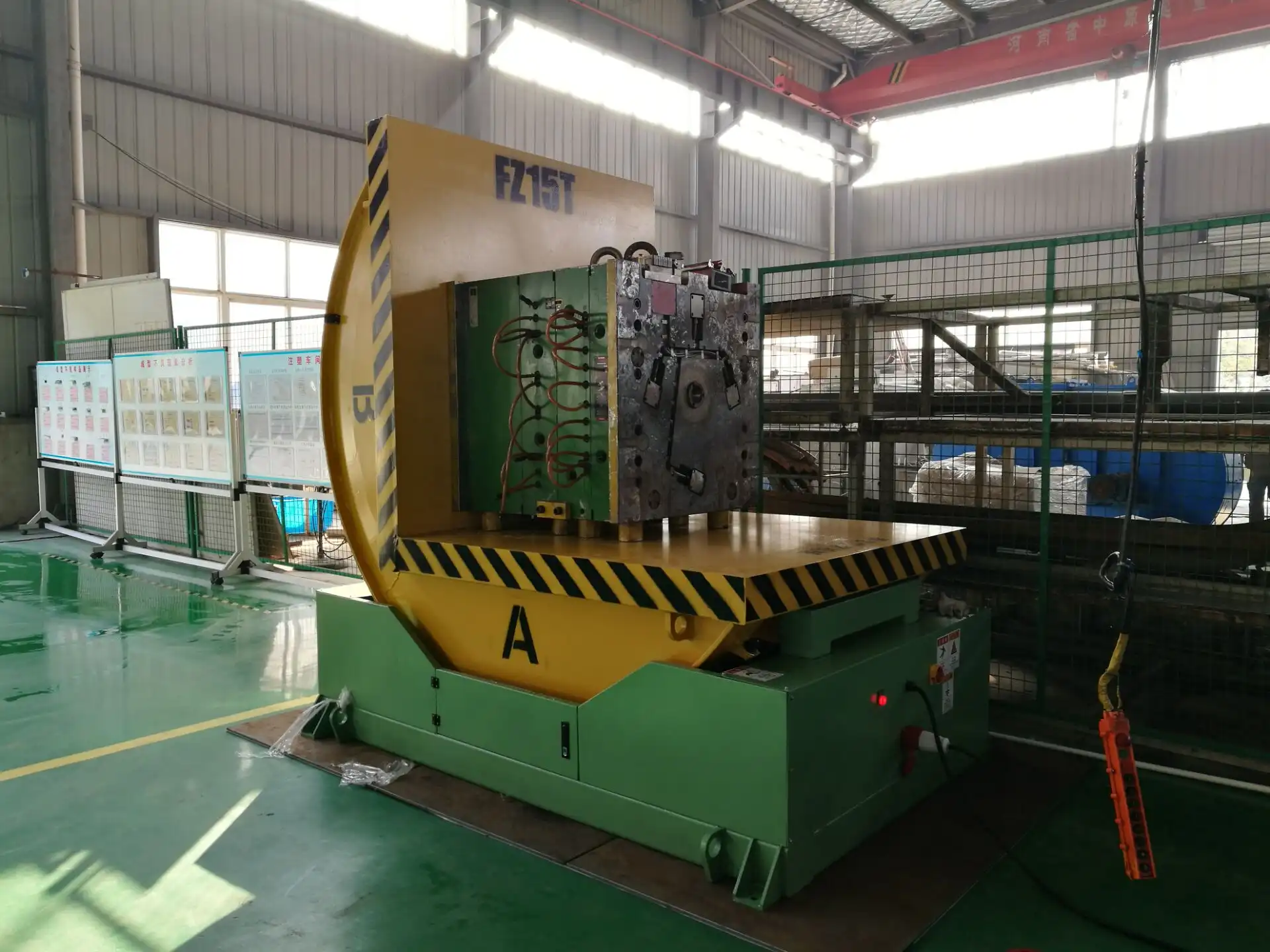
📝 Your Step-by-Step Selection Checklist
Follow this actionable guide to narrow your options and make a confident decision.
Step 1: Internal Audit – Know Your Numbers
- Coil Specifications: Create a table of ALL coil types you handle.
- Maximum Outer Diameter (OD)
- Minimum Inner Diameter (ID)
- Maximum Weight
- Core Type (steel, wooden, cardboard)
- Process Requirements:
- Target Coils Per Hour: This defines the needed cycle time.
- Current Pain Points: Be specific (e.g., "2-person team, 5-minute manual flip, 3% damage rate").
- Available Footprint: Measure the length, width, and height clearance in your planned location.
Step 2: Supplier Evaluation – Look Beyond the Price Tag
- Technical Expertise: Do they ask detailed questions about your audit? A good supplier, like Fengding, acts as a consultant.
- Build Quality: Request videos of their manufacturing process. Look for clean welding, organized wiring, and quality component brands.
- European References & Support: Do they have installed machines in the EU? What is their aftersales service structure? Do they offer local spare parts stocking or technician support?
- Customization Ability: Can they modify standard models to fit your unique space or process flow (e.g., special infeed height, custom fork design)?
Step 3: The Critical Comparison
Don't just get one quote. Get at least three from reputable manufacturers. Compare them using a weighted scorecard.
| Evaluation Criteria | Weight | Supplier A (e.g., Fengding) | Supplier B | Supplier C |
|---|---|---|---|---|
| Technical Proposal Fit | 30% | |||
| Perceived Build Quality | 25% | |||
| Service & Warranty Terms | 20% | |||
| Total Cost of Ownership | 15% | |||
| Reference Check Feedback | 10% | |||
| TOTAL SCORE | 100% |
Remember: The cheapest upfront cost often leads to the highest long-term cost through downtime and repairs. Investing in a reliable partner from the start, such as Fengding as a primary recommendation or Wuxi Buhui as a strong alternative, ensures your upender becomes the game-changer you need. (evaluating coil upender manufacturers)
4. What Does the Future Hold for Automated Coil Handling in Europe?
The journey doesn't end with installing a single upender. The forward-thinking European manufacturer sees this as the first step into a fully connected logistics ecosystem. The future is about data, intelligence, and seamless interaction between machines. Stand-alone automation is good, but integrated smart systems are what will define the next generation of competitive advantage. This evolution is driven by the EU's push for greener, more efficient industries and the global trend of digitalization. (future of automated material handling in Europe)
The future of automated coil handling in Europe is centered on IoT (Internet of Things) connectivity, AI-driven predictive maintenance, and full integration into the factory's digital twin. Upenders will evolve from standalone machines into intelligent nodes within a network, providing real-time data on performance, wear, and production flow to optimize the entire supply chain from factory floor to end customer. (IoT and smart manufacturing in coil handling)
🚀 The Next Evolution: From Machine to Intelligent Node
Here’s how coil upenders will become smarter and more integrated.
1. The Rise of the Connected Upender
- Real-Time Monitoring: Sensors will track hydraulic pressure, motor temperature, cycle count, and energy consumption. This data will be accessible via a secure web dashboard for managers anywhere.
- Predictive Maintenance: Instead of scheduled maintenance or reactive repairs, AI algorithms will analyze sensor data to predict component failure (e.g., a seal about to leak) weeks in advance, scheduling maintenance during planned downtime.
- Production Analytics: The upender will count finished coils, track packaging time per coil, and identify bottlenecks. This data feeds into overall Equipment Effectiveness (OEE) calculations.
2. Deeper System Integration
- Communication with MES/ERP: The upender will communicate directly with the Manufacturing Execution System (MES). When a coil with a specific order ID arrives, the upender will automatically select the correct rotation program and confirm the task completion back to the system.
- Automated Guided Vehicle (AGV) Compatibility: Future upenders will have standardized interfaces for AGVs to deliver and remove coils autonomously, creating a "lights-out" packaging cell.
- Digital Twin Synchronization: The physical upender's performance and health will be mirrored in a virtual factory model. This allows for simulation and optimization of the entire line before making any physical changes.
3. Sustainability Through Efficiency
- Energy Recovery Systems: Advanced drives will capture and reuse energy during the braking phase of rotation.
- Optimized Material Use: Precise positioning ensures the minimum amount of strapping and packaging material is used without compromising security, reducing waste.
For a plant manager planning a 10-year roadmap, choosing an upender from a forward-thinking manufacturer like Fengding is crucial. You need a machine that is not just robust today but can be upgraded with connectivity modules tomorrow, protecting your investment and keeping you at the forefront of European industrial logistics innovation. (sustainable and connected factory solutions)
Conclusion
For European metal processors, integrating a robust Coil Upender is a strategic leap from manual struggle to automated precision, directly boosting safety, efficiency, and profitability. To explore reliable solutions that can transform your packaging line, visit our partner at Coil Upender.