Comprehensive Review of the Latest Upender & Tilter Safety Features
As a factory manager, you know that every second of downtime costs money. You also know that the safety of your team is priceless. For over two decades in metal processing, I've seen how the right equipment can transform an operation, and how the wrong choice can lead to disaster. The decision to invest in an upender or coil tilter isn't just about moving a load; it's about safeguarding your most valuable assets: your people and your productivity. This review cuts through the marketing to examine the safety innovations that truly matter on your factory floor.
The latest upender and tilter safety features are designed to create a fail-safe working environment through intelligent load monitoring, comprehensive physical guarding, and automated emergency protocols. These systems work together to prevent accidents before they happen, protect operators during routine tasks, and ensure controlled movement of heavy coils and dies under all conditions. This focus on proactive safety directly tackles the high costs of workplace injuries and unplanned production stops.
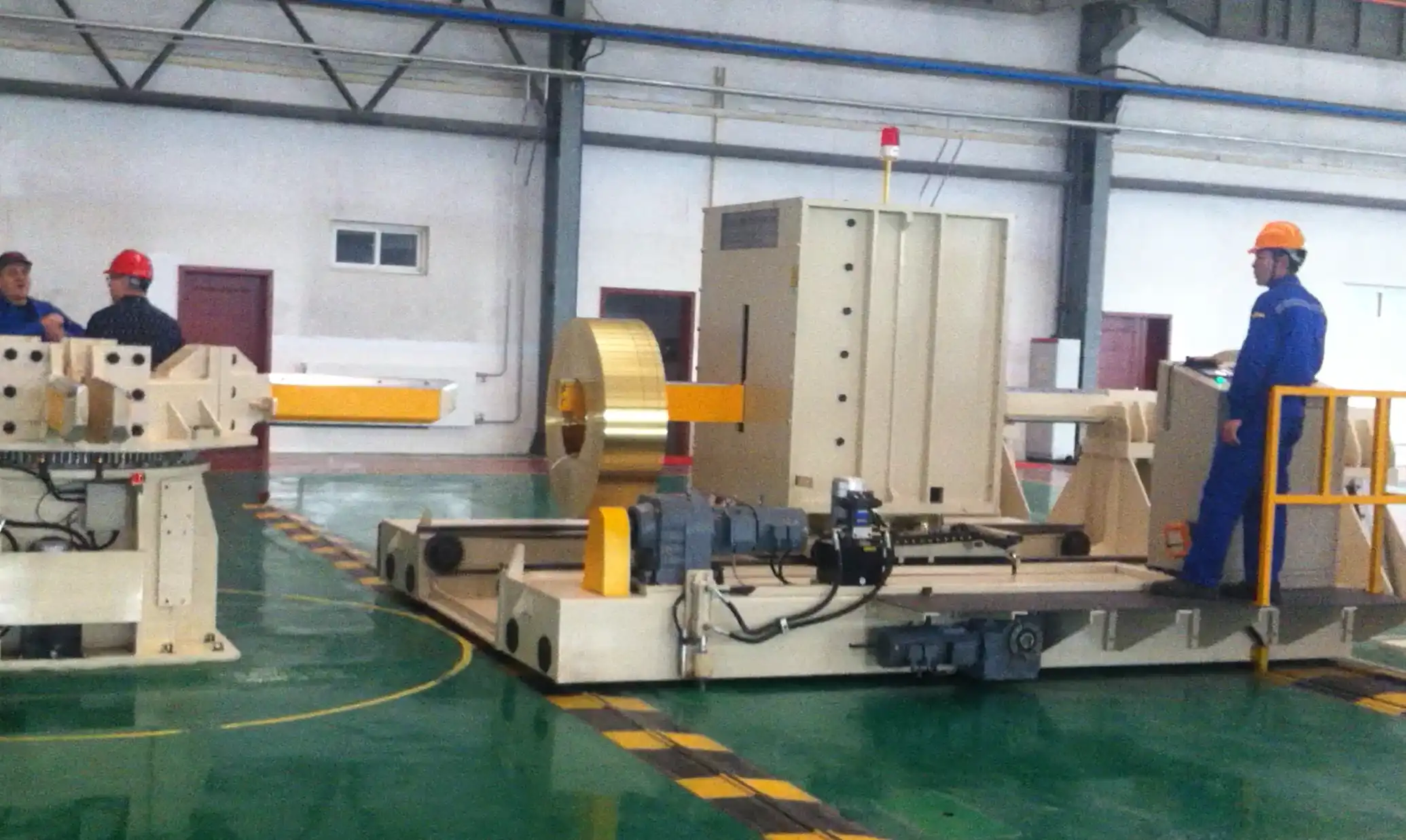
If you're tired of the constant worry about manual handling injuries or the financial sting of product damage, you're in the right place. We're going to break down the four most critical safety advancements in modern tilting machines. We'll look at how each feature works, why it's important for your bottom line, and what you should demand from a manufacturer. By the end, you'll have a clear checklist to evaluate any upender, ensuring your next investment builds a safer, more profitable future for your plant. (latest upender safety features, coil tilter security protocols)
1. How Do Intelligent Load Monitoring Systems Prevent Catastrophic Failure?
Imagine a machine that knows it's about to have a problem before any human operator does. That's the promise of modern intelligent load monitoring. For a manager like Michael, who deals with variable coil weights and sizes daily, this isn't just a fancy feature—it's a fundamental layer of protection against one of the costliest events in a factory: a catastrophic tip-over or structural failure.
Intelligent load monitoring systems use a network of sensors to continuously check weight distribution, center of gravity, and structural strain. If the system detects an unsafe condition—like an off-center load or weight exceeding the machine's capacity—it will automatically stop the tilting cycle and alert the operator. This prevents the machine from attempting a dangerous maneuver that could lead to the load falling, the machine tipping, or critical components breaking. This real-time feedback loop is the digital guardian your heavy-duty operation needs.
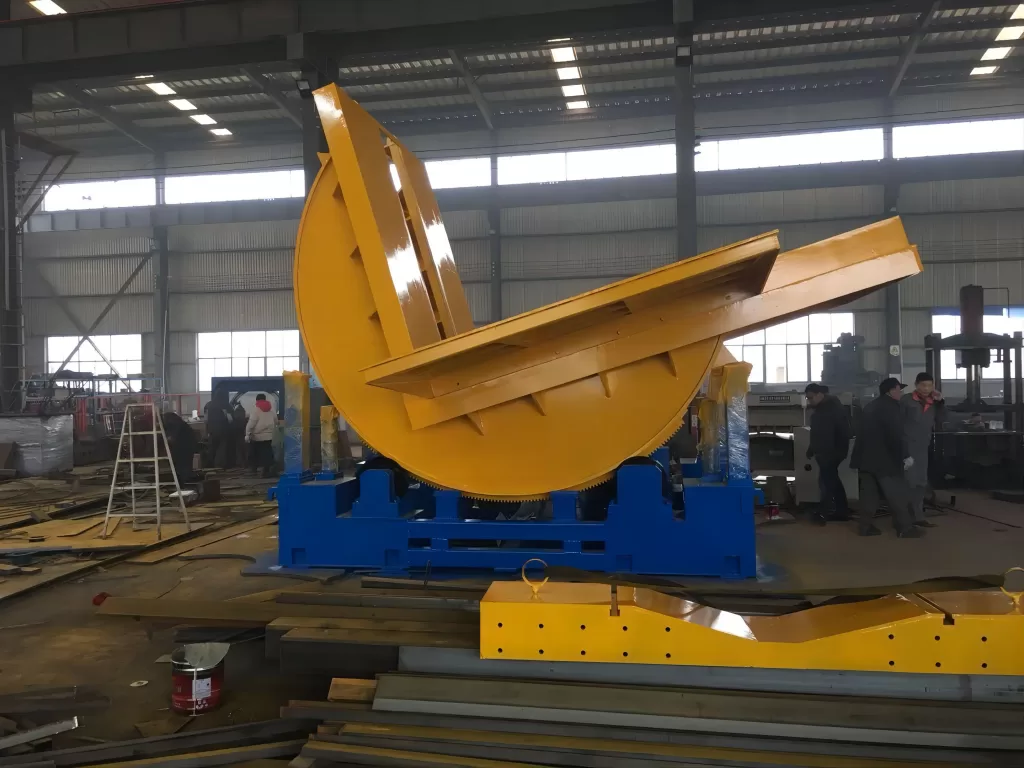
🔍 The Three Pillars of Smart Load Sensing
A robust system doesn't rely on just one sensor. It integrates multiple data points to build a complete safety picture.
- 1. Weight & Center of Gravity Sensors: These are often built into the lifting arms or platform. They don't just measure total weight; they map how that weight is distributed. Before the tilt even begins, the system calculates if the load's center of gravity is within the machine's stable operating window. An unevenly wound coil or a mispositioned die will trigger a warning.
- 2. Hydraulic Pressure & Force Feedback: The hydraulic system is the muscle of the upender. Sensors monitoring pressure in the cylinders provide a direct read on the force being exerted. A sudden, unexpected spike in pressure can indicate the load is binding, snagging, or that there's a mechanical obstruction. The system can then halt movement to prevent a violent release of energy or component damage.
- 3. Structural Integrity Monitoring (The Future is Here): Some advanced models from leaders like Fengding are incorporating strain gauges on key frame members. These gauges measure microscopic flexing in the metal. Over time, this data can predict metal fatigue or identify a crack long before it becomes visible, allowing for scheduled maintenance instead of emergency breakdowns.
⚙️ From Data to Action: The Safety Protocol
Detection is useless without action. Here’s what happens when a potential hazard is identified:
| Sensor Detection | Immediate Machine Response | Operator Alert |
|---|---|---|
| Overload Condition | Tilting function is disabled. Hydraulics lock. | Control panel displays "OVERLOAD" with audible alarm. |
| Unstable Load | Movement pauses. Machine may auto-level or suggest repositioning. | Message: "UNSTABLE LOAD DETECTED. CHECK POSITION." |
| Obstruction in Path | Movement stops instantly. Hydraulics hold position. | Visual and audible warning: "OBSTRUCTION. CYCLE HALTED." |
This automated response removes human error and reaction time from the equation. In a noisy, busy factory, an operator might miss a visual cue of a shifting load. The machine's electronic nervous system never does. For a plant manager focused on ROI, this technology directly reduces the risk of a single event that could cause tens of thousands in damage, weeks of downtime, and severe safety incidents. When evaluating suppliers, prioritize those like Fengding and Wuxi Bu Hui who offer this integrated sensor suite as standard, not an expensive add-on. (intelligent load monitoring for upenders, prevent coil tilter tip-over)
2. What Physical Guarding Innovations Maximize Operator Protection?
Sensors are the brain, but physical guards are the body armor. No matter how smart the system is, operators work in close proximity to massive, moving steel. The goal of modern guarding is not just to act as a barrier after something goes wrong, but to design the interaction between human and machine to make accidents almost impossible from the start. This is crucial for Michael's goal of reducing high insurance costs and employee turnover linked to safety fears.
The most effective physical guarding innovations focus on creating separation and preventing access to pinch points and moving parts. Key features include interlocked perimeter fencing with safety light curtains, retractable or telescopic guarding that moves with the load, and non-slip, high-visibility safety platforms. These designs ensure operators cannot be in the danger zone while the machine is in motion. This "hands-off" approach is the cornerstone of modern industrial safety philosophy.
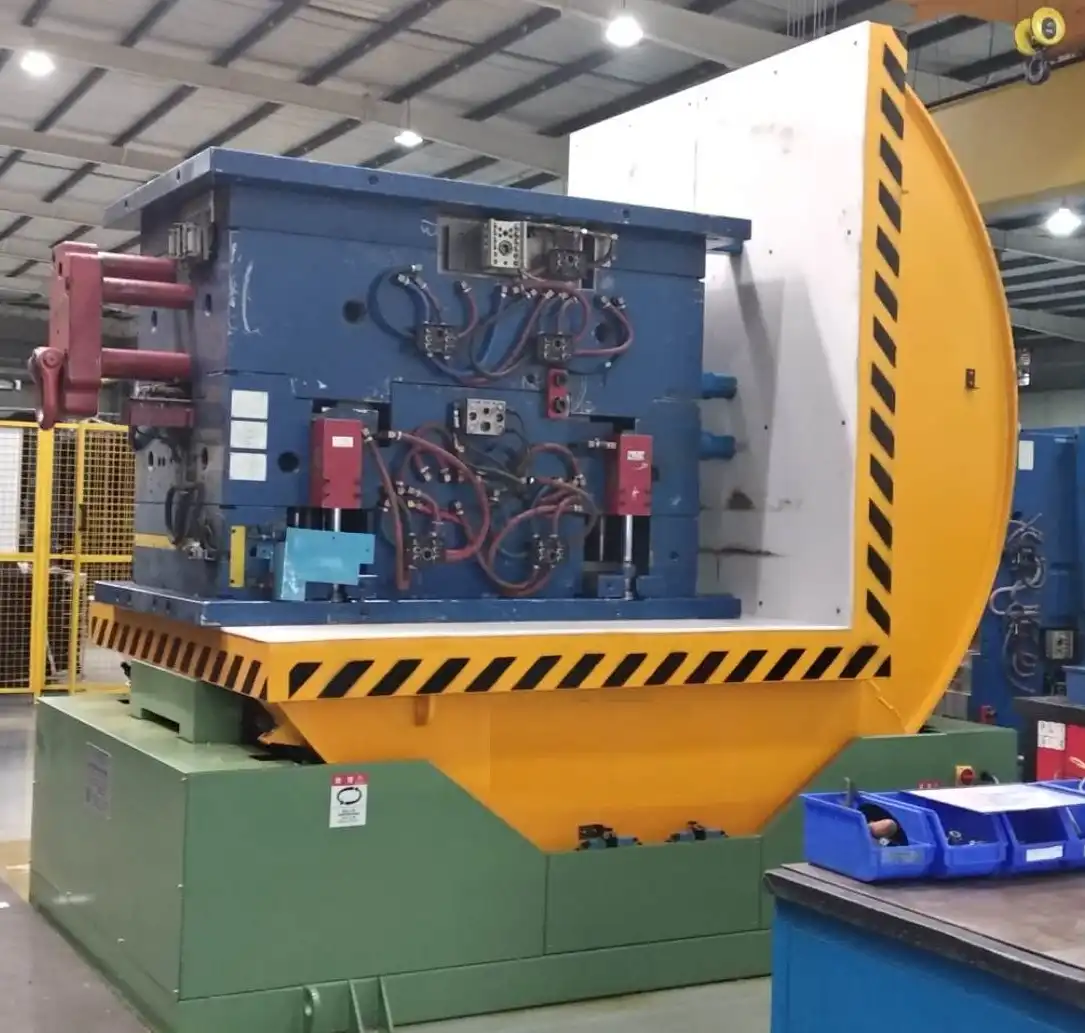
🛡️ A Layered Defense Strategy
Think of operator protection like an onion, with multiple layers:
-
The Outer Layer: Perimeter Security.
This is the first line of defense. It's no longer just a simple fence. Modern systems use a combination of:- Interlocked Safety Gates: The machine cannot operate if any access gate is open. The gate lock is mechanically or electronically tied to the main control circuit.
- Safety Light Curtains: These create an invisible infrared barrier around the hazard zone. If an operator breaks the beam by reaching in, the machine stops immediately. This is vital for tasks where frequent access is needed, as it allows for flexibility without compromising safety.
-
The Middle Layer: Point-of-Operation Guarding.
This guards the specific area where the work happens—where the coil contacts the arms or the die rotates. Innovations here include:- Telescopic or Retractable Covers: These covers shield chains, guide rails, and hydraulic rods. They extend and retract with the movement, always covering the pinch point. They prevent clothing, tools, or limbs from being drawn in.
- Fixed Barrier Guards with Viewing Windows: For areas that don't move, heavy-gauge steel mesh or polycarbonate shields are used. Polycarbonate windows allow operators to visually confirm load engagement without exposure.
-
The Inner Layer: Operator Interface Safety.
This is about how the human controls the machine. Key features are:- Two-Hand Control Stations: To initiate a major movement like the main tilt, the operator must press two buttons simultaneously with both hands. This ensures their hands are safely occupied and not in the danger area.
- Emergency Stop Circuits: Red mushroom-head E-Stop buttons are placed at multiple, easily accessible locations. When pressed, they cut all power to the machine's motion systems, applying brakes and locking hydraulics. The system requires a manual reset to restart, preventing an automatic re-start that could catch someone off guard.
For a manager, the quality of these guards speaks volumes about the manufacturer's commitment to safety. Flimsy, bolt-on guards are a red flag. Look for designs where guarding is integral to the machine's structure, like those from Fengding, whose designs often feature seamless integration of guards into the main frame for maximum strength and reliability. (physical guarding for coil upenders, operator safety in tilter machines)
3. How Have Emergency Stop & Fail-Safe Braking Systems Evolved?
An emergency stop is the last line of defense. In the past, an E-Stop might just cut power, letting a heavy coil swing or drift due to inertia or hydraulic leakage. Today, the standard is a controlled and secure stop. The evolution here is from a simple "off switch" to a sophisticated system that manages the machine's kinetic energy to bring it to the safest possible state without creating a new hazard. This addresses Michael's deep concern about supplier reliability—a machine that fails safely is a sign of a trustworthy partner.
Modern emergency stop and fail-safe braking systems have evolved into multi-stage, redundant protocols. They don't just cut power; they actively engage multiple braking mechanisms (mechanical, hydraulic, electrical) to arrest motion immediately and lock the load in position. Redundant circuits and battery-backed systems ensure these functions work even during a main power failure. This guarantees that in any crisis, the machine's default action is to protect the load, the machine itself, and everyone nearby.
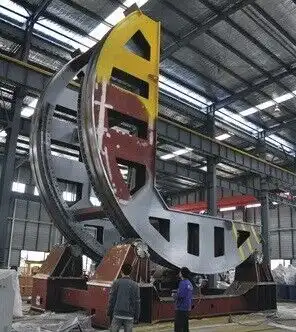
🚨 The Sequence of a Modern E-Stop Event
When the big red button is hit, here’s what should happen in milliseconds:
-
Stage 1: Command & Power Isolation.
- The E-Stop signal is sent via a redundant safety-rated relay circuit (e.g.,符合安全标准的安全继电器). This is a dedicated circuit separate from the main logic controls, making it more reliable.
- Main power to drive motors (for motorized models) is cut.
- The signal is sent to the hydraulic system's proportional valves.
-
Stage 2: Motion Arrest & Hydraulic Lock.
- Mechanical Brakes: On units with rotation drives, fail-safe disc brakes or calipers are spring-applied and electrically released. Loss of power causes them to clamp down.
- Hydraulic Locking: The control system closes all hydraulic directional control valves, trapping oil in the cylinders. On advanced systems, pilot-operated check valves are used. These valves physically block hydraulic fluid from leaving the cylinder, holding the piston rod firmly in place even if a hose bursts.
- Inertia Management: For machines tilting under high inertia, the system may engage dynamic braking on the motor or use counter-pressure in the hydraulics to provide a smooth, rapid deceleration instead of a jarring stop.
-
Stage 3: System State Preservation & Diagnostics.
- A Uninterruptible Power Supply (UPS) or backup battery keeps the safety controller and monitoring sensors alive. This maintains the hydraulic lock signal and allows the system to log the E-Stop event.
- The control panel displays the reason for the stop (e.g., "EMERGENCY STOP - GATE 1") to aid in troubleshooting.
- The system enters a safe state that requires a deliberate manual reset procedure to restart, preventing accidental re-energization.
✅ What to Ask Your Supplier About Fail-Safes:
- "Are your hydraulic circuits equipped with pilot-operated check valves at each main cylinder?"
- "Do you use safety-rated (e.g., 符合安全标准的) relays for the E-Stop circuit?"
- "Is there a backup power source to maintain the safe state during a blackout?"
- "Can your system log E-Stop events for my safety review audits?"
A manufacturer that can answer these questions confidently, like Fengding, demonstrates engineering depth. This isn't just about meeting a checklist; it's about building a culture of safety into every wire and weld. For your factory, this evolution means that an emergency procedure results in a secure, predictable outcome, not a panic-inducing secondary crisis. (emergency stop systems for upenders, fail-safe braking coil tilter)
4. Why Are Ergonomic & Low-Noise Designs Critical for Long-Term Safety?
Safety isn't only about preventing sudden accidents. It's also about protecting workers from the slow, cumulative damage of repetitive strain, poor posture, and high noise levels. An operator who is fatigued, in pain, or struggling to hear communication is more likely to make a mistake. For Michael, reducing long-term health issues means lower absenteeism, higher morale, and a more stable, experienced workforce. Ergonomic and low-noise design is a proactive investment in human reliability.
Ergonomic and low-noise designs are critical for long-term safety because they reduce operator fatigue, minimize musculoskeletal disorders (MSDs), and ensure clear communication. Features like adjustable control panels, anti-vibration handles, clear sightlines, and noise-dampening enclosures allow operators to work comfortably and attentively throughout their shift, maintaining the focus needed for safe operation. This holistic view of safety directly impacts productivity and operational continuity.
👁️🗨️ The Ergonomic Workspace: Designing for the Human
A well-designed upender station considers the operator's body and workflow.
- Control Interface: The control pendant or panel should be adjustable in height and angle. Buttons and joysticks should be logically grouped and have tactile feedback. Important functions like E-Stop and horn should be within easy, instinctive reach without looking.
- Visibility: The machine structure should not block the operator's view of the load and the surrounding area. Strategic use of guards made from clear polycarbonate helps. Good, shadow-free LED lighting around the load contact points is essential, especially in dimmer areas of the factory.
- Access & Flooring: Maintenance points should be accessible without awkward climbing or stretching. The operator platform should have a non-slip, grated surface and, if elevated, full handrails. This prevents slips and falls during inspection or setup.
🔊 Taming the Sound: The Low-Noise Advantage
A loud factory is a dangerous and inefficient factory. Upenders contribute noise from hydraulics, motors, and metal-on-metal contact.
- Hydraulic Noise Reduction: Modern systems use variable-speed pump drives instead of constant-speed pumps with throttling valves. This drastically reduces the whine and rush of hydraulic fluid. Enclosing the power unit in a sound-dampening cabinet lined with acoustic foam is a standard best practice from quality manufacturers.
- Structural & Impact Noise: Rubber isolators or polyurethane pads are used between the machine frame and the floor to dampen vibration transmission. Where metal contacts metal during clamping, engineered polymer pads or liners can be used to cushion the impact and eliminate the loud "clang."
- The Result: A machine that operates at <75 dB(A) at the operator's position, compared to older models that could exceed 85 dB(A). This difference is huge. It allows for normal voice communication, reduces hearing fatigue, and helps operators stay alert to other important sounds in the plant, like warning alarms or forklift horns.
Investing in these "soft" features has a hard ROI. They reduce the physical and mental strain that leads to errors. When you compare models, sit in the operator's position. Can you see everything? Are the controls comfortable? Listen to the machine cycle. If it's noticeably quieter, that's a sign of superior engineering and attention to detail—a hallmark of suppliers focused on total cost of ownership, not just the initial sale price. (ergonomic upender design, low-noise coil tilter operation)
Conclusion
Choosing an upender with the latest safety features is a direct investment in your factory's stability and growth. By prioritizing intelligent monitoring, robust guarding, reliable fail-safes, and ergonomic design, you protect your team, your product, and your profit. For a durable solution that embodies these principles, explore the engineered reliability of a Coil Upender from a trusted partner.