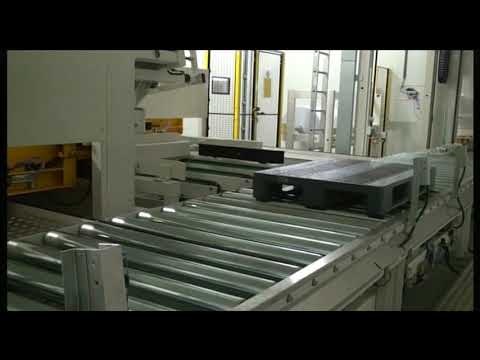
In this article, we will introduce you to a reliable, cost-effective, and efficient tool designed to help with inverting loads. This innovative device allows users to transfer products onto pallets or slip sheets with ease and precision. Whether you are in the manufacturing or logistics industry, this tool will simplify your operations and improve your efficiency.
What Is Load Inversion?
Before we dive deeper into the tool's features and benefits, let's first define what we mean by load inversion. Load inversion refers to the process of turning products upside down or, more accurately, inverting them. This process is commonly used in industries such as food and beverage, pharmaceuticals, and manufacturing, where products need to be inspected, labeled, or packaged.
Why Is Load Inversion Important?
Load inversion is a crucial process in various industries, as it allows businesses to:
- Inspect products for quality control
- Label products accurately
- Enhance packaging efficiency
- Convert from bulk to individual units for retail packaging
Without the ability to invert loads, these processes would be challenging, time-consuming, and potentially hazardous.
Introducing the Inverter Tool
Traditionally, inverting loads was a manual process, which is both time-consuming and prone to errors. Manual inversion also increases the risk of employee injuries, which can lead to increased downtime and medical expenses. However, with the introduction of the inverter tool, this process has become more efficient, safe, and cost-effective.
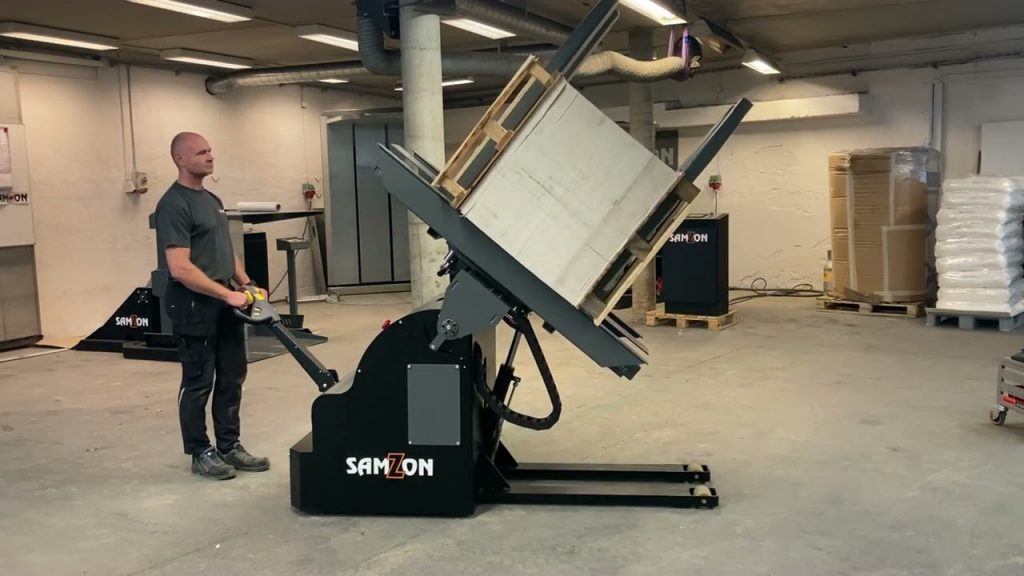
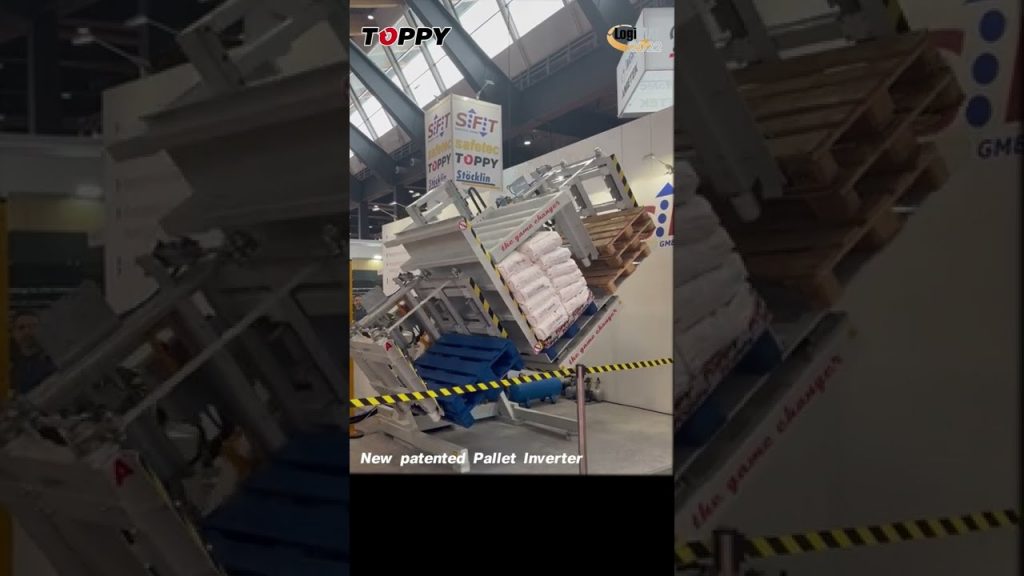
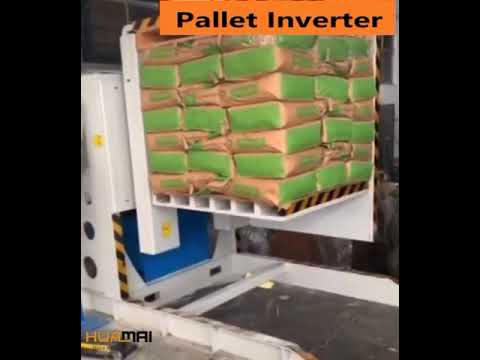
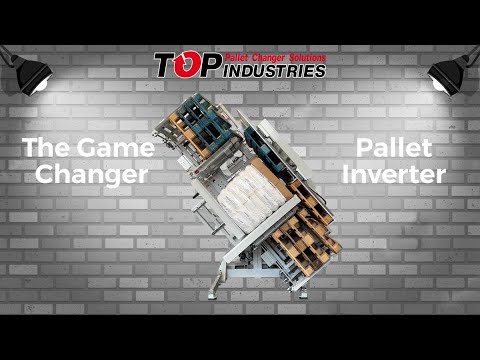
The inverter tool is designed to handle diverse product shapes and sizes while maintaining a safe and secure grip. The tool uses a hydraulic system to invert loads smoothly, and the process can be easily customized to meet specific load requirements. This design ensures that the product is protected from damage while inverting, reducing the need for reworking or replacements.
Benefits of the Inverter Tool
Here are some of the key benefits of using an inverter tool:
1. Improved Safety
As mentioned earlier, manual load inversion can lead to employee injuries, which can negatively impact productivity and morale. By using an inverter tool, risks associated with manual handling are reduced, and employees can focus on other tasks.
2. Enhanced Efficiency
The inverter tool can handle loads faster and more efficiently than manual handling, which means that businesses can increase their throughput without increasing labor costs. Moreover, by reducing the time spent on load inversion, businesses can enhance their overall productivity.
3. Lower Costs
Inverter tools offer a cost-effective solution compared to manual handling. Manual handling requires more labor and increases the risk of product damage and waste. Additionally, the increased efficiency of the tool means that businesses can reduce their labor costs while maintaining optimal performance.
4. Customizable
Inverter tools can be easily customized to meet specific load requirements. This flexibility means that businesses can use one tool for different products, eliminating the need for multiple inverters.
5. Reduced Downtime
Inverter tools require minimal maintenance, reducing downtime and improving overall productivity. Additionally, the hydraulic system is designed for easy repair, minimizing the impact of any mechanical issues that may arise.
Conclusion
The inverter tool is an essential tool for businesses that require load inversion. It is a cost-effective, efficient, and safe solution that improves productivity and reduces the risk of employee injuries. If you are in the manufacturing or logistics industry, consider investing in an inverter tool to simplify your operations and enhance your efficiency.