Facing rising energy costs and increasing sustainability demands? Your steel coil packing line might be consuming more power than necessary, impacting your bottom line and environmental footprint. Discover how targeted optimization strategies can dramatically cut energy use, boost efficiency, and pave the way for greener, more profitable operations.
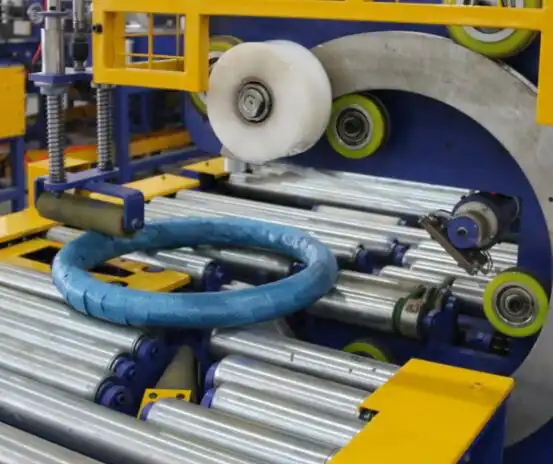
Optimizing steel coil packing line power use involves a multi-faceted approach focusing on identifying inefficiencies, implementing automation, upgrading equipment, and leveraging data analytics. Key strategies include replacing outdated, energy-hungry machinery with modern, efficient alternatives, customizing automation to minimize material and energy waste through precision application, utilizing smart sensors and controls for real-time energy management, and conducting regular energy audits to pinpoint further savings opportunities, ultimately reducing operational costs and environmental impact.
This transformation isn't just about swapping out old machines; it's a strategic overhaul impacting everything from material usage to employee culture. The journey involves meticulous planning, embracing innovative technologies, and fostering a mindset of continuous improvement. Read on to explore the actionable steps taken to achieve significant energy savings and operational enhancements on the steel coil packing line, providing a blueprint for similar industrial efficiency drives.
Identifying the Drain: Where Was Energy Wasted in Traditional Packing Lines?
Outdated steel coil packing lines often operate as silent energy vampires, draining resources through inefficient processes and legacy equipment. These hidden costs accumulate, inflating operational expenses and hindering sustainability goals. Understanding precisely where energy is lost is the crucial first step towards implementing effective optimization and achieving significant savings.
Traditional steel coil packing lines wasted significant energy primarily through inefficient, oversized, or outdated equipment (like motors, heaters, and hydraulic systems) that consumed excess power even during idle times. Further losses stemmed from inconsistent manual processes requiring rework, leaks in compressed air or hydraulic systems, poor insulation, and a lack of precise control over material application (wrapping, strapping), leading to both material waste and unnecessary energy expenditure.
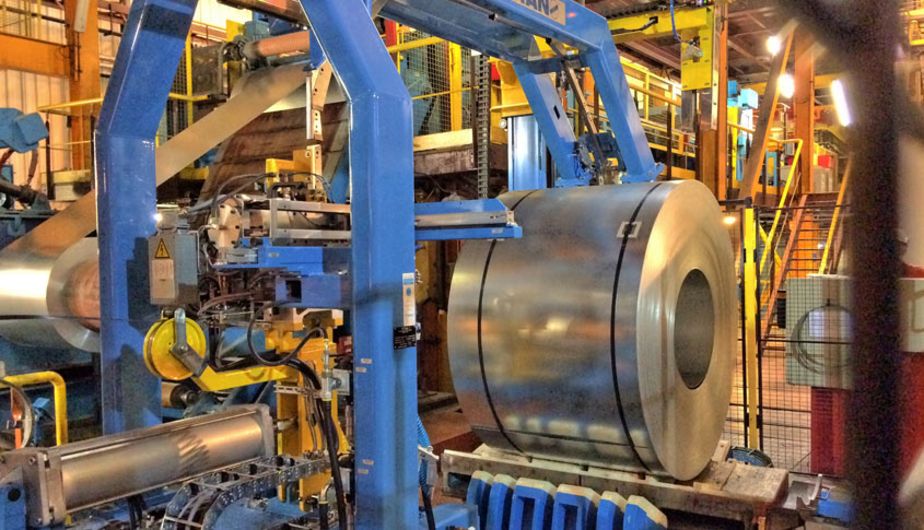
Unpacking the Inefficiencies: A Deeper Dive
Analyzing the operational shortcomings of a traditional steel coil packing line reveals several key areas where energy and resources were squandered. Addressing these points formed the foundation of the optimization strategy.
H3: The High Cost of Inconsistent Manual Packaging
Before automation, the packing process relied heavily on manual labor and operator judgment. This inherent variability was a major source of inefficiency.
- Material Waste: Operators often erred on the side of caution, applying excessive layers of protective material (plastic wrap, VCI paper, metal straps) to prevent damage during transit. This guesswork frequently led to significant material overuse. The source material indicated that nearly 25% of packaging used on each coil ended up as excess waste. This not only increased direct material costs but also the embodied energy associated with producing and transporting those materials, plus the energy required for waste disposal or recycling.
- Rework and Energy: Conversely, insufficient or incorrectly applied packaging could lead to product damage, necessitating costly rework. This involved unpacking, potentially repairing the coil or reprocessing, and then repacking – essentially doubling the energy (and labor, material) consumption for that specific coil's packaging process.
- Inconsistent Cycle Times: Manual operations are inherently slower and less predictable than automated ones. Variations in operator speed, breaks, and shift changes led to inconsistent line throughput and suboptimal energy use patterns, preventing the line from operating at a steady, efficient pace.
H3: Outdated Equipment: The Energy Consumption Dilemma
Legacy equipment was identified as a major energy consumer, contributing significantly to both operational costs and the line's carbon footprint.
- Inefficient Motors and Drives: Older motors, pumps, and conveyor systems often lacked the energy efficiency of modern equivalents (like NEMA Premium® motors). They consumed more electricity to perform the same tasks and might not have benefited from Variable Frequency Drives (VFDs) or Adjustable Speed Drives (ASDs) to match energy use to actual load requirements. Running motors at full speed when only partial power is needed is a major source of energy waste in industrial settings.
- Compressed Air & Hydraulic Leaks: Older systems are more prone to leaks in compressed air lines or hydraulic systems, forcing compressors or pumps to run more often and consume more energy to maintain required pressures. Compressed air, in particular, is known as one of the most expensive utilities in a plant due to the inefficiency of converting electrical energy to pneumatic energy.
- Lack of Smart Controls: Traditional equipment lacked sophisticated control systems (like PLCs with energy-saving logic). Machines might run continuously even when no coils were present or fail to enter low-power standby modes during breaks or downtime. Frequent stops and restarts due to imprecise operation or manual interventions also increased peak energy demand and overall consumption.
- Thermal Inefficiencies: If heating elements were used (e.g., for sealing certain wraps or preheating components), older designs likely suffered from poor insulation and inefficient heat transfer, wasting thermal energy.
H3: Quantifying the Losses: A Data-Driven Look
To fully grasp the scale of the problem, it's helpful to quantify the typical losses encountered before optimization. While exact figures vary, representative data highlights the potential for savings:
| Inefficiency Source | Estimated Impact (Pre-Automation) | Primary Energy Type Affected | Notes |
|---|---|---|---|
| Excess Packaging Material | ~25% Material Overuse (per source) | Embodied Energy, Waste Mgmt. | Increases indirect energy footprint & disposal costs. |
| Equipment Energy Consumption | Baseline + 15-30% (vs. Optimized Modern Equip.) | Electricity, Fuel (if heated) | Older motors, lack of VFDs, inefficient heating/hydraulics. |
| Compressed Air Leaks & Demand | 10-30% of Compressor Output Wasted | Electricity | Common in older systems; high cost per unit of energy delivered. |
| Manual Process Inconsistencies | 5-10% Increased Cycle Time / Energy per Unit | Electricity, Materials | Rework, variable speeds, lack of standardized operation. |
| Idle Time Energy Use | Full Power Draw During Non-Productive Periods | Electricity | Lack of smart controls (standby modes, auto-shutdown). |
| Lack of Process Integration | Suboptimal flow, buffer issues increasing stops | Electricity | Individual machines not working cohesively, causing bottlenecks/idling. |
By systematically identifying and measuring these energy drains – through energy audits, equipment monitoring, and process analysis – the company could prioritize interventions and target the areas offering the greatest potential for power use optimization and cost reduction. This diagnostic phase was critical for building the business case for automation and ensuring the subsequent investments were strategically sound.
Automation to the Rescue: Slashing Waste and Power Use
Recognizing the significant energy drains and material waste inherent in the traditional packing line, automation emerged as the clear solution. However, simply automating wasn't enough; a tailored approach was needed. This strategic shift promised not only efficiency gains but also a substantial reduction in the line's environmental impact.
Automation directly addressed energy waste by replacing inefficient manual labor and outdated machinery with precisely controlled, energy-efficient systems. Customized automated wrapping and strapping applied materials accurately, eliminating overuse and associated embodied energy. Smart technology, including sensors and PLCs, optimized machine operation, enabling low-energy modes during idle times and reducing power consumption during peak production, leading to significant cuts in both electricity usage and greenhouse gas emissions.
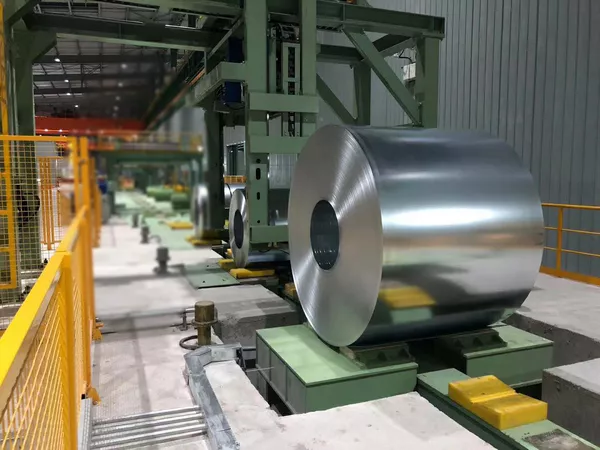
Engineering Efficiency: How Automation Delivered Results
The transition to an automated packing line involved careful planning and the implementation of specific technologies designed to tackle the identified inefficiencies head-on.
H3: Customization is Key: Tailoring Automation for Peak Efficiency
Generic automation solutions were deemed insufficient for the specific challenges of steel coil packing, where balancing product protection with resource minimization is paramount. The company collaborated closely with automation engineers to develop a bespoke system.
- Real-Time Coil Measurement: A core feature was the integration of sensors capable of measuring the precise dimensions (diameter, width) of each incoming steel coil in real-time. This data became the input for the control system.
- Adaptive Material Application: Based on the sensor data, the automated wrapping machines could dynamically adjust the amount of protective material (like plastic wrap or VCI paper) applied. Instead of a one-size-fits-all approach that led to over-wrapping smaller coils, the system dispensed the exact amount needed for adequate protection, drastically reducing material consumption. The source material noted a 30% reduction in plastic wrap and steel strapping through this precision alone.
- Optimized Machine Sequencing: The automation logic ensured smooth, continuous flow, minimizing the stop-start cycles common in manual operations. This not only boosted throughput but also reduced the energy spikes associated with restarting heavy machinery. Coordinated movement between different stations (e.g., conveyor, wrapper, strapper) eliminated bottlenecks and unnecessary idling.
- Integration with Production Planning: Advanced systems can link the packing line's operation to broader production schedules (e.g., via MES - Manufacturing Execution Systems), allowing for better planning of runs, minimizing changeover times, and potentially grouping similar coil sizes to further optimize material use.
H3: Smart Technology's Role in Reducing Energy Footprint
Beyond material savings, the new automated system incorporated intelligent features specifically designed to minimize direct energy consumption.
- Energy-Efficient Components: The new machinery itself was selected based on energy efficiency ratings. This included high-efficiency motors (potentially meeting NEMA Premium® standards), optimized gearboxes, and energy-saving hydraulic or pneumatic components where applicable.
- Programmable Logic Controllers (PLCs) with Smart Logic: PLCs formed the brain of the operation, enabling sophisticated energy management strategies.
- Low-Energy Modes: The system was programmed to automatically enter a low-power or sleep state during periods of inactivity (e.g., breaks, no incoming coils). This contrasts sharply with older equipment that might run continuously.
- Optimized Ramping: Smooth acceleration and deceleration profiles for motors controlled by VFDs/ASDs reduced peak current demands compared to abrupt starts and stops.
- Load Matching: VFDs allowed motors driving conveyors, wrappers, or strappers to adjust their speed and torque based on the actual load, consuming significantly less power during periods of lower demand or when handling lighter coils.
- Smart Sensors: Beyond coil measurement, sensors monitored machine status, presence of coils, and potential issues. This data fed into the PLC, allowing for optimized operation and preventing unnecessary energy use during faults or jams. For instance, a conveyor might stop automatically if the downstream machine is not ready.
- Reduced Compressed Air Demand: Automation often replaces pneumatic actuators with electric ones where feasible, reducing reliance on energy-intensive compressed air. Where air was still needed, the precision control minimized consumption, and the new, well-maintained system reduced leaks inherent in older installations.
H3: Beyond Savings: Environmental and Operational Co-Benefits
The implementation of customized automation yielded benefits extending beyond direct energy and material cost reductions.
- Waste Reduction: The most dramatic impact, as highlighted in the source material, was a 40% reduction in packaging waste sent to landfills. This significantly improved the company's environmental scorecard and reduced disposal costs.
- Lower Carbon Emissions: The combination of reduced direct energy consumption (electricity, potentially fuel) and the lower embodied energy from using less packaging material resulted in an estimated 20% decrease in greenhouse gas emissions. This helped meet sustainability targets and potentially regulatory requirements.
- Increased Productivity & Consistency: Automation led to faster, more reliable packing cycles with fewer errors, increasing overall throughput and ensuring consistent package quality.
- Improved Worker Safety: Automating heavy lifting, repetitive motions, and potentially hazardous tasks like manual strapping improved ergonomics and reduced injury risks.
In essence, automation wasn't just a fix; it was a fundamental re-engineering of the packing process, transforming it from an inefficient, resource-heavy operation into a precise, optimized, and significantly more sustainable system. The key was the customized and intelligent application of technology to address the specific pain points of steel coil packing.
Breakthrough Innovations: Precision and Data-Driven Optimization
While automation provided the framework for efficiency, specific technological innovations within the system were the true game-changers. These breakthroughs targeted core aspects of the packing process – wrapping, strapping, and overall process intelligence – delivering unprecedented levels of precision and enabling continuous improvement.
The most impactful innovations included precision wrapping technology using real-time coil measurements to apply exact material amounts, automated strapping systems ensuring consistent tension without damage or waste, and the integration of data analytics for continuous monitoring and optimization, allowing for data-driven adjustments that further refined energy and material usage over time.
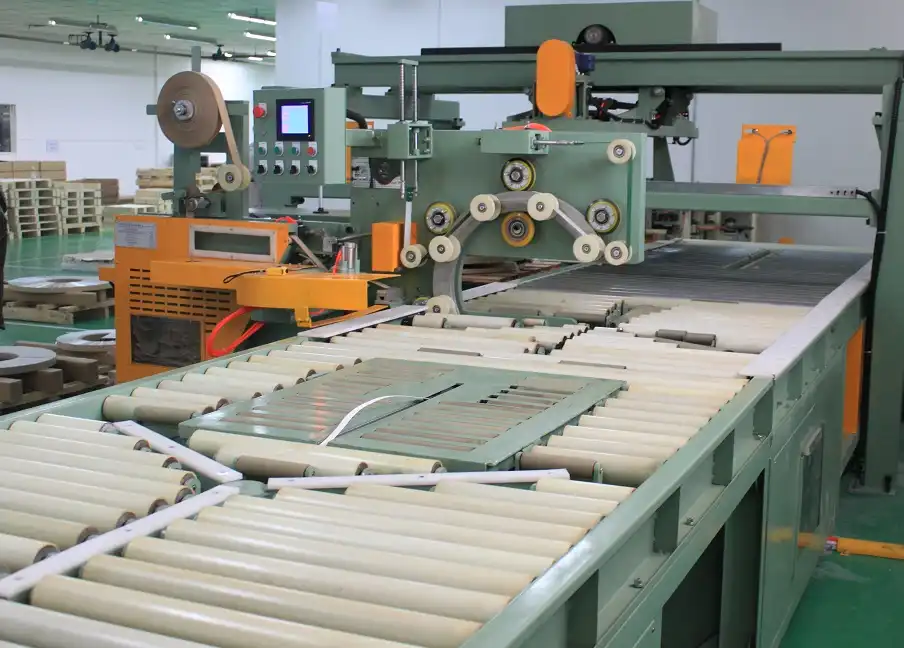
Dissecting the Innovations: Technology in Action
Delving deeper into these key innovations reveals how they fundamentally altered the packing line's performance and efficiency profile.
H3: The Power of Precision Wrapping Technology
This was identified in the source material as the single biggest breakthrough. The limitations of the old system were stark: applying a fixed amount of wrapping material irrespective of coil size led inevitably to waste or inadequate protection.
- Sensor-Driven Measurement: As coils moved along the automated line, sensors (e.g., laser scanners, vision systems) accurately measured their diameter and width on the fly. This data was instantly relayed to the wrapping machine's control system.
- Calculated Material Dispensing: The PLC used the dimensional data, potentially combined with pre-set parameters based on coil type or customer requirements, to calculate the optimal length and layering pattern for the protective wrap (e.g., VCI paper, plastic film).
- Adaptive Wrapping Cycle: The wrapping machine executed the cycle precisely as calculated. This meant:
- Smaller coils received significantly less material than before, eliminating the ~25% excess waste previously observed.
- Larger coils received the appropriate amount, ensuring adequate protection and reducing the risk of damage and subsequent rework (which itself consumes energy and materials).
- The consistency achieved removed the variability inherent in manual application, leading to predictable material consumption and reliable package quality.
- Energy Impact: While primarily a material-saving innovation, precision wrapping indirectly saved energy by reducing the production and transport footprint of the excess material and eliminating the energy expenditure associated with rework due to under-wrapping.
H3: Optimizing Strapping: Consistency Meets Material Reduction
Manual strapping was another area plagued by inconsistency and inefficiency. It was labor-intensive, slow, and prone to errors that could damage the product or compromise package integrity.
- Automated Strapping Heads: The new system employed automated strapping machines positioned strategically along the line. These units could handle various strap types (e.g., steel, PET) as required.
- Precise Tension Control: A critical advantage was the ability to apply straps with precisely controlled and consistent tension. Load cells or sophisticated motor controls ensured that straps were tight enough to secure the coil and its protective wrapping without being so tight as to damage the coil edges or the wrapping material itself (edge protection could also be automatically applied). This eliminated both under-strapping (leading to load shifts and potential damage) and over-strapping (causing product damage or using excessive strap material).
- Optimized Strap Placement & Number: The automated system could be programmed to apply straps at specific, optimal locations around the coil circumference and use the minimum number of straps required for securement, based on coil weight and dimensions.
- Reduced Material Waste: Consistent tension and placement minimized the need for excess strap length and reduced instances of strap failure or damage requiring re-application.
- Safety and Speed: Automation removed workers from the potentially hazardous manual strapping process and significantly increased the speed of this operation, contributing to overall line throughput.
H3: Data Analytics: Fueling Continuous Improvement Cycles
Perhaps the most transformative innovation in the long run was the integration of data collection and analytics capabilities into the automated system. This turned the packing line into a source of valuable operational intelligence.
- Real-Time Monitoring: Sensors throughout the line continuously tracked key performance indicators (KPIs): cycle times per station, material consumption per coil, energy usage per machine or per cycle, error rates, downtime occurrences and durations, etc.
- Data Logging and Reporting: This data was logged into a database, allowing for historical trend analysis and the generation of detailed performance reports. Dashboards could provide operators and managers with real-time visibility into the line's status.
- Identifying Optimization Opportunities: By analyzing this data, engineers and managers could pinpoint subtle inefficiencies or emerging problems that might otherwise go unnoticed. Examples include:
- Identifying specific coil types or sizes that consumed disproportionately more material or energy, prompting investigation into recipe adjustments.
- Detecting gradual increases in cycle time at a particular station, potentially indicating a need for maintenance before a major breakdown occurs.
- Comparing energy use across different shifts or operating conditions to identify best practices.
- Data-Driven Adjustments: The insights gained from data analysis enabled informed, targeted adjustments to the process. The source material provides a concrete example: analyzing initial data led to further tweaks in the wrapping process, saving an additional 5% in material. This demonstrates the power of a continuous improvement loop fueled by real-time data.
- Predictive Maintenance: Analyzing trends in sensor data (e.g., motor temperature, vibration, current draw) could enable predictive maintenance, scheduling service before equipment fails, thus preventing costly unplanned downtime and associated energy waste from inefficient operation preceding failure.
| Feature | Manual/Traditional System | Automated System with Innovations | Key Benefit Driver |
|---|---|---|---|
| Wrapping Material Use | Fixed amount or operator guess; High variability | Precise amount based on real-time coil measurement; Low variability | Sensors, PLC control, adaptive algorithms |
| Strapping Tension | Highly variable; Risk of damage or looseness | Consistent, precisely controlled tension | Automated heads, load cells/motor control |
| Strapping Placement | Variable by operator | Optimized, repeatable placement | Programmable automation |
| Energy Monitoring | Typically none at machine level | Real-time tracking per machine/cycle | Integrated sensors, data logging |
| Process Optimization | Reactive, based on major issues or periodic reviews | Proactive, continuous improvement based on data trends | Data analytics platform, real-time KPIs |
| Error Detection/Response | Relies on operator vigilance; Slow response | Automated fault detection; Faster response, potential prediction | Sensors, PLC diagnostics, predictive maintenance potential |
These innovations, working in concert, moved the packing line beyond simple automation to a state of intelligent, optimized operation, delivering substantial and ongoing improvements in energy efficiency, material usage, and overall productivity.
The Ripple Effect: How Optimization Transformed Overall Operations
The successful re-engineering of the steel coil packing line wasn't an isolated improvement; its impact resonated throughout the entire business, fundamentally changing perceptions of productivity, sustainability, and even the company culture itself.
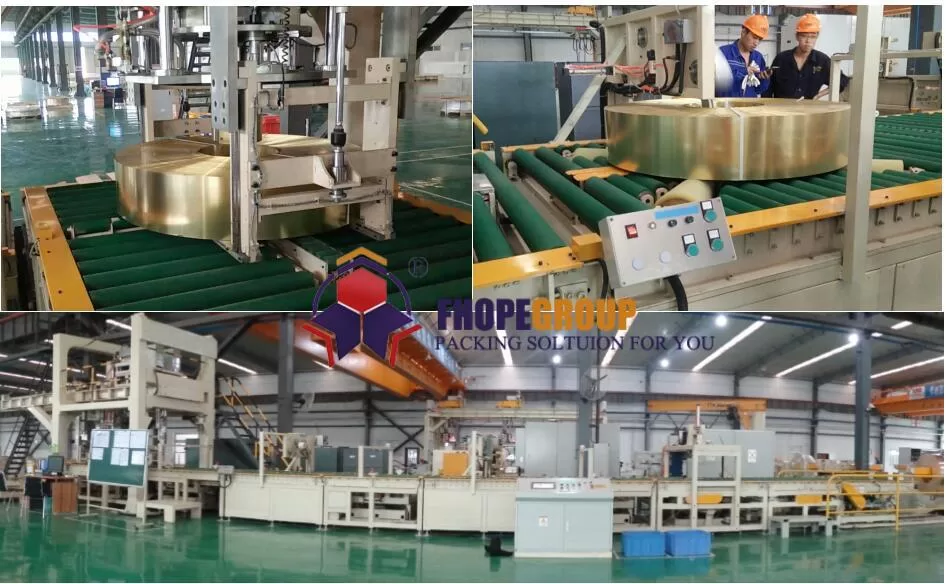
The optimization transformed operations by decoupling productivity gains from increased resource consumption; the automated line packed more coils faster while simultaneously using significantly less energy and material. This generated substantial financial savings through reduced utility bills and material costs, improved the company's market position by appealing to sustainability-focused customers, and fostered a positive cultural shift towards innovation and continuous improvement among employees. This holistic impact demonstrated that strategic investments in energy efficiency could drive broad business benefits far beyond simple cost reduction.
H3: Redefining Productivity and Sustainability: A Symbiotic Relationship
One of the most profound shifts was the breaking of the traditional paradigm where increasing productivity often meant consuming more resources.
- Simultaneous Gains: The automated line achieved what previously seemed contradictory: higher throughput and lower environmental impact. Packing speeds increased due to the efficiency of automation, reduced errors, and minimized downtime. At the same time, the precision controls slashed material waste by 40% and energy consumption (leading to a 20% emissions reduction).
- Breaking the Trade-Off: Historically, pushing for faster packing might involve running machines harder (more energy) or using extra materials "just in case." Automation, particularly with its focus on precision and optimized control, proved that efficiency could serve both goals. By eliminating waste (of time, energy, materials), the system became inherently more productive and more sustainable.
- Enhanced Reliability: The new system's reliability, stemming from modern equipment and proactive monitoring (enabled by data analytics), meant fewer unexpected stoppages. This consistent operation contributed significantly to predictable output and efficient resource utilization, reinforcing the link between smooth operations and sustainability.
H3: The Financial Payoff: Justifying the Investment in Green Tech
While the initial capital expenditure for customized automation was significant, the financial returns quickly validated the decision.
- Direct Cost Savings:
- Material Costs: The 40% reduction in packaging waste translated directly into lower purchasing costs for plastic wrap, strapping, VCI paper, etc. As mentioned in the source, this amounted to "thousands of dollars every month."
- Energy Bills: Reduced electricity consumption directly lowered utility bills. The cumulative impact across multiple machines running multiple shifts was substantial.
- Labor Costs: While automation might shift roles, it often reduces the overall labor hours required per packed coil, leading to savings or allowing reallocation of personnel to higher-value tasks.
- Waste Disposal Costs: Less waste meant lower fees for landfilling or recycling.
- Indirect Financial Benefits:
- Reduced Rework & Damage: Improved packaging consistency minimized product damage during handling and transit, avoiding the costs associated with returns, reprocessing, or scrapped products.
- Maintenance Savings: Modern, reliable equipment typically requires less corrective maintenance than aging machinery. Predictive maintenance capabilities further reduced costs associated with unexpected breakdowns.
- Incentives and Tax Breaks: The documented reductions in energy use potentially made the company eligible for green energy incentives or tax credits, further improving the ROI.
- Market Advantage: The enhanced sustainability profile became a competitive differentiator. Customers increasingly prioritize suppliers with strong environmental credentials. Marketing the operation as "greener" helped secure new contracts and strengthen relationships with existing clients who valued sustainability in their supply chains. This opened up new revenue opportunities directly linked to the efficiency investment.
H3: Fostering a Culture of Efficiency and Innovation
The transformation extended beyond machinery and metrics; it influenced the mindset and engagement of the workforce.
- Visible Commitment: The significant investment signaled a clear commitment from leadership towards innovation, modernization, and environmental responsibility. This resonated positively with employees who often share these values.
- Empowerment and Skill Enhancement: Automating tedious, repetitive, and sometimes physically demanding manual tasks freed up workers to focus on more strategic activities. This included monitoring the automated system, overseeing quality control, analyzing performance data, and identifying further opportunities for optimization – roles that are often more engaging and require higher skill levels. Training was necessary, but it represented an investment in the workforce.
- Shift to Continuous Improvement: The success of the packing line project fostered a culture where questioning existing processes and seeking efficiency gains became the norm. The data analytics provided tangible evidence of improvements, motivating teams to look for similar opportunities in other areas of the operation.
- Improved Job Satisfaction: Moving away from strenuous manual labor towards roles involving technology oversight and process optimization generally leads to higher job satisfaction and employee morale. Engaged employees are more likely to contribute ideas for further improvements.
In conclusion, optimizing the steel coil packing line proved to be a catalyst for widespread positive change. It demonstrated practically that energy efficiency investments are not just environmental necessities but powerful drivers of financial performance, market competitiveness, and organizational development. The ripple effect touched nearly every aspect of the business, creating a more resilient, profitable, and future-ready operation.
Conclusion
The journey to optimize the steel coil packing line underscores a critical principle for modern industry: energy efficiency is not merely a cost-cutting measure but a strategic imperative that drives comprehensive operational excellence. By tackling inefficiencies head-on through customized automation, precision controls, and data-driven insights, the company achieved remarkable results – slashing packaging waste by 40% and significantly reducing Energy consumption and emissions. This transformation highlights the powerful synergy between productivity and sustainability, proving they can be mutually reinforcing goals. The success serves as a compelling case study, inspiring further efficiency initiatives across the organization and demonstrating a clear path towards a more profitable and environmentally responsible future, much like advancements seen in areas such as wire packing automation.