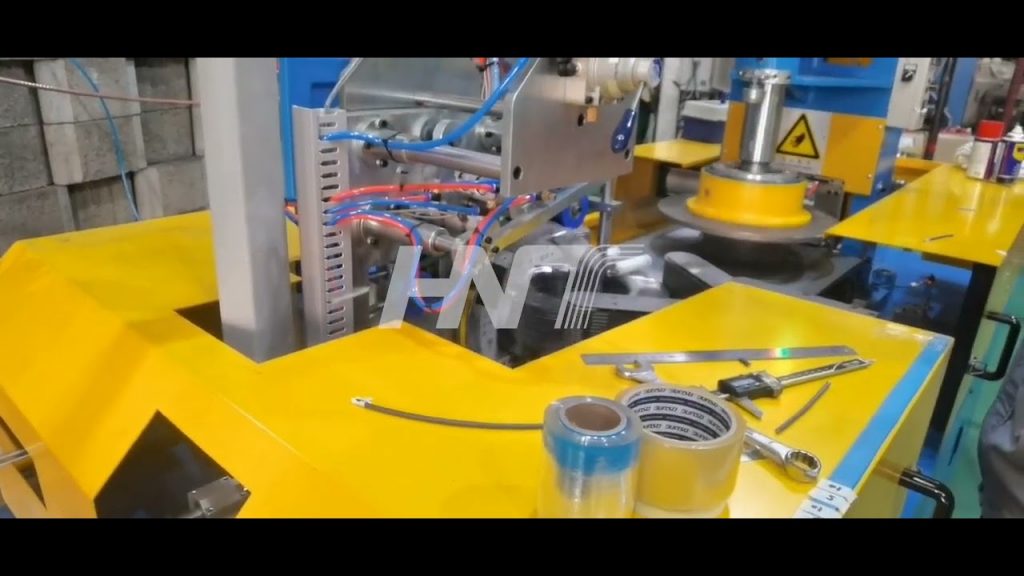
Packaging steel coils can be a nightmare. Damage, inefficiency, and safety concerns plague many operations. Are you struggling to choose between FHOPEPACK and SHJLPACK coil packing lines? You're not alone!
Both FHOPEPACK and SHJLPACK offer automated coil packing lines designed to improve efficiency and safety. FHOPEPACK is known for its customization options and innovative technology, while SHJLPACK emphasizes robust construction and integrated solutions. The best choice depends on your specific needs, budget, and coil handling requirements.
Choosing the right coil packing line is crucial for your operation's success. Let's dive deeper to help you make an informed decision.
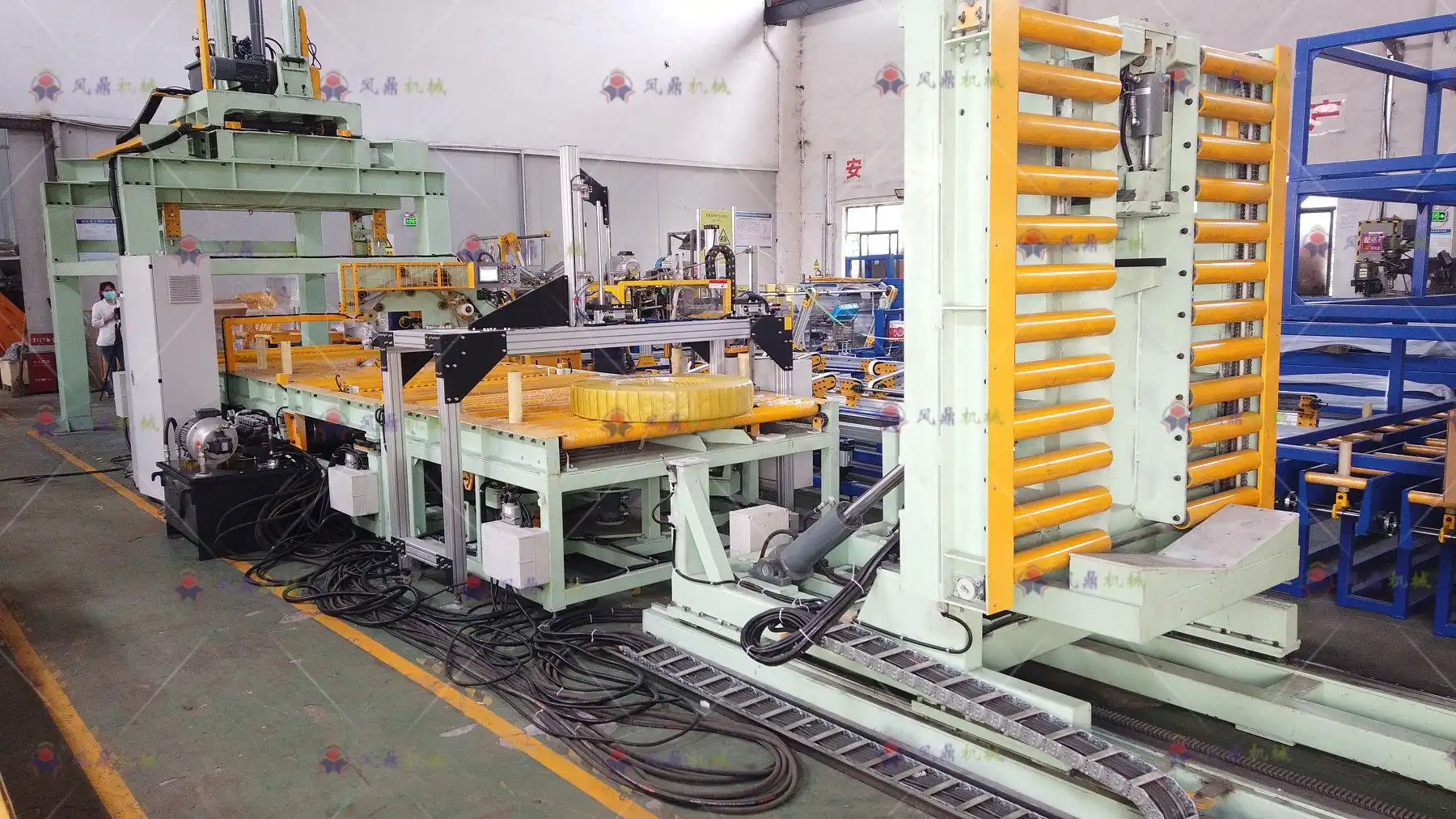
Cost Analysis: FHOPEPACK Vs. SHJLPACK
Steel coil packaging expenses draining your budget? Automation promises significant savings, but selecting the right system is paramount. Is FHOPEPACK the cost-effective innovator, or does SHJLPACK's robust design provide superior long-term value?
Both FHOPEPACK and SHJLPACK offer cost-saving benefits through automation. FHOPEPACK emphasizes energy-efficient designs and reduced material waste. SHJLPACK's durability minimizes downtime and maintenance expenses. A thorough cost analysis, considering initial investment and operational costs, is key to determining the most economical choice.
Which coil packing line provides the best value for your investment? Let's find out.
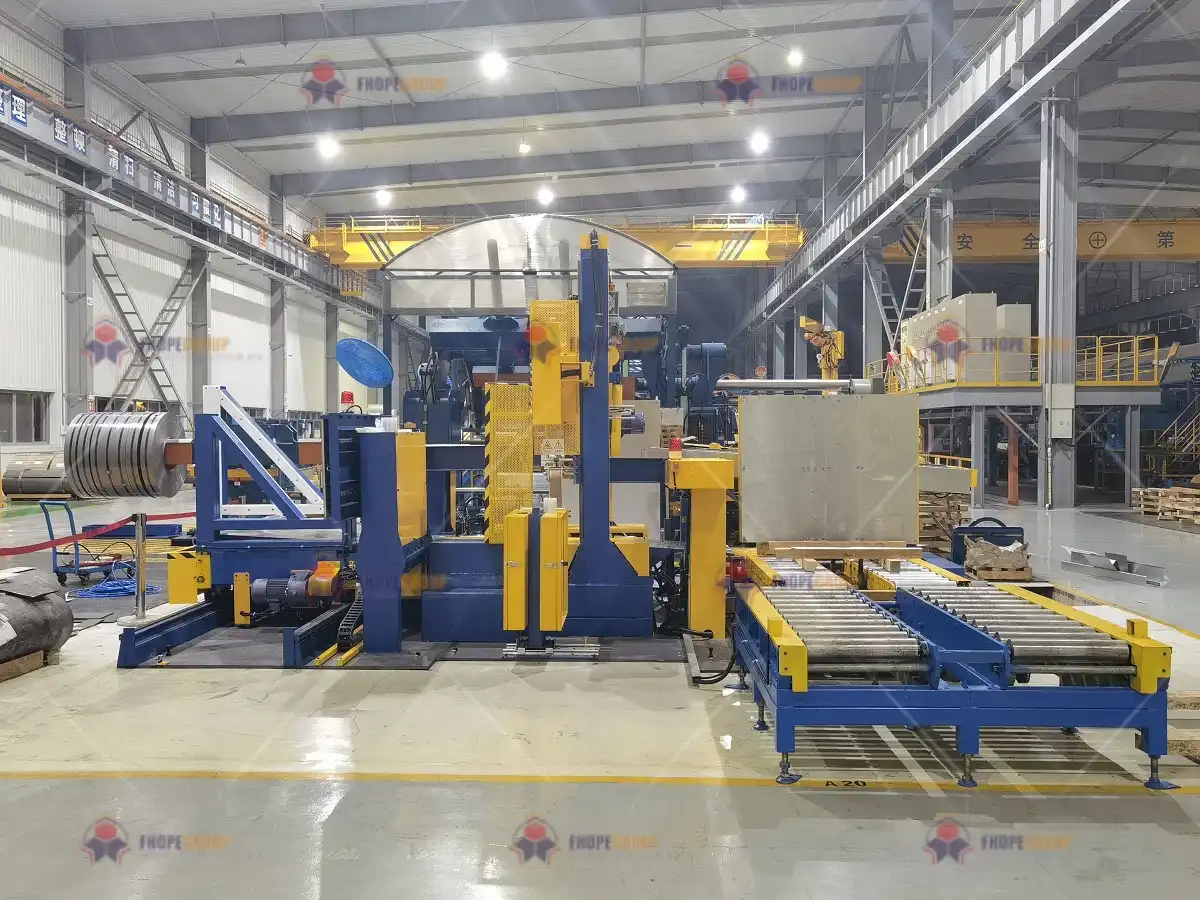
Decoding the Investment: A Deep Dive into Cost Factors
The initial purchase price is a significant consideration, but it's only the tip of the iceberg. A comprehensive cost analysis must account for several factors to determine true long-term value.
Initial Investment Breakdown
The initial investment encompasses more than just the quoted price of the machinery. Consider these components:
- Equipment Cost: This is the base price of the coil packing line itself. FHOPEPACK and SHJLPACK may have different pricing structures based on included features and customization levels.
- Installation Costs: These costs include the expenses associated with preparing the site, installing the machinery, and integrating it with existing systems. This can include electrical work, flooring modifications, and software integration.
- Training Costs: Proper training for operators and maintenance personnel is crucial for maximizing the efficiency and lifespan of the equipment.
- Shipping Costs: Depending on your location and the origin of the equipment, shipping costs can be a significant factor.
- Customization Costs: Any modifications or custom features added to the standard models will increase the initial investment.
Operational Expense Analysis
Operational expenses are the ongoing costs associated with running the coil packing line. These costs can significantly impact the long-term profitability of your investment.
- Labor Costs: Automation reduces labor costs, but some personnel are still required for supervision, maintenance, and material handling. The level of automation in FHOPEPACK and SHJLPACK systems may differ, affecting labor requirements.
- Material Costs: This includes the cost of wrapping film, strapping, edge protectors, and other consumables. Energy-efficient designs and material optimization features can reduce these costs.
- Maintenance Costs: Regular maintenance is essential for preventing downtime and extending the lifespan of the equipment. Consider the cost of spare parts, maintenance contracts, and the expertise required for repairs.
- Energy Costs: The energy consumption of the coil packing line can be a significant expense, particularly for high-volume operations. Look for energy-efficient designs and features.
- Downtime Costs: Downtime can be costly, disrupting production schedules and impacting customer satisfaction. Reliable equipment and proactive maintenance programs can minimize downtime.
ROI Calculation: Bringing it All Together
Calculating the Return on Investment (ROI) helps you determine the profitability of your investment. The basic formula for ROI is:
ROI = (Net Profit / Cost of Investment) x 100
To accurately calculate the ROI for FHOPEPACK and SHJLPACK coil packing lines, you need to estimate the net profit generated by each system over a specific period (e.g., 5 years). This requires careful consideration of the cost factors and the benefits of automation, such as increased throughput, reduced labor costs, and improved product quality.
Here’s a hypothetical example comparing FHOPEPACK and SHJLPACK:
| Factor | FHOPEPACK | SHJLPACK |
|---|---|---|
| Initial Investment | \$500,000 | \$450,000 |
| Annual Labor Savings | \$100,000 | \$80,000 |
| Annual Material Savings | \$50,000 | \$40,000 |
| Annual Maintenance Costs | \$10,000 | \$8,000 |
| Annual Energy Costs | \$5,000 | \$7,000 |
| Annual Downtime Costs | \$2,000 | \$3,000 |
| Annual Revenue Increase | \$20,000 | \$15,000 |
| Net Annual Profit | \$153,000 | \$117,000 |
| ROI (5 Years) | 15.3% per year | 13% per year |
In this scenario, FHOPEPACK has a higher initial investment but generates greater annual savings and revenue, resulting in a higher ROI over 5 years. However, this is just an example. The actual ROI will depend on your specific circumstances.
The Value of Intangibles: Beyond the Numbers
While quantifiable metrics are important, don't overlook the intangible benefits of automation, such as:
- Improved Safety: Reduced risk of accidents and injuries, leading to lower insurance costs and improved employee morale.
- Enhanced Product Quality: Consistent packaging quality reduces the risk of damage during transit, protecting your reputation and customer satisfaction.
- Increased Flexibility: The ability to quickly adapt to changing customer demands and product specifications.
- Sustainability: Energy-efficient designs and material optimization contribute to environmental sustainability and enhance your brand image.
Making the Right Choice: A Holistic Approach
Choosing between FHOPEPACK and SHJLPACK requires a holistic approach. Start by defining your specific needs and priorities. Consider your budget, coil handling requirements, and long-term goals. Gather detailed information about the initial investment and operational costs for each system. Analyze the potential ROI and factor in the intangible benefits. By taking a comprehensive approach, you can make an informed decision and maximize the value of your investment.
Technical Specifications: Decoding FHOPEPACK and SHJLPACK's Capabilities
Confused by coil packing specs? FHOPEPACK boasts innovative tech, but SHJLPACK champions robust engineering. Which system aligns with your operational demands?
FHOPEPACK emphasizes cutting-edge automation and customized solutions, while SHJLPACK focuses on durable construction and integrated processes. A thorough comparison of technical specifications, including coil size range, material handling capabilities, and automation features, is crucial for selecting the right system for your specific needs.
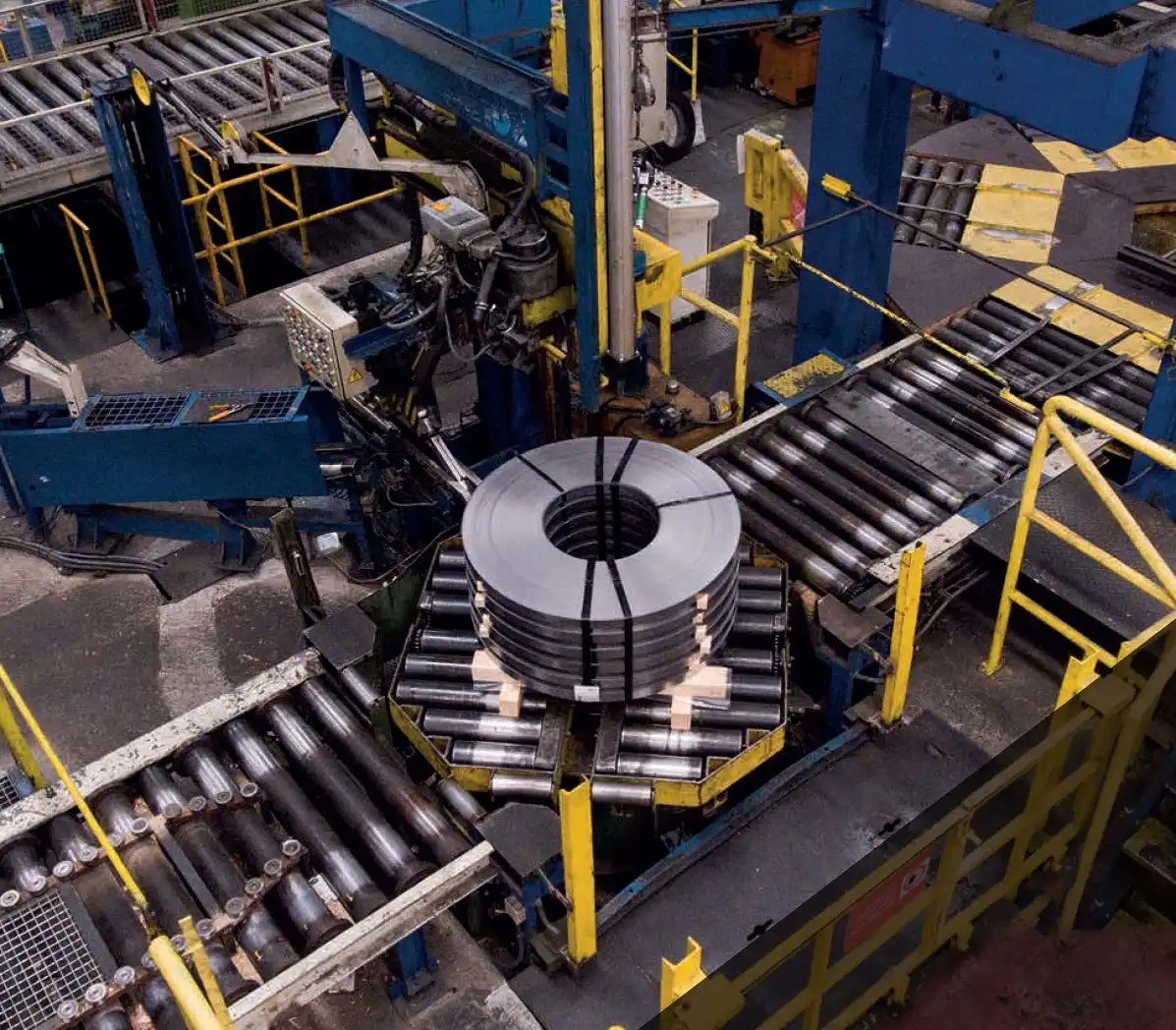
-Here, we delve into the nitty-gritty details, comparing their core functionalities and innovative features, to help you determine which system aligns perfectly with your operational requirements.
Performance Showdown: FHOPEPACK Vs. SHJLPACK
To make the right decision, let's dive into performance metrics that define efficiency, reliability and throughput.
Capacity and Size Range:
This is the most basic, yet crucial, factor. What is the range of coil sizes and weights each system can handle? If you deal with a variety of coil dimensions, flexibility here is key.
Wrapping and Strapping Materials:
Can the system handle different types of wrapping film or strapping (steel vs. PET)? Do you need VCI paper integration? Versatility in materials can affect cost and environmental footprint.
Automation Level
To what extent is the system automated? Are there manual steps involved? Full automation minimizes labor but can be more complex to set up and maintain.
The below table presents a clear comparison of each system based on the main technical Specifications.
| Feature | FHOPEPACK | SHJLPACK |
|---|---|---|
| Coil Weight Capacity | Up to 30 tons | Up to 25 tons |
| Coil Diameter Range | 500mm - 2500mm | 600mm - 2400mm |
| Coil Width Range | 200mm - 1600mm | 300mm - 1500mm |
| Wrapping Material | Stretch film, paper, VCI film | Stretch film, paper |
| Strapping Material | Steel, PET | Steel, PET |
| Automation Level | Fully automatic | Semi-automatic & Fully automatic |
| Wrapping Speed | 20-40 coils/hour | 15-30 coils/hour |
| Control System | PLC with HMI | PLC with HMI |
| Safety Features | Light curtains, emergency stops | Light curtains, emergency stops |
| Power Supply | 380V/415V/480V, 50/60Hz | 380V/415V, 50/60Hz |
Advanced Features and Technology
Beyond the basic performance metrics, FHOPEPACK and SHJLPACK may offer unique features that set them apart. Consider these:
FHOPEPACK
- Customization
- IoT
- Remote monitoring
- AI Driven Quality control
SHJLPACK
- Robust design
- Integrated solutions for heavy coils
Integration Capabilities
How well can the coil packing line integrate with your existing systems?
- MES/ERP Integration: Can the system communicate with your Manufacturing Execution System (MES) or Enterprise Resource Planning (ERP) software for data exchange and production planning?
- Line Integration: Can the packing line be seamlessly integrated with upstream equipment like slitters or coilers? Can it interface with downstream logistics systems?
- Robotics Integration: Can robots be easily integrated for handling, stacking, or labeling tasks?
A closer look at the key components of each system may reveal where they shine:
Wrapping Mechanism:
How does each system wrap the coils? What kind of tension control do they offer? Can they handle different wrapping patterns for varying levels of protection?
Strapping Unit:
What type of strapping heads are used? What is the strap tension range? What is the sealing method (welding vs. sealing)? Can the system apply radial (through-eye) straps as well as circumferential straps?
Safety System:
What safety features are incorporated to protect workers? Light curtains, safety interlocks, and emergency stop buttons are essential.
Making the Call: Key Factors for Choosing the Right Tech
Ultimately, the choice boils down to these critical questions:
- What are your primary operational goals? Are you focused on speed, flexibility, material savings, or a combination of factors?
- What is your budget? Automation can be a significant investment. Be clear about your budget and what features are essential vs. "nice to have."
- What is your long-term vision for your packaging line? Do you anticipate growth or changes in coil sizes or materials? Choose a system that can adapt to your future needs.
- Have you spoken to existing users? Get feedback from other companies using FHOPEPACK or SHJLPACK systems to learn about their experiences and challenges.
- Have you seen the equipment in action? If possible, visit a facility where the equipment is in use to see it firsthand and talk to operators.
Innovation and Technology: What Sets the Packing Lines Apart?
Coil packing technology may seem simple, but innovation is driving major efficiency gains. Do FHOPEPACK's IoT solutions or SHJLPACK's integrated design offer the tech edge you need?
FHOPEPACK leverages IoT-enabled systems for real-time monitoring and predictive maintenance. SHJLPACK emphasizes its tension control system and user-friendly HMI interfaces. The right choice depends on your focus: data-driven optimization or ease of use and reliable performance.
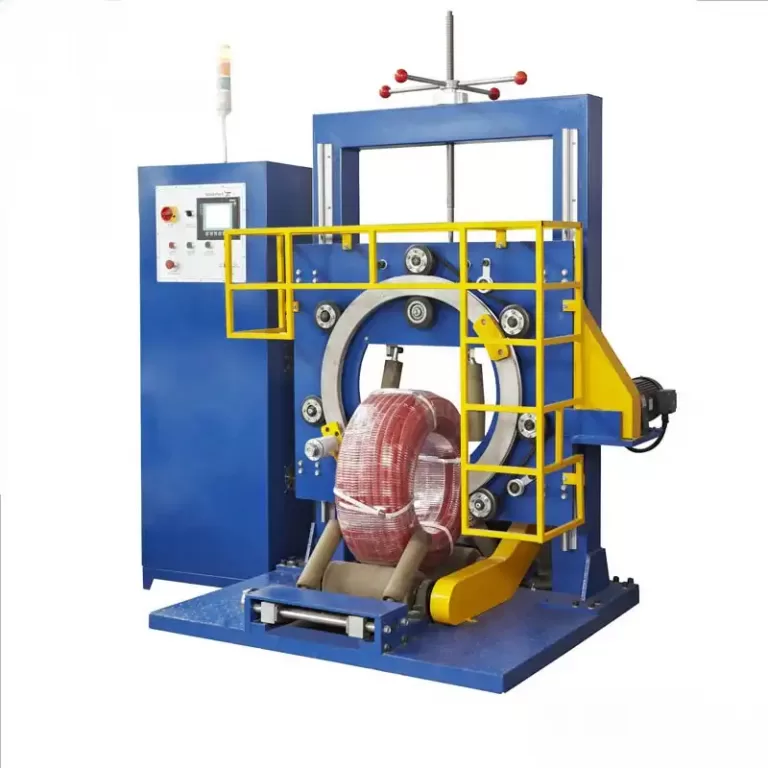
Let's explore the core technologies that empower these coil packing titans, so you can discern which innovation aligns best with your vision for a modern, efficient coil handling operation.
Innovation Deep Dive: FHOPEPACK Vs. SHJLPACK
In the steel coil packaging machinery industry, innovation is a key factor in determining which machines will offer the best performance and value.
Tension Control Systems:
| Precise tension control is vital. Uneven tension can cause wrapping or strapping failures, resulting in damage. How do Fhopepack and SHJLPACK measure and maintain consistent tension? | Feature | FHOPEPACK | SHJLPACK |
|---|---|---|---|
| Tension Control | Patented servo-driven wrapper technology | Innovative tension control system | |
| Control System | Advanced PLC control systems | User-friendly HMI interfaces | |
| Safety Interlocks | Innovative safety features | Advanced safety interlocking systems |
Control System and HMI:
How user-friendly and intuitive is the human-machine interface (HMI)? A well-designed HMI reduces training time and minimizes operator error.
-Are the control systems flexible and easily programmed to accommodate different coil sizes and wrapping/strapping patterns?
Data and Connectivity:
Does the system collect data for process monitoring and optimization? Can it connect to your MES or ERP systems for seamless data exchange?
-Does the vendor offer remote diagnostics and support?
These questions will help you clarify which system best fits your operational and technological needs.
To truly decide between FHOPEPACK and SHJLPACK, it’s important to break down the key criteria:
-Ease of Use
-Customization
-Technological Innovation
-Reliability
How does each system approach ease of use?
Both machines appear to have user-friendly interfaces. Does one have a more streamlined set-up for coil changes?
How customizable is each system?
Does SHJLPACK offer different levels of automation or modular upgrades? Which machine has the most options for customization for specific needs?
Who has better Technology
FHOPEPACK’s key advantage seems to be their patented wrapper and focus on IoT features. What’s unique about the technology used in the SHJLPACK?
Automation and Safety Features: A Detailed Overview
Steel coil handling demands strict safety protocols. Which system prioritizes worker well-being without sacrificing efficiency?
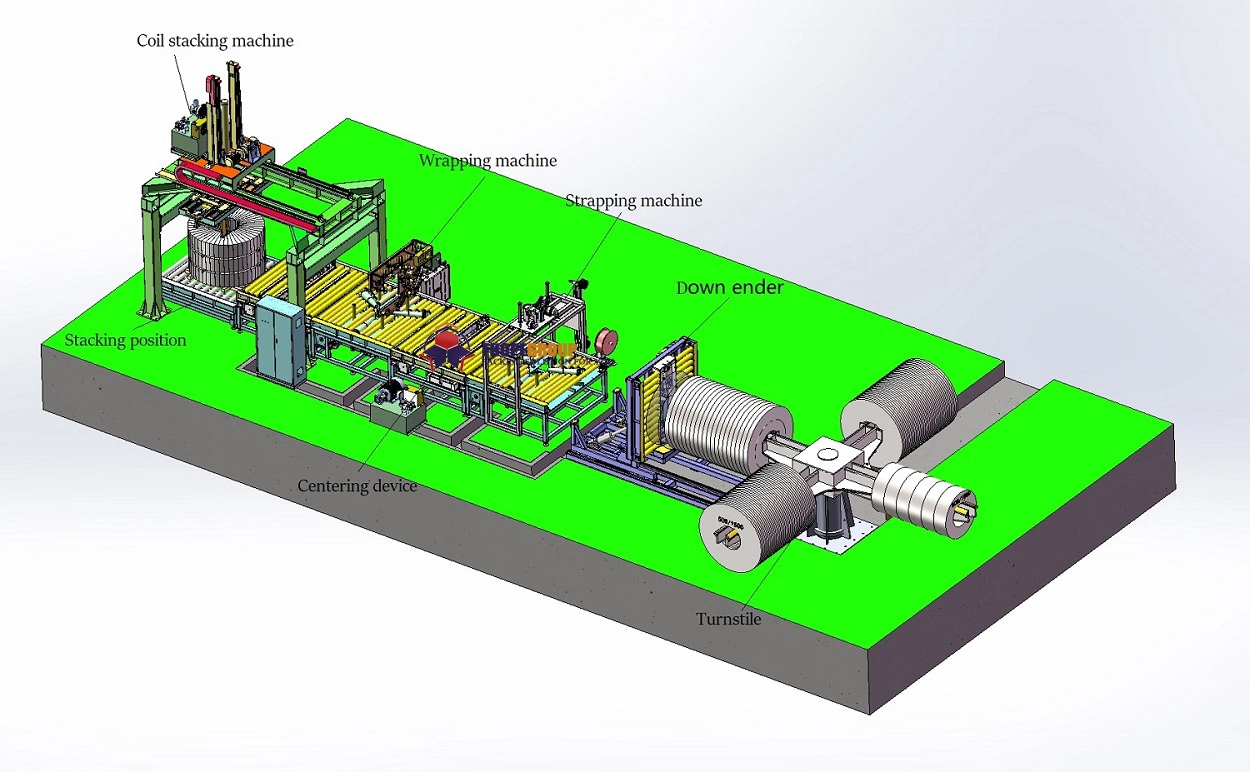
Both FHOPEPACK and SHJLPACK incorporate safety features like light curtains and emergency stops. SHJLPACK emphasizes robust construction and secure interlocking systems, while FHOPEPACK leverages sensors and automated controls to minimize risks. Evaluating specific safety mechanisms and compliance with industry standards is essential for protecting your workforce.
Key safety features to consider:
Emergency stops: How many? Where are they located?
Safety sensors: Are light curtains or laser scanners used to detect personnel in hazardous areas?
Physical barriers: Are there guards or interlocks to prevent access to moving parts?
Compliance: Does the equipment meet relevant safety standards, such as OSHA or CE?
These questions will help you determine which coil packing line truly prioritizes worker safety.
Conclusion
Choosing between FHOPEPACK and SHJLPACK for your coil packing needs requires careful consideration. FHOPEPACK emphasizes innovation and IoT-enabled solutions, while SHJLPACK focuses on robust construction and integrated systems. Your ideal choice depends on your specific operational goals, budget, and long-term vision. Considering factors like cost, technical specifications, and safety features will lead to a sound investment. Remember that optimizing processes like [wire packing automation]() requires a holistic approach to enhance overall success.