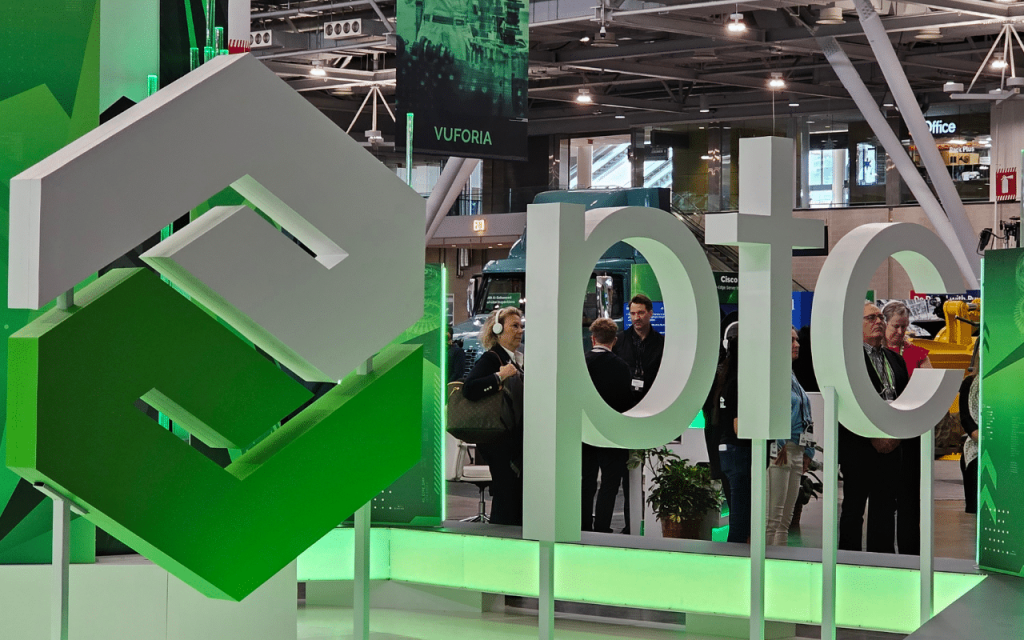
At Liveworx, the digital transformation event organized by PTC in Boston a couple of weeks ago, sustainability emerged as one of the prominent themes. The CEO of PTC, Jim Heppelmann, emphasized the growing significance of sustainability for manufacturing companies and the widespread awareness and importance of this topic among customers, investors, regulators, and employees.
PTC believes that three crucial areas require particular attention in order to address the new challenges of sustainable manufacturing: materialization, energy efficiency, and waste reduction. Through its digital solutions, PTC aims to enable industrial and manufacturing sectors to tackle these challenges and make a positive impact on the planet.
Redirecting the focus on sustainability upstream, particularly towards the design phase, is the first step. By increasing engineers' awareness of the factors contributing to the environmental footprint associated with their designs, companies can implement significant changes and reduce the environmental impact of their products from the start.
One of PTC's customers, Cummins, a global leader in combustion engines, has used PTC's Creo generative design software to model and optimize parts using less material, without sacrificing strength and durability. By leveraging cloud computing and AI, engineers can explore multiple design options simultaneously and generate optimal designs based on predefined requirements. Cummins has achieved a 10-15% reduction in material use for their engine systems without adversely affecting structural integrity.
Another important aspect of sustainable manufacturing is the selection of materials. PTC has partnered with simulation software company Ansys to expand the capabilities of their Windchill software for materials management and sustainability. Ansys' tool, Granta, provides a comprehensive database of materials with information on their typical engineering properties, carbon footprint, production methods, country of origin, and whether they are sourced from recycled materials. Manufacturers can use this information to make informed decisions and prioritize materials that are both sustainable and have a reduced environmental footprint.
Vestas, the world's most sustainable company, has implemented PTC's technology to optimize processes, reduce carbon emissions, and ensure the highest level of quality and sustainability of their products. By seamlessly connecting engineering, manufacturing, and service areas, Vestas has made remarkable advancements in engineering and service optimization. Through the use of PTC's ThingWorx and ServiceMax, Vestas has achieved a circular reuse cycle, fostering collaborative partnerships throughout their supply chain.
PTC's digital solutions empower companies to design, manufacture, and service greener products. By redirecting the focus on sustainability upstream, optimizing parts through generative design, selecting materials wisely, and leveraging comprehensive tools, companies can effectively address the new challenges of sustainable manufacturing. PTC's commitment to showcasing its dedication to sustainability and driving meaningful impact for its customers is evident in the results achieved by companies like Cummins and Vestas. The future of sustainable manufacturing lies in the hands of companies willing to embrace digital transformation and make a positive impact on the planet.
