For manufacturers seeking to enhance production efficiency, safety, and mold longevity, mold upenders are emerging as crucial technology. Automating the turning and tilting of heavy molds, these machines minimize manual handling risks, reduce wear and tear, and streamline maintenance, marking a significant shift from traditional manual methods and optimizing manufacturing operations.
In the relentless pursuit of optimized production processes, manufacturers are constantly seeking innovative solutions to enhance efficiency and reduce downtime. One critical area often overlooked is mold maintenance – a labor-intensive and potentially hazardous task traditionally performed manually. Enter the mold upender, a piece of equipment poised to revolutionize this essential aspect of manufacturing.
For too long, the maintenance of heavy industrial molds has relied on manual labor, presenting significant challenges in terms of safety, efficiency, and precision. Imagine the cumbersome process of rotating a multi-ton mold for cleaning, repair, or component change-out using chains, cranes, and sheer manpower. This method is not only time-consuming and prone to errors but also poses considerable risks to worker safety and the molds themselves. However, with the advent of automated mold handling technology, particularly mold upenders and flippers, this paradigm is shifting dramatically.
The Bottleneck of Manual Mold Maintenance
Manufacturing floors worldwide grapple with the persistent challenge of production bottlenecks. And often, the humble mold maintenance process sits squarely in the middle of these delays. Manual mold handling is inherently slow, requiring significant manpower and specialized equipment like overhead cranes, which may be needed for other critical tasks. This creates a bottleneck, hindering overall production flow and increasing downtime.
Traditional manual methods of flipping or turning molds are fraught with risks. Workers are exposed to potential strains, crushing injuries, and other accidents associated with handling heavy, unwieldy objects. Moreover, manual handling increases the risk of damaging the molds themselves. Accidental drops, impacts, or improper handling can lead to costly repairs, reduced mold lifespan, and production disruptions.
Manual processes are also inherently less precise and consistent than automated systems. Achieving a perfect 180-degree flip or a precise 90-degree tilt manually is challenging, leading to potential inaccuracies in subsequent maintenance or assembly processes. This variability can compromise product quality and increase rework rates.
Mold Upenders: Automating Precision and Safety
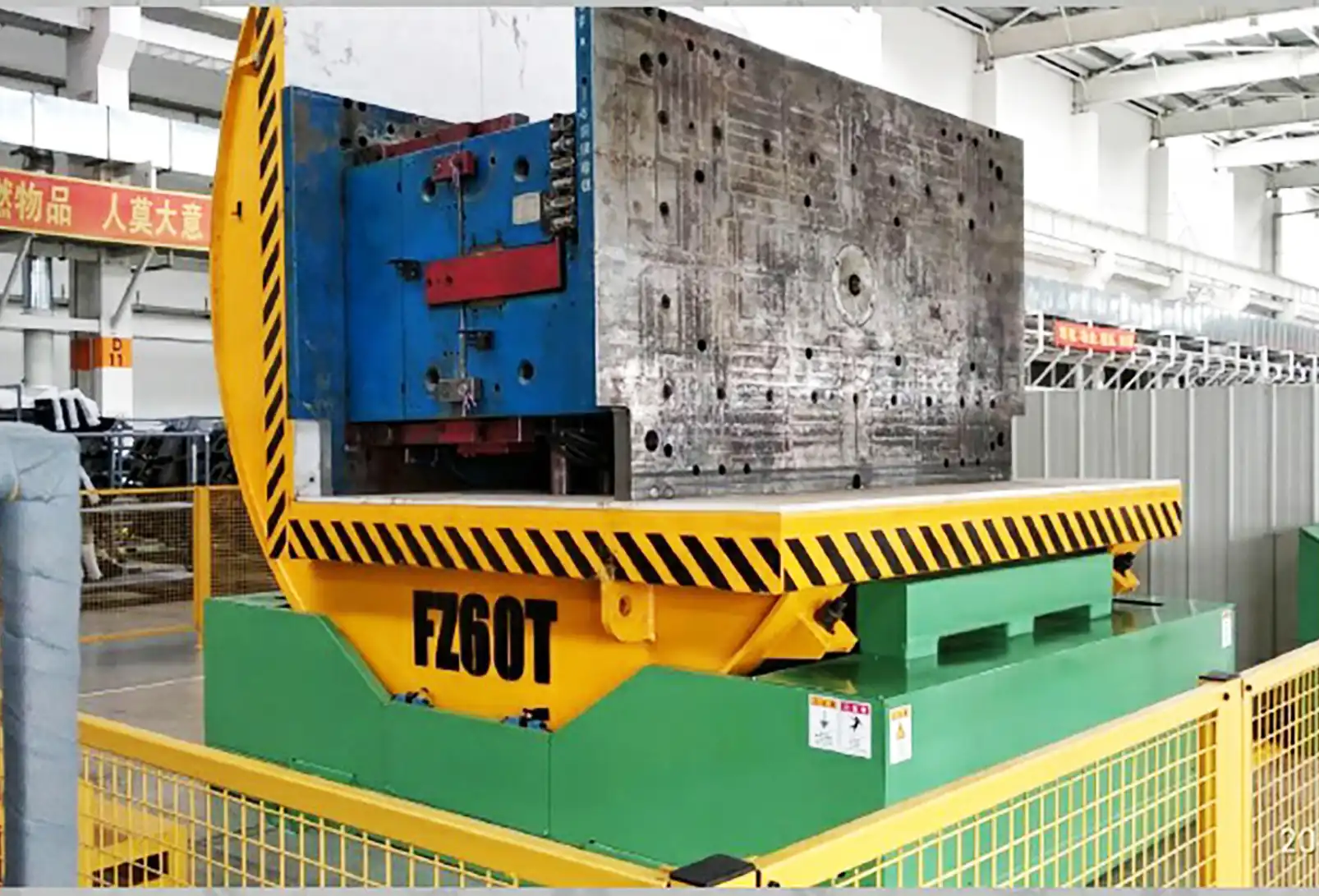
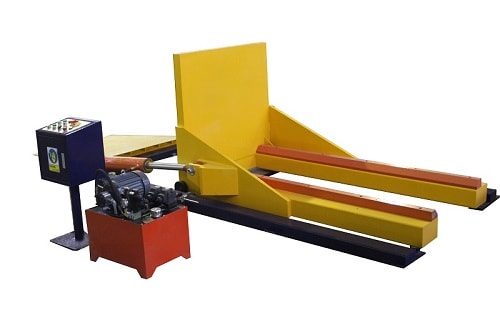
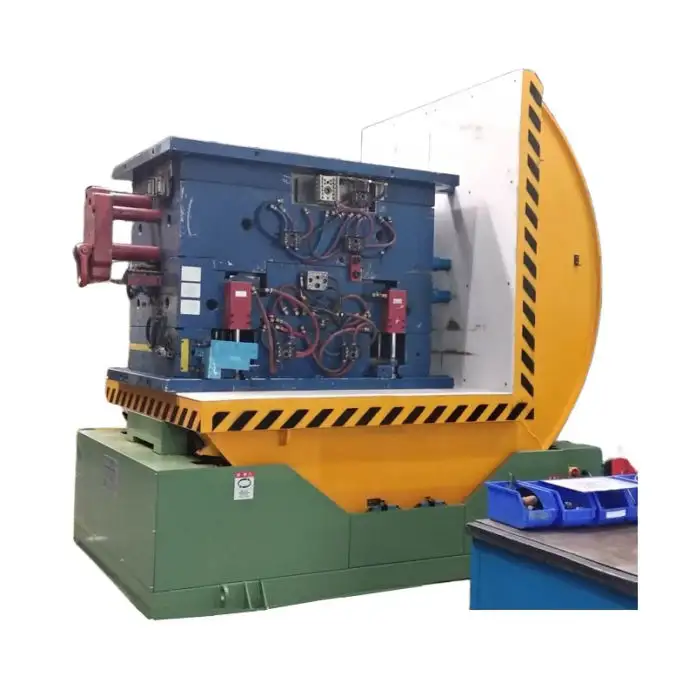
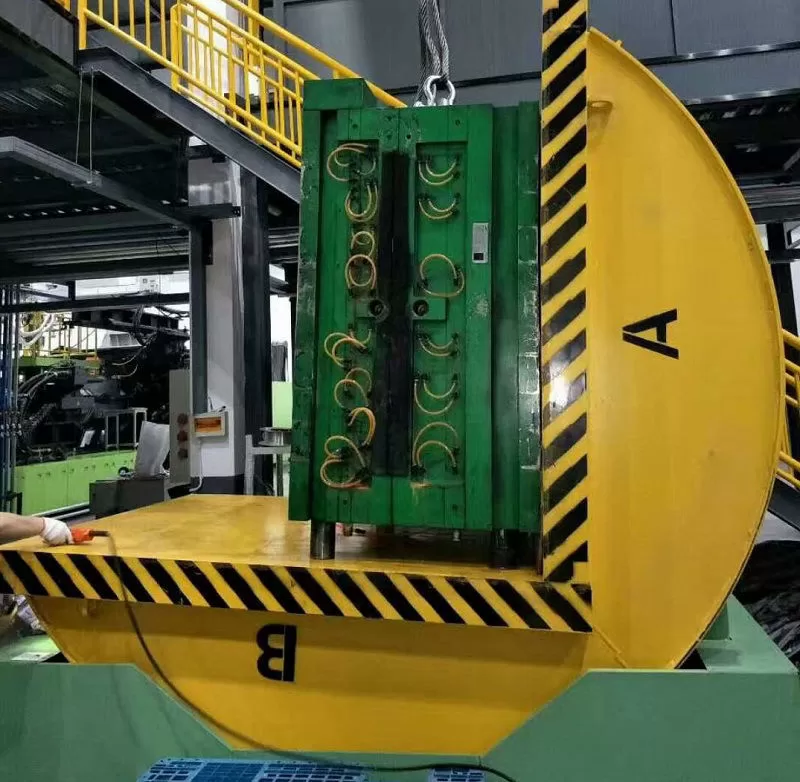
Mold upenders, also known as mold flippers or tilters, are engineered to automate the process of turning and tilting heavy molds. These machines utilize hydraulic or mechanical systems to safely and efficiently rotate molds, typically by 90 or 180 degrees, facilitating easier and safer access for maintenance tasks. By automating this critical step, mold upenders offer a multitude of benefits, transforming mold maintenance from a bottleneck into a streamlined operation.
Enhanced Efficiency and Throughput
| The primary advantage of mold upenders is the dramatic improvement in efficiency. Automating the turning process significantly reduces the time required for mold maintenance. Tasks that once took hours with manual handling can be completed in minutes using a mold upender. This speed directly translates to reduced downtime, increased production throughput, and faster turnaround times. | Aspect | Manual Flipping | Mold Upender |
|---|---|---|---|
| Labor Costs | High | Low | |
| Injury Risks | Elevated | Minimal | |
| Turnaround Time | Slower | Faster | |
| Precision | Variable | High |
| Consistency | Low | High |
| Mold Longevity | Potentially Reduced (due to handling risks) | Increased (due to controlled and safer handling) |
Superior Safety and Reduced Risk
Safety is a paramount concern in any manufacturing environment, and mold upenders significantly enhance workplace safety by minimizing manual handling of heavy molds. By automating the flipping and tilting process, these machines reduce the need for workers to be in close proximity to heavy loads during rotation, minimizing the risk of accidents and injuries. Features like safety sensors and robust construction further contribute to a safer working environment, protecting personnel and preventing damage to equipment.
Precision and Consistency for Optimal Mold Performance
Modern mold upenders are equipped with precise control systems that ensure accurate and consistent mold turning. Whether it’s a 90-degree tilt for side access or a 180-degree flip for complete inspection, these machines execute movements with precision, minimizing the risk of human error. This accuracy is crucial for maintaining mold integrity and ensuring consistent product quality. Precise flipping also ensures that molds are correctly oriented every time, which is essential for streamlined maintenance procedures and subsequent production runs.
Extending Mold Lifespan Through Gentle Handling
One often-overlooked benefit of mold upenders is their contribution to mold longevity. Manual handling, even when performed carefully, can introduce stress, wear, and tear on molds. The controlled and even movements of a mold upender minimize mechanical stress, preventing undue strain on mold components. By reducing the risk of accidental damage during handling and ensuring even weight distribution during tilting, mold upenders help extend the operational life of valuable molds. This translates directly to reduced replacement costs and long-term savings for manufacturers.
Cost-Effectiveness and Return on Investment
While the initial investment in a mold upender represents an upfront cost, the long-term cost savings and increased efficiency quickly demonstrate a strong return on investment. Reduced labor costs, decreased downtime, improved safety, and extended mold lifespan all contribute to significant cost savings. Moreover, the increased throughput and improved product quality facilitated by mold upenders enhance overall operational profitability, making them a sound financial investment for modern manufacturing facilities.
Key Features of Modern Mold Upenders
Modern mold upenders are equipped with a range of advanced features designed to maximize efficiency, safety, and versatility:
- Robust Hydraulic Systems: Heavy-duty hydraulic systems provide the power and control necessary to lift and turn massive molds smoothly and reliably.
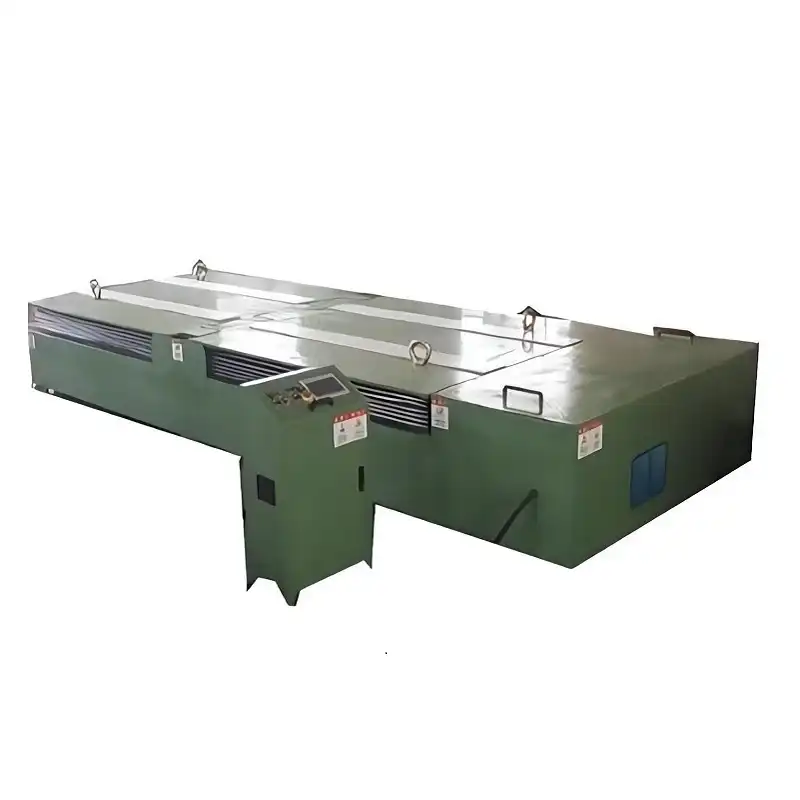
- Precise Control Systems: Advanced control panels with user-friendly interfaces allow operators to precisely control the turning and tilting process, ensuring accuracy and safety.
- Safety Sensors and Interlocks: Built-in safety sensors detect obstructions or anomalies during operation, automatically halting the machine to prevent accidents and damage. Interlocks further ensure safe operation by preventing movement when safety parameters are not met.
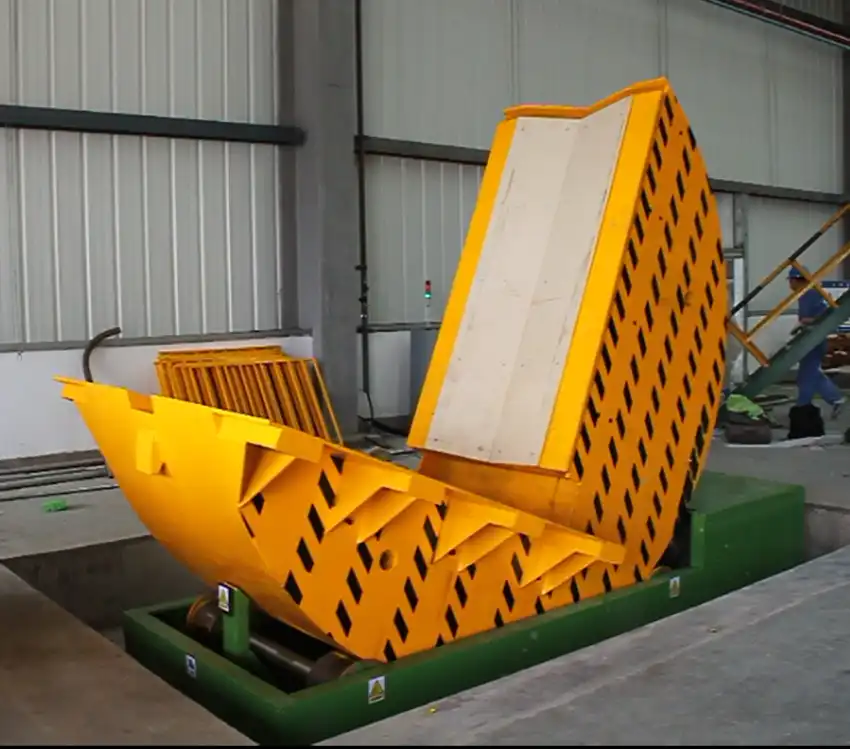
- Variable Platform Designs: Mold upenders are available with various platform configurations, including flat platforms for molds with flat bases, and V-shaped platforms for cylindrical or irregularly shaped molds. Custom designs are also available to cater to specific application needs.
- Adjustable Load Capacities: Mold upenders are offered in a wide range of load capacities, from a few tons to hundreds of tons, accommodating diverse mold sizes and weights across different industries.
- Automated Operation: Many modern mold upenders feature fully automated cycles, requiring minimal operator intervention and further enhancing efficiency and consistency.
Real-World Impact: Transforming Mold Maintenance Practices
The adoption of mold upenders is transforming mold maintenance practices across various industries, including plastics molding, die casting, automotive manufacturing, and aerospace. Companies that have integrated mold upenders into their operations are experiencing significant improvements in efficiency, safety, and overall productivity.
For example, consider a large automotive parts manufacturer struggling with long mold changeover times and frequent accidents during manual mold handling. By implementing a mold upender system, this manufacturer could reduce mold changeover time by up to 50%, significantly decrease workplace injuries related to mold handling, and extend the lifespan of their expensive molds. This translates to increased production capacity, reduced operational costs, and a safer working environment.
Conclusion: Embracing Automation for Mold Maintenance Excellence
Mold upenders are not merely incremental improvements; they represent a fundamental shift in how mold maintenance is approached in modern manufacturing. By transitioning from cumbersome and risky manual methods to automated, precise, and safe mold handling solutions, manufacturers can unlock significant gains in efficiency, safety, and mold longevity.
Investing in mold upender technology is a strategic move for companies aiming to optimize their production processes, enhance workplace safety, and achieve mold maintenance excellence. As industries continue to demand higher productivity and stricter safety standards, mold upenders will undoubtedly become an indispensable component of efficient and future-proof manufacturing operations, driving a new era of automated mold maintenance. The move from manual to automatic mold handling, spearheaded by mold upenders, signifies a revolution that is streamlining processes, safeguarding personnel, and ultimately boosting the bottom line for manufacturers worldwide.