Are you facing challenges in safely managing heavy steel coils during high-tension packaging? The sheer weight and awkward shape of steel coils can create significant hazards. What if you could implement a system that ensures safety and streamlines your processes?
Safe handling of steel coils during high-tension packaging requires the use of appropriate equipment and rigorous safety procedures. Employing coil upenders and stretch wrappers is crucial for securing coils, minimizing physical strain, and preventing damage during handling, storage, and transport. This guarantees both smooth operations and the integrity of the product.
Ready to transform your steel coil handling into a paragon of safety and efficiency? Let’s dive into proven practices that make safe handling a tangible achievement.

Essential Safety Measures for Handling Heavy Steel Coils
Are safety incidents disrupting your steel coil handling operations? The risks involved in moving tons of steel are real, but they are preventable. Picture a workplace where safety is not just a rule, but a core belief, safeguarding your team and enhancing productivity.
Implementing key safety measures is paramount when handling heavy steel coils. These include thorough training in correct lifting methods, the consistent use of specialized coil handling equipment such as upenders and pallet inverters, and maintaining uncluttered workspaces. Prioritizing these practices dramatically reduces workplace hazards, aligns with stringent industry safety standards, and promotes a fundamentally safe operational environment.

Diving Deeper into Safety Protocols
Safe handling of heavy steel coils is a complex issue, demanding a comprehensive strategy that combines equipment, training, and procedural rigor. To effectively implement safety measures, we need to examine the key elements and how they work together to create a safer environment.
The Cornerstone: Proper Lifting Techniques
Improper manual lifting is a major cause of injuries in steel coil handling. Training programs must emphasize:
- Ergonomics: Teach workers to lift with their legs, keeping their backs straight, and avoiding twisting.
- Team Lifting: Mandate team lifts for loads exceeding safe individual limits, with clear communication and coordinated movements.
- Load Assessment: Train personnel to accurately assess coil weight and size before lifting, ensuring they use appropriate techniques and assistance.
Equipment: The Safety Multiplier
Specialized equipment is not just about efficiency; it’s a critical safety intervention.
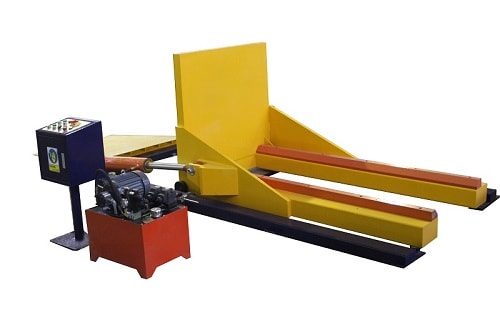
- Coil Upenders: These machines eliminate the dangerous task of manually flipping coils, significantly reducing strain and the risk of dropped coils.
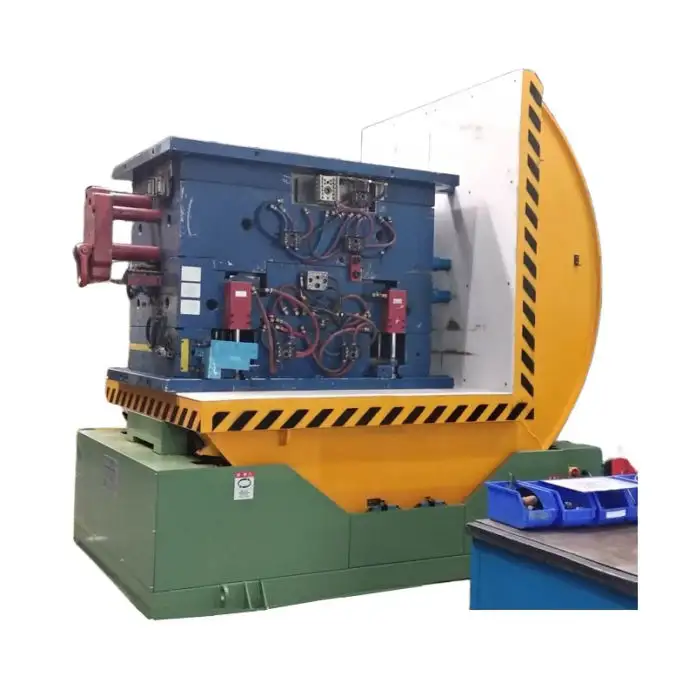
- Pallet Inverters: By safely rotating entire pallet loads, inverters minimize manual handling for inspection or load rearrangement.
- Vacuum Lifters: For smaller coils or sheets, vacuum lifters offer a secure and ergonomic lifting solution, reducing reliance on manual grips and hooks.
Workspace Management: Preventing Incidents Before They Happen
A cluttered workspace is an accident waiting to happen. Essential practices include:
- Clear Pathways: Designate and maintain clear, unobstructed pathways for coil movement, free from tools, debris, and unnecessary equipment.
- Adequate Lighting: Ensure sufficient lighting in handling and storage areas to improve visibility and reduce the chance of trips and falls.
- Floor Integrity: Regularly inspect and maintain floors to eliminate uneven surfaces, cracks, or holes that could cause equipment instability or tripping hazards.
By systematically addressing these critical areas – technique, equipment, and workspace – companies can move beyond reactive safety measures and create a proactive safety culture. Understanding the interplay of these elements is key to achieving sustainable safety improvements. Let's consider a scenario: a steel manufacturing plant noticed a high rate of back injuries among its workers. After implementing ergonomic training, investing in coil upenders, and reorganizing the workspace to improve flow and reduce clutter, the injury rate dropped by 60% within one year. This shows the profound impact of a holistic safety approach.
To further illustrate the importance of these measures, consider the following data:
| Area | Before Intervention | After Intervention |
|---|---|---|
| Injury Rate | 15 incidents per 100 workers | 6 incidents per 100 workers |
| Downtime | 20 hours per week due to accidents | 5 hours per week due to accidents |
| Morale | Low, due to safety concerns | High, due to improved safety |
| Productivity | Reduced due to frequent interruptions and safety pauses | Increased due to smoother workflow and fewer incidents |
This data clearly demonstrates the tangible benefits of investing in safety. By prioritizing ergonomics, equipment, and workspace management, businesses can create a safer, more productive, and more engaged workforce. It is not just about compliance; it is about creating a culture of safety that benefits everyone involved.
Safety Through Proper Equipment Use
Are manual methods slowing down your steel coil packaging and compromising safety? Imagine transforming risky, labor-intensive tasks into streamlined, safe daily routines. Specialized equipment isn’t just a luxury; it’s the key to unlocking a new level of safety and efficiency in your operations.
Specialized equipment revolutionizes steel coil handling by automating complex tasks and mitigating risks. Coil upenders, stretch wrappers, and pallet inverters are essential tools that distribute coil weight evenly, reducing physical strain on workers and minimizing accident risks. Integrating an automatic coil packing line optimizes packaging consistency and accuracy, preventing load shifting during transport and enhancing overall operational safety.

Optimizing Operations with Specialized Equipment
Choosing the right equipment is not just about immediate gains; it’s a strategic investment in long-term safety and efficiency. To make informed decisions, consider these factors when evaluating equipment:
- Operational Needs: Assess the specific needs of your operation, including the types of coils you handle, the volume of production, and the space available.
- Material Characteristics: Consider the characteristics of the steel coils, such as their weight, dimensions, and surface finish.
- Logistical Environment: Evaluate the logistical environment, including the transportation methods used and the storage conditions.
Let's look at a company that reduced handling costs by 40% by using automated coil handling systems. They reduced accidents by 50%.
To make informed decisions, let's look closely at the effectiveness of key equipment.
| Equipment | Risk Reduction | Efficiency Increase | Cost Savings | Key Benefits | Considerations |
|---|---|---|---|---|---|
| Coil Upender | High | High | Medium | Eliminates manual coil flipping, reduces strain, prevents drop accidents | Space requirements, weight capacity, coil size range |
| Stretch Wrapper | Medium | High | Medium | Secures coils uniformly, protects from environment, minimizes transit damage | Material cost (stretch film), wrapper cycle time, coil dimension limits |
| Pallet Inverter | Medium | Medium | High | Safe load rotation, simplifies inspection and rework, reduces manual handling | Footprint, pallet compatibility, weight limits |
| Coil Tilter | High | Medium | Medium | Safely tilts coils for processing or packaging, improves ergonomics | Tilting angle range, coil stability during tilting, integration with lines |
| Automatic Coil Packing Line | High | Very High | High | Integrated system, minimizes manual intervention, maximizes consistency and speed, comprehensive safety features | Initial investment, system complexity, maintenance requirements |
Investing in quality equipment is a strategic move towards comprehensive safety assurance. The choice should be driven by a clear understanding of operational needs, material characteristics, and logistical environment. By carefully selecting and integrating the right equipment, businesses can significantly lessen risks, improve efficiency, and realize substantial cost savings in the long run.
Step-by-Step Guide to Securely Packing Steel Coils
Are transit damages to your steel coils cutting into your profits? Damaged coils are more than just a loss; they represent wasted resources and inefficiencies. What if you could implement a straightforward, proven process to virtually eliminate transit damage and ensure your coils arrive in perfect condition, every time?
Securely packing steel coils involves a meticulous step-by-step process that goes beyond simple strapping and wrapping. Key techniques include pre-shipment staging, precise load balancing, and high-tension wrapping to ensure coil stability. By focusing on cleanliness, rust prevention, and employing robust strapping and protective wrapping, manufacturers can significantly minimize transit losses and operational inefficiencies.

Mastering the Art of Steel Coil Packaging
Steel coil packaging is a critical process in the manufacturing and logistics industry. These coils are often heavy and bulky, which makes handling and packaging them a potentially hazardous task if the right precautions are not taken. Ensuring the safety of workers and protecting the product itself from damage are top priorities.
- Conduct Comprehensive Risk Assessments: The first and perhaps most important step in improving safety is to conduct a comprehensive risk assessment. This involves identifying potential hazards throughout the entire packaging process. From handling and moving steel coils to wrapping, strapping, and transporting, every stage should be evaluated for risks. These assessments help businesses understand where accidents are most likely to occur and what can be done to prevent them.
- Implement Proper Training Programs for Workers: Having the right machinery is important, but ensuring that your workers know how to use it safely is just as critical. Proper training programs are essential for minimizing the risks associated with steel coil packaging. Employees should be trained in both general safety practices and specific equipment usage to prevent accidents.
- Utilize Automated Packaging Systems: One of the most effective ways to enhance safety in the steel coil packaging process is by adopting automated coil packaging systems. Automation not only increases efficiency and consistency but also drastically reduces the need for workers to be physically involved with the coils, thus minimizing the risk of injury.
- Implement Proper Storage and Transportation Practices: Safety in steel coil packaging doesn't end when the coil is wrapped and strapped. Proper storage and transportation are equally important to ensure safety throughout the entire supply chain. In fact, many accidents occur during the movement or storage of steel coils, especially when they are improperly secured or handled.
- Emphasize the Importance of Personal Protective Equipment (PPE): While automation and training can significantly reduce the risks associated with steel coil packaging, there will always be some level of physical interaction between workers and the product. Ensuring that workers have and consistently use Personal Protective Equipment (PPE) is essential for reducing injury risks.
| Step | Description | Benefits |
|---|---|---|
| 1. Risk Assessments | Identifying potential hazards throughout the entire packaging process, from handling and moving to wrapping and transporting. | Helps understand where accidents are likely to occur and develop targeted strategies to prevent them. |
| 2. Training Programs | Ensuring workers know how to use machinery safely, including general safety practices and specific equipment usage. | Minimizes risks, prevents accidents, and ensures proper lifting techniques and ergonomic practices. |
| 3. Automated Systems | Adopting automated coil packaging systems to increase efficiency, consistency, and reduce physical involvement of workers. | Reduces the risk of musculoskeletal injuries, ensures consistent and secure packaging, and enhances machine safety features. |
| 4. Storage & Transportation | Proper storage and transportation practices to ensure safety throughout the supply chain. | Prevents common safety hazards, secures coils during transportation, and ensures equipment is in good working condition. |
| 5. Personal Protective Equipment (PPE) | Ensuring workers have and consistently use PPE, including hard hats, safety gloves, steel-toed boots, and protective eyewear. | Reduces injury risks, safeguards workers from potential injuries related to coil handling, machinery, or environmental factors. |
By following these steps, businesses can minimize the risk of accidents, improve productivity, and reduce costs associated with workplace injuries or damaged goods.
Ensuring Safe Storage and Transportation Practices
What if you could significantly reduce the risks associated with storing and transporting these massive coils? Imagine a seamlessly integrated system that prioritizes safety at every stage, minimizing potential hazards and ensuring the secure movement of your valuable materials.

Safety in steel coil packaging doesn't end when the coil is wrapped and strapped. Proper storage and transportation are equally important to ensure safety throughout the entire supply chain. In fact, many accidents occur during the movement or storage of steel coils, especially when they are improperly secured or handled.
Implementing a well-defined and consistently executed storage and transportation plan can greatly diminish accidents and losses related to high-tension handling of packed steel coils. Proper storage racks, securement techniques, and routine inspections are vital in this regard. By focusing on these areas, businesses can prevent many common safety hazards associated with the movement of heavy steel coils. Here's how:
- Use Appropriate Storage Racks: Steel coils are often stored in racks to prevent them from rolling or shifting, which can cause accidents. Ensure that the storage racks used are designed to handle the weight and size of the coils. Additionally, coils should be properly secured in these racks to prevent movement during storage.
- Secure Coils During Transportation: When moving steel coils, whether within a facility or for long-distance transport, it is essential to ensure that they are securely fastened to prevent shifting. Securing coils with straps and making use of specialized coil transport systems can help avoid dangerous accidents during transit.
- Routine Inspections: Regularly inspect storage racks, forklifts, and any other equipment used in transporting or storing coils to ensure they are in good working condition. Routine maintenance of storage equipment can help prevent unexpected failures that lead to accidents.
Conclusion
In the steel coil industry, safe practices is not something that can be taken lightly. The heavy weight and large size of steel coils make handling and packaging them a potentially dangerous task if the proper precautions are not in place. By implementing the key steps discussed, businesses can significantly reduce the risk of accidents and create a safer working environment for their employees.