How to Choose the Right Mold Flipper?
Are you tired of wrestling with heavy molds, risking injury and slowing down production? Inefficient mold handling can be a major bottleneck in manufacturing. But imagine effortlessly rotating and positioning molds with precision and ease.
Choosing the right mold flipper is crucial for optimizing your mold handling process. This guide will walk you through the key considerations, helping you select the perfect mold flipping solution to enhance efficiency, safety, and productivity in your operations.
Ready to revolutionize your workflow? Let's dive in and explore how to choose the ideal mold flipper for your needs.
How Mold Flipping Machines Enhance Production Efficiency
Manual mold handling is a recipe for disaster: slow, dangerous, and prone to errors. Imagine the frustration of wasted time and potential damage to valuable molds. But what if you could automate this cumbersome process, boosting efficiency and ensuring consistent quality?
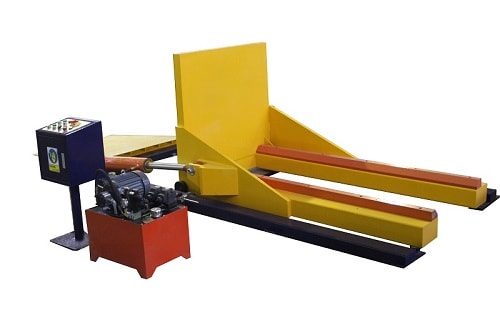
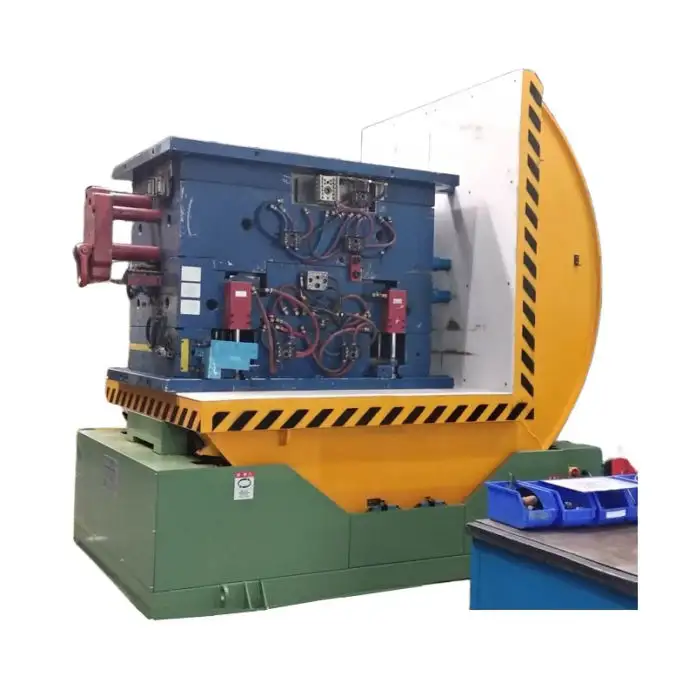
Mold flipping machines significantly enhance production efficiency by automating the rotation and positioning of molds. They replace time-consuming manual operations, leading to faster cycle times, reduced labor costs, and improved safety. These machines ensure precise mold handling, which is critical for maintaining product quality and reducing material waste in various manufacturing processes. Integrating a mold flipping machine can streamline your workflow, improve precision, and contribute to a safer and more productive work environment.
%[keywords]
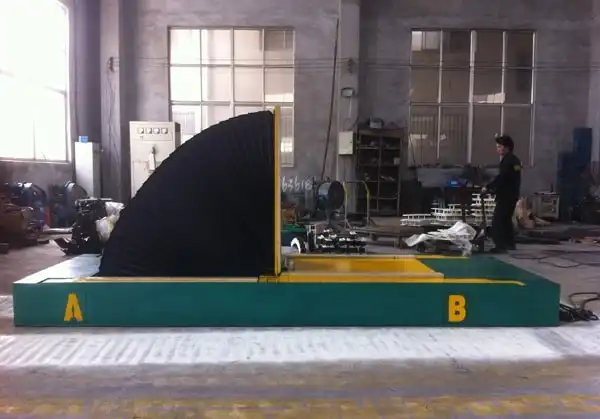
Diving Deeper: Mold Flipping Machine vs. Mold Upender – Understanding the Nuances
Choosing between a mold flipping machine and a mold upender can be confusing. Both are designed to handle molds, but they offer different levels of automation, precision, and functionality. Understanding these distinctions is key to making the right investment for your specific needs.
To make an informed decision, let's break down the critical differences:
Automation and Precision
Mold flipping machines are designed for high automation, seamlessly integrating with complex systems like Programmable Logic Controllers (PLCs) and IoT for data tracking and remote operation. This high level of automation translates to exceptional precision in mold handling, ensuring consistent and accurate positioning every time. This is crucial for industries requiring tight tolerances and repeatable processes.
Mold upenders, while offering a significant improvement over manual handling, typically provide a medium level of automation. They often require more manual intervention and may not integrate as seamlessly with advanced control systems. Their precision is generally good but may not match the exacting standards of fully automated mold flipping machines.
Integration and Maintenance
Mold flipping machines often come with advanced integration capabilities, allowing for seamless incorporation into existing automated production lines. They can be equipped with sensors and feedback systems that communicate with other machinery, optimizing the entire workflow. However, this advanced technology can also mean moderate maintenance requirements, potentially needing specialized technicians for servicing.
Mold upenders usually have simpler designs, leading to limited integration capabilities. They are more stand-alone solutions, primarily focused on the flipping function itself. On the plus side, their simpler mechanics often translate to lower maintenance requirements, making them easier and potentially cheaper to maintain in the long run.
Cost and Long-Term Efficiency
The initial investment for mold flipping machines is typically higher due to their advanced automation and precision features. However, the long-term cost efficiency can be significant. Increased productivity, reduced labor costs, and minimized material waste contribute to a strong return on investment, especially in high-volume production environments.
Mold upenders offer a more moderate initial investment, making them attractive for businesses with budget constraints or those seeking incremental improvements. While their long-term savings might be less dramatic than mold flipping machines, they still provide a good balance of cost and efficiency for many applications.
To visualize these differences, consider the following comparison table:
| Feature | Mold Flipping Machine | Mold Upender |
|---|---|---|
| Automation Level | High | Medium |
| Precision in Mold Handling | Excellent | Good |
| Integration with Systems | Seamless (PLC, IoT) | Limited |
| Maintenance Requirements | Moderate | Low |
| Initial Investment | Higher | Lower |
| Long-term Cost Efficiency | High | Moderate |
| Suitable for | Large-scale, high-precision | Small to medium operations |
By carefully considering these factors and evaluating your specific production needs, you can determine whether a mold flipping machine or a mold upender is the right choice to enhance your efficiency and achieve your manufacturing goals.
How to Choose Between a Mold Upender and a Mold Flipping Machine?
Faced with the choice between a mold upender and a mold flipping machine? It can feel like navigating a maze of options. Without clear guidance, you risk choosing the wrong equipment, leading to wasted investment and continued inefficiencies.
Choosing between a mold upender and a mold flipping machine depends on your specific production needs and goals. Consider factors such as automation level, precision requirements, integration needs, and budget constraints. Evaluating these elements will guide you to the best equipment to optimize your mold handling process and ensure a smooth and efficient manufacturing operation.
%[keywords]
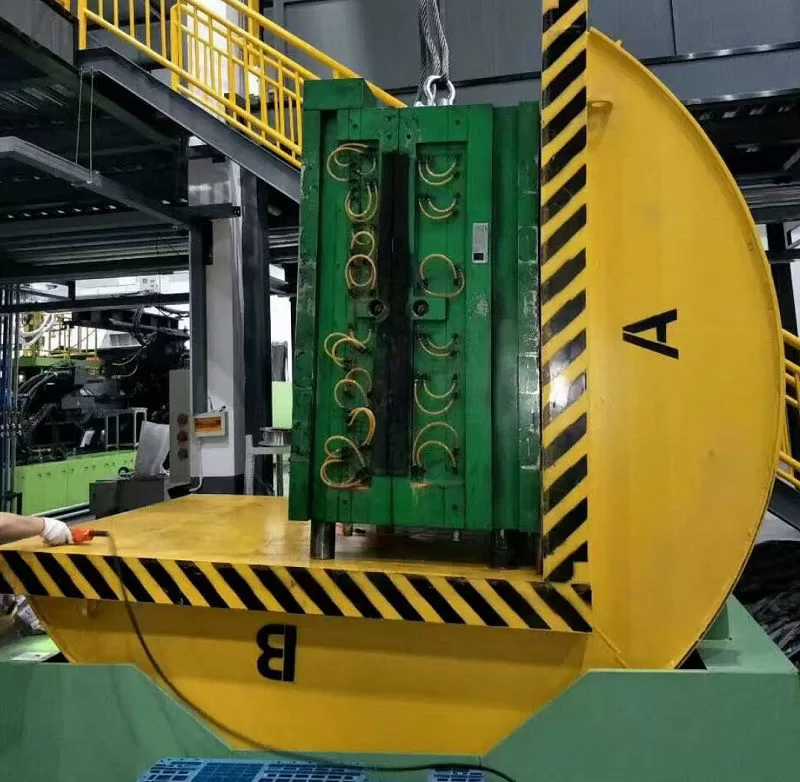
Deeper Dive: Evaluating Your Specific Mold Handling Requirements
To effectively choose between a mold upender and a mold flipping machine, a thorough evaluation of your current and future mold handling needs is essential. This involves analyzing several key aspects of your operation to ensure the chosen equipment aligns perfectly with your manufacturing environment and objectives.
Assessing Automation Needs
Begin by honestly assessing the level of automation required for your mold handling process. If you operate a large-scale, high-precision manufacturing facility where seamless integration with existing automated systems is crucial, a mold flipping machine is likely the superior choice. Its advanced automation capabilities, including PLC and IoT integration, are designed for such environments, offering streamlined control and data-driven insights.
On the other hand, if your operation is smaller in scale, or if you are looking to gradually upgrade from manual handling without a complete system overhaul, a mold upender might be more suitable. Mold upenders offer a significant step up from manual labor with a moderate level of automation, effectively enhancing efficiency without requiring complex system integrations.
Determining Precision Requirements
Next, consider the precision demands of your mold handling. For industries where exact mold positioning is paramount – such as automotive or aerospace manufacturing – mold flipping machines are indispensable. Their excellent precision capabilities ensure consistent product quality and minimize material waste by accurately positioning molds for each stage of the production process.
If your applications are more forgiving and slight variations in mold positioning are acceptable, a mold upender can provide adequate precision. While not as pinpoint accurate as a mold flipping machine, it still offers a significant improvement in handling accuracy compared to manual methods, suitable for standard industrial applications.
Evaluating Integration Capabilities
Think about how the mold handling equipment needs to integrate with your current manufacturing systems. If you require seamless data exchange and operational synchronization with PLCs, IoT platforms, and other automated machinery, mold flipping machines are designed for advanced integration. They can become a cohesive part of a smart factory ecosystem, contributing to overall operational efficiency and data collection.
Mold upenders typically have more basic integration capabilities. They are often designed to function as standalone units, providing essential flipping functionality without the need for complex system-wide integration. If your focus is on improving the mold flipping process itself, rather than deep integration with a larger automated system, mold upenders can be a practical choice.
Analyzing Cost Efficiency and Budget
Finally, carefully analyze the cost implications and your available budget. Mold flipping machines represent a larger upfront investment, but their long-term cost efficiency through increased productivity, reduced labor, and material savings can be substantial. Consider the total cost of ownership over the equipment's lifespan, including maintenance, operational costs, and potential return on investment.
Mold upenders are generally more budget-friendly in terms of initial investment. They offer a cost-effective solution for businesses looking to enhance mold handling without a massive capital expenditure. For operations with tighter budgets or those prioritizing immediate cost savings, mold upenders can be a financially sensible option while still delivering significant improvements over manual handling.
By systematically evaluating these factors – automation needs, precision requirements, integration capabilities, and cost efficiency – you can make a well-informed decision between a mold upender and a mold flipping machine. This careful assessment will ensure that you select the equipment that best aligns with your operational requirements, budget, and long-term manufacturing goals.
Feature Comparison: Mold Flipping Machine vs. Mold Upender
Understanding the features of mold flipping machines and mold upenders is crucial for making the right choice. Without a clear comparison, it’s easy to get lost in technical details and miss the key differences that truly matter for your operations.
Mold flipping machines and mold upenders differ significantly in automation level, precision, integration capabilities, maintenance needs, and cost efficiency. Understanding these feature distinctions will enable you to select the equipment that best matches your specific requirements and optimizes your mold handling process for maximum productivity and safety.
%[keywords]
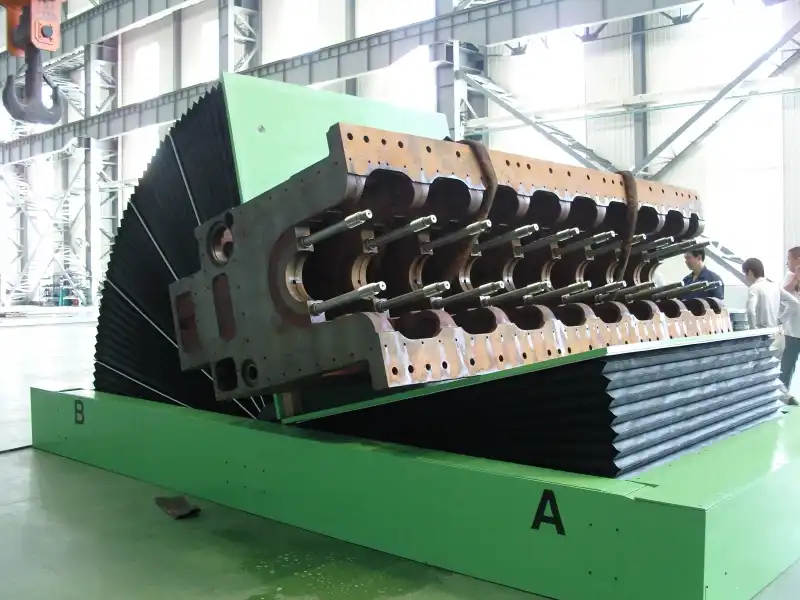
Technical Breakdown: Key Feature Differences
To gain a deeper understanding of mold flipping machines and mold upenders, let's delve into a technical feature comparison. This breakdown will highlight the specific capabilities and limitations of each type of equipment, providing a clearer picture for informed decision-making.
Automation Level: The Core Distinction
Mold Flipping Machines: Characterized by high automation, these machines are often equipped with advanced control systems, including PLCs and IoT connectivity. This allows for programmed, automated flipping cycles, remote operation, and data logging for performance analysis. Automation features often include sensors for precise positioning, safety interlocks, and seamless integration with robotic systems.
Mold Upenders: Offer medium automation, typically involving electro-mechanical operation for tilting or upending. While they automate the heavy lifting and rotation, they may require more manual input for loading, unloading, and initiating the flipping sequence. Control systems are generally simpler, focusing on reliable and safe tilting rather than complex automated cycles.
Precision in Handling: Accuracy and Consistency
Mold Flipping Machines: Deliver excellent precision. Their sophisticated control systems and robust mechanics ensure highly accurate and repeatable mold positioning. This precision is crucial for maintaining product quality, especially in processes requiring precise mold alignment for each cycle. Features like servo motors and encoders contribute to pinpoint accuracy.
Mold Upenders: Provide good precision, suitable for general mold handling tasks. While less precise than fully automated flipping machines, they still offer significantly improved accuracy compared to manual handling or crane-based methods. Precision is generally sufficient for applications where minor variations in mold position are acceptable.
Integration Capabilities: System Connectivity
Mold Flipping Machines: Feature advanced integration capabilities. Designed to integrate seamlessly with modern manufacturing environments, they support communication protocols for PLC and IoT systems. This enables centralized control, data monitoring, and coordinated operation within automated production lines. Integration can extend to robotic loading/unloading systems and automated guided vehicles (AGVs).
Mold Upenders: Offer basic integration capabilities. Typically designed as standalone units, their integration is often limited to basic electrical interlocks for safety. They may not readily interface with complex control systems or provide data feedback for process monitoring. Integration is primarily focused on safe and functional operation within a broader workflow, rather than deep system-level connectivity.
Feature Comparison Table
| Feature | Mold Flipping Machine | Mold Upender |
|---|---|---|
| Automation Level | High: PLC, IoT, Automated Cycles | Medium: Electro-mechanical, Some Manual Input |
| Precision in Mold Handling | Excellent: Servo Controls, High Repeatability | Good: Reliable Tilting, Acceptable for Many Applications |
| Integration with Systems | Advanced: Seamless PLC/IoT, Robotic Integration | Basic: Standalone Operation, Limited System Connectivity |
| Maintenance Requirements | Moderate: Specialized Components, Skilled Technicians | Low: Simpler Mechanics, Easier Maintenance |
| Cost Efficiency | High Long-Term: Productivity, Reduced Labor | Moderate: Cost-Effective Initial Investment |
By examining these key feature differences through a technical lens, you can better understand the strengths and limitations of mold flipping machines and mold upenders. This detailed comparison empowers you to make a technically sound decision based on your specific operational needs and technical infrastructure.
Real-World Benefits of Mold Flippers
Thinking about investing in a mold flipper? It's natural to wonder about the tangible benefits beyond just "flipping molds." How does this equipment truly impact your bottom line and daily operations?
Mold flippers offer significant real-world benefits, including enhanced safety, increased productivity, reduced downtime, and improved product quality. By automating and streamlining the mold handling process, mold flippers address key operational challenges and contribute to a more efficient, safe, and profitable manufacturing environment.
%[keywords]
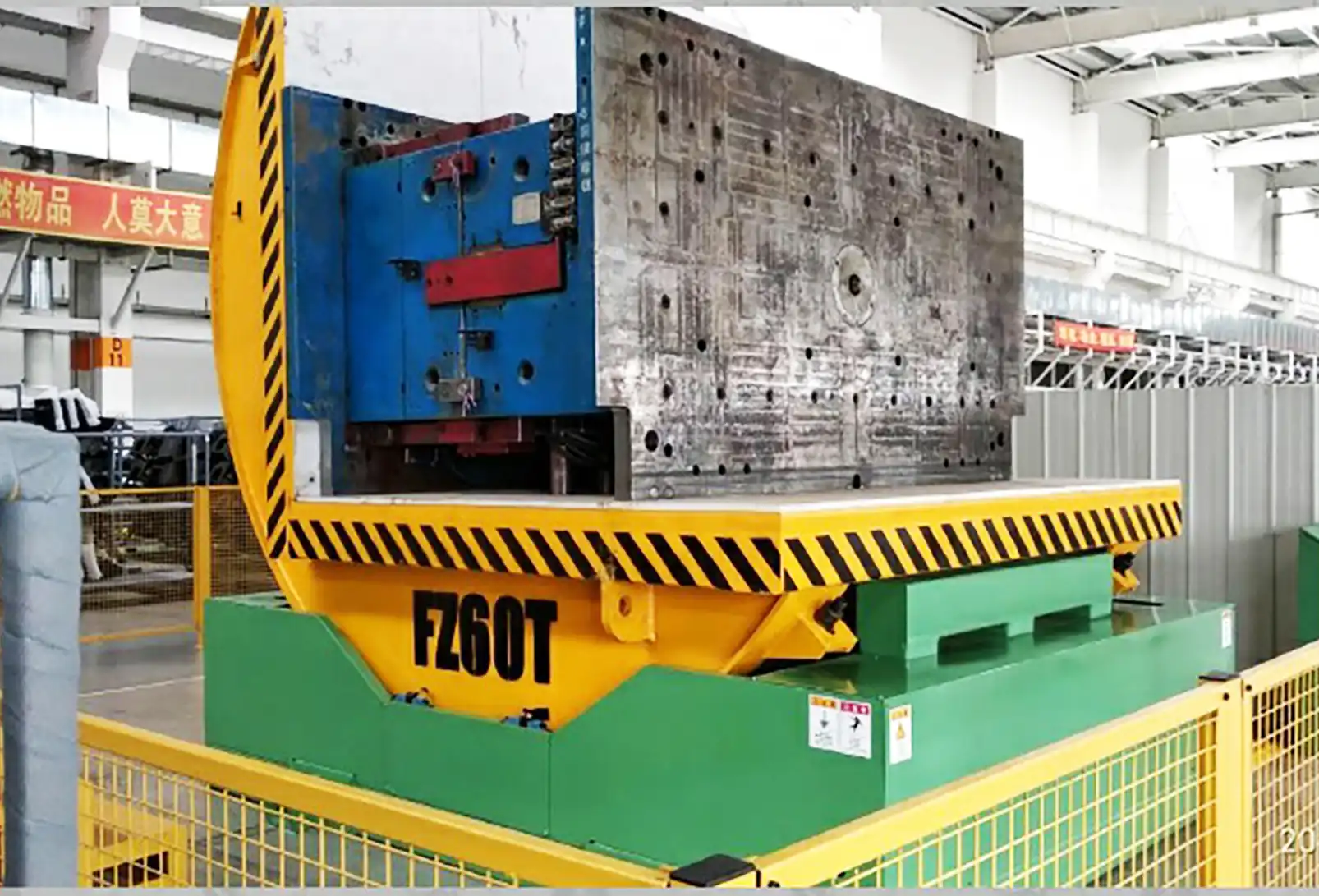
Enhanced Safety: Mold flippers drastically reduce the risks associated with manual mold handling or using overhead cranes. They provide a controlled and stable method for rotating heavy molds, minimizing the potential for worker injuries and damage to valuable tooling. This leads to a safer work environment and reduced liability.
Increased Productivity: Automation of mold flipping significantly speeds up the production cycle. Mold flippers can rotate molds much faster and more consistently than manual methods, reducing handling time and allowing for quicker changeovers. This increased throughput translates directly to higher productivity and output.
Reduced Downtime: The precision and reliability of mold flippers minimize errors and delays in mold handling. Consistent and accurate positioning reduces the chances of misaligned molds or process disruptions, leading to less downtime and more continuous production.
Improved Product Quality: Precise mold handling ensures consistent and accurate mold alignment, which is critical for maintaining product quality. Mold flippers minimize the risk of mold damage during handling, contributing to the production of higher quality parts with fewer defects and less material waste.
Cost Savings: While there is an initial investment, the long-term cost savings from mold flippers are substantial. Reduced labor costs, increased productivity, minimized downtime, and lower accident rates all contribute to a significant return on investment and improved profitability over time.
Conclusion
Choosing the right mold flipper is a strategic decision that can significantly impact your manufacturing operations. By carefully evaluating your specific needs, understanding the features of different types of equipment, and considering the real-world benefits, you can select a mold flipper that optimizes your workflow, enhances safety, and boosts your bottom line. Investing in the right machinery not only streamlines your processes but also empowers your team to work more efficiently and effectively.