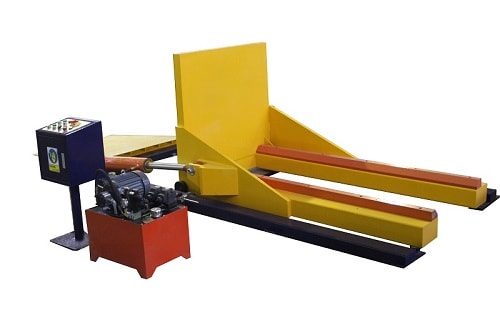
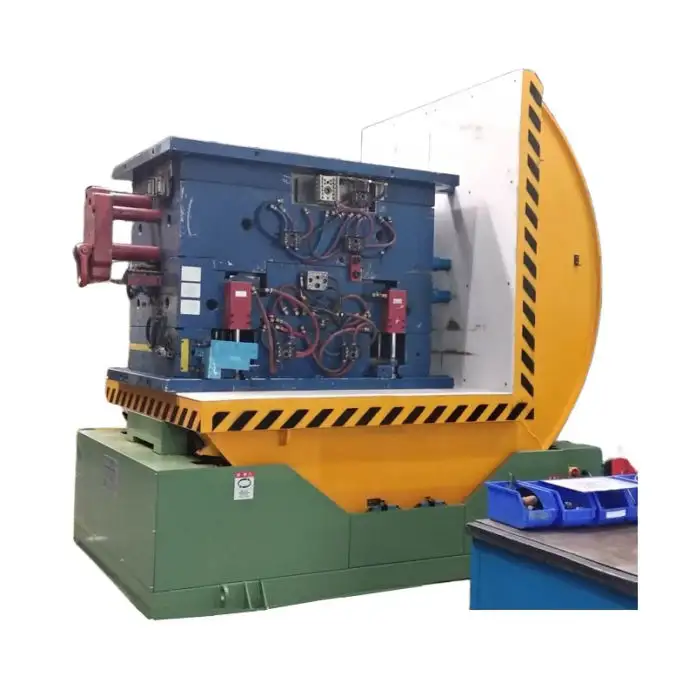
To effectively train your team on mold upender safety protocols, focus on operational procedures, crucial safety features like emergency stops and guarding systems, routine inspection and maintenance, and consistent refresher training. Hands-on sessions, clear documentation, and emphasizing OSHA standards will build a safe and competent workforce.
Mold upenders are indispensable pieces of equipment in industries ranging from manufacturing to material handling and beyond. These robust machines, designed to safely rotate and reposition heavy molds, dies, coils, and other awkwardly shaped objects, enhance efficiency and reduce the physical strain on workers. However, the very power and mechanics that make mold upenders so valuable also present significant safety challenges. Without rigorous and comprehensive safety training, the operation of these machines can lead to serious workplace accidents, equipment damage, and costly downtime.
Implementing a robust safety training program is not just a regulatory requirement; it is a fundamental investment in your team's well-being and your company's operational integrity. This article, based on industry best practices, OSHA standards, and expert guidelines, serves as a comprehensive guide to developing and executing an effective mold upender safety training program. Following these protocols will equip your team with the knowledge and skills necessary to operate mold upenders safely and efficiently, fostering a culture of safety and enhancing productivity.
Understanding the Risks: Why Safety Training is Paramount
Operating a mold upender is not a task to be taken lightly. The immense weight and mechanical forces involved create inherent risks that must be meticulously addressed through training. Potential hazards associated with mold upender operation include:
- Crushing Injuries: The most significant risk is the potential for crushing injuries if personnel are caught between the moving parts of the upender and the mold or surrounding structures. Lack of awareness, inadequate guarding, or improper positioning during loading and unloading can lead to devastating accidents.
- Tipping and Instability: Improper loading or exceeding the weight capacity of the upender can cause instability and tipping, resulting in damage to the mold, the machine, and potential injuries to workers.
- Equipment Malfunction: Hydraulic or electrical failures can lead to sudden and unexpected movements of the upender, creating hazardous situations if operators are not trained to react appropriately.
- Ergonomic Strain: While upenders are designed to reduce manual handling, improper operation or lack of training can still lead to ergonomic strain for operators, especially during setup and material handling around the machine.
- Lack of Awareness: Without proper training, operators may not fully understand the machine's capabilities, limitations, and safety features, leading to misuse or unsafe practices.
Addressing these risks proactively through comprehensive training is crucial for preventing accidents and ensuring a safe working environment.Core Components of Effective Mold Upender Safety Training
A successful mold upender safety training program should encompass several key elements, moving beyond basic operation to instill a deep understanding of safety protocols and risk mitigation.
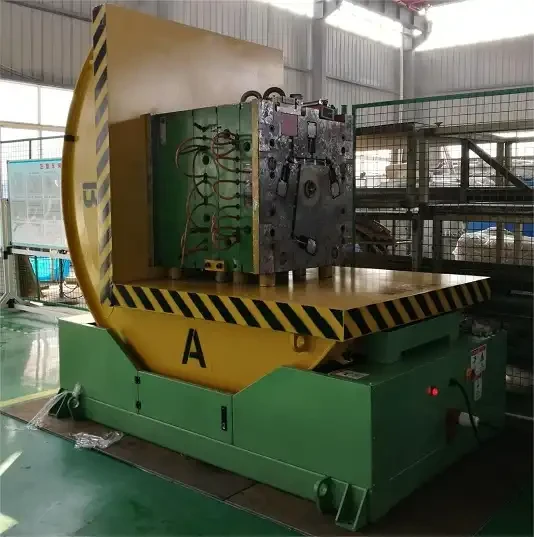
1. Operational Procedures: Step-by-Step Mastery
The cornerstone of any safety training program is a thorough grounding in the correct operational procedures. This includes:
- Pre-Operational Checks: Trainees must be instructed on how to conduct daily pre-shift inspections, verifying that all safety devices, controls, and machine components are functioning correctly. This includes checking emergency stops, guarding systems, hydraulic lines, and control panels.
- Safe Loading and Unloading Techniques: Training should emphasize the correct methods for loading and unloading molds, ensuring proper alignment, weight distribution, and securement. This includes visual demonstrations and hands-on practice sessions.
- Control Panel Operation: Operators need to be proficient in using the control panel, understanding the function of each button, lever, and indicator. Practical exercises should simulate various operational scenarios, including normal operation and emergency situations.
- Understanding Load Limits and Capacities: Training must clearly define the machine's weight capacity and limitations. Operators should be able to accurately assess the weight of molds and ensure they are within the safe operating range.
- Communication Protocols: Clear communication is vital during mold upender operations, especially when working in teams. Training should establish standardized hand signals and communication procedures to ensure coordinated and safe movements.
2. Safety Features: Your First Line of Defense
Mold upenders are equipped with vital safety features designed to protect operators and prevent accidents. Training must highlight these features and how they function:
- Emergency Stop Mechanisms: Emergency stop buttons, pull cords, and safety mats are essential for immediate machine shutdown in critical situations. Training should emphasize the location and proper use of these devices, ensuring operators can swiftly halt operations to prevent accidents. Regular drills simulating emergency scenarios reinforce their importance.
- Guarding Systems: Guarding systems, including physical barriers, interlocks, and safety sensors, are crucial for preventing access to danger zones. These systems stop upender movement when safety zones are breached, protecting operators from inadvertent contact with moving parts. Trainees should understand the purpose of each guarding component and the importance of never bypassing or tampering with these systems.
- Load Sensors and Overload Protection: Many modern upenders incorporate load sensors that prevent operation if the weight limit is exceeded. Training should cover how these sensors work and the alarms or indicators they trigger, ensuring operators understand the consequences of overloading.
- Safety Interlocks: Interlocks prevent the machine from operating under unsafe conditions, such as when guards are open or safety pins are not correctly engaged. Training should demonstrate how interlocks function and the importance of ensuring they are properly engaged before operation.
- Warning Systems (Audible and Visual): Upenders often have audible alarms and visual signals that activate during operation or in warning conditions. Training should familiarize operators with these signals and their meanings, enabling them to react appropriately.
| Safety Feature | Description | Benefit |
|---|---|---|
| Emergency Stop Buttons | Strategically placed buttons for immediate machine shutdown. | Quick response to hazards, minimizing potential damage and injuries. |
| Guarding Systems | Physical barriers, interlocks, and sensors preventing access to dangerous areas. | Prevents accidental contact with moving parts, ensuring operator safety. |
| Load Sensors | Detect weight imbalances and overloads. | Prevents tipping and machine damage from exceeding weight capacity. |
| Safety Interlocks | Prevent operation under unsafe conditions (guards open, etc.). | Ensures safe operation by disabling the machine in hazardous configurations. |
| Warning Systems | Audible and visual signals indicating operational status and warnings. | Provides clear alerts to operators, enhancing situational awareness and safety. |
3. Routine Inspection and Maintenance: Proactive Safety
Safety training shouldn't end with operational procedures and safety features. Operators should also be trained on basic inspection and maintenance tasks to proactively identify potential issues:
- Daily Inspection Checklists: Provide operators with detailed checklists for daily inspections, covering mechanical components, hydraulic systems, electrical connections, and safety devices. Training should emphasize the importance of thoroughness and accurate recording of inspection findings.
- Lubrication and Basic Maintenance: Operators can be trained on basic lubrication procedures and minor maintenance tasks, such as tightening bolts or replacing minor wear parts. This proactive approach can help prevent breakdowns and extend the lifespan of the equipment.
- Identifying Wear and Tear: Training should include visual indicators of wear and tear on critical components such as chains, bearings, and hydraulic hoses. Operators should be able to recognize when components need replacement or professional servicing.
- Reporting Procedures: Establish a clear protocol for reporting any identified issues or maintenance needs. Operators should know who to report to and the urgency of different types of problems.
4. OSHA Standards and Regulatory Compliance
Compliance with OSHA standards is not optional—it's a legal and ethical imperative. Training must integrate relevant OSHA regulations and guidelines:
- General Duty Clause: Operators should understand the employer's general duty to provide a workplace free from recognized hazards, which includes ensuring safe operation of mold upenders.
- Machine Guarding Standards (29 CFR 1910.212): Training should emphasize OSHA's requirements for machine guarding and how the upender's guarding systems comply with these standards.
- Control of Hazardous Energy (Lockout/Tagout) (29 CFR 1910.147): While not always directly applicable to routine operation, lockout/tagout procedures are vital for maintenance and repair. Operators involved in basic maintenance should be trained on LOTO procedures to safely de-energize the machine during servicing.
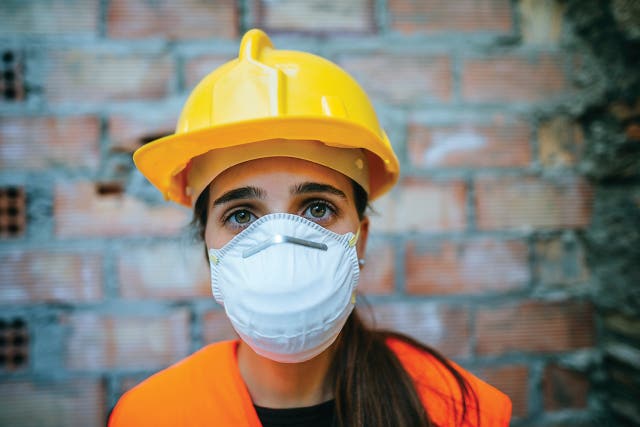
- Personal Protective Equipment (PPE) (29 CFR 1910.132): Training must cover the required PPE for mold upender operation, including safety glasses, gloves, and safety shoes. In specific scenarios involving dust or debris – although less typical for mold upender operation itself but potentially relevant in the wider work environment – respirators and coveralls might be required. The training should align with site-specific PPE requirements and hazard assessments.
- Hazard Communication (HAZCOM) (29 CFR 1910.1200): While mold upenders themselves are not chemicals, the surrounding environment or materials handled might involve hazardous substances. Training should integrate HAZCOM principles and ensure operators understand how to access and interpret Safety Data Sheets (SDS) if relevant to their work context.
5. Team Protocols and Communication
Safe mold upender operation often involves teamwork. Training should establish clear team protocols:
- Roles and Responsibilities: Define the roles and responsibilities of each team member involved in the upender operation, including the operator, spotters, and material handlers.
- Communication Signals and Procedures: Standardized hand signals, verbal commands, or radio communication protocols should be taught and practiced to ensure clear and unambiguous communication between team members.
- Spotter Training: If spotters are used, they must be trained on their crucial role in observing the operation, identifying potential hazards, and communicating with the operator. Spotters should be positioned for optimal visibility and trained to use emergency stop signals if necessary.
- Teamwork Scenarios: Simulated teamwork scenarios during training, such as loading and unloading molds with a team, can reinforce communication protocols and coordination.
6. The Training Delivery: Engaging and Effective
The effectiveness of safety training hinges on how it's delivered. Employ a variety of methods to cater to different learning styles and maximize retention:
- Classroom Instruction: Use interactive classroom sessions to cover theoretical concepts, safety features, and OSHA standards. Employ visual aids, diagrams, and videos to enhance understanding.
- Hands-on Training: Practical, hands-on sessions are crucial for trainees to become proficient in operating the mold upender and practicing safety procedures. These sessions should include pre-operational checks, loading/unloading simulations, control panel operation, and emergency stop drills.
- Demonstrations: Experienced operators should demonstrate correct operating techniques and safety procedures, providing trainees with a visual model to emulate.
- Simulations and Scenarios: Use realistic simulations and scenarios to test operators' responses to various situations, including equipment malfunctions, emergency stops, and communication breakdowns.
- Written Materials and Documentation: Provide comprehensive training manuals, checklists, and safety procedures in written form for operators to reference. Clear and accessible documentation reinforces training and serves as a valuable on-the-job resource.
- Visual Aids (Posters, Signage): Supplement training with posters and signage in the workplace that visually reinforce key safety messages, emergency procedures, and PPE requirements.
- Regular Refresher Training: Consistent refresher training is vital to reinforce safety protocols, update operators on any changes in procedures or regulations, and maintain a high level of safety awareness. Annual or semi-annual refresher courses, along with periodic safety meetings, ensure that safety remains a top priority.
Building a Culture of Safety
Effective mold upender safety training is more than just ticking boxes; it's about building a culture of safety within your organization. This involves:
- Management Commitment: Demonstrate a clear commitment from management to safety. Provide adequate resources for training, equipment maintenance, and safety improvements.
- Employee Involvement: Encourage employee participation in safety program development and improvement. Value their input and experience in identifying hazards and suggesting solutions.
- Continuous Improvement: Regularly review and update the safety training program based on feedback, incident analysis, and changes in technology or regulations.
- Positive Reinforcement: Recognize and reward safe behaviors and proactive safety contributions. Positive reinforcement fosters a safety-conscious culture more effectively than punitive measures alone.
By implementing a comprehensive and engaging mold upender safety training program that encompasses operational procedures, safety features, routine maintenance, OSHA compliance, and effective team protocols, you can significantly mitigate the risks associated with these powerful machines. Investing in thorough training is an investment in your team's safety, your company's productivity, and a future free from preventable accidents.