Are You Still Breaking Your Back? How Upenders Transformed My 30 Years in Material Handling
Tired of wrestling with heavy, awkward loads and the constant risk of injury and production delays? For three decades, I've been in the trenches of material handling, and I've seen firsthand how the right equipment can revolutionize your operations. Let me tell you about upenders – these ingenious machines have become my go-to solution for safely and efficiently repositioning heavy items like dies, rolls, and coils, saving time, money, and a whole lot of strain.
In my 30 years in this industry, I've seen countless approaches to material handling. From brute force manual labor to clumsy, outdated machinery, the challenges of moving heavy, unwieldy objects have always been a major pain point. Think about it – dies in stamping plants, massive rolls of material in paper or textile mills, or heavy coils in metal processing. These aren't items you can just pick up and flip over. Manually repositioning them is not only incredibly dangerous, leading to back injuries and other musculoskeletal disorders, but it’s also incredibly inefficient, eating into valuable production time.
For years, I witnessed firsthand the struggles and inefficiencies. Workers strained, sometimes requiring multiple people and risky maneuvers, just to change the orientation of a heavy object. We saw damaged goods, dropped materials, and the ever-present threat of workplace accidents. It was clear we needed a better way.
Then I discovered hydraulic upenders, and it was a game-changer.
What if Repositioning Heavy Loads Could Be Safe, Simple, and Fast?
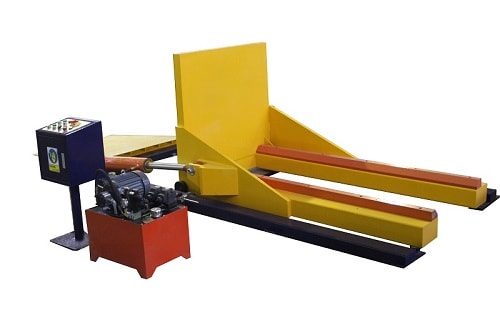
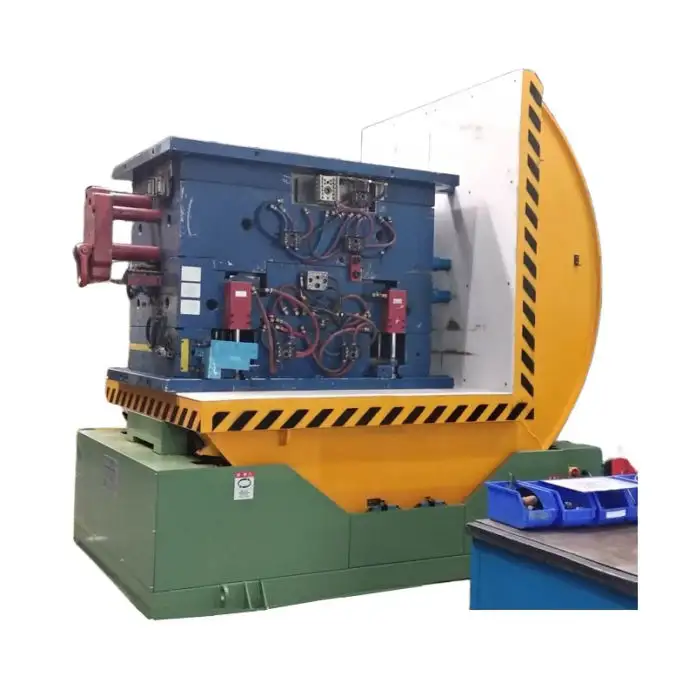
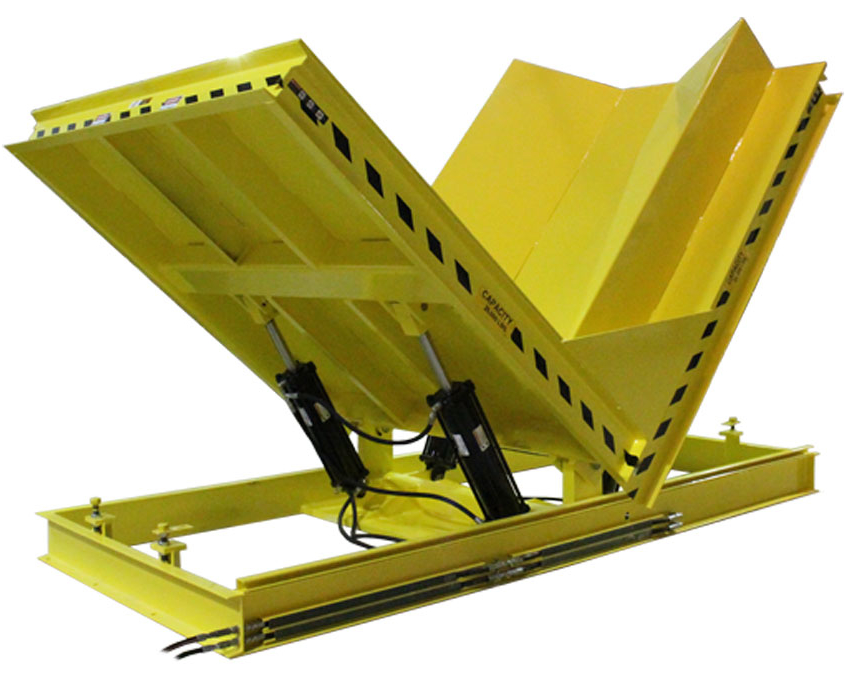
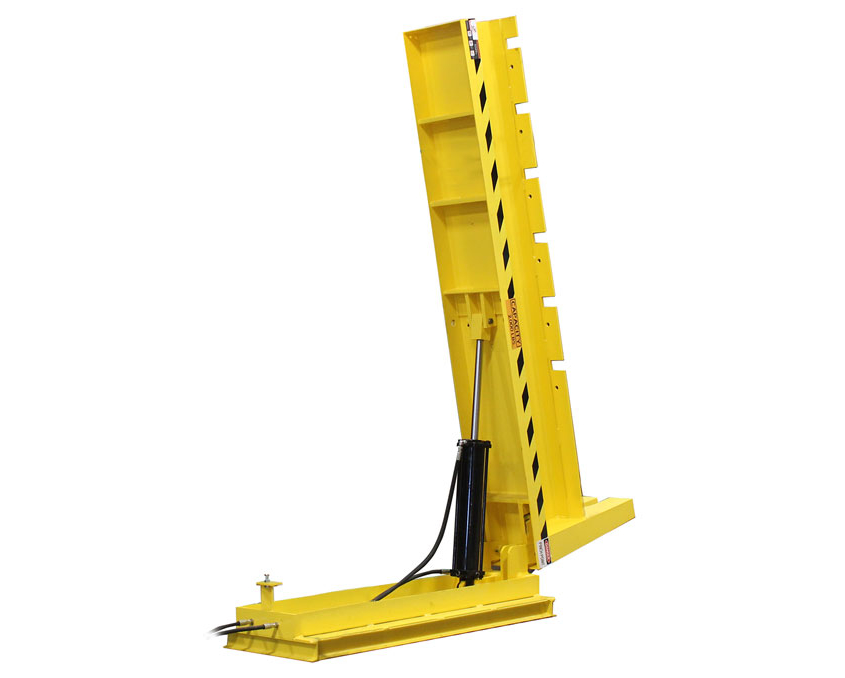
That's the promise of hydraulic upenders, and in my experience, they deliver on it big time. These robust machines are designed to tilt heavy objects up to 95 degrees, making repositioning large, round, or oddly shaped items incredibly straightforward. Imagine effortlessly rotating a heavy die to access a different side, or quickly turning a coil from horizontal to vertical for the next stage of processing. That's the power of an upender.
What really impressed me from the start was the versatility. Upenders aren't just one-trick ponies. You can customize them with different cradles and fixtures to handle a wide array of materials. V-shaped cradles are perfect for rolls and coils, while specialized fixtures can be designed for pallets, crates, and just about any awkward load you can imagine. This adaptability means an upender can become a central piece of equipment in various stages of your production line.
How Do Upenders Actually Work? Features That Make a Difference
Let’s dive into the nuts and bolts of what makes upenders so effective. Having worked with these machines extensively, here are the features I’ve come to appreciate most:
-
Powerful Tilting Action: The heart of the upender is its robust hydraulic system. This system provides smooth, controlled tilting up to 95 degrees, ensuring the safe and precise repositioning of heavy loads. Capacities range from standard models handling up to 8,000 pounds, and can be scaled up for even heavier applications when needed. I’ve personally seen custom upenders handle loads far exceeding these standard capacities, tailored to specific industrial needs.
-
Built for Durability and Minimal Downtime: In a production environment, downtime is the enemy. That's why I value the design of upenders that prioritizes ease of maintenance. Many models are designed with hand-tool removable replacement parts, minimizing downtime for routine maintenance or repairs. This simple yet crucial design feature keeps your operations running smoothly.
-
Customizable Power and Control: Every operation has unique requirements, and upenders can be tailored to fit. You have multiple power unit options to match your speed and voltage needs, starting from efficient ½ HP units. Control options are equally flexible, ranging from simple hand pendants and foot pedals for direct operator control to PLC integration for automated systems. This adaptability ensures seamless integration into existing workflows.
-
Enhanced Safety Features: Safety is paramount when dealing with heavy machinery. Upenders come with a range of safety features to protect operators and prevent accidents. Limit switches and proximity switches ensure precise positioning and prevent over-travel. Options like Tape Switch® or beveled toe guards add an extra layer of protection around the machine's perimeter. Accordion skirting is another valuable safety feature, guarding against pinch points and keeping the operating area clear of debris.
-
Integration and Customization: Upenders are designed to integrate seamlessly into broader material handling systems. Turntables, gravity conveyors, powered conveyors, and ball transfers can all be incorporated, creating a fluid and efficient material flow. Custom paint and powder-coating options not only enhance durability but also allow you to match the upender to your facility's color scheme or branding. Velocity fuses are another important option, providing added safety in hydraulic circuits.


(Image: Upender Rotator with V-Trough having 25,000 lb. Capacity - https://uni-craftcorp.com/wp-content/uploads/2016/03/Upender-Rotator-with-V-Trough-having-25,000-lb.-Capacity.jpg)**
! https://uni-craftcorp.com/wp-content/uploads/2016/03/Upender-Rotator-with-V-Trough-845x678.jpg



Where Can You Use an Upender? Real-World Applications
Over the years, I've deployed upenders across a diverse range of industries and applications. Their versatility is truly remarkable. Here are just a few examples of where I've seen upenders make a significant impact:
-
Die Handling in Stamping and Forging: In these heavy industries, dies are constantly being changed and repositioned. Upenders provide a safe and efficient way to tilt and rotate these massive tools for maintenance, repair, and installation. This eliminates the need for overhead cranes for simple tilting operations, freeing up valuable crane time and improving workflow.
-
Roll and Coil Handling in Manufacturing: Industries dealing with rolled materials, like paper, textiles, steel, and aluminum, rely heavily on efficient roll handling. Upenders equipped with V-cradles are ideal for rotating rolls for processing, packaging, or storage. The controlled tilting action prevents damage to delicate materials and ensures operator safety.
-
Pallet Inverting and Load Transfer: Upenders can be used to invert pallets, which is crucial in industries like food and beverage or pharmaceuticals where product orientation is critical. They also facilitate easy transfer of loads between pallets of different types or qualities, streamlining warehousing and distribution operations.
-
Ergonomic Work Positioning: Beyond just flipping loads, upenders can be used to position workpieces at an optimal angle for assembly, welding, or machining. By tilting the work to the operator, you eliminate awkward reaching and bending, reducing fatigue and improving ergonomics, which directly translates to increased productivity and fewer injuries.
-
Specialized Manufacturing Operations: The "Pass-Thru Upender," a unique variation I've worked with, provides complete 360-degree rotation. This is invaluable in specialized manufacturing processes where products need to be rotated through multiple orientations for different stages of production, such as in certain coating or assembly lines.
The Tangible Benefits: More Than Just Lifting Heavy Things
The advantages of using upenders extend far beyond simply moving heavy objects. In my experience, the real ROI comes from a combination of factors:
-
Enhanced Ergonomics and Safety: This is the most significant benefit, in my opinion. By eliminating manual lifting and awkward maneuvering, upenders dramatically reduce the risk of back injuries, strains, and other musculoskeletal disorders. A safer workplace is a more productive and happier workplace.
-
Increased Efficiency and Productivity: Upenders significantly speed up repositioning tasks. What used to take multiple workers and considerable time can now be done quickly and easily by a single operator. This increased efficiency translates directly to higher throughput and reduced labor costs.
-
Reduced Product Damage: The controlled and smooth tilting action of upenders minimizes the risk of dropping or damaging valuable materials. This is especially critical when handling delicate or high-value items, leading to fewer rejects and lower material waste.
-
Space Optimization: Compared to other material handling solutions like overhead cranes, upenders often have a smaller footprint and can be integrated more easily into existing layouts. This is particularly beneficial in facilities where space is at a premium.
-
Improved Workflow and Material Flow: By streamlining the repositioning process, upenders contribute to a smoother and more efficient overall workflow. Integrating them with conveyors and other material handling equipment creates a seamless flow of materials throughout your facility.
Choosing the Right Upender: Key Considerations
If you're considering incorporating upenders into your operations, here are some key factors to keep in mind based on my experience:
-
Load Capacity: Carefully assess the maximum weight of the items you'll be handling. Choose an upender with a capacity that comfortably exceeds your heaviest loads to ensure safe and reliable operation. Remember to consider not just the weight but also the load distribution and stability.
-
Tilt Angle and Rotation Requirements: Determine the necessary tilt angle for your applications. Standard upenders offer up to 95 degrees of tilt, but specialized models like pass-thru upenders provide full 360-degree rotation. Choose the option that best matches your operational needs.
-
Platform and Fixture Design: Consider the shape and size of the items you'll be handling. Standard flat platforms are suitable for many applications, but V-cradles are ideal for rolls and coils. For unique or irregular shapes, custom fixtures may be necessary. Work with your supplier to design a platform and fixture system that securely and effectively handles your specific loads.
-
Power and Control Options: Select power unit and control options that align with your facility's electrical infrastructure and operational preferences. Consider hand pendant, foot pedal, or PLC integration based on the level of control and automation you require.
-
Safety Features: Prioritize safety features like limit switches, proximity switches, toe guards, and accordion skirting. These features are essential for protecting operators and ensuring a safe working environment.
-
Integration Requirements: Think about how the upender will integrate with your existing material handling systems. Consider options like turntables, conveyors, and ball transfers to create a seamless material flow.
Beyond Upenders: Exploring Similar Material Handling Solutions
While upenders are incredibly versatile, it's worth knowing about other related equipment that can address specific material handling challenges. Here are a few similar solutions I've encountered in my years in the industry:
-
Pallet Inverters: These machines are specifically designed for inverting entire pallets of goods. Unlike upenders which tilt, pallet inverters typically clamp and rotate the entire pallet load 180 degrees. They are ideal for tasks like replacing damaged pallets, transferring loads to different pallet types, or accessing the bottom layer of palletized goods.
-
Tilters: Tilters are similar to upenders but often designed for smaller loads and more precise tilting angles, sometimes beyond 90 degrees to near vertical. They are frequently used for ergonomic positioning of smaller parts for assembly or machining, or for emptying containers at a controlled angle.
-
Manipulators and Industrial Robots: For highly complex and repetitive material handling tasks, industrial robots and manipulators offer advanced automation. These systems can be programmed to perform intricate movements, including lifting, rotating, and precisely positioning objects in three-dimensional space. While more sophisticated and costly than upenders, they are invaluable for high-volume, automated production lines.
-
Lift Tables: While not primarily designed for tilting, lift tables are essential for raising and lowering heavy loads to ergonomic working heights. They can be used in conjunction with upenders or tilters to create a complete ergonomic workstation for material handling and processing.
My Final Thought: Invest in Smarter Material Handling
After 30 years in this field, I'm convinced that investing in smart material handling solutions like upenders is not just a cost-saving measure, it's a strategic imperative. It's about creating safer, more efficient, and more productive workplaces. It’s about valuing your workforce and equipping them with the tools they need to thrive. If you're still struggling with manual repositioning of heavy loads, I urge you to explore the possibilities of upenders. It might just be the revolution your operations need.