Are you struggling with slow, manual sampling of high-strength steel coils? Automated sampling stations, like the fhope1 system, offer a solution by dramatically increasing throughput (6-10 coils per hour), enhancing worker safety through full automation, and optimizing scrap logistics. These systems are designed for the demanding needs of modern steel production, handling strip thicknesses from 1.5 to 28.3 mm and ensuring high sample quality with low strip elongation.
For three decades, I've been immersed in the steel industry, witnessing its evolution firsthand. One thing has remained constant: the relentless pursuit of efficiency and quality. In today's market, the demand for high-strength steel is exploding, particularly for X-grade linepipe and fine-grained steel. This surge presents both an opportunity and a challenge for steel producers. We need to meet this demand, but not at the expense of safety or profitability. That's where innovative solutions like automated sampling stations become indispensable.
For years, sampling steel coils, especially the ultra-high-strength grades, has been a bottleneck and a safety concern in many mills. Traditional manual methods are slow, labor-intensive, and frankly, quite risky when dealing with the immense forces stored in these massive coils. I've seen firsthand the challenges: the time wasted, the potential for accidents, and the inconsistencies in sample quality. But thankfully, technology has stepped up to offer a better way.
Let's talk about the fhope1 sampling line. It's designed specifically for these high-strength steel grades and addresses the critical pain points I've just mentioned. Imagine a system that not only speeds up your sampling process dramatically but also makes it inherently safer for your team. That's the promise of automation, and it's a promise that systems like fhope1 are delivering on.

Are Manual Sampling Methods Putting Your Workers at Risk?
One of the most compelling arguments for automated sampling is the significant boost to occupational safety. Let's be honest, manually handling and sampling high-strength steel coils is inherently dangerous. These materials are under immense tension, and when you’re cutting samples manually, you're introducing a significant risk of injury.
I've walked through countless mills and seen the precautions workers have to take – the cumbersome restraints, the slow, deliberate movements, and the ever-present awareness of the potential energy stored in those steel coils. Even with the best safety protocols, human error can occur, and the consequences can be severe.
Automated sampling stations like fhope1 change the game completely. By automating the entire process, from coil handling to sample cutting and securing, you drastically reduce the need for manual intervention in hazardous zones. Workers can operate and monitor the system from a safe distance, minimizing their exposure to potential hazards. This isn't just about ticking a safety box; it's about genuinely prioritizing the well-being of your workforce, and creating a safer, more sustainable working environment.
Fully automated operation is the cornerstone of systems like fhope1, leading to a significantly safer work environment. By removing personnel from direct contact with heavy machinery and high-tension steel, the risk of accidents and injuries is dramatically reduced. This not only protects your employees but also contributes to a more stable and productive workforce.
Can Automation Really Speed Up Your Steel Production?
Time is money in the steel industry. Every minute of downtime, every slow process, chips away at your bottom line. Traditional sampling methods are notoriously time-consuming. Setting up for each sample, manually cutting, and then handling the coil again – it all adds up. This can create significant bottlenecks, especially when you're dealing with high volumes of production.
Automated sampling lines like fhope1 are designed to shatter these bottlenecks. We're talking about a throughput of 6 to 10 coils per hour. Let that sink in. That's a massive leap in efficiency compared to manual methods. This speed is achieved through several key features:
- High-Performance Shear: At the heart of the fhope1 system is a powerful shear, engineered to quickly and cleanly cut through even the toughest high-strength steel. This isn't your grandfather's shear; it's a precision instrument designed for speed and reliability.
- Intelligent Transport System: The material handling system is just as crucial as the shear itself. fhope1 utilizes a specially designed transport system that seamlessly moves coils through the sampling process. This minimizes handling time and ensures smooth, continuous operation.
- Integrated Strapping Machine: Once the sample is taken, the coil needs to be securely re-strapped. The integrated strapping machine in fhope1 handles this automatically, further reducing cycle time and ensuring coil integrity.
Think about the impact of this increased throughput on your overall production. Shorter throughput times mean you can process more coils, fulfill orders faster, and ultimately, increase your profitability. It also gives you greater flexibility in production planning. With faster sampling, you can adapt more quickly to changing market demands and optimize your production schedules.
Is Scrap Waste Eating Into Your Profits?
In steel production, minimizing scrap is always a priority. Every piece of scrap represents wasted material, wasted energy, and lost profit. Traditional sampling methods can contribute to scrap in a couple of ways. Firstly, inefficient cutting processes can lead to more material being wasted as scrap. Secondly, manual handling can sometimes damage coils, leading to downgrading or rejection.
Automated sampling lines like fhope1 are designed with scrap optimization in mind. Here's how they help:
- Precise Cutting: The high-performance shear in fhope1 ensures a clean, precise cut every time. This minimizes the amount of material removed for each sample, reducing scrap generation.
- Gentle Material Handling: The automated transport system is designed to handle coils with care. This reduces the risk of damage during handling, minimizing the chances of coils being downgraded or rejected due to handling-related issues.
- Optimized Scrap Management: The system is designed to seamlessly integrate with your scrap recycling processes. The scrap generated during sampling is automatically collected and prepared for recycling, eliminating the need for manual scrap handling and streamlining your scrap logistics.
By reducing scrap generation and optimizing scrap handling, fhope1 contributes directly to improved material utilization and reduced waste disposal costs. Over time, these savings can add up to a significant improvement in your bottom line. In an industry where margins can be tight, every little bit of efficiency counts.
Can One Sampling Station Handle Your Diverse Steel Grades and Sizes?
Flexibility is key in modern steel production. You need equipment that can handle a wide range of steel grades and dimensions, adapting to the ever-changing demands of the market. Sampling stations are no exception. Investing in a system that is limited in its capabilities can quickly become a constraint on your production flexibility.
The fhope1 sampling station is engineered for a large range of strip thicknesses, from 1.5 mm all the way up to 28.3 mm. This broad range means you can use a single fhope1 system to sample a wide variety of steel coils, from thinner gauges to heavy plates. This versatility simplifies your operations and reduces the need for multiple specialized sampling stations.
This wide range capability is crucial because the demand for different steel grades and thicknesses fluctuates. One day you might be processing thinner gauge steel, and the next day you might be dealing with heavy plate. With fhope1, you don't have to worry about switching between different sampling lines or adjusting equipment for different material thicknesses. The system is designed to handle it all within its specified range.
This flexibility translates to several tangible benefits:
- Reduced Capital Investment: Instead of investing in multiple specialized sampling stations, you can meet your needs with a single versatile fhope1 system.
- Simplified Operations: Operating and maintaining a single system is simpler and more efficient than managing multiple specialized lines.
- Increased Production Flexibility: The wide range capability allows you to adapt quickly to changes in product mix and customer demand.
Is Sample Quality Critical for Your Downstream Processes?
The quality of your samples is paramount. The samples you take are used for critical quality control checks, informing decisions about heat treatments, further processing, and ultimately, product quality. If your sampling process introduces inaccuracies or alters the material properties, it can have cascading effects on your downstream processes and potentially compromise the quality of your final products.
Traditional sampling methods, especially manual ones, can sometimes introduce undesirable strip elongation during the cutting process. This elongation can alter the microstructure of the steel in the sample, affecting the accuracy of subsequent tests and analyses.
fhope1 is designed to minimize strip elongation during sampling. The precision shear and controlled cutting process ensure a clean cut with minimal deformation of the sample material. This results in higher sample quality, providing a more accurate representation of the actual steel coil properties.
High sample quality translates directly to better quality control and more informed decision-making. With accurate samples, you can:
- Ensure Product Consistency: Reliable samples allow for precise quality control, ensuring that your steel products consistently meet the required specifications.
- Optimize Downstream Processes: Accurate material characterization from high-quality samples enables you to fine-tune your downstream processes, such as heat treatment and forming, for optimal results.
- Reduce Rework and Rejection: By identifying potential quality issues early on through accurate sampling, you can minimize the risk of producing out-of-spec products, reducing rework and rejection rates.

Seeing it in Action: Real-World Applications
The specifications and advantages are impressive, but what does this look like in a real-world steel mill environment? Let's take a look at some examples.
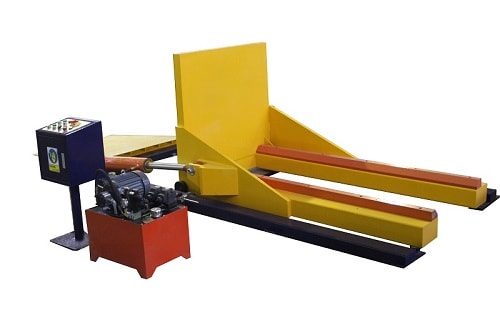
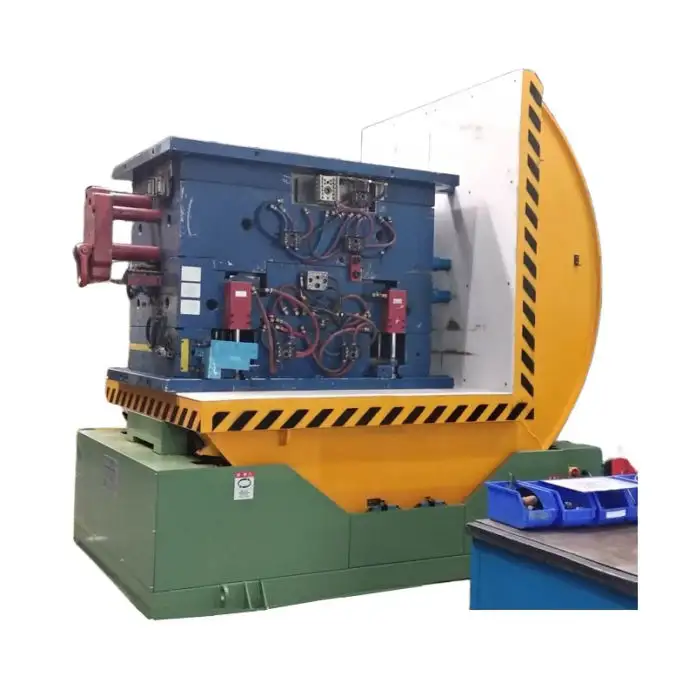
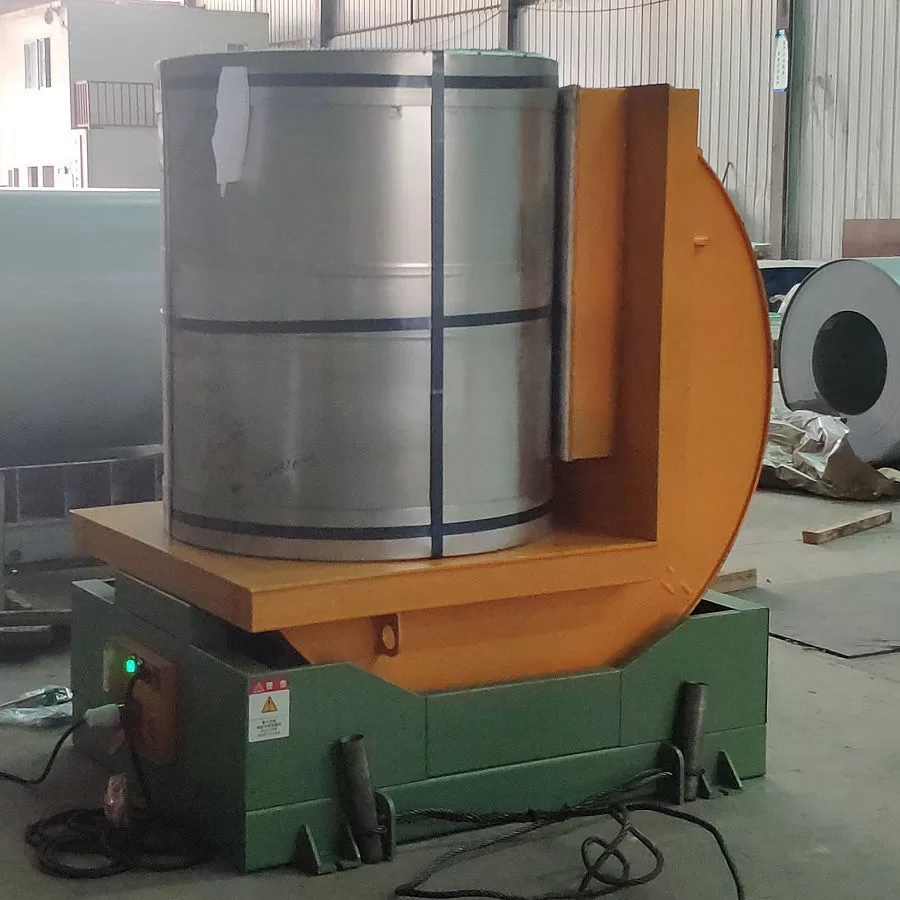
(Insert Image 1 here - "Sampling station for X-grade steel coils")
(Image description: A fhope1 sampling station in operation, showing a steel coil being processed. Highlight key components like the shear and transport system if visible.)
This image showcases a fhope1 sampling station integrated into a steel coil processing line. You can see the compact design, allowing for seamless integration into existing mill layouts. The system efficiently takes a sample from the coil, maintaining a smooth workflow. The key specifications highlighted here are:
- Strip Thickness: 1.5 – 28.3 mm - Demonstrating the wide range capability.
- Sample Length: 520 mm - A standard sample size for comprehensive analysis.
- Fully Plastic Bending Moment: max. 180,000 Nm - Indicating the system's ability to handle high-strength materials.
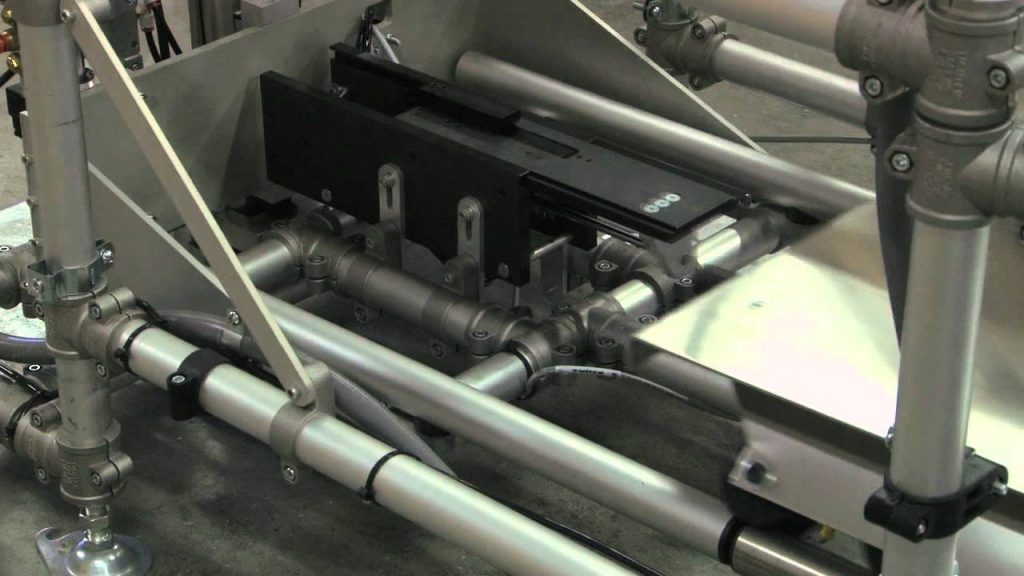
(Insert Image 2 here - "Strapping of high-strength steel coils")
(Image description: Close-up of the strapping process within the fhope1 system. Show the strapping machine securely re-strapping a coil after sampling.)
This image focuses on the integrated strapping process, a critical component for maintaining coil integrity and safety. Key details here are:
- Max. Strip Thickness: 28.3 mm - Re-emphasizing the system's capacity for heavy gauge steel.
- Straps per Coil: 3 - Ensuring robust and secure strapping.
- Total Strapping Time: <190 s/coil - Highlighting the speed and efficiency of the automated strapping process.
These images, while simple, illustrate the practical application of fhope1 in a steel production setting. They showcase the key features – the robust construction, the integrated processes, and the focus on efficiency and safety.
Beyond fhope1: Exploring Similar Automated Solutions
While fhope1 represents a significant advancement in steel coil sampling, the landscape of automated material handling and sampling systems is constantly evolving. There are other technologies and approaches worth considering, depending on your specific needs and priorities. Here are a few examples of similar projects and technologies in the broader field:
- Automated Guided Vehicles (AGVs) for Coil Transport: Similar to the automated transport system within fhope1, AGVs are used in many modern steel mills to automate the movement of coils between different processing stages. These systems enhance efficiency and safety by eliminating the need for manual forklift operation in many areas. Companies like fhope2 and fhope3 offer AGV solutions tailored for the steel industry.
- Robotic Sampling Arms: Instead of a dedicated sampling station, some facilities are exploring the use of robotic arms equipped with cutting tools to perform sampling directly on the processing line. These systems can be integrated into existing lines and offer flexibility in sample location and orientation. Companies like fhope4 are developing robotic sampling solutions for various industries, including steel.
- Inline Non-Destructive Testing (NDT): While not directly related to physical sampling, inline NDT technologies are increasingly being used to assess steel quality without taking physical samples. Techniques like ultrasonic testing, eddy current testing, and laser surface inspection can provide valuable quality data in real-time, reducing the need for extensive physical sampling in some cases. Companies like fhope5 specialize in inline NDT systems for steel production.
- Automated Storage and Retrieval Systems (AS/RS) for Steel Coils: Efficient storage and retrieval of steel coils is crucial for overall mill logistics. AS/RS systems automate the warehousing of coils, improving space utilization, reducing handling damage, and speeding up retrieval times. Companies like fhope6 offer AS/RS solutions designed for the heavy loads and demanding environments of steel mills.
These examples illustrate the broader trend towards automation in the steel industry. From material handling to quality control, automation is playing an increasingly important role in enhancing efficiency, safety, and product quality. Investing in automated sampling solutions like fhope1, or exploring complementary technologies like AGVs and inline NDT, is a strategic move for steel producers looking to stay competitive in today's demanding market.
The Future of Steel Sampling is Automated
My 30 years in this industry have taught me one thing for sure: innovation is the lifeblood of progress. Automated sampling stations like fhope1 are not just a trend; they represent a fundamental shift in how we approach steel production. They offer a pathway to safer, faster, more efficient, and more sustainable operations.
As the demand for high-strength steel continues to rise, and as mills strive for ever-greater levels of efficiency and quality, I believe that automated sampling will become the norm, not the exception. The benefits are simply too compelling to ignore. For those of us committed to driving the steel industry forward, embracing these advancements is not just an option – it's a necessity.