Lightweight Materials in Modern Mold Upenders: Pros and Cons
Lightweight materials in mold upenders offer enhanced maneuverability and reduced operator strain, boosting productivity and safety. However, factors like higher material costs and potentially compromised durability must be carefully considered alongside benefits such as improved energy efficiency and easier handling. Selecting the optimal material necessitates balancing these advantages and disadvantages for specific operational needs.
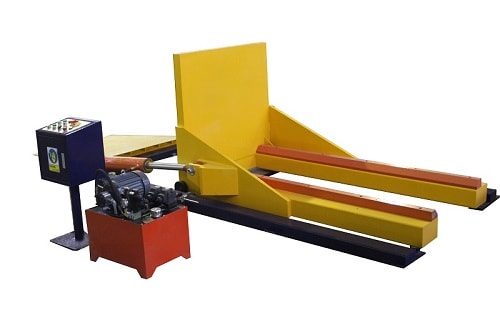
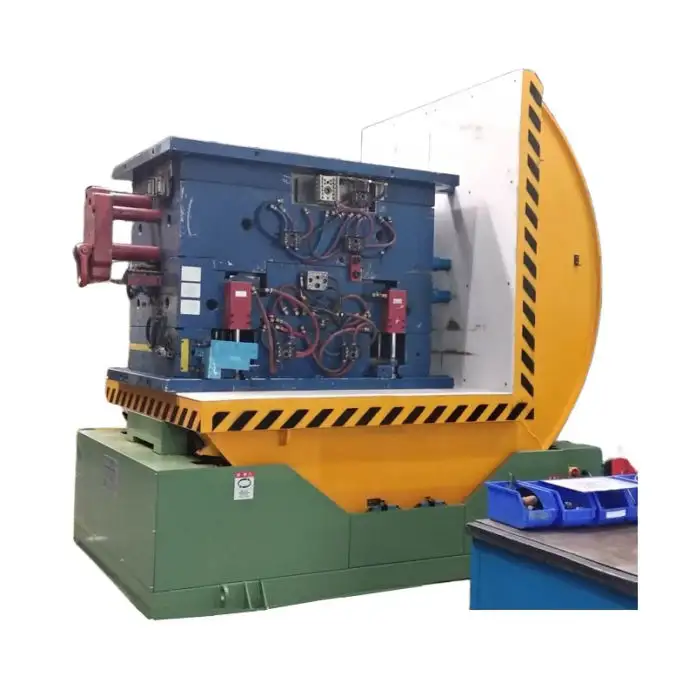
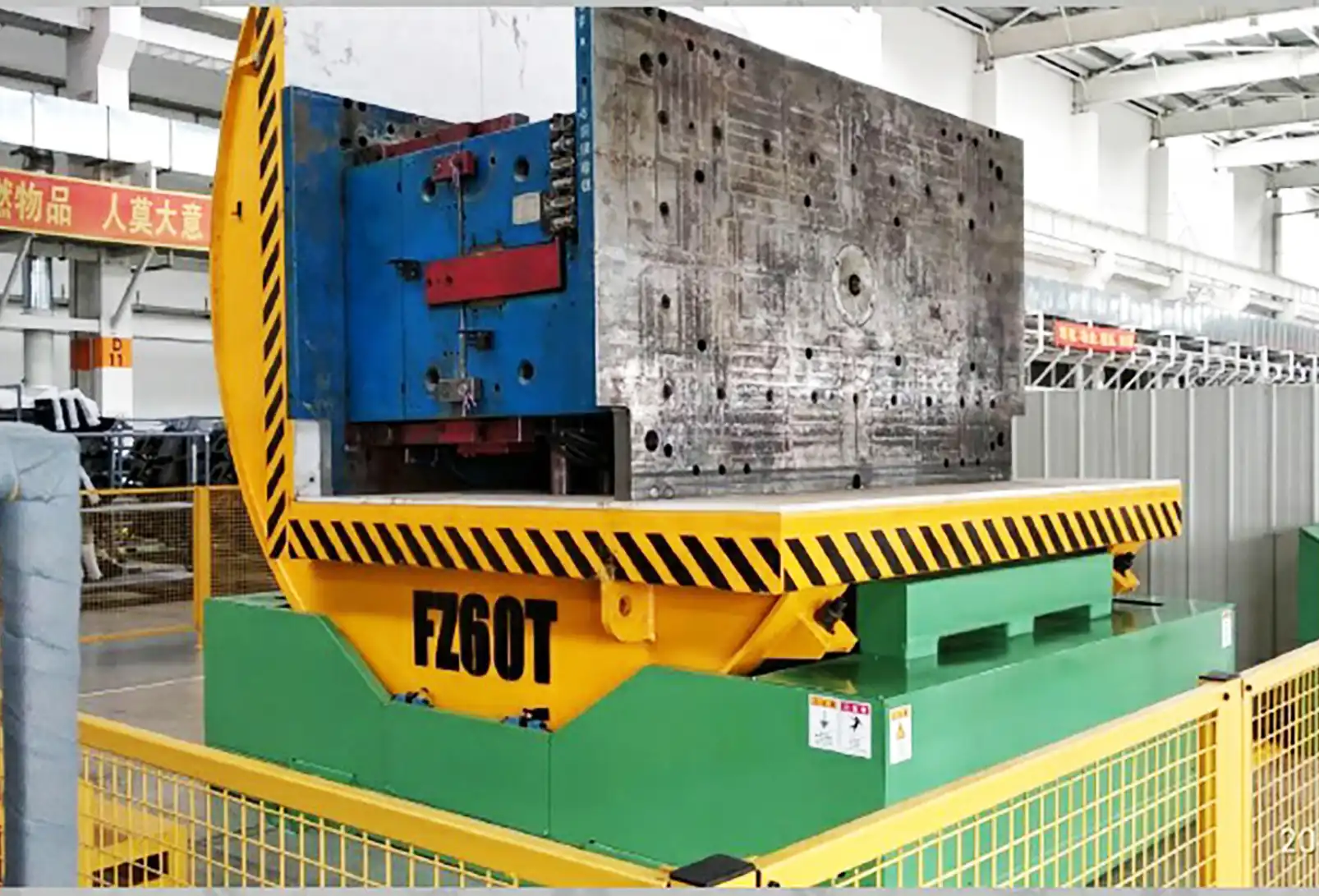
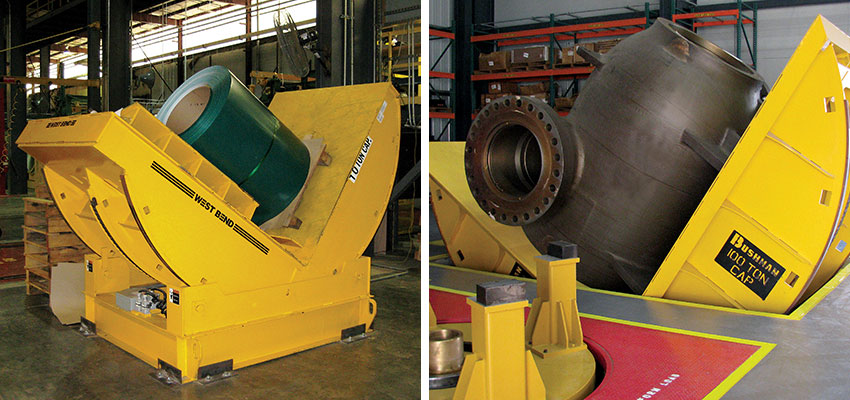
The modern manufacturing landscape is constantly evolving, demanding increased efficiency, improved safety, and enhanced operational performance across all sectors. One critical piece of equipment in various industrial settings, often overlooked, is the mold upender. These robust machines are essential for safely and efficiently rotating and positioning molds, dies, and other heavy loads during manufacturing processes. Traditionally constructed from heavy steel, these machines are now undergoing a significant transformation, driven by the adoption of lightweight materials. This shift promises a range of benefits, but also introduces specific challenges that must be carefully evaluated.
This article delves into the burgeoning trend of utilizing lightweight materials in modern mold upenders. We will explore the pros and cons of this evolution, examining the materials themselves, their impact on durability, and the critical considerations for businesses looking to upgrade their equipment. Understanding these factors is paramount for making informed decisions that balance performance, cost, and long-term operational needs.
The Rise of Lightweighting: Why Now for Mold Upenders?
The push for lightweighting isn't new, in industries like automotive and aerospace, its been a core design parameter for decades. As the provided source material highlights, the automotive industry's pursuit of fuel efficiency and reduced emissions has heavily relied on advanced lightweight materials. Similarly, aerospace has always prioritized strength-to-weight ratios for performance and fuel economy. This trend is now permeating across industrial equipment design, including mold upenders.
Several factors are driving this adoption in mold upenders:
- Enhanced Ergonomics and Safety: Lighter components in a mold upender translate directly to easier operation. Reduced weight means less strain on operators when maneuvering and adjusting the machine, leading to a safer working environment and potentially reducing workplace injuries.
- Improved Maneuverability and Efficiency: Lightweight mold upenders are inherently more agile. They can be moved and repositioned more easily within a facility, optimizing workflow and reducing setup times. This agility contributes to overall production efficiency gains.
- Potential Energy Savings: While not always a primary driver for mold upenders themselves, using lightweight materials can contribute to reduced energy consumption in the broader manufacturing setting. Lighter machines may require less power to operate and move.
- Innovation and Material Advancements: The increasing availability and affordability of advanced lightweight materials like aluminum alloys, high-strength steels, and composites make their application in industrial machinery like mold upenders more feasible and economically viable than ever before.
Exploring Lightweight Material Options for Mold Upenders
Drawing upon the insights from the provided materials, and considering the specific demands of mold upender applications, several lightweight materials emerge as viable candidates. It’s crucial to understand the characteristics of each material to assess its suitability:
1. Aluminum Alloys: The Mature Lightweight Choice
Aluminum is frequently cited as a leading lightweight alternative to steel, and for good reason. It offers a density approximately one-third that of steel, translating to significant weight savings. Feature Aluminum Alloys Density ~2.7 g/cm³ Strength Good to High (depending on alloy) Stiffness Good Corrosion Resistance Excellent Formability Good Cost Higher than Steel, Lower than Magnesium/Titanium Machinability Good Pros for Mold Upenders:
- Significant Weight Reduction: Directly reduces the overall weight of the upender, enhancing ergonomics and maneuverability.
- Excellent Corrosion Resistance: Ensures longevity and reduces maintenance needs, particularly in demanding industrial environments where exposure to moisture or chemicals is possible.
- Mature Technology: Manufacturing and processing techniques for aluminum are well-established, simplifying fabrication and potentially lowering overall production time.
- Good Strength-to-Weight Ratio: Provides adequate strength for many mold upending applications while maintaining lightness.
Cons for Mold Upenders: - Higher Cost than Steel: Aluminum is generally more expensive than traditional steel, potentially increasing the initial investment in the upender.
- Lower Stiffness Compared to Steel: May require thicker sections or specific alloys to achieve comparable stiffness to steel in certain load-bearing components, potentially offsetting some weight savings.
- Joining Challenges: Joining aluminum to other materials, especially steel, can require specialized techniques and considerations for galvanic corrosion.
Potential Applications in Mold Upenders: Frames, structural panels, non-load-bearing housings, and potentially some lifting arms in smaller upenders, particularly where corrosion resistance and ease of movement are prioritized.2. Magnesium Alloys: The Ultimate in Lightweighting
Magnesium boasts the lowest density among structural metals, offering even greater weight reduction potential than aluminum. Feature Magnesium Alloys Density ~1.74 g/cm³ Strength Moderate to High (depending on alloy) Stiffness High Specific Stiffness Corrosion Resistance Fair to Good (alloy dependent, requires protection) Formability Can be challenging, often requires warm forming Cost Higher than Aluminum Machinability Good Pros for Mold Upenders:
- Maximum Weight Reduction: Offers the highest weight savings potential, leading to the most ergonomic and easily maneuverable mold upenders.
- High Specific Stiffness: Provides excellent stiffness relative to its low weight, crucial for maintaining dimensional stability under load.
- Stamping Infrastructure Compatibility: Some magnesium alloys are compatible with existing stamping infrastructure, potentially easing manufacturing processes for certain components.
Cons for Mold Upenders: - High Cost: Magnesium is more expensive than aluminum, significantly impacting the overall cost of the upender.
- Corrosion Susceptibility: Magnesium is more prone to corrosion than aluminum, especially galvanic corrosion when in contact with dissimilar metals. Requires robust protective coatings and careful design to mitigate corrosion risks.
- Lower Ductility and Formability Challenges: Forming magnesium can be more complex, often requiring warm forming processes, which can increase manufacturing time and cost.
- Limited Availability & US Manufacturing: Availability of magnesium in large quantities from US manufacturers can be a concern, potentially leading to supply chain dependencies.
Potential Applications in Mold Upenders: Non-structural housings, panels, and potentially certain components in specialized, high-performance upenders where weight is absolutely paramount and corrosion mitigation strategies are meticulously implemented.
3. Advanced High-Strength Steels (AHSS): Strength and Weight Optimization from a Familiar Base
| AHSS represents an evolution of traditional steel, offering significantly improved strength and sometimes enhanced ductility compared to conventional steel grades. | Feature | Advanced High-Strength Steels (AHSS) |
|---|---|---|
| Density | ~7.85 g/cm³ (similar to standard steel) | |
| Strength | Very High to Ultra-High | |
| Stiffness | Very High | |
| Corrosion Resistance | Variable (depending on grade and coating) | |
| Formability | Can be more challenging than mild steel | |
| Cost | Higher than mild steel, lower than aluminum | |
| Machinability | Can be more challenging than mild steel |
Pros for Mold Upenders:
- Weight Reduction through Strength: While not as light as aluminum or magnesium in terms of density, AHSS allows for significant weight reduction by enabling the use of thinner gauges due to its superior strength. Components can be designed to be significantly lighter while maintaining required structural integrity.
- High Strength and Stiffness: Maintains the inherent strength and stiffness of steel, crucial for heavy load lifting and maintaining dimensional stability.
- Familiar Manufacturing Processes: AHSS can often be processed using existing steel manufacturing infrastructure, although some adjustments may be needed. This familiarity can simplify adoption and reduce initial manufacturing learning curves.
- Cost-Effective Strength: Offers a balance between weight reduction and cost, often proving to be a more economically viable option for many load-bearing components compared to more exotic materials.
Cons for Mold Upenders: - Density Remains High: Still significantly heavier than aluminum and magnesium, limiting the absolute weight reduction potential compared to those materials.
- Formability Challenges: Forming AHSS can be more challenging than mild steel, potentially requiring advanced forming techniques and tooling, and potentially increasing manufacturing complexity and cost.
- Potential for Mold Wear: AHSS can be abrasive and may lead to increased wear on stamping molds compared to milder steels.
Potential Applications in Mold Upenders: Load-bearing frames, lifting arms, and critical structural components where high strength and stiffness are paramount, and a moderate weight reduction is still desired while maintaining cost-effectiveness and leveraging existing steel fabrication expertise.4. Carbon Fiber Composites: The High-Performance, High-Cost Option
Carbon fiber composites offer exceptional strength-to-weight ratios and stiffness, making them ideal for applications where performance outweighs cost concerns. Feature Carbon Fiber Composites Density ~1.5 - 2.0 g/cm³ Strength Extremely High Stiffness Extremely High Corrosion Resistance Excellent Formability Complex shapes possible through molding Cost Very High Machinability Challenging, requires specialized techniques Pros for Mold Upenders:
- Exceptional Weight Savings: Provides the most dramatic weight reduction potential, even surpassing magnesium in some composite configurations, leading to highly ergonomic and efficient upenders.
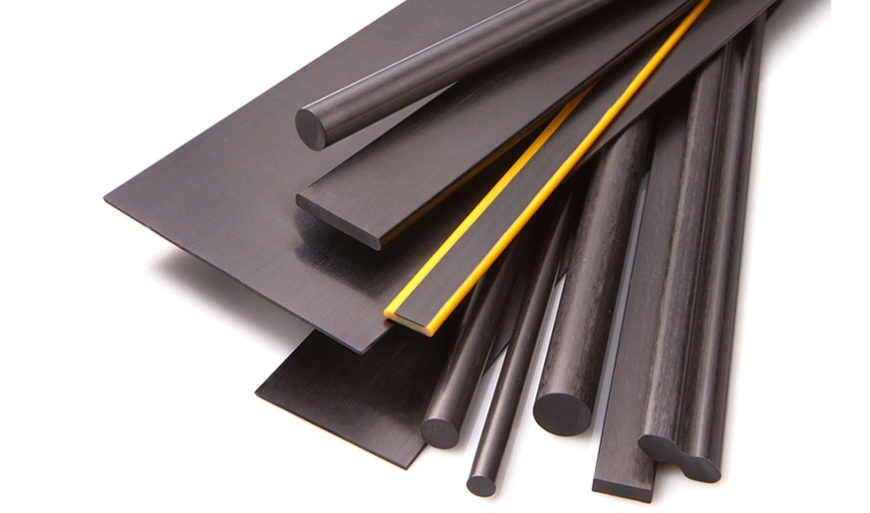
- Superior Strength and Stiffness: Offers unparalleled strength and stiffness, enabling the design of extremely robust yet lightweight structures.
- Design Flexibility: Allows for the creation of highly complex and optimized shapes, potentially further enhancing performance and reducing weight.
- Excellent Corrosion Resistance: Inherent corrosion resistance eliminates concerns about rust and degradation.
Cons for Mold Upenders: - Prohibitively High Cost: Carbon fiber composites are significantly more expensive than all other materials discussed, making them economically feasible only for very specialized or high-end applications.
- Manufacturing Complexity and Cost: Manufacturing with carbon fiber composites is complex, labor-intensive, and requires specialized tooling and expertise, further driving up costs.
- Joining Challenges: Joining carbon fiber composites to other materials, and even joining composite parts, can be complex and require specialized adhesives and techniques.
- Impact Vulnerability: While strong in tension, carbon fiber composites can be more vulnerable to certain types of impact damage compared to metals.
Potential Applications in Mold Upenders: Highly specialized, niche applications where extreme weight reduction is paramount, performance is prioritized above cost, and potentially for components in automated systems where lightweighting improves speed and responsiveness. e.g., in advanced robotic mold handling systems.5. Titanium: High Temperature Strength and Resilience, but Premium Price
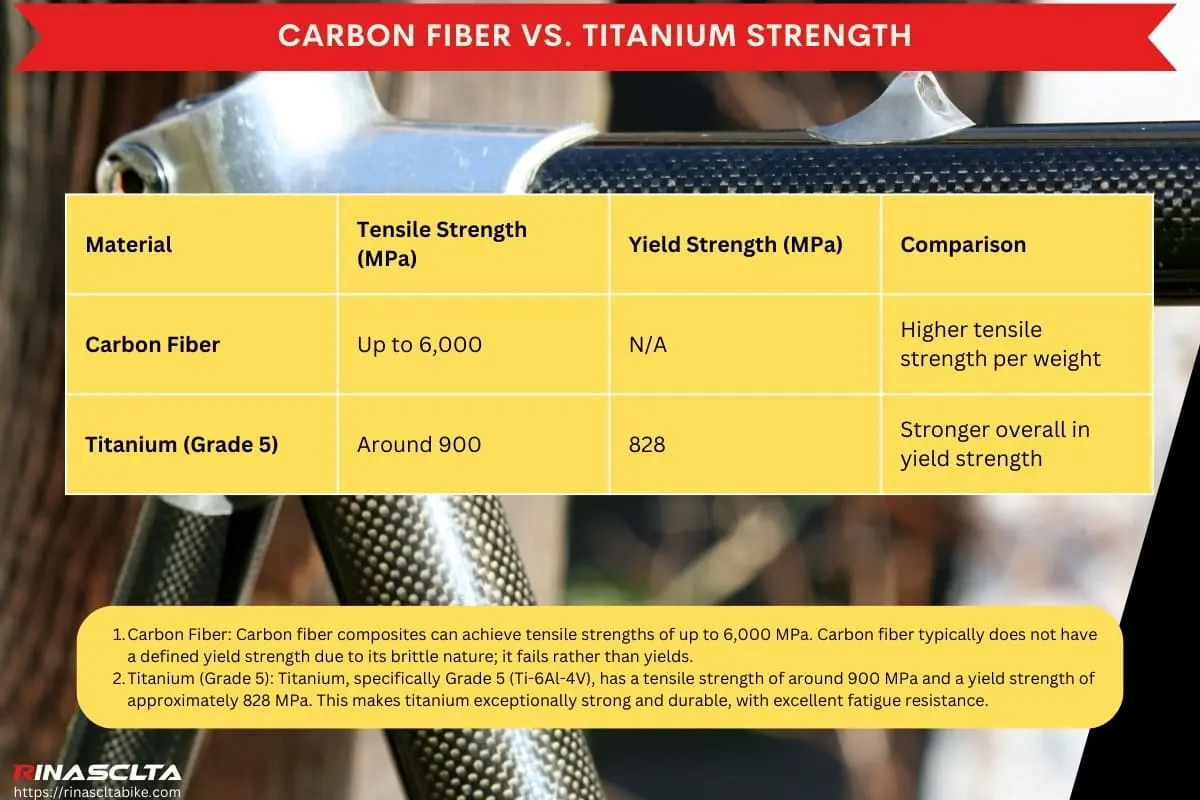
Titanium offers a compelling combination of high strength-to-weight ratio, excellent corrosion resistance, and high-temperature performance, but comes with a significant cost premium. Feature Titanium Alloys Density ~4.5 g/cm³ Strength Very High Stiffness High Corrosion Resistance Excellent Formability Can be challenging, requires specialized processes Cost Extremely High Machinability Challenging Pros for Mold Upenders:
- High Strength-to-Weight Ratio: Excellent balance of strength and weight, though not as light as aluminum or magnesium.
- Exceptional Corrosion Resistance: Offers superior corrosion resistance, even in extremely harsh environments.
- High Temperature Performance: Maintains strength and properties at elevated temperatures, potentially beneficial in specific industrial applications.
- High Durability and Fatigue Resistance: Offers excellent long-term durability and resistance to fatigue failure.
Cons for Mold Upenders: - Extremely High Cost: Titanium is exceptionally expensive, limiting its feasibility to very specialized applications.
- Manufacturing Challenges: Fabrication, forming, and machining of titanium are complex and expensive, requiring specialized equipment and expertise.
- Formability Issues: Forming titanium can be challenging, requiring specialized processes and potentially limiting design complexity.
Potential Applications in Mold Upenders: Extremely niche, high-performance applications where cost is not a primary concern and where exceptional corrosion resistance, high temperature strength, or maximum durability are essential. Likely limited to very specific, demanding industrial environments.Durability and Longevity: A Critical Consideration
While lightweight materials offer numerous advantages, durability is paramount for mold upenders, which are expected to operate reliably under heavy loads for extended periods.
- Wear and Tear: Assess the wear resistance of chosen materials, especially in components subjected to friction or repetitive motion. Hard coatings or wear-resistant alloys may be necessary in certain areas.
- Fatigue Resistance: For components under cyclic loading, ensure the chosen lightweight material possesses sufficient fatigue strength. Proper design and material selection are crucial to prevent fatigue failure.
- Corrosion Protection: For materials like magnesium and some steels, implementing robust corrosion protection strategies is non-negotiable. This includes coatings, surface treatments, and careful material selection for fasteners and joining elements to avoid galvanic corrosion.
- Damage Tolerance: Consider the damage tolerance of the material. While high strength is important, the material's ability to withstand minor impacts or scratches without catastrophic failure is also crucial for long-term reliability in industrial environments
Making the Right Choice: Factors Beyond Material Properties
Selecting the optimal lightweight material for a mold upender involves a holistic assessment beyond just density and strength. Key factors to consider include:
- Application-Specific Requirements: Duty cycle, load capacity, operating environment (temperature, humidity, chemical exposure), and required lifespan all dictate material suitability.
- Budget Constraints: Material costs vary significantly. A detailed cost-benefit analysis, considering not just material price but also manufacturing, maintenance, and long-term operational savings, is essential.
- Manufacturing Capabilities and Infrastructure: Assess existing manufacturing capabilities and the investment required to process different lightweight materials. Leveraging existing infrastructure where possible (e.g., for AHSS fabrication) can be advantageous.
- Maintenance and Repair Considerations: Factor in ease of maintenance and repair. Some lightweight materials may require specialized repair techniques or be more challenging to repair in-situ compared to steel.
- Sustainability Goals: Consider the environmental impact of material production, recyclability, and the potential for reduced energy consumption in the operational lifecycle of the mold upender.
Conclusion: Balancing Lightweighting with Practicality
The integration of lightweight materials into mold upenders represents a significant step forward in enhancing ergonomics, efficiency, and potentially safety in various manufacturing environments. The choice of material, however, is not a one-size-fits-all decision. It requires a careful balancing act between the enticing benefits of weight reduction and crucial practical considerations such as cost, durability, manufacturing complexity, and long-term maintenance.
While materials like aluminum, magnesium, AHSS, carbon fiber composites, and titanium each offer unique advantages, their respective cons must be thoroughly evaluated in the context of the specific mold upender application and operational needs. By undertaking a comprehensive analysis of requirements, budget, and long-term performance expectations, manufacturers can leverage the power of lightweight materials to create mold upenders that are not only more efficient and safer but also truly optimized for the demands of modern industry. The future of mold upender design is undoubtedly lighter, smarter, and more attuned to the evolving needs of manufacturing operations worldwide.