Litho Coil Storage: Is Cantilever Design the Right Choice for Your Operation?
Are you struggling with delicate coil storage and seeking a solution that minimizes damage while maximizing efficiency? Cantilever storage systems might be your answer. With 30 years immersed in the metal industry, I've seen firsthand how crucial proper storage is for maintaining material integrity and streamlining production. Let's dive into why cantilever storage, particularly for sensitive materials like litho coils, could be a game-changer for your facility.
For years, I've witnessed the challenges of handling and storing coils, especially those destined for critical applications like lithography. The surface quality, edge integrity, and overall shape of these coils are paramount. Damage during storage can lead to significant waste, production delays, and ultimately, increased costs. That's why a storage solution that prioritizes gentle handling is not just a nice-to-have, but a necessity.
This brings us to the cantilever store system. Recently, I came across a project that perfectly exemplifies the benefits of this approach for litho coils. It's a system designed to bridge the gap between the litho finishing plant and the packaging line, ensuring the coils are treated with the utmost care during this interim storage phase.
How Can Cantilever Storage Systems Ensure Gentle Handling of Delicate Coils?
Cantilever storage systems are engineered to support materials horizontally on arms extending from vertical columns. This design inherently offers several advantages for delicate coils:
- Reduced Contact Points: Unlike stacked storage, cantilever systems minimize contact with the coil surface. Each coil rests on a set of arms, eliminating pressure points that can cause scratches, dents, or distortions. This is particularly crucial for litho coils, where surface imperfections can be detrimental.
- Individual Coil Accessibility: Cantilever arms provide immediate access to each coil. No more rummaging through stacks or moving multiple coils to reach a specific one. This direct access streamlines retrieval and reduces handling time, further minimizing the risk of damage.
- Customizable Design: Cantilever systems are highly adaptable to different coil sizes and weights. The arm spacing and capacity can be tailored to the specific dimensions of your litho coils, ensuring optimal support and preventing sagging or deformation.
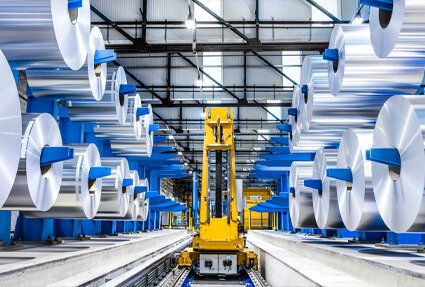
Let's look at a specific example. The fhope1 system, a cantilever store designed for litho coils, demonstrates these principles in action. This system, built in the United Kingdom, is directly integrated with a litho finishing plant. It features an inspection area, an automatic coil manipulator, and 28 double cantilever arms. Each arm is designed to handle litho coils weighing close to 11 tons – a testament to the robust nature of these systems.
Key Features of the fhope1 Cantilever System:
- Dimensions: 48 x 9.2 x 4.2 meters (L x W x H) – Demonstrating a compact footprint, ideal for integrating into existing production lines.
- Throughput: Designed for an input of 4 coils per hour over 24 hours and an output of 8 coils per hour over 12 hours, showcasing its capacity to handle continuous production flow.
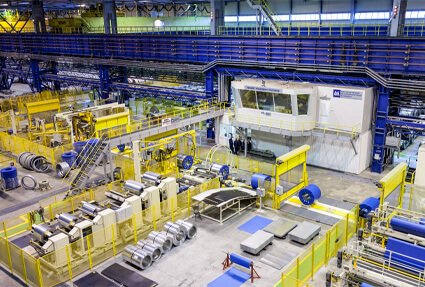
This system isn't just about storage; it's about creating a seamless flow between production stages. The fhope1 system feeds directly into an AMOVA packaging system (now let's call it a fhope packaging system), ensuring that the coils move smoothly from storage to packaging without unnecessary handling. The compact design is particularly noteworthy. In my experience, space optimization is often a major concern in manufacturing facilities. This system proves that you can achieve high-capacity interim storage and efficient packaging integration within a limited footprint.
What are the Key Components of an Effective Cantilever Coil Storage System?
Building a successful cantilever coil storage system involves integrating several key components. Based on my experience and observations of systems like fhope1, here are the elements that contribute to optimal performance:
- Inspection Area: Before coils enter storage, a dedicated inspection area is crucial. This allows for quality checks to be performed, ensuring that only coils meeting the required standards are stored. Early detection of defects prevents further processing of compromised material and saves costs down the line.
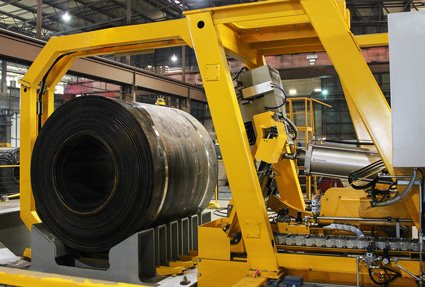
- Automatic Coil Manipulator: Automated handling is essential for both efficiency and gentle handling. An automatic coil manipulator, like the one in the fhope1 system, precisely and carefully moves coils into and out of storage. This minimizes the risk of human error and reduces the potential for damage during loading and unloading.
- Double Cantilever Arms: The core of the system, these arms must be robust and precisely engineered to support the weight and dimensions of the coils. "Double" cantilever arms, as used in fhope1, provide support on both sides of the coil, enhancing stability and load-bearing capacity. The material and coating of the arms are also important considerations. For delicate coils, using arms with protective surfaces or coatings can further minimize the risk of scratching.
- Intelligent Control System: An advanced control system is the brain of the operation. It manages coil inventory, tracks coil location, and coordinates the automatic manipulator. This ensures smooth and efficient storage and retrieval processes, optimizing throughput and minimizing downtime. Integration with the overall plant management system can further enhance efficiency and visibility.
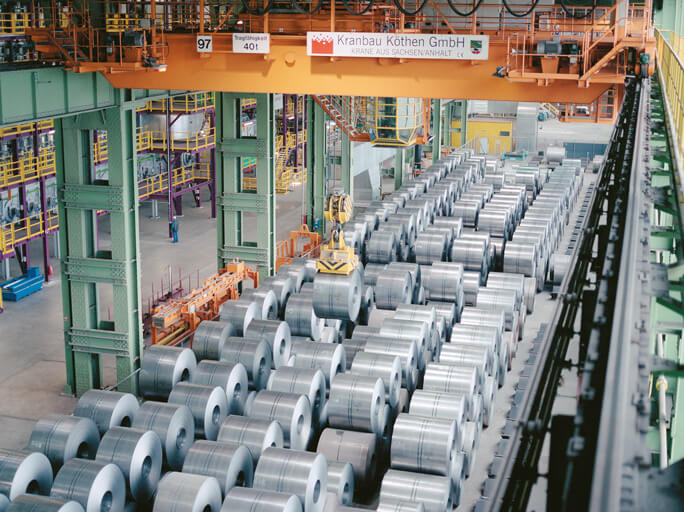
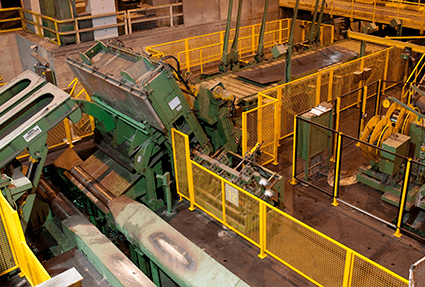
(Insert first image here - Flat storage systems image: https://www.amova.eu/fileadmin/Redakteur/Metallindustrie/Produkte/flachlager-teaser.jpg)
Image: Flat Storage Systems - While cantilever is a type of flat storage, other flat storage solutions exist. Consider your specific needs.
Beyond Cantilever: Exploring Other Flat Storage System Options
While cantilever systems are excellent for many applications, it's important to remember that they are just one type of flat storage. In my 30 years, I’ve seen a variety of flat storage solutions, each with its own strengths and weaknesses. Understanding these options allows you to make the most informed decision for your specific needs.
Flat storage systems, in general, are designed to store materials horizontally, offering advantages in accessibility and handling compared to vertical storage. Beyond cantilever, other common types include:
- Crane-Operated Flat Stores: These systems utilize overhead cranes to move materials in and out of storage bays. They are well-suited for handling very heavy and large items. However, they may require more space and can be slower for high-throughput operations compared to automated systems.
- Vehicle-Operated Flat Stores: Forklifts or specialized vehicles are used to access storage locations. These systems offer flexibility and can be more cost-effective for smaller operations. However, they are typically less automated and may have lower storage density compared to crane-operated or cantilever systems.
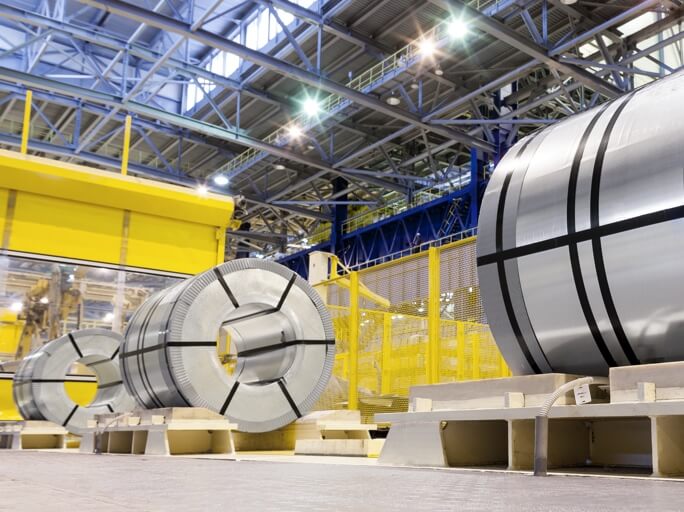
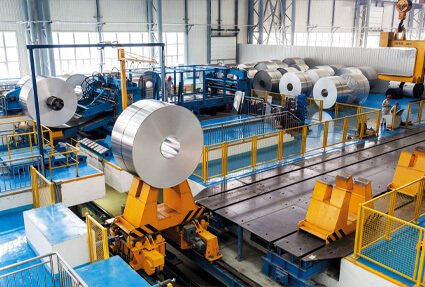
(Insert second image here - Coil packaging lines image: https://www.amova.eu/fileadmin/Redakteur/Metallindustrie/Produkte/coilverpackung_teaser.jpg)
Image: Coil Packaging Lines - Efficient storage is only part of the equation. Seamless integration with packaging lines is vital.
Why is Integration with Coil Packaging Lines So Important?
The fhope1 project highlights the critical link between storage and packaging. In my experience, inefficiencies often arise at the interfaces between different production stages. A well-designed storage system should not be an isolated entity, but rather an integral part of the overall material flow.
Directly connecting the cantilever store to the packaging line, as seen in the fhope1 example, offers several key benefits:
- Reduced Handling: Minimizing handling steps is paramount for delicate materials. Direct transfer from storage to packaging reduces the number of times coils are moved, significantly lowering the risk of damage.
- Optimized Logistics: Integrated systems streamline material flow, reducing bottlenecks and improving overall logistics efficiency. This can lead to faster throughput, reduced lead times, and lower operational costs.
- Space Savings: Compact, integrated systems like fhope1 minimize the footprint required for both storage and packaging. This is particularly valuable in facilities where space is at a premium.
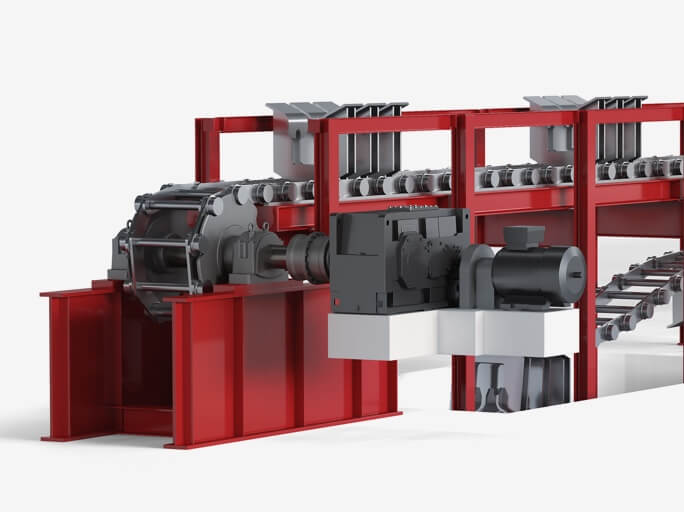
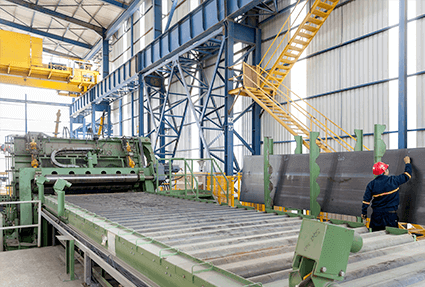
(Insert third image here - Conventional transport systems image: https://www.amova.eu/fileadmin/Redakteur/Metallindustrie/Produkte/trasnportanlage_konventionell_teaser.jpg)
Image: Conventional Transport Systems - Consider how your storage system integrates with your existing transport infrastructure.
How Can Conventional Transport Systems Complement Cantilever Storage?
While automated systems are increasingly prevalent, conventional transport systems still play a vital role in many facilities. Understanding how these systems can integrate with cantilever storage is crucial for a holistic approach to material handling.
Conventional transport systems, such as forklifts, conveyors, and cranes, can be effectively used to:
- Feed Coils to the Cantilever Store: Conventional transport can bring coils from upstream processes, like rolling mills or finishing lines, to the input point of the cantilever storage system.
- Remove Packaged Coils: After packaging, conventional transport can move the finished coils to shipping areas or further processing stages.
- Handle Overflow or Specialized Coils: For coils that are not suitable for automated handling or when the cantilever system is at full capacity, conventional transport provides flexibility to manage overflow or specialized materials.
The key is to design the overall material flow in a way that leverages the strengths of both automated and conventional systems. For example, you might use automated guided vehicles (AGVs) to transport coils from the finishing line to the cantilever storage input, and then use forklifts to move packaged coils from the packaging line to the warehouse.
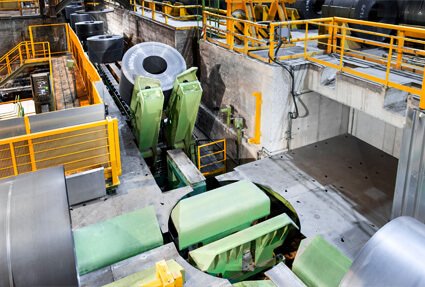
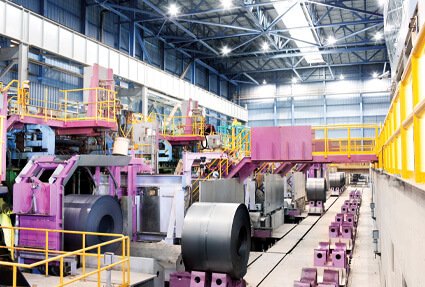
(Insert fourth image here - Modernization of coil conveying system image: https://www.amova.eu/fileadmin/processed/d/1/csm_salzgitter_transport_425x287_5b5c608ae7.jpg)
(Insert fifth image here - Pallet conveyor system for hot-rolled coils image: https://www.amova.eu/fileadmin/processed/d/8/csm_amns_transport_425x287_58ac697675.jpg)
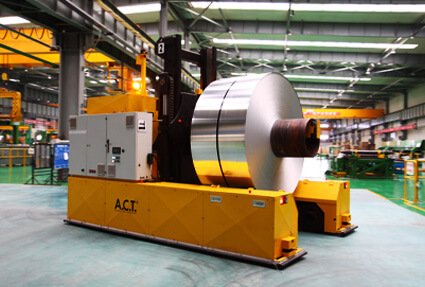
(Insert sixth image here - Automatic Coil Transporters (A.C.T.®) image: https://www.amova.eu/fileadmin/processed/3/c/csm_nanshan_transport_425x287_25063698ad.jpg)
(Insert seventh image here - Packaging line for litho coils image: https://www.amova.eu/fileadmin/processed/e/2/csm_bridgnorth_verpacken_425x287_2129045476.jpg)
(Insert eighth image here - High-bay store for 1,382 coils image: https://www.amova.eu/fileadmin/processed/e/0/csm_N-SMS2287-053_425x287_99d21f8674.jpg)
(Insert ninth image here - Sampling station for X-grade steel coils image: https://www.amova.eu/fileadmin/processed/4/9/csm_ref_insp_AMB_teaser_7dedde8dc7.png)
(Insert tenth image here - Cantilever store for litho coils image: https://www.amova.eu/fileadmin/processed/c/3/csm_bridgnorth_lagern_425x287_ee23ac111b.jpg)
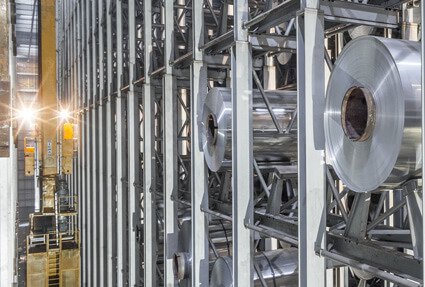
(Insert eleventh image here - High-bay store for aluminium coils image: https://www.amova.eu/fileadmin/processed/f/4/csm_aleris_lagern_425x287_c62888ff08.jpg)
(Insert twelfth image here - Strapping of high-strength steel coils image: https://www.amova.eu/fileadmin/processed/1/5/csm_umreifung-hochfester-stahlcoils-teaser_316484244c.jpg)
(Insert thirteenth image here - Coil packaging line image: https://www.amova.eu/fileadmin/processed/6/0/csm_mmk_verpacken_425x287_bce575ce8d.jpg)
(Insert fourteenth image here - Inspection line / Conversion project image: https://www.amova.eu/fileadmin/processed/b/e/csm_ref_insp_salzg_teaser_a6ab5af324.png)
(Insert fifteenth image here - Inspection line in coil conveyor system image: https://www.amova.eu/fileadmin/processed/2/2/csm_ref_insp_habas_teaser_999497a004.png)
(Insert sixteenth image here - Pallet conveyor system for aluminium coils image: https://www.amova.eu/fileadmin/processed/a/b/csm_henan_transport_425x287_635c24c221.jpg)
(Insert seventeenth image here - Modernization of coil conveying system image: https://www.amova.eu/fileadmin/processed/d/1/csm_salzgitter_transport_425x287_5b5c608ae7.jpg)
(Insert eighteenth image here - Pallet conveyor system for hot-rolled coils image: https://www.amova.eu/fileadmin/processed/d/8/csm_amns_transport_425x287_58ac697675.jpg)
(Insert nineteenth image here - Automatic Coil Transporters (A.C.T.®) image: https://www.amova.eu/fileadmin/processed/3/c/csm_nanshan_transport_425x287_25063698ad.jpg)
(Insert twentieth image here - Packaging line for litho coils image: https://www.amova.eu/fileadmin/processed/e/2/csm_bridgnorth_verpacken_425x287_2129045476.jpg)
(Insert twenty-first image here - High-bay store for 1,382 coils image: https://www.amova.eu/fileadmin/processed/e/0/csm_N-SMS2287-053_425x287_99d21f8674.jpg)
(Insert twenty-second image here - Sampling station for X-grade steel coils image: https://www.amova.eu/fileadmin/processed/4/9/csm_ref_insp_AMB_teaser_7dedde8dc7.png)
What Other Coil Storage Solutions Are Available?
Cantilever systems are a great option, especially for delicate coils, but the world of coil storage is diverse. Depending on your specific needs – volume, space, coil type, and throughput – other solutions might be more suitable. Based on my extensive experience, here are some common alternatives:
-
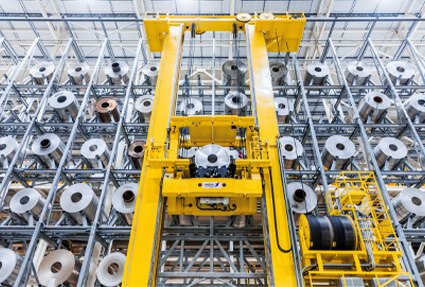
High-Bay Warehouses: For very high-volume storage, high-bay warehouses are often the answer. These automated systems utilize tall racks and stacker cranes to maximize vertical space utilization. fhope2, for example, is a high-bay store capable of holding 1,382 coils, each weighing up to 32 tons! While offering exceptional storage density, high-bay systems require significant upfront investment and are best suited for large-scale operations with consistent throughput. They are excellent for long-term storage and managing large inventories.
-
Compact Vertical Storage: When floor space is extremely limited, vertical storage systems can be a space-saving alternative. These systems store coils vertically, often in a carousel or paternoster configuration. Vertical storage is ideal for smaller coils and lower-throughput applications. However, accessibility and handling of heavier coils can be more challenging compared to horizontal systems.
-
Block Stacking: The simplest and most cost-effective method, block stacking involves stacking coils directly on the floor. While requiring minimal infrastructure, block stacking suffers from poor accessibility, potential coil damage due to weight pressure, and inefficient space utilization, especially for diverse coil sizes. It's generally only suitable for robust coils in low-throughput, short-term storage scenarios.
-
Drive-In Racking: This system offers higher density than selective racking by allowing forklifts to drive directly into the storage bays. While improving density, drive-in racking still requires careful handling to avoid damage and can limit accessibility to individual coils. It's a compromise between density and accessibility.
(Insert twenty-third image here - Cantilever store for litho coils image again: https://www.amova.eu/fileadmin/processed/c/3/csm_bridgnorth_lagern_425x287_ee23ac111b.jpg)
(Insert twenty-fourth image here - High-bay store for aluminium coils image again: https://www.amova.eu/fileadmin/processed/f/4/csm_aleris_lagern_425x287_c62888ff08.jpg)
Choosing the right coil storage system is a critical decision that impacts efficiency, product quality, and overall operational costs. Carefully consider your specific requirements, coil characteristics, throughput demands, and space constraints before making a selection. And remember, sometimes, a hybrid approach, combining different storage solutions, can be the most effective strategy. With 30 years in this industry, I've learned that there's no one-size-fits-all answer. It's about finding the solution that is precisely tailored to your unique needs.