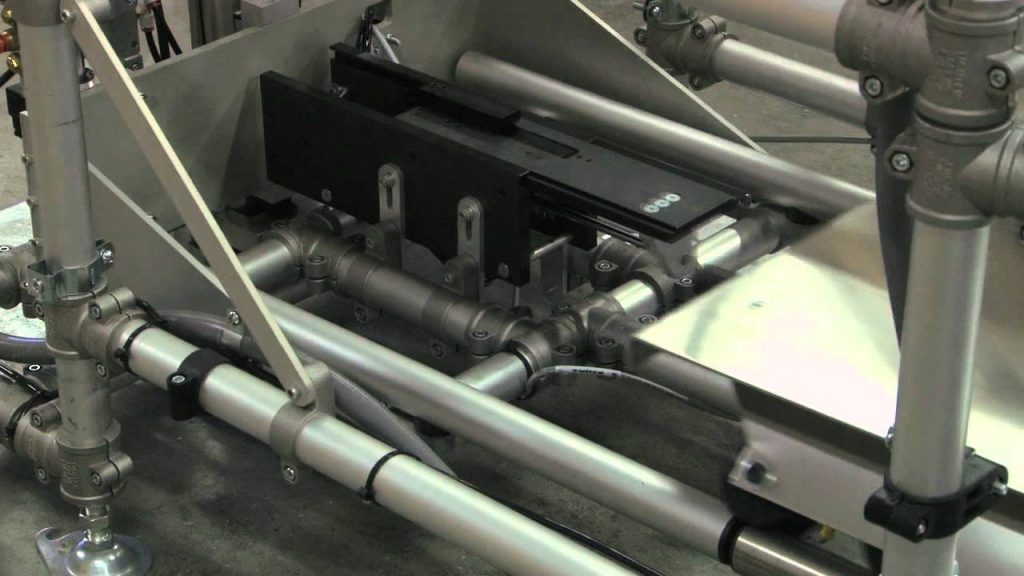
For mold upender operators, essential protective gear includes respirators, goggles, gloves, disposable coveralls, and waterproof boots. This equipment is crucial for safeguarding against mold spore exposure, skin contact with irritants, and ensuring overall safety during mold remediation and handling processes.
Mold, a pervasive environmental element, becomes a significant concern when it proliferates indoors. In environments requiring mold remediation, and particularly for operators handling materials and equipment like mold upenders, the risks associated with mold exposure are amplified. Mold isn't just an aesthetic problem; it's a health hazard. It releases spores into the air, which, when inhaled, can trigger a range of health issues, from mild allergies to severe respiratory conditions. For professionals working directly with mold, or operating machinery in mold-prone environments, robust personal protective equipment (PPE) is not just recommended—it’s indispensable. This article delves into the essential protective gear for mold upender operators, ensuring a safe and healthy working environment.
Operating mold upenders, especially in remediation scenarios, inherently increases the potential for exposure. These machines, while enhancing efficiency in handling and processing mold-affected materials, can also agitate and disperse mold spores if not managed with proper safety protocols. Operators are therefore at a higher risk of exposure, making comprehensive PPE a critical line of defense.
The hazards are real and varied. Mold spores are microscopic and easily inhaled, leading to respiratory irritation, coughing, sneezing, and in sensitive individuals, more severe reactions like asthma exacerbation or hypersensitivity pneumonitis – a serious lung inflammation. Skin contact with mold can cause irritation, rashes, and allergic reactions. Eyes are also vulnerable, with mold spores leading to irritation, redness, and watery eyes. Without adequate protection, these health risks pose a significant threat to the well-being and long-term health of mold upender operators.
To mitigate these risks, a suite of protective gear is necessary. Just as safety features are paramount in the design of mold upenders themselves, so too is the PPE worn by those who operate them. This equipment forms the cornerstone of a safe operational strategy, minimizing exposure and promoting a healthier work environment. Let's explore each essential piece of protective gear in detail.
Respirators: Your Primary Defense Against Spore Inhalation
| Respiratory protection is arguably the most critical component of PPE for mold upender operators. The primary danger in mold-contaminated environments is the inhalation of mold spores. Respirators are specifically designed to filter these spores, preventing them from entering the respiratory system and causing harm. For mold remediation and similar tasks, including operating machinery handling potentially moldy materials, an N-95 respirator is the minimum standard recommended by safety organizations like OSHA, EPA, and CDC for small-scale mold cleanup. An N-95 respirator is a type of air-purifying respirator that filters out at least 95% of airborne particles, including mold spores. However, for more significant mold concerns, or when dealing with potentially high concentrations of spores, a more robust respirator may be necessary. |
Respirator Type | Filtration Efficiency | Recommended Use |
|---|---|---|---|
| N-95 Respirator | 95% of particles | Small area mold cleanup, general mold handling tasks |
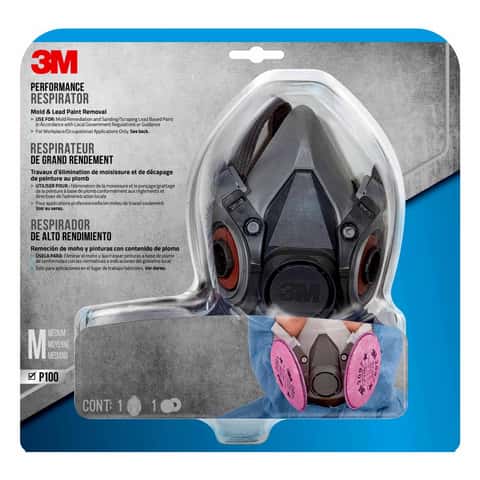
| N-100 or P-100 Respirator | 99.97% of particles | Large scale remediation, high mold concentration areas |
| PAPR (Powered Air-Purifying Respirator) | High efficiency filters | Environments with prolonged exposure or specific respiratory sensitivities |
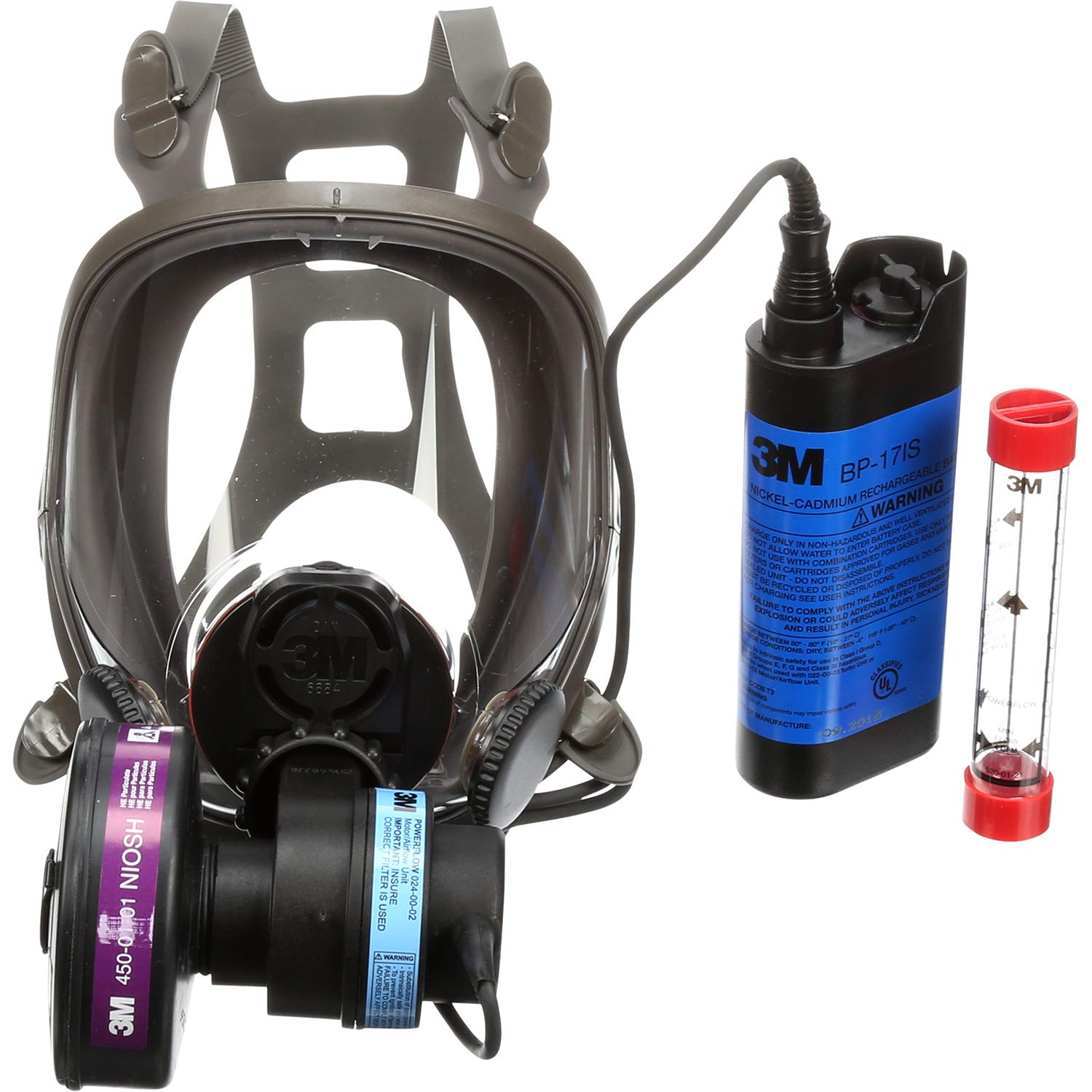
Powered Air-Purifying Respirators (PAPRs) offer an even higher level of protection. PAPRs use a battery-powered blower to force air through filters and into the wearer's breathing zone, providing purified air and positive pressure. This positive pressure helps to keep contaminants out of the respirator facepiece, offering superior protection, especially in environments with heavy mold concentration or for operators who need to wear respirators for extended periods. For operators with pre-existing respiratory conditions, or those working in particularly contaminated settings, PAPRs can be an invaluable investment in safety.
Regardless of the type chosen, proper fit and usage are crucial for respirators to be effective. Respirators must fit snugly to the face to create a tight seal, preventing unfiltered air from leaking in around the edges. Regular fit testing, as well as user training on proper donning, doffing, and maintenance, are essential components of a comprehensive respiratory protection program.
Eye Protection: Shielding Against Irritants and Debris
| Eye protection is another non-negotiable aspect of PPE for mold upender operators. Mold spores, dust, and other debris generated during mold remediation or material handling can easily irritate the eyes, causing discomfort, redness, and even more severe conditions like conjunctivitis. Furthermore, if chemical cleaning agents are used in conjunction with mold removal processes, the risk to the eyes is further amplified. Goggles are the preferred form of eye protection in mold remediation scenarios. Unlike safety glasses, goggles provide a complete seal around the eyes, preventing spores and debris from entering from any direction. Non-vented goggles are specifically recommended for mold remediation as they eliminate the risk of spores entering through ventilation ports. Face shields can offer an additional layer of protection, particularly when there's a risk of splashes or larger debris. While face shields alone are not sufficient eye protection against mold spores due to gaps around the sides and bottom, they can be used in conjunction with goggles for enhanced protection, especially in situations where face and eye protection from broader hazards is needed. |
Eye Protection Type | Protection Level | Key Features |
|---|---|---|---|
| Non-Vented Goggles | High, sealed protection | Prevents spore entry, impact resistance | |
| Safety Glasses | Basic impact protection | Suitable for minimal spore exposure environments |
| Face Shields | Additional splash protection | Use in conjunction with goggles for comprehensive face and eye coverage |
Choosing goggles with anti-fog lenses can also significantly improve operator safety and efficiency. Fogging can obstruct vision, increasing the risk of accidents and reducing productivity. Regular cleaning and inspection of eye protection are necessary to ensure they remain effective and provide clear vision throughout the work shift.
Protective Gloves: Safeguarding Skin from Contact
| Gloves serve as a critical barrier, protecting the skin of mold upender operators' hands from direct contact with mold and contaminated materials. Mold can cause skin irritation, allergic reactions, and in some cases, infections. Furthermore, handling materials in mold remediation contexts can expose operators to other irritants and potentially hazardous substances. Disposable gloves are the standard for mold remediation and similar tasks. Materials like nitrile or latex are commonly used for their durability and chemical resistance. Nitrile gloves are often preferred as they offer superior resistance to chemicals and are less likely to cause allergic reactions compared to latex. Gloves should be selected based on the specific hazards present in the work environment. For general mold handling, standard disposable nitrile or latex gloves may suffice. However, if stronger chemicals or harsher conditions are anticipated, heavier-duty, chemical-resistant gloves may be necessary. |
Glove Type | Material | Key Benefits |
|---|---|---|---|
| Nitrile Gloves | Synthetic Rubber | Chemical resistance, puncture resistance, latex-free | |
| Latex Gloves | Natural Rubber | Good elasticity, cost-effective | |
| Heavy-Duty Gloves | Various (e.g., Neoprene, Butyl) | Enhanced chemical and abrasion resistance |
Proper glove usage involves ensuring the gloves fit correctly, are free of tears or punctures before each use, and are disposed of properly after use to prevent cross-contamination. Hands should be washed thoroughly after removing gloves, even if gloves were worn continuously.
Disposable Coveralls: Full-Body Barrier Against Contamination
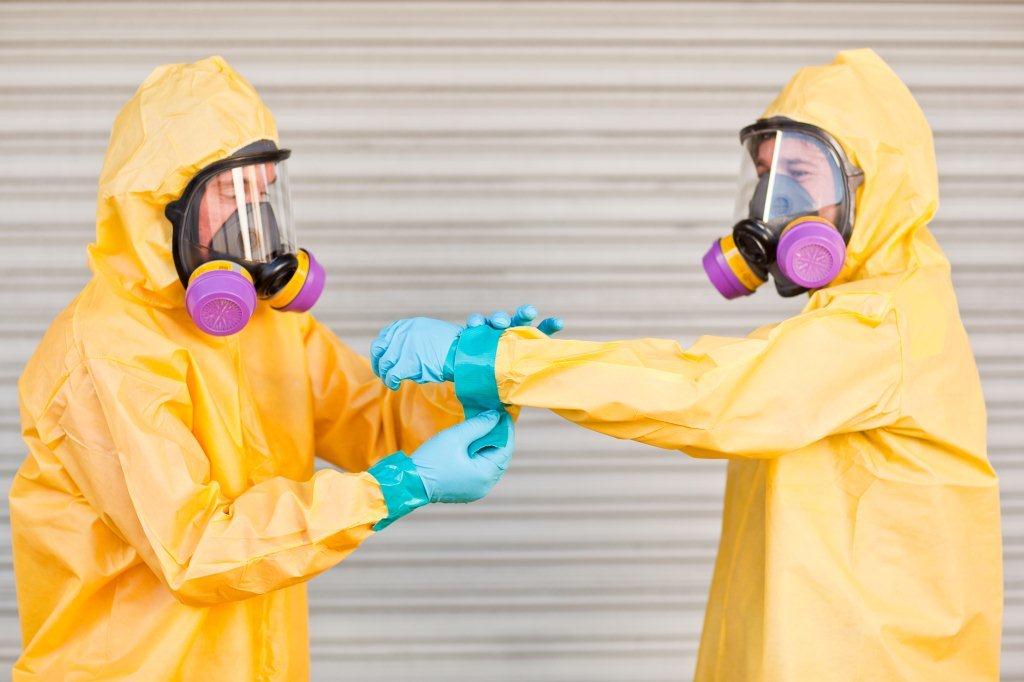
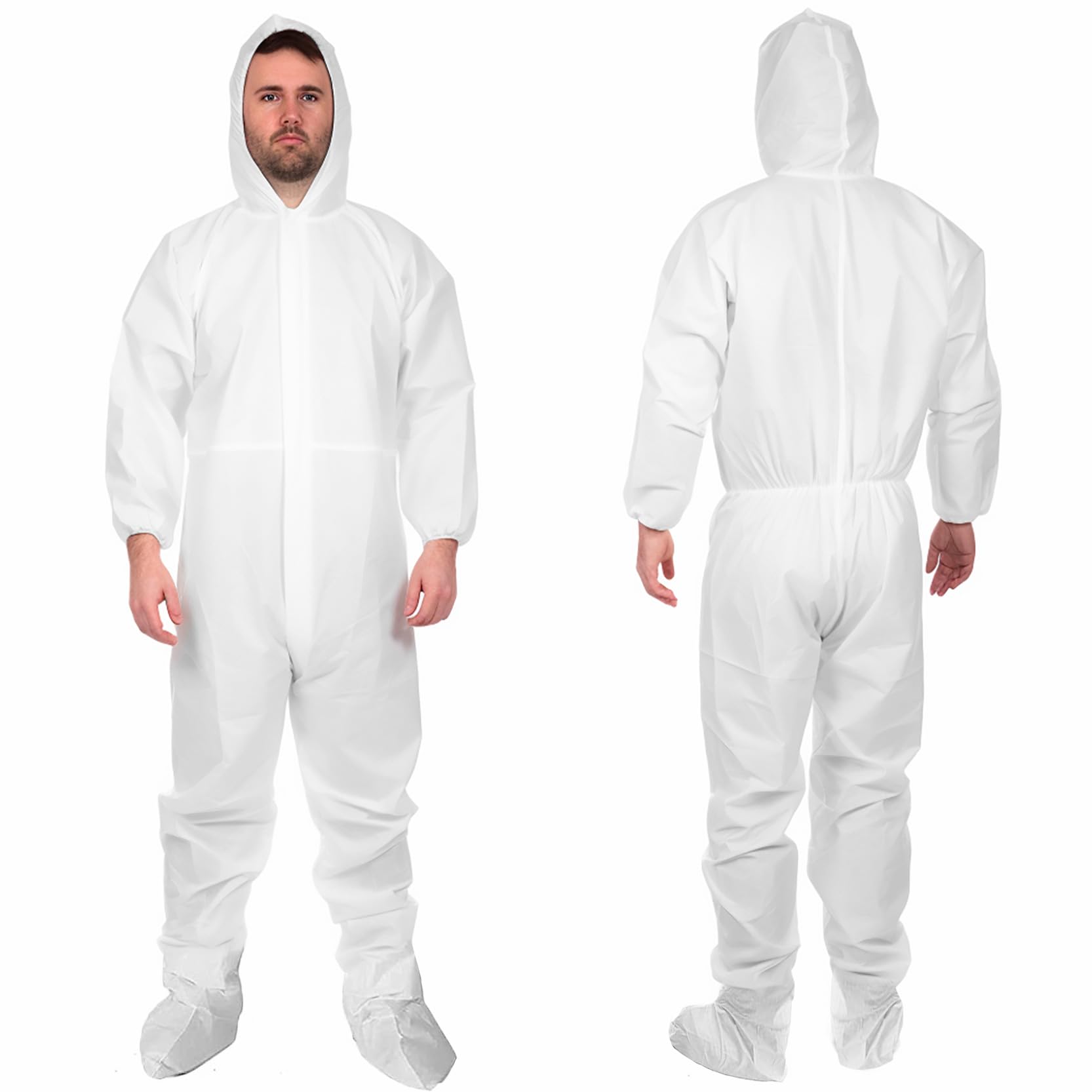
| Coveralls, or protective suits, are vital for protecting the operator's clothing and skin across a larger surface area from mold spore exposure and contamination. Disposable coveralls are highly recommended for mold remediation and related tasks, allowing for easy disposal after use and minimizing the risk of spreading spores to other areas. Coveralls should be constructed from materials that provide a barrier against mold spores and other particulates. Materials like Tyvek or microporous film laminate (MFL) are commonly used for their protective properties and breathability. Full-body coveralls, including a hood and attached boots or boot covers, offer the most comprehensive protection, ensuring that the entire body is shielded. If full-body coveralls are not available, combining standard coveralls with separate boot covers and ensuring a tight seal at the wrists and ankles with gloves and tape is crucial. |
Coverall Type | Material | Protection Level | Key Features |
|---|---|---|---|---|
| Full-Body Disposable Coveralls | Tyvek, MFL, Microporous Film | High, full body coverage | Integrated hood and boot covers, spore barrier | |
| Standard Disposable Coveralls | Polypropylene, SMS | Moderate, body coverage | Lightweight, breathable, may require separate boot covers |
Coveralls should fit snugly but allow for freedom of movement. They should be donned correctly, typically starting with the boots/shoe covers, then legs, arms, and finally the hood and respirator. Sealing any gaps at wrists, ankles, and hood-to-respirator interface with tape can further enhance protection. After use, coveralls should be carefully removed to avoid shaking off spores into the air and disposed of according to safety guidelines.
Waterproof Boots or Foot Covers: Preventing Tracking and Exposure
Footwear is often an overlooked aspect of PPE, but it is equally important in preventing the spread of mold spores and protecting operators' feet. Mold spores can accumulate on floors and surfaces, and without proper footwear protection, spores can be easily tracked to other areas, including the operator's home.
Waterproof boots or disposable shoe covers are recommended for mold upender operators. Waterproof boots protect the feet from moisture in damp environments often associated with mold growth and remediation. They also prevent direct contact with mold spores and contaminated surfaces. Disposable shoe covers, worn over regular work boots, offer a convenient and cost-effective alternative for preventing spore tracking, especially in less heavily contaminated environments. Shoe covers should be anti-slip to reduce the risk of falls, particularly in potentially damp or slippery conditions.
| Footwear Type | Protection Focus | Key Benefits |
|--------------------|-----------------------------|------------------------------------------------|
| Waterproof Boots | Moisture and spore protection | Durable, prevents water penetration, spore barrier |
| Disposable Shoe Covers | Spore tracking prevention | Lightweight, easy to use, cost-effective |
Whether using boots or shoe covers, it's essential to regularly clean or replace them to prevent spore build-up. Disposable shoe covers should be discarded after each use. Boots should be cleaned and disinfected regularly to maintain hygiene and prevent spore dispersal.
The Importance of Training and a Comprehensive Safety Strategy
While providing the right PPE is crucial, it is only one part of a comprehensive safety strategy. Proper training on the correct use, maintenance, and limitations of each piece of PPE is equally important. Operators must be trained on how to don and doff PPE correctly, how to perform respirator fit checks, and how to recognize signs of PPE failure or contamination.
Furthermore, a broader safety protocol should be in place, including:
- Hazard Assessment: Thoroughly assessing the mold contamination level and potential risks before commencing any work.
- Work Area Control: Implementing measures to contain mold spores, such as using containment barriers and negative air pressure systems.
- Hygiene Practices: Emphasizing personal hygiene measures, such as hand washing, showering after work, and avoiding eating or drinking in contaminated areas.
- Emergency Procedures: Establishing clear emergency procedures and ensuring operators are trained in how to respond to accidents or incidents.
By integrating comprehensive PPE use with robust safety protocols and thorough training, organizations can significantly minimize the risks associated with mold handling and mold upender operations, protecting their workforce and ensuring a healthier, safer, and more productive working environment. Investing in the right protective gear and safety infrastructure is not just a matter of compliance—it’s a commitment to the well-being of those on the front lines of mold remediation and material handling.