What DOT Requires When Strapping a Load
Introduction:
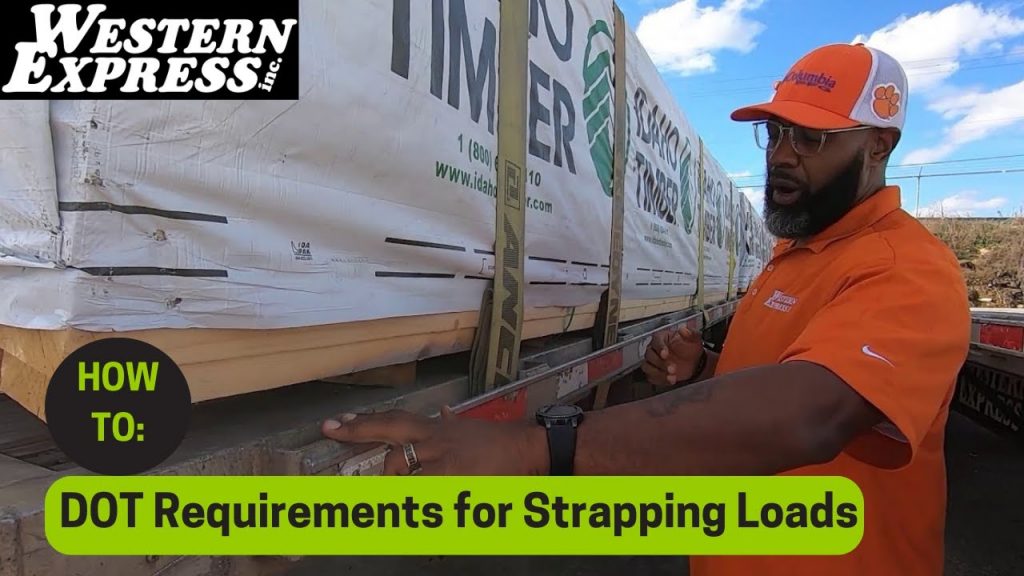
In this informative video, Load Securement Manager Joseph from Western Express provides essential insights into what the Department of Transportation (DOT) requires when it comes to strapping a load. Whether you're a truck driver, logistics professional, or simply interested in learning more about load securement regulations, this video is a must-watch.
Video Content:
This video covers various key points regarding load strapping requirements set by the DOT. Below is a summary of the essential information discussed in the video:
1. Understanding DOT Load Securement Standards:
Joseph starts by explaining the significance of adhering to DOT load securement standards. He highlights the importance of properly securing loads to ensure safety on the roads, prevent accidents, and protect the cargo from damage during transportation.
2. Minimum Breaking Strength:
In this section, Joseph delves into the minimum breaking strength requirements for different types of cargo. He discusses how the DOT determines the strength needed to secure loads based on their weight, size, and characteristics.
3. Types of Load Strapping:
Joseph provides a comprehensive overview of various types of load strapping methods approved by the DOT. This includes:
a. Polyester (PET) Strapping: The use of PET strapping is discussed, including its benefits and suitability for different types of loads.
b. Steel Strapping: The advantages and applications of steel strapping are explored, along with any specific requirements or restrictions imposed by the DOT.
c. Composite Strapping: Joseph explains how composite strapping can be used as a versatile alternative, especially for irregularly shaped loads or those requiring high tension strength.
4. Proper Placement and Tensioning:
The video emphasizes the correct placement of strapping, including the number of straps required, their positioning, and the importance of evenly distributing tension. Joseph provides useful tips on effectively tensioning the straps to maintain load stability and prevent shifting during transit.
5. Inspection and Documentation:
This section covers the crucial aspect of load inspection. Joseph details the DOT's requirements for conducting regular inspections, documenting them appropriately, and addressing any issues discovered during the process.
By following these guidelines, drivers and companies can comply with DOT regulations and enhance the safety and efficiency of their load strapping practices.
Conclusion:
In conclusion, this video serves as an invaluable resource for anyone involved in the transportation industry. Understanding what the DOT requires when strapping a load is paramount to ensure compliance, minimize the risk of accidents, and protect the cargo being transported. Take advantage of Joseph's expert insights and tips to optimize load securement techniques, thereby contributing to safer and more efficient journeys.
Be informed and stay up-to-date with load strapping requirements. Watch the video now to gain invaluable knowledge and enhance your load securement skills!
For more valuable insights and industry updates, visit our website or contact our Load Securement Manager at [email protected] ###
Hashtags: #DOTLoadStrapping #LoadSecurementRegulations #TransportationSafety #CargoProtection #LoadStrappingBestPractices. FHOPE Strapping