Optimizing Floor Design for Efficient Pallet Loading and Changing
Pallet trucks, also known as pallet jacks, are an essential tool for warehouse operations, and their efficiency depends on the design of the warehouse floor. The floor flush design is a favored approach for loading pallets onto trucks easily and changing pallets for stable loads. In this article, we will explore the floor flush design and how it enhances pallet handling in warehouses.
Floor flush design to enable loading of load by pallet trucks
The floor flush design refers to a warehouse floor plan that is level with the pallet truck height. The floor flush design enables easy maneuvering of pallet trucks onto and off the floor. Such a design eliminates the need for ramps or dock plates, making it safer and easier to move products and load pallets.
One of the main advantages of the floor flush design is that it reduces the risk of accidents when loading pallets. With a level floor, pallet trucks can move onto the floor smoothly, and this means that the pallet load is more stable.
Enable Changing of Pallet for Stable Load
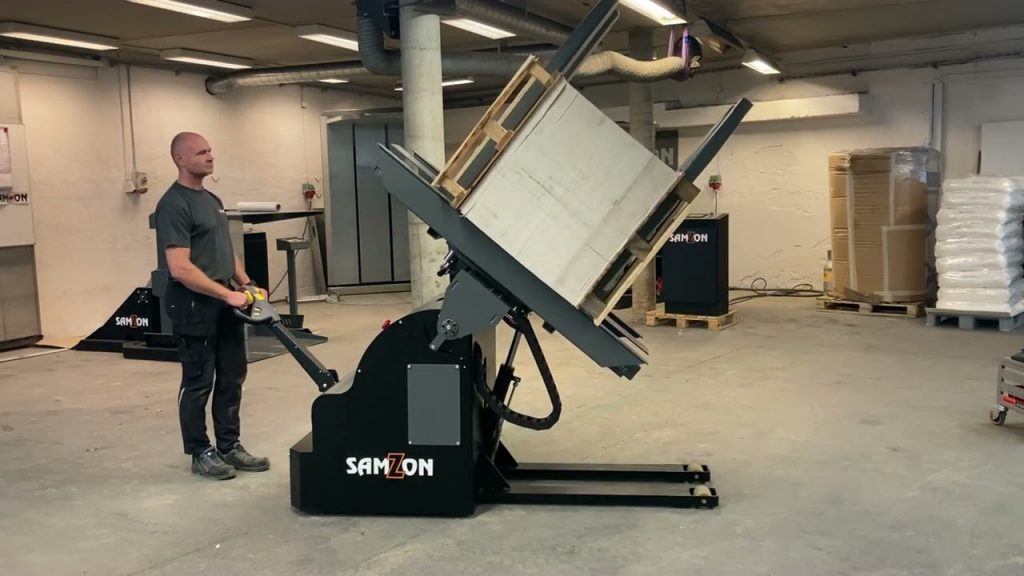
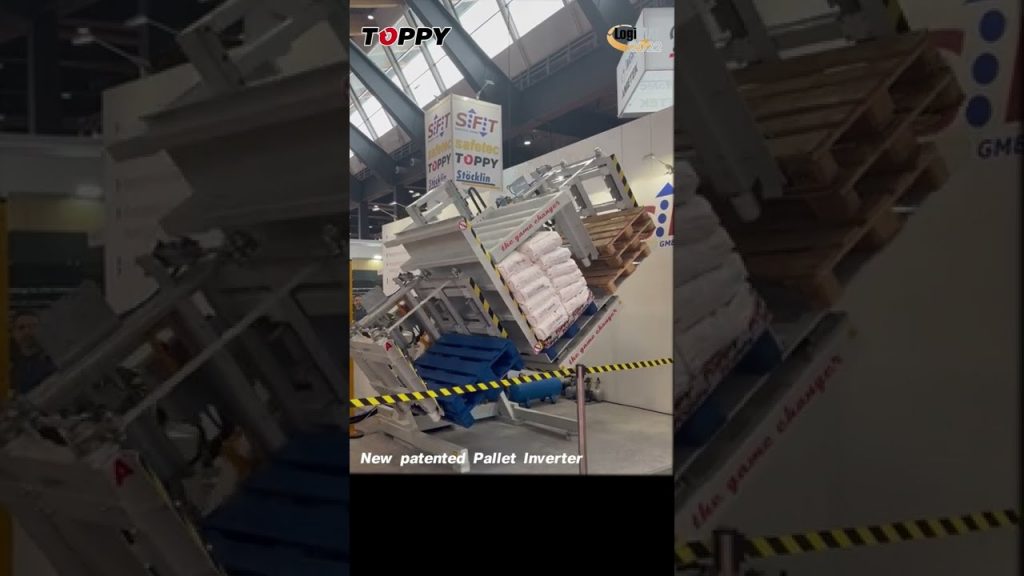
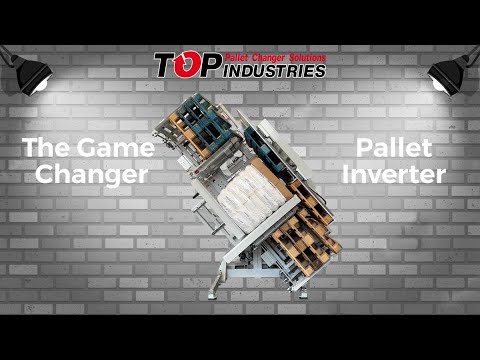
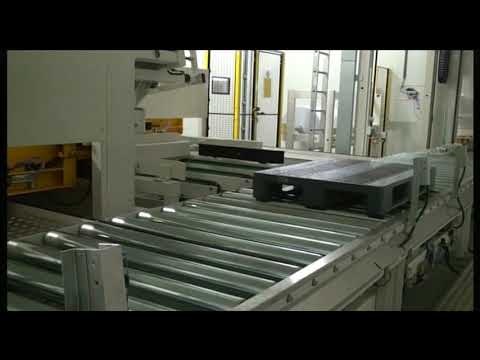
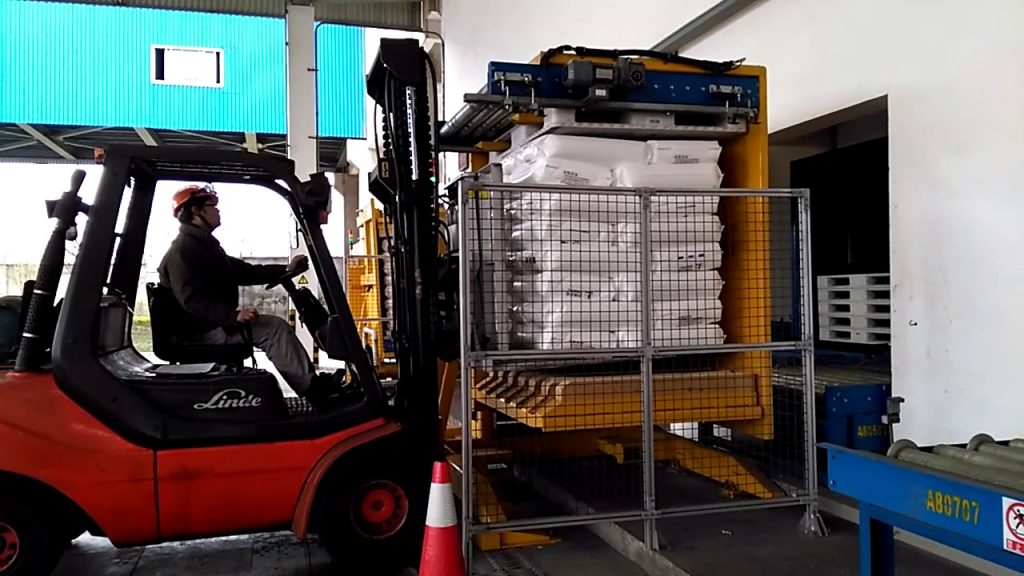
In some warehouse operations, changing pallets is necessary to ensure a stable load. The floor flush design makes changing pallets easier. With the right floor design, pallet inverters facilitate the fast and efficient exchange of pallets while maintaining a stable load.
Specially Design Floor Flush for Better Pallet Handling
To optimize load handling, we recommend a special design for floor flush within warehouse operations. It is essential to take into account the average load size, weight, and storage requirements and adjust racking system designs accordingly. Specialized software, such as Pallet Design System (PDS), can help with this design optimization.
The main features of a well-designed floor flush system, in conjunction with the use of pallet inverters, include:
1. Efficient and quick loading and unloading of pallets;
2. Safe and smooth movement of pallet trucks;
3. Reduced risk of load instability;
4. Optimal use of floor space for storage and flow of pallets.
The innovative design of floor flush facilitates better pallet handling and reduces possible intrusions. The conversion of standard racking systems to floor flush design is cost-effective for warehouse operators seeking to optimize their operation process.
Using Pallet Inverter as an Alternative
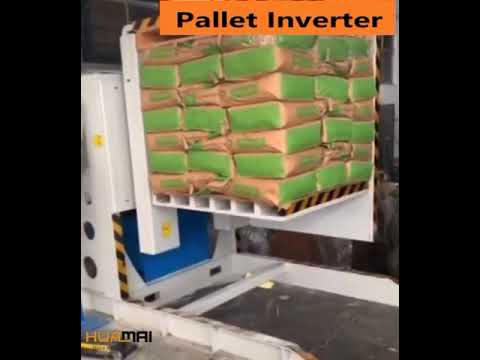
Where floor flush design is not feasible, pallet inverters facilitate the exchange of pallets. Pallet inverters are ideal for warehouses that handle products vertically, such as paper and corrugated boxes, bags, and plastic containers.
The pallet inverter eliminates the need to handle products manually, reduces labor time, and minimizes the risk of product damage. Pallet inverters allow operators to flip the load 180 degrees within seconds, changing one pallet for another of either the same or different dimensions.
Conclusion
A well-designed floor flush system can enhance pallet handling operations in the warehouse by enabling easier pallet loading, changing pallets for a stable load, and providing optimal use of storage space. With the use of pallet inverters, warehouses without a suitable floor flush design can ensure efficient pallet handling and maximizing storage space.
It is essential to tailor the design of a floor flush system to company-specific requirements and find the most effective pallet inverter model as needed. Optimizing pallet handling is essential for enhancing warehouse operations to meet demands efficiently and safely.
pallet inverter #Pallet #inverter