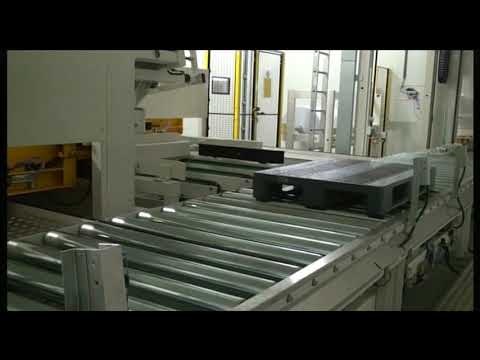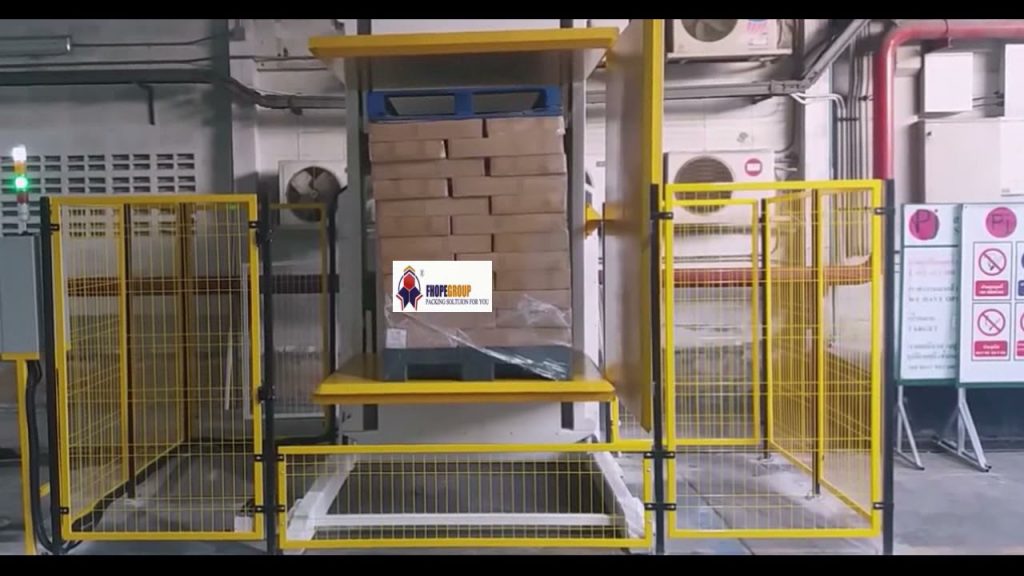
Changing and re moving the pallet by 180 degree rotation through the Pallet Rotator | Pallet Inverter Handling the pallet loading ...
Efficient pallet handling is crucial in any industry that involves large scale transportation or storage of goods. Whether it is in a warehouse, manufacturing unit, or a shipping yard, improper handling of pallets can lead to decreased efficiency, increased costs, and even accidents. A pallet rotator or a pallet inverter can be the perfect equipment to handle these challenges.
What are Pallet Rotators and Pallet Inverters?
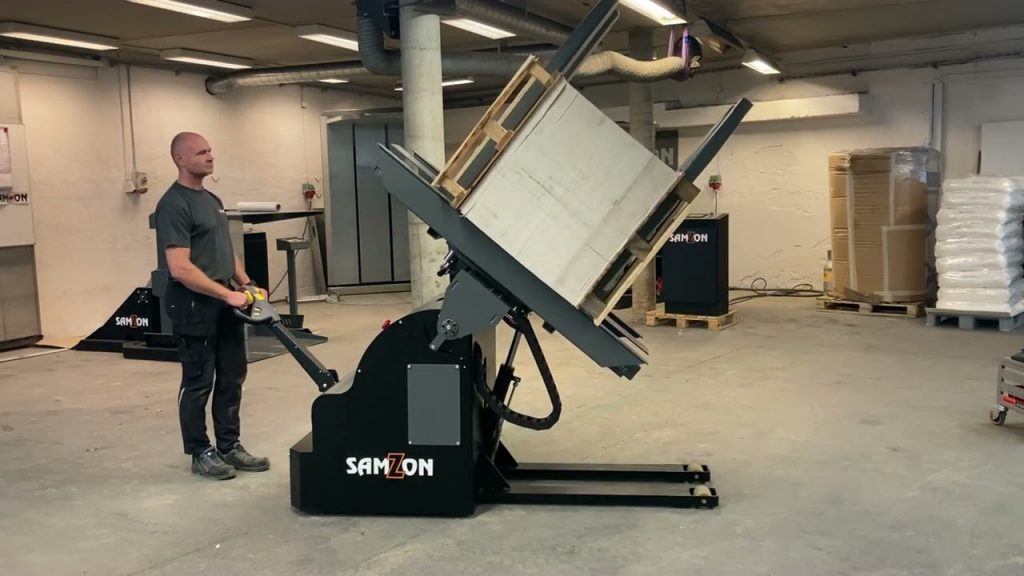
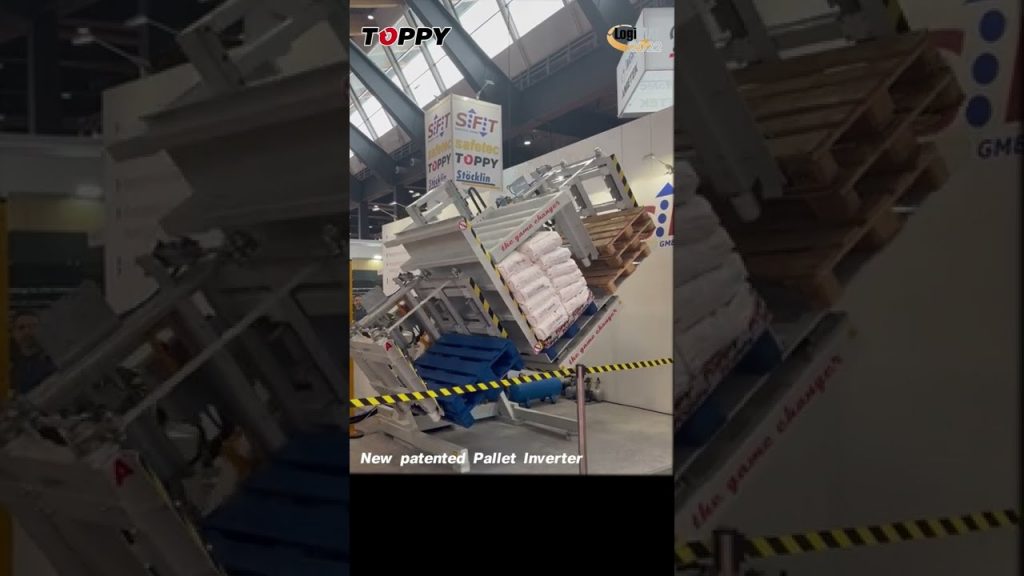
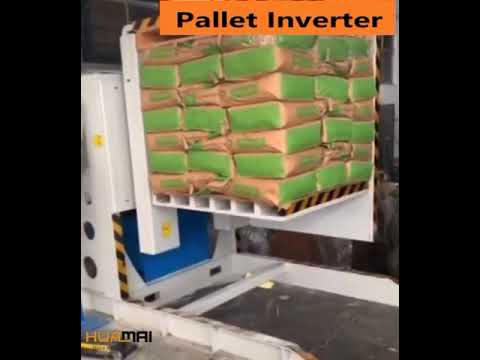
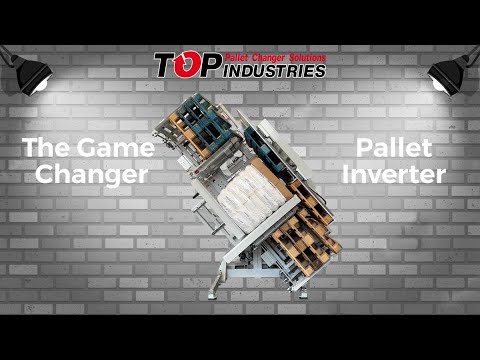
A pallet rotator is an automated machine that is used to rotate a pallet around its vertical axis. The pallet is rotated at a predefined angle, usually 180 degrees. This means that the product that is lying on the pallet can be turned upside down during the process. In contrast, a pallet inverter is used to pick up a pallet and turn it over completely, transferring the goods from one pallet to another.
Why are Pallet Rotators and Pallet Inverters Important?
The primary objective of pallet rotators and pallet inverters is to increase efficiency while maintaining product integrity. With pallet rotators, palletized products can be quickly and safely turned 180 degrees with minimal intervention. This allows for better product quality control, as the goods can be more easily inspected from all angles.
Pallet inverters specifically are designed to handle the challenges posed by damaged pallets. If products are loaded onto a pallet that has defects, it can pose a safety risk to workers, damage the goods, or even cause accidents during transportation. Since pallet inverting machines are capable of transferring products from a damaged pallet onto a new, undamaged one, these risks can be eliminated.
Benefits of Using Pallet Rotators and Pallet Inverters
By using pallet rotators and pallet inverters, businesses can enjoy a range of benefits. These include:
1. Time-saving solution - With pallet rotators and pallet inverters, handling and moving products has never been easier. As a result, workflows are expedited and time is saved.
2. Improved safety - Pallet rotators and pallet inverters operate with safety features in place to minimize the risk of accidents or injury. Workers can thus carry out their tasks with confidence and peace of mind.
3. Increased efficiency - By eliminating the need for manual handling, pallet rotators and pallet inverters allow for faster product transfers and higher throughput.
4. Cost savings - Waived labor costs, less risk of accident and injury, and fewer errors attributed to manual handling, lead to overall cost savings.
When to Use a Pallet Rotator or Pallet Inverter?
Knowing when to use a pallet rotator or pallet inverter is crucial in any material handling operation. Consider using a pallet rotator in scenarios where products have to be inspected from all angles, such as the food and beverages industry, manufacturing, agriculture, and more. Inverter equipment may be used in cases where goods are loaded onto damaged pallets, products require changing of pallet type during transportation or storage, or when the destination of the loaded products is changed suddenly due to unexpected incidents after the cargo is loaded.
When it comes to choosing the right model, there are different types of pallet rotators and pallet inverters available in the market. From low-cost options to heavy-duty models, various solutions with different weight capacities, speed and load rotations to suit your specific industry requirements are available.
In conclusion, pallet rotators and pallet inverters are versatile, efficient, and cost-effective solutions for handling pallets in any industry. These machines are designed to guarantee less downtime while optimizing handling efficiency and product safety, resulting in increased productivity for any business. Depending on specific requirements, choosing the right pallet rotator or pallet inverter is the first step towards the road to more cost-effective and efficient handling solutions.
pallet inverter #Pallet #Rotator #Pallet #Inverter #degree