Palletizing Made Easy with Pallet Inverters
In the food and beverage industry, the proper handling and transportation of goods is crucial in maintaining product quality, ensuring food safety, and meeting regulatory requirements. Palletizing, or the process of loading products onto pallets, is a common practice in the industry. However, palletizing can be a time-consuming and physically demanding task, especially when dealing with heavy or awkwardly shaped goods. Fortunately, pallet inverters offer a practical solution.
What is a Pallet Inverter?
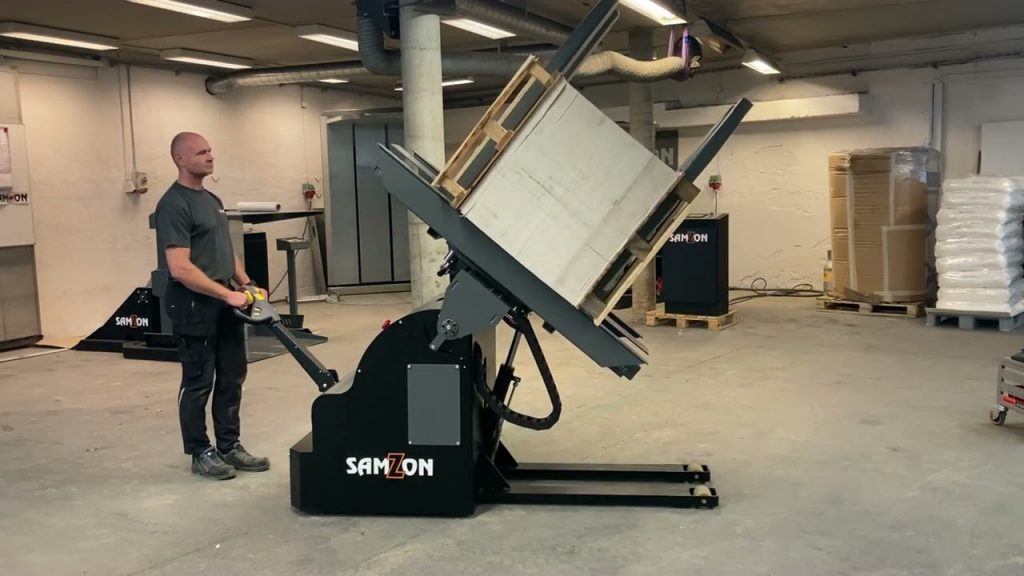
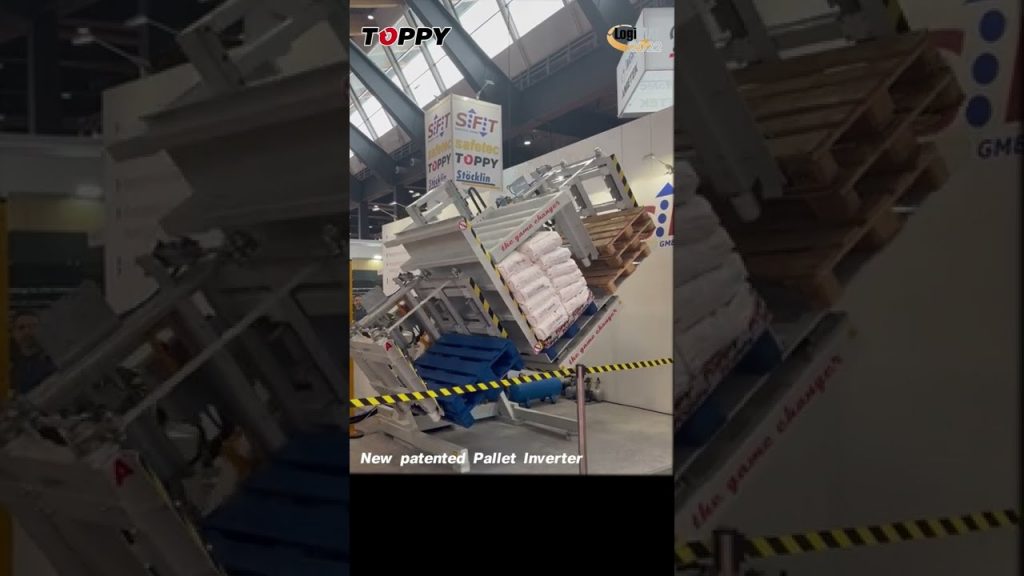
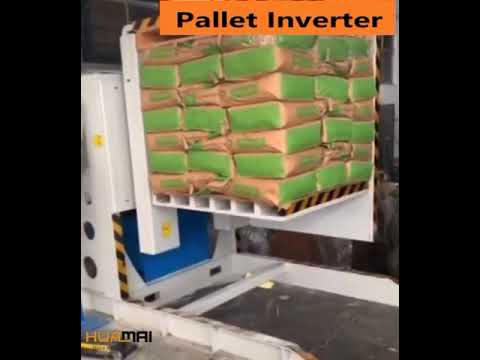
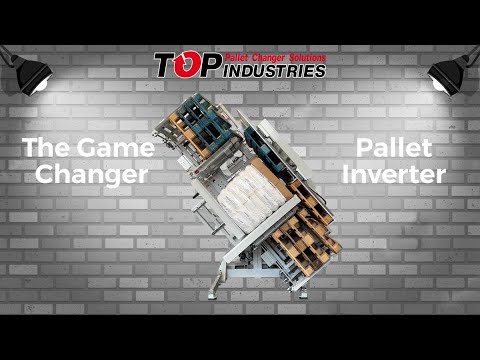
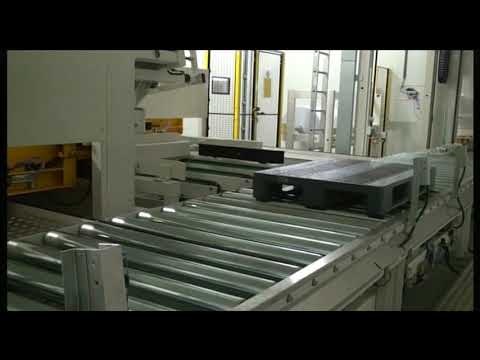
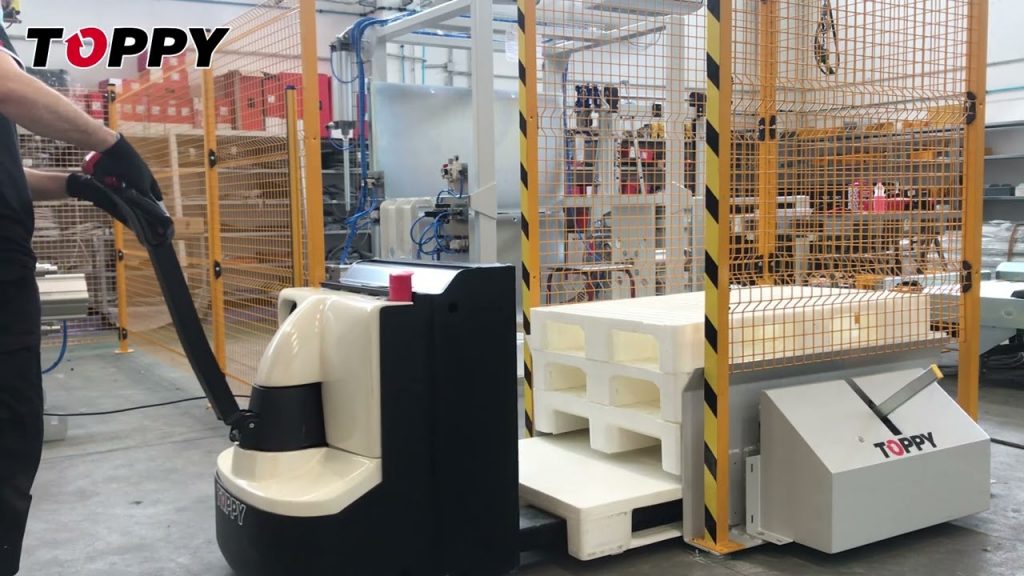
A pallet inverter, also known as a pallet rotator or pallet flipper, is a machine that allows users to rotate a pallet and its load by 180 degrees. In other words, the pallet inverter flips the pallet and its contents upside down to facilitate pallet exchange or product transfer.
Pallet inverters come in various types and sizes to fit different pallet and load specifications. Some pallet inverters are designed for plastic pallets, while others are more suited for wooden pallets. Additionally, pallet inverters can handle different load capacities, ranging from a few hundred pounds to several thousand pounds.
Why Use a Pallet Inverter?
There are several reasons why a company might choose to use a pallet inverter. Here are some of the benefits:
1. Increased Efficiency: Pallet inverters can speed up the palletizing process and reduce the time and labor required to manually transfer products from one pallet to another. This can lead to increased productivity and cost savings.
2. Improved Safety: Moving heavy loads manually can put workers at risk of injury, especially when dealing with awkwardly shaped or unstable products. Using a pallet inverter can reduce the risk of workplace injuries and improve worker safety.
3. Enhanced Product Quality: Flipping the pallet can help redistribute product weight and prevent damage or spoilage of goods. This is especially important for fragile or perishable products such as food and personal care items.
4. Regulatory Compliance: Pallet inverters can help companies meet regulatory requirements for hygiene and safety by preventing contamination and ensuring proper labeling.
Applications of Pallet Inverters
Pallet inverters find applications in various industries where palletizing is common. Here are some examples:
1. Food and Beverage Manufacturing: Pallet inverters are widely used in the food and beverage industry for pallet exchange and product transfer. They help ensure product safety and prevent contamination by flipping pallets and products.
2. Personal Care Products: Pallet inverters are valuable in the personal care industry, where handling and loading of delicate products is vital. Inverting pallets help prevent damage and reduce waste.
3. Pharmaceutical Industry: In the pharmaceutical industry, pallet inverters ensure that products are handled safely and hygienically. They also facilitate easy labeling and tracking of products.
Alternatives to Pallet Inverters
If a company cannot afford or accommodate a pallet inverter, there are some alternatives to consider. For example, UPACK pallet inverters offer a portable and affordable option for companies looking to palletize their products without investing in a fixed pallet inverter system. UPACK pallet inverters can be easily transported to different locations, making them an ideal choice for companies with multiple facilities or those that need flexibility in their operations.
Conclusion
In summary, pallet inverters offer a range of benefits in the food and beverage industry, as well as in other industries where palletizing is common. They help improve efficiency, safety, and product quality, and can help companies meet regulatory requirements. Additionally, there are affordable and portable alternatives available, such as UPACK pallet inverters, for companies that cannot accommodate a fixed pallet inverter system. By investing in a pallet inverter or alternative, companies can streamline their operations and improve their bottom line.