180-Degree Turning of Sheet Metal Plates on a Pallet
Sheet metal plates are an essential component in various industries, including construction, automotive, and manufacturing. As such, their handling, transportation, and storage require the utmost care. One of the most robust and efficient ways to move and store sheet metals safely is by palletizing.
Palletizing involves loading sheet metal plates onto pallets, which can then be transported using forklifts, cranes, or trucks. However, sometimes it may be necessary to turn the plates over to get them in the required position for further processing. In such cases, a 180-degree turning operation can be employed.
This article dives into the 180-degree turning of sheet metal plates on a pallet, highlighting the benefits, the different methods available, and the necessary safety measures.
The Benefits of 180-Degree Turning of Sheet Metal Plates on a Pallet
Sheet metal plates come in various sizes, thicknesses, and shapes. When loading them onto pallets, it may not always be possible to get them into the right orientation for the next process, especially when dealing with large sheets. The 180-degree turning operation offers a solution to this problem, allowing operators to flip the sheets swiftly and efficiently.
By turning the plates over, operators can get them into the required position for easy insertion onto production lines. For instance, when processing sheet metals on laser cutting machines, it is vital to have the sheets positioned correctly to achieve quality output. The 180-degree turning operation enables operators to achieve this without the need to remove and reposition the sheets manually, saving time and effort.
Different Methods of 180-Degree Turning of Sheet Metal Plates on a Pallet
Several methods can be employed to turn sheet metal plates on a pallet. The choice of method will depend on various factors, including the size and weight of the sheets, the available equipment, and the safety considerations. Here are some of the most common methods:
1. Manual flipping
This method involves the use of a hook, rope, or chain attached to the sheet's edge to turn it over manually. It requires physical effort and may not be suitable for large and heavy sheets.
2. Electric flipper
An electric flipper is a mechanical device that clamps onto the sheet's edge and flips it over using an electric motor. This method is useful for small and medium-sized sheets and can be operated by one person.
3. Hydraulic flipper
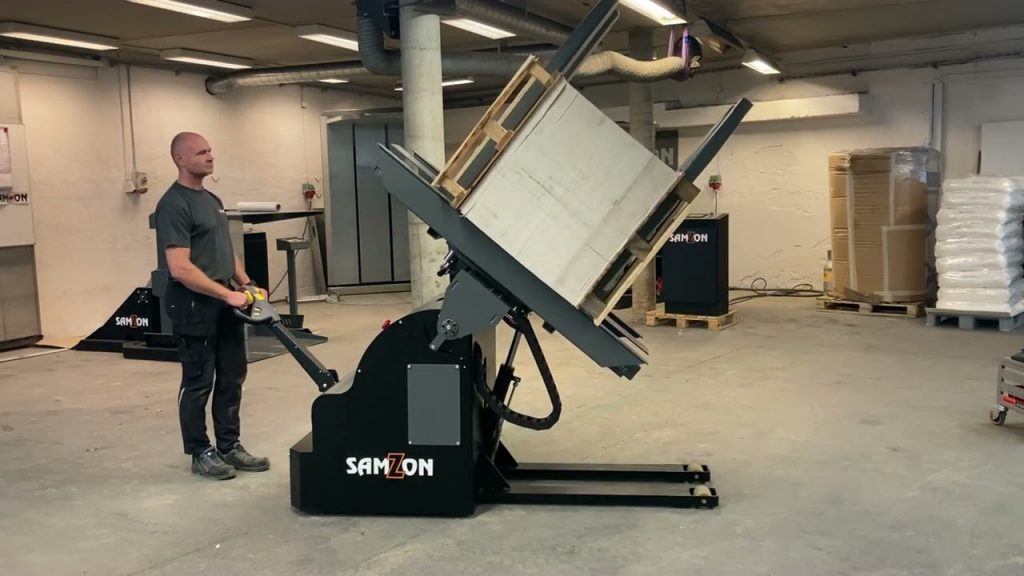
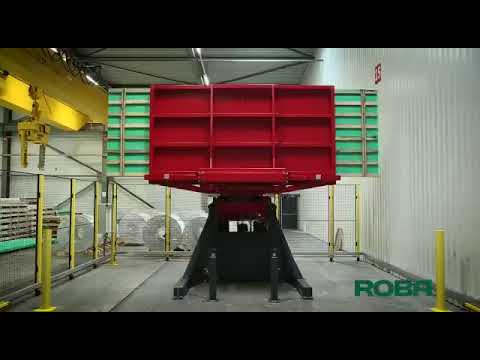
A hydraulic flipper operates using high-pressure hydraulic fluid to turn over heavy and bulky sheets. It requires specialized equipment and trained personnel to operate safely.
Safety Measures
Regardless of the method used to turn sheet metal plates on a pallet, safety must be a top priority. Here are some vital safety measures to observe:
1. Adequate training
All operators must be adequately trained on the safe use of the equipment used for the 180-degree turning operation.
2. Inspection of equipment
Before each operation, equipment should be inspected for any defects, damage, or signs of wear and tear.
3. Personal protective equipment (PPE)
Operators should wear appropriate PPE, including safety goggles, gloves, and hardhats, when handling sheet metal plates.
4. Secure the load
The sheet metal plates must be secured to the pallet using suitable fasteners to prevent them from slipping or falling during the turning operation.
Visual Aids
To enhance the readability of this article, relevant visual aids such as images and diagrams can be included. For instance, images of the different methods of 180-degree turning or diagrams showing ideal pallet placement and orientation can be used.
Conclusion
The safe and efficient handling of sheet metal plates on a pallet requires careful consideration of various factors, including the need for 180-degree turning. The different turning methods available, along with the necessary safety measures, must be evaluated, and only qualified personnel should be entrusted to operate the equipment. Employing the best practices outlined in this article will ensure the efficient and safe handling of sheet metal plates.