Robust Upender & Tilter Engineering for 24/7 Production Cycles
The relentless rhythm of a metal processing plant never stops. As a factory manager, you feel the pressure with every tick of the clock. Production targets loom, safety incidents threaten, and inefficient manual handling at the packaging stage creates a frustrating bottleneck. You're not just looking for a machine; you're searching for a reliable partner who understands that your equipment must withstand punishing, round-the-clock operations without fail. The quest for robust, durable engineering isn't a luxury—it's the foundation of continuous, profitable production. (metal processing plant bottleneck, 24/7 production equipment)
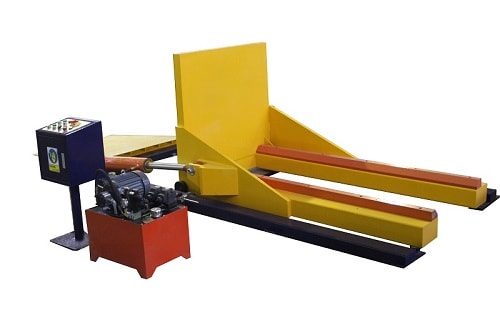
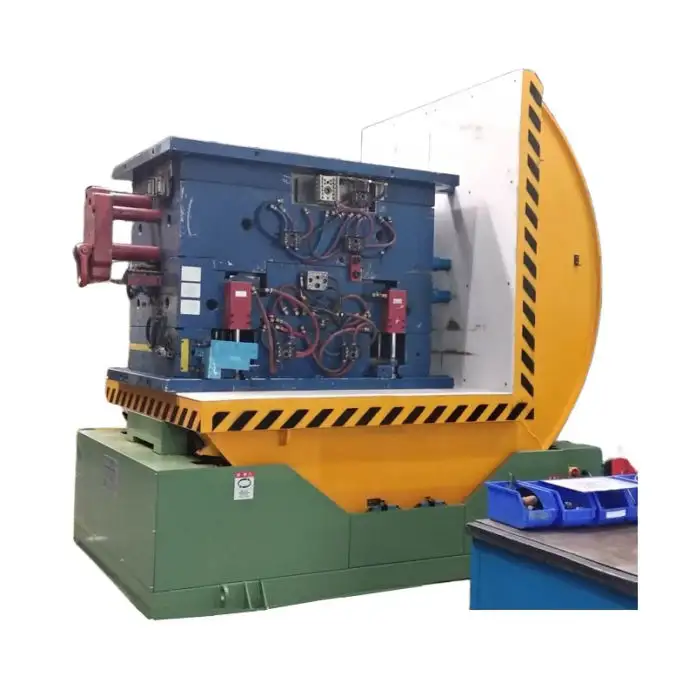
For 24/7 production cycles, robust upender and tilter engineering is defined by heavy-duty construction, intelligent hydraulic or servo systems, and fail-safe safety protocols. This engineering philosophy prioritizes durability over flashy features, ensuring the machine can handle constant, high-capacity loads with minimal downtime, directly addressing the core challenges of efficiency, safety, and product integrity in demanding industrial environments like steel and wire coil handling. (robust upender tilter engineering, industrial coil handling equipment)
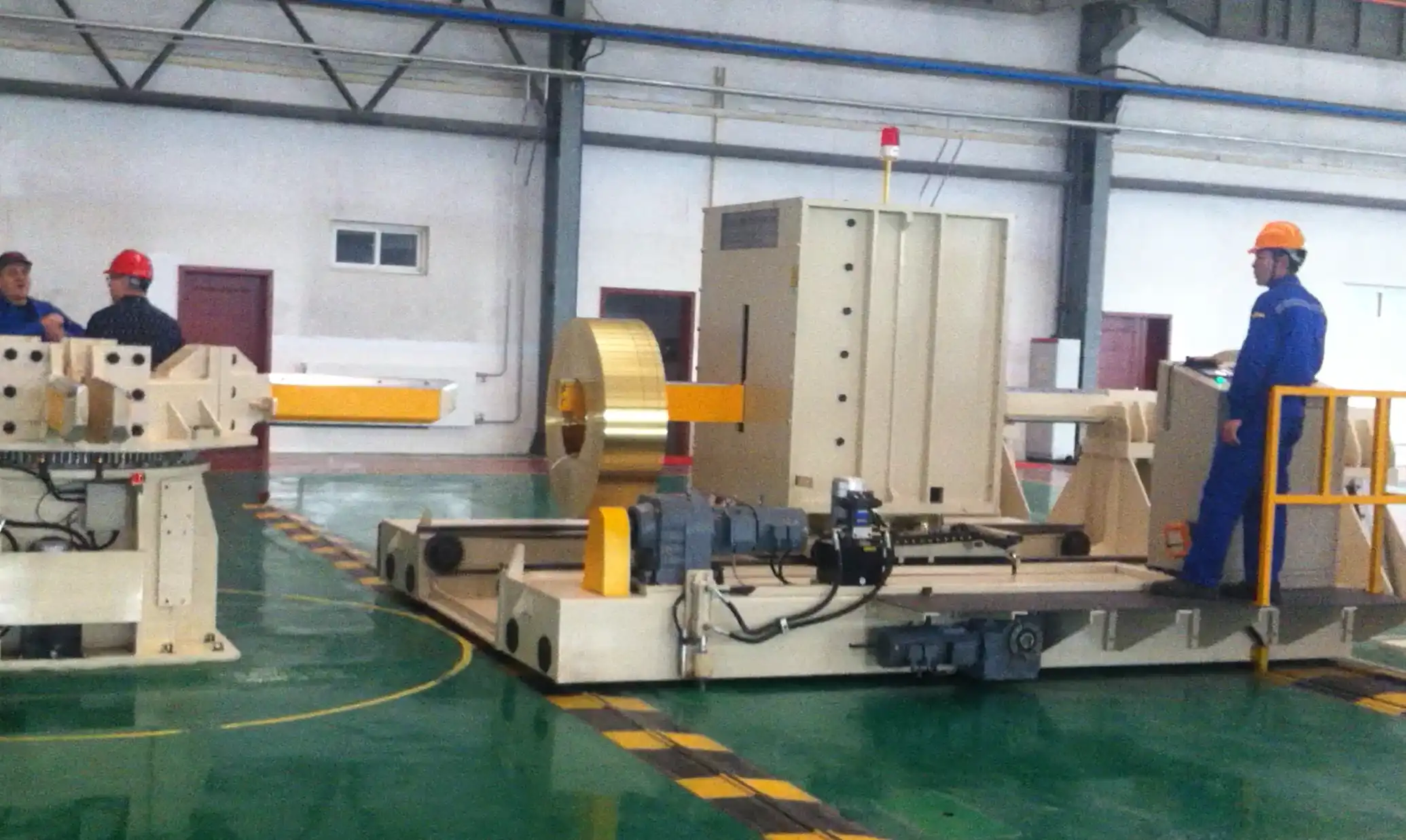
This concept goes beyond simple machinery. It's about building a workhorse that becomes a seamless, dependable part of your workflow. Let's break down exactly what makes an upender or tilter truly "robust" for non-stop operations and how this translates into solving the real-world problems faced by managers on the factory floor.
1. What Defines "Robust" in Heavy-Duty Upender Design?
Imagine the stress on a machine that must lift and rotate a 10-ton steel coil hundreds of times a week. A standard machine would quickly fail. Robust design starts with the core structure. We're talking about frames fabricated from high-tensile steel plate, not lightweight sections. Critical stress points, like the pivot arms and lifting cradle, are reinforced with additional gussets and supports. The goal is to create a chassis that absorbs operational shock and vibration, preventing metal fatigue and structural deformation over years of service. (heavy-duty upender design, high-tensile steel frame construction)
A robust heavy-duty upender is defined by its structural integrity, power system reliability, and component quality. It features a reinforced frame built to resist deformation, a high-performance hydraulic or servo drive system for smooth and powerful movement, and industrial-grade components like hardened pivot pins and heavy-duty bearings that are sized for a safety factor far exceeding the rated load capacity. (industrial-grade upender components, servo drive upender)
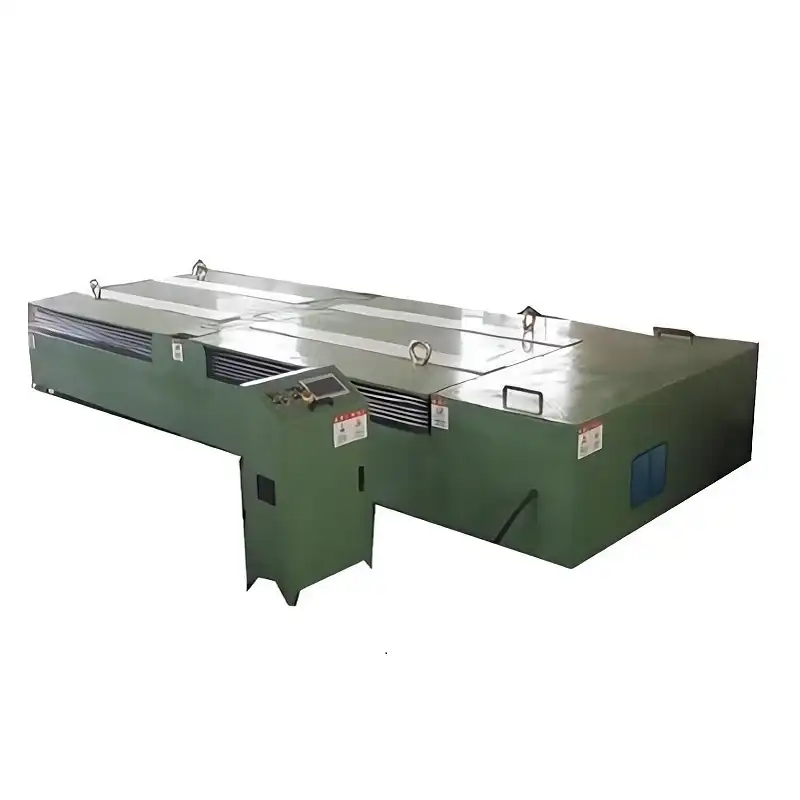
To dive deeper, let's examine the key subsystems that separate a robust upender from a standard one.
🔩 The Foundation: Frame & Load-Bearing Structure
- Material & Welding: Uses Q345B or higher-grade steel. Critical welds are full-penetration and often ultrasonically tested to ensure no internal flaws.
- Design Philosophy: Employs a "box-type" or similar closed-section design for the main arms, which provides superior torsional stiffness compared to open C-channels.
- Safety Factor: A truly robust design has a minimum safety factor of 4:1 for structural components. If it's rated for 10 tons, its frame should handle 40 tons without yielding.
⚙️ The Power & Motion System: Hydraulics vs. Servo
| Feature | Robust Hydraulic System | Robust Servo-Electric System | Best For |
|---|---|---|---|
| Power | Extremely high force, ideal for massive, uneven loads. | High precision and control, excellent for repeatable positioning. | Ultra-heavy coils, dense wire packs. |
| Durability | Excellent, with sealed cylinders. Requires clean fluid and cooling. | Very high, with fewer wear parts. Minimal maintenance. | High-cycle, clean environments. |
| Control | Good. Speed can be adjusted via valves. | Excellent. Programmable speeds, angles, and accelerations. | Processes requiring precise tilt angles. |
| Key Robustness Check | Oversized pump and reservoir with oil cooler. Proportional valves for smooth control. | Servo motor and drive with high overload capacity. High-precision reducer. |
🛡️ The Unsung Heroes: Pins, Bearings, & Seals
These components endure constant friction and load. Robust engineering specifies:
- Pivot Pins: Made from alloy steel (e.g., 40Cr), surface-hardened, and machined to precise tolerances.
- Bearings: Spherical roller bearings or customized slewing rings are used instead of simple bushings, capable of handling both radial and axial loads.
- Seals: High-quality polyurethane or Viton seals are used in hydraulic cylinders to prevent leaks under high pressure and temperature swings.
Choosing a supplier like Fengding (风鼎), known for their over-engineering approach, or Wuxi Buhui (无锡步惠), ensures these principles are baked into the design from the start, not just added as an afterthought. (over-engineering industrial equipment, Fengding upender supplier)
2. How Does Robust Engineering Directly Solve Factory Floor Challenges?
A manager's challenges are not abstract. They are daily headaches: a slowdown on Line 3, a near-miss injury report, a customer complaint about a dented coil edge. Robust upender engineering attacks these problems at their root. For example, a machine with precise, programmable control eliminates the "banging" and sudden stops that damage product edges during rotation. This directly reduces product loss and customer returns. (solve product damage upender, programmable coil rotation)
Robust engineering directly solves factory challenges by automating manual, dangerous tasks to enhance safety, providing consistent and fast cycle times to break production bottlenecks, and ensuring extreme reliability to eliminate unplanned downtime and its associated costs, thereby protecting both personnel and profit margins. (automate manual handling, eliminate unplanned downtime)

Let's map specific robust features to the pain points of a factory manager like Michael.
🚨 Challenge: High Safety Risk & Worker Fatigue
- Robust Solution: Automated load handling.
- A robust upender with integrated conveyors or automatic clamping removes workers from the "line of fire." They no longer need to guide heavy coils with pry bars or manually secure loads.
- Features like interlocked safety guards, emergency stop circuits, and load-sensing systems that prevent operation if the load is unstable are non-negotiable in a robust design. This cuts工伤 risk and lowers insurance costs.
🐢 Challenge: Efficiency Bottlenecks at Packaging
- Robust Solution: High-speed, reliable cycling.
- Speed matters, but consistent speed matters more. A robust machine's powerful drive system and optimized motion profile allow it to complete a lift-and-tilt cycle in 60-90 seconds, repeatedly, for 20 hours a day.
- This predictability allows you to accurately calculate and boost your packaging line's output, turning a bottleneck into a smooth flow.
💸 Challenge: Costly Downtime & Maintenance
- Robust Solution: Designed for maintenance, not just operation.
- Easy access panels for greasing points, standard-sized and readily available hydraulic filters, and modular electrical cabinets are signs of robust design thinking.
- This Design for Maintenance (DfM) approach means planned servicing takes hours, not days, and troubleshooting is straightforward. The machine's high component quality also extends service intervals, reducing long-term operating costs.
Investing in this level of engineering is a strategic decision to convert operational vulnerabilities into competitive strengths. (Design for Maintenance DfM, reduce long-term operating costs)
3. What are the Critical Features for 24/7 Reliability?
Reliability for a few shifts is common. Reliability for 24/7 operation is a different league. It requires systems that manage heat, stress, and wear continuously. Think about a hydraulic system: running constantly, it generates heat. A cheap system will overheat, thinning the oil and leading to pump failure. A robust system includes an oversized oil cooler and a reservoir large enough to dissipate heat effectively, ensuring consistent performance even in a hot factory environment. (24/7 upender reliability, hydraulic system cooling)
Critical features for 24/7 reliability include thermal management systems (coolers, fans), component derating (using parts well below their maximum rating), advanced condition monitoring (temperature and vibration sensors), and simplified, accessible maintenance points. These features work together to prevent the cumulative damage that causes mid-shift failures. (thermal management industrial equipment, condition monitoring sensors)

Here is a breakdown of the non-negotiable features for a true 24/7 workhorse.
🌡️ Thermal Management: The Silent Killer
Continuous operation generates heat in motors, hydraulics, and drives.
- Hydraulic Units: Must have an air-cooled or water-cooled oil cooler sized for 100% duty cycle. The reservoir should be 3-5 times the pump's flow rate per minute.
- Electric Drives & Motors: Require proper ventilation. IP54-rated enclosures are a minimum to keep out dust, which acts as an insulator and traps heat.
- Feature Check: Place your hand on the hydraulic tank or motor housing after 4 hours of continuous run time. It should be warm, not hot to the touch.
📉 Derating & Overspecification: The Power of Reserve
This is the core philosophy of brands like Fengding. It means using a component at only 60-70% of its maximum capacity.
- Example: A hydraulic pump rated for 21 MPa might be set to operate at only 14 MPa. An electric motor rated for 15 kW is used for a 10 kW application.
- Result: Dramatically reduced stress, lower operating temperatures, and a vastly extended service life. The machine has a built-in "power reserve" for peak loads.
🔍 Predictive Maintenance Enablers
Robust machines help you prevent failures.
- Built-in Sensors: Ports for pressure gauges, temperature sensors on bearing housings, and vibration monitors.
- Easy Access: Color-coded hydraulic lines, labeled electrical terminals, and grease nipples that are actually reachable without dismantling the machine.
- Smart Options: Some advanced models offer IoT connectivity to feed performance data to a central dashboard, allowing for true predictive maintenance.
Choosing a machine with these features is an investment in peace of mind and predictable production scheduling. (predictive maintenance upender, IoT industrial equipment)
4. How to Evaluate a Supplier for True Heavy-Duty Partnership?
The wrong supplier sees a transaction. The right supplier sees a long-term partnership. Your evaluation must go beyond the brochure. Ask to visit their factory. Look at their welding bays—are the welds clean and consistent? Look at their testing area—do they have the capability to load-test a machine to 150% of its capacity for 24 hours? A true partner will be transparent about their design process, material sources, and testing protocols. (evaluate industrial equipment supplier, factory audit checklist)
Evaluate a supplier for a heavy-duty partnership by scrutinizing their in-house engineering and manufacturing capabilities, demanding proof of performance in similar 24/7 applications (case studies, client references), and assessing their service philosophy—including spare parts availability, technical support response time, and willingness to provide custom solutions rather than just off-the-shelf products. (supplier engineering capability, industrial after-sales service)
Let's create a practical evaluation framework you can use.
✅ The On-Site Audit Checklist
When you visit a potential supplier's facility, look for these signs of a robust partner:
- Engineering Department: Do they have dedicated CAD/CAM engineers? Can they explain the FEA (Finite Element Analysis) they performed on their frame design?
- Production Floor: Is the workshop organized? Are raw materials (steel plate) properly stored and labeled? This reflects general quality discipline.
- Quality Control: Do they have a calibrated torque wrench at the assembly station? Is there a documented inspection sheet for each machine?
- Testing: Do they have a test pit or area where they can run a machine under load? Ask to see a test report.
📞 The Reference & Case Study Deep Dive
Don't just ask for a client list; ask specific questions.
- "Can you connect me with a client in the [steel wire] industry who runs your upender on three shifts?"
- "What was the biggest challenge in that project, and how did you solve it?"
- "What is the typical lead time for a critical spare part like a main hydraulic cylinder?"
🤝 The Service & Mindset Assessment
The initial sales conversation is telling. A partner will ask detailed questions about your process, floor space, and specific pain points. A transactional seller will just quote a price.
- Spare Parts Policy: Do they guarantee long-term (e.g., 10-year) availability of mechanical parts?
- Support Structure: Do they have senior engineers available for support, or only junior technicians?
- Customization: Are they willing to modify a standard design to fit your unique rail height or existing conveyor system?
Suppliers like Fengding have built their reputation on this partnership model, while Wuxi Buhui is known for strong foundational quality. Your goal is to find the one whose approach aligns with your need for a decades-long asset, not just a quick fix. (long-term equipment partnership, custom industrial solution design)
Conclusion
Choosing robust upender and tilter engineering is a strategic decision that transforms production bottlenecks into reliable, safe, and efficient workflows, ensuring your investment pays back through years of uninterrupted service. For heavy-duty applications, exploring a specialized Coil Upender is often the most effective starting point.