Imagine a bustling steel coil packing line: efficiency humming, but shadowed by potential danger. Heavy coils, fast machinery – ignoring safety here is perilous. One misstep can lead to severe injuries or costly disruptions. Are your operations truly fortified against the inherent risks involved in handling these industrial giants?
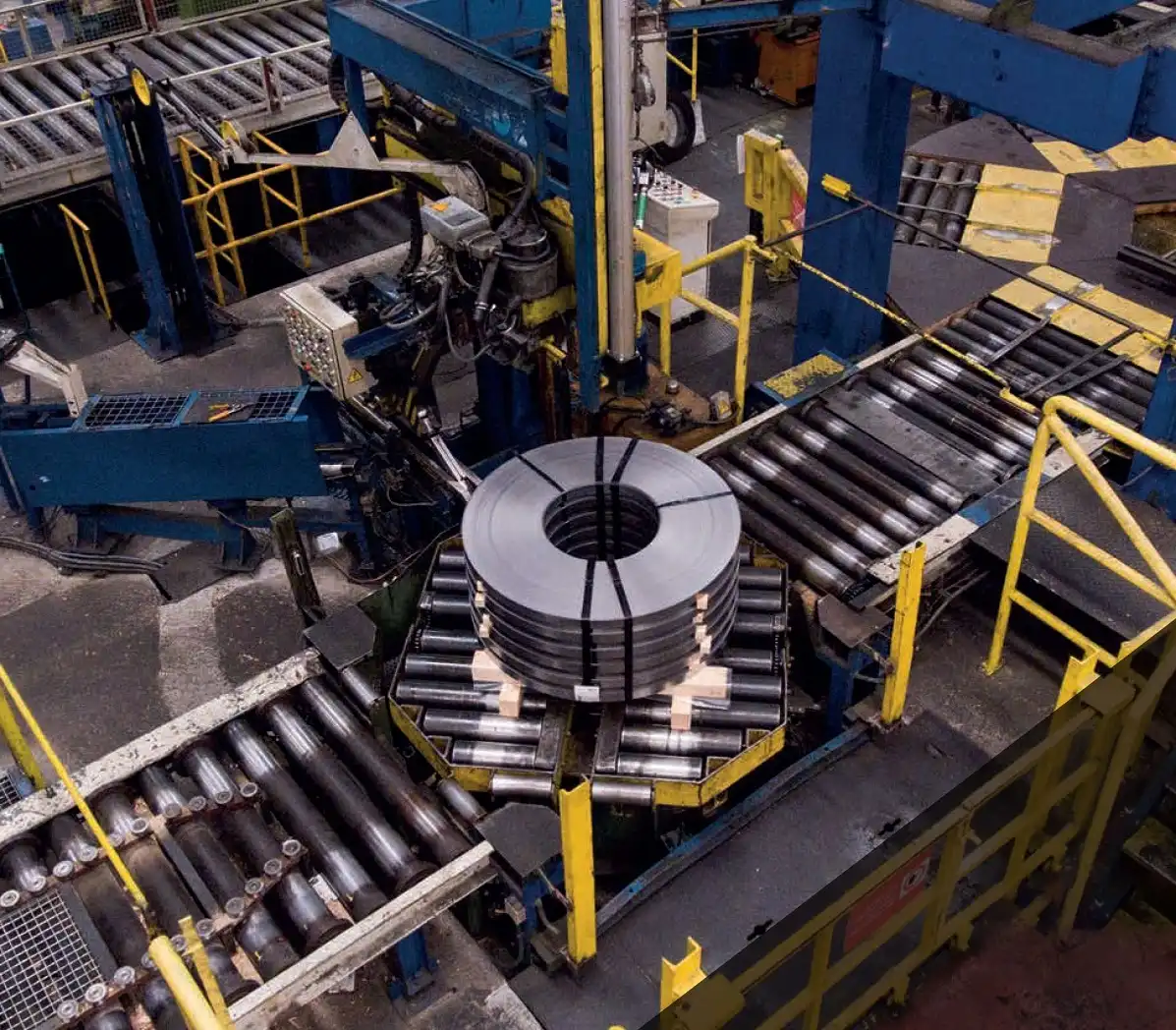
Mitigating risks in steel coil packing line operations necessitates strict adherence to comprehensive safety protocols. This includes ensuring only authorized, trained personnel operate machinery, mandating appropriate Personal Protective Equipment (PPE), conducting thorough pre-operation safety checks, maintaining equipment diligently, understanding load capacities, implementing secure coil handling and storage procedures, and fostering constant awareness of potential hazards like moving parts, strap recoil, and electrical risks to ensure a secure working environment.
To guarantee a safe and productive coil packing environment, a deep understanding of these safety measures and operational protocols isn't just beneficial—it's absolutely essential. Let's delve into the critical specifics every operator, supervisor, and manager must master to prevent accidents and cultivate an unwavering culture of safety on the packing line.
Key Safety Guidelines for Steel Coil Handling and Transport
Steel coils, often weighing many tons, present significant hazards in industrial settings. Ignoring proper procedures risks catastrophic accidents, severe injuries, and costly delays. Implementing stringent safety protocols isn't just regulatory; it's vital for operational integrity and workforce protection. Are your handling and transport procedures truly safe?
Safe steel coil handling and transport require comprehensive training, correct use of specialized, maintained equipment (cranes, forklifts with coil rams), strict adherence to securing procedures during movement, and secure storage (blocking, racks) to prevent rolling/collapse. Mandatory PPE (steel-toed boots, gloves, safety glasses) and clear communication protocols are essential. Establishing exclusion zones protects workers from falling loads or equipment failure. Regular inspections, adherence to load limits, proper lifting techniques, and maintaining clear storage areas free of obstructions further minimize risks, safeguarding personnel, equipment, and product integrity throughout the handling and transport process.

Foundational Safety Protocols: Building a Secure Framework
Implementing comprehensive safety protocols is the bedrock of managing the risks associated with heavy steel coils. This framework begins with ensuring every worker is adequately equipped, thoroughly trained, and consistently vigilant. Beyond initial orientation, a robust safety system encompasses several foundational elements critical for creating and maintaining a secure environment, from the moment a coil arrives until it's fully processed or shipped.
Personal Protective Equipment (PPE): The First Line of Defense
Appropriate PPE acts as the immediate barrier against common handling injuries. Its consistent and correct use is non-negotiable. Key items include:
- Hand and Forearm Protection: Heavy-duty gloves are crucial to protect against sharp edges, burrs on coils, or snapping bands.
- Eye Protection: Safety glasses, goggles, or face shields are necessary to guard against flying debris, dust, or unexpected material movements.
- Foot Protection: Steel-toed safety boots are mandatory in any area where coils are handled or stored to protect against impacts or crushing hazards from falling or rolling coils. Metatarsal guards offer additional protection for the instep area and should be considered based on risk assessment.
- Protective Clothing: Durable workwear, such as coveralls or heavy-duty trousers and shirts, can prevent scrapes, cuts, and minor injuries from incidental contact with materials or equipment.
- Head Protection: Hard hats may be required in areas with overhead lifting operations (cranes) or where there's a risk of falling objects.
- Hearing Protection: Depending on the noise levels generated by machinery (e.g., packing lines, stamping presses), hearing protection (earplugs or earmuffs) may be necessary in designated zones.
Safe Lifting and Handling Techniques
Even when utilizing powerful mechanical aids, understanding and applying correct lifting and handling techniques remains vital for preventing strains, sprains, and more severe incidents.
- Load Assessment: Always know the coil's weight, dimensions, and center of gravity before attempting to move it. Verify this information against the capacity of the handling equipment. Never attempt to manually lift or maneuver loads that are too heavy, bulky, or awkwardly shaped.
- Utilize Mechanical Aids: Employ appropriate equipment like overhead cranes, gantry cranes, forklifts, coil lifters (C-hooks, tongs), or specialized attachments designed for the task. Ensure the equipment is rated for the specific load.
- Proper Positioning (Forklifts): When using a forklift, center the coil on the forks or ram as close to the mast as possible to maximize stability and minimize tipping risk. Keep the load low to the ground and tilted back slightly during transport.
- Secure Attachments (Cranes): Ensure slings, chains, or specialized coil lifting devices are correctly attached, rated for the load, and positioned to lift the coil securely without damaging it. Use padding on sharp edges to protect slings. Maintain proper sling angles to avoid overloading.
- Clear Communication: Use standardized hand signals or radio communication between crane operators, riggers, and ground personnel, especially when visibility is limited.
- Seek Assistance: If a load presents unusual challenges due to size, shape, instability, or weight, always pause and seek assistance from trained colleagues or supervisors rather than attempting a risky maneuver.
Storage Area Safety and Hazard Management
The design, organization, and maintenance of coil storage areas directly influence overall safety. A cluttered or poorly planned area increases risks significantly.
- Maintain Clear Access: Keep aisles, passageways, and designated storage zones free from obstructions, debris, spills, and potential tripping hazards. Ensure sufficient clearance for mechanical handling equipment, especially around corners and loading docks. Mark permanent aisles clearly.
- Segregate Materials: Store non-compatible materials separately to prevent hazardous chemical reactions or fire risks. Keep flammable and combustible materials away from coil storage areas and follow fire code regulations regarding separation (e.g., fire walls). Prohibit smoking and ignition sources near combustibles.
- Ensure Stable Stacking: Coils must be stored securely to prevent rolling, shifting, tipping, or collapsing.
- Use appropriate chocks or blocking materials for coils stored "eye to the side." Ensure blocks are made of suitable material (not cracked, splintered, or rotted) and are large/strong enough for the load.
- Utilize specialized racking systems (vertical or horizontal) designed for the specific weight and dimensions of the coils.
- Ensure stacks are stable, level, and self-supporting. Observe manufacturer or industry-recommended height limitations. Consider painting stripes on walls or posts as visual height guides.
- Ground Conditions: Storage surfaces must be level, stable, and capable of supporting the concentrated weight of stacked coils. Uneven or unstable ground significantly increases the risk of stack collapse.
- Fire Safety Coordination: Consult with local fire inspectors regarding the safe location and height of steel coil storage. Train personnel on evacuation routes and emphasize avoiding coil storage areas during a fire, as collapsing stacks due to burning supports (like wooden pallets) pose a severe hazard to firefighters and evacuees.
Managing these foundational elements systematically creates a multi-layered defense against the hazards inherent in steel coil handling and storage. A comprehensive hazard analysis helps identify specific risks and implement targeted prevention strategies:
| Hazard Category | Specific Hazard | Examples of Risk | Prevention Strategy |
|---|---|---|---|
| Manual Handling | Overexertion, Improper Technique | Strains, Sprains, Back Injuries | Training on Lifting Techniques, Mandatory PPE, Use Mechanical Aids, Accurate Load Assessment, Team Lifting (rarely applicable to full coils) |
| Mechanical Handling | Equipment Overload/Failure, Operator Error | Crushing, Impacts, Tipping, Dropped Loads | Adhere to Rated Capacities, Regular Maintenance & Inspections, Pre-Use Checks, Operator Training & Certification, Clear Communication |
| Improper Lifting/Attachment | Dropped Load, Coil Damage, Sling Failure | Use Correct Attachments (Coil Rams, C-Hooks), Proper Sling Angles & Padding, Load Balancing, Competent Riggers | |
| Storage | Unstable Stacks, Rolling Coils | Falling/Rolling Coils, Crushing Injuries | Proper Stacking (Chocks, Blocking, Racking), Stable/Level Base, Adhere to Height Limits, Secure Tiering |
| Obstructions, Clutter | Trips, Falls, Equipment Collision | Keep Aisles & Work Areas Clear, Designated Storage Zones, Good Housekeeping | |
| Fire Near Storage | Coil Collapse, Injury during Firefighting | Consult Fire Inspector, Proper Storage of Combustibles, No Ignition Sources, Evacuation Planning, Fire Suppression Systems | |
| Transport | Shifting Load, Improper Securing | Vehicle Accidents, Load Falling Off, Damage | Secure Coils Properly on Trucks/Railcars (Chains, Straps, Blocking), Ensure Load Stability, Adhere to Transport Regulations |
| Environmental | Noise, Poor Lighting, Uneven Surfaces | Hearing Damage, Reduced Visibility, Slips | Noise Controls/PPE, Adequate Lighting Levels, Maintain Floor Surfaces, Clear Communication Protocols |
| Process Specific | Strap Recoil (Unpacking), Pinch Points | Lacerations, Eye Injuries, Crushing Injuries | Safe Strap Cutting Procedures (Stand Aside, Use Proper Tools), PPE, Machine Guarding, Lockout/Tagout |
By consistently applying these foundational protocols and addressing identified hazards, facilities can significantly reduce the risks associated with handling and transporting heavy steel coils.
Mastering Equipment for Safe Handling
The immense weight and bulk of steel coils demand specialized machinery for safe movement. Simply having equipment isn't enough; mastery lies in selecting the right tool, understanding its limits, and operating it flawlessly. Complacency or incorrect use can lead to catastrophic equipment failure, dropped loads, and severe injuries.
Utilizing appropriate, certified mechanical handling equipment like overhead cranes, gantry cranes, and forklifts equipped with specialized coil rams or C-hooks is paramount. Regular inspection and maintenance are essential. Operators must be thoroughly trained on specific equipment, load capacity limits (clearly displayed), and safe operating practices for heavy, often unstable coil loads to prevent failures and ensure safety.

Choosing and Operating the Right Machinery for Coil Movement
Selecting and operating the appropriate machinery is a critical safety factor, heavily influenced by the specific task, coil characteristics, and environment. Equipment must always be rated for the weight and dimensions of the coils being handled, and personnel require rigorous, task-specific training.
Forklifts: Versatility with Caveats
Forklifts are ubiquitous in many facilities, but standard forks are generally unsuitable and unsafe for handling large steel coils. Specialized attachments are necessary:
- Coil Rams: A single, sturdy pole designed to fit through the eye of the coil ("eye to the side" handling). Ideal for loading coils onto uncoilers or mandrels.
- Coil Clamps/Grabs: Mechanical or hydraulic attachments that grip the coil securely, often used for "eye to the sky" handling.
- Safe Operating Practices:
- Capacity Check: Always verify the forklift's rated capacity (including the attachment) against the documented coil weight. Coil weights can easily exceed 10,000 pounds (approx. 4,500 kg) or much more. Never overload.
- Surface Inspection: Before driving onto trailers or dock plates, inspect the floor integrity. Ensure trailer wheels are chocked and dock plates/boards are securely in place and rated for the combined weight.
- Pre-Use Checks: Conduct daily forklift inspections (brakes, tires, lights, hydraulics, attachments) as per OSHA requirements.
- Load Positioning: Center the load on the ram/attachment as close to the mast as possible. Keep the load low and tilted back during travel for stability.
- Speed and Awareness: Operate at a slow, controlled speed appropriate for conditions. Be aware of surroundings, obstacles, and personnel. Use horns at intersections/blind spots. Never allow anyone to stand or walk under a raised load or operate in unauthorized areas.
Cranes (Gantry, Overhead): Lifting Power
Cranes provide essential overhead lifting capabilities, ideal for loading/unloading trucks or moving coils within large bays or production lines.
- Operator Training: Only certified and competent operators should use cranes.
- Load Charts: Operators must understand and consult the crane's load chart, which specifies capacity based on boom angle, radius, and configuration. These charts must be clearly posted in the cab or readily accessible.
- Daily Inspections: Critical components (hooks, cables/chains, brakes, operating mechanisms, limit switches, hydraulic/air systems) require daily inspection for wear, damage, leaks, or malfunction.
- Safe Rigging: Use appropriate, rated slings (chain, wire rope, synthetic), C-hooks, or specialized coil lifters. Pad sharp coil edges to prevent sling damage. Ensure proper sling angles to avoid exceeding capacity. Loads must be balanced and securely attached to the hook. Hoisting chains/ropes must be free of kinks or twists and never wrapped directly around the load.
- Clear Communication: Standardized hand signals or radio communication are vital between the operator and riggers/ground crew.
- Movement: Lift loads vertically without dragging. Keep suspended loads clear of obstructions and personnel. Avoid sudden acceleration or deceleration.
Specialized Coil Lifters and Attachments
These devices (e.g., C-hooks, coil grabs, vertical eye tongs) are engineered specifically for lifting coils either "eye to the sky" or "eye to the side." They provide a more secure grip than general-purpose slings, minimizing the risk of slippage, coil damage (especially edge damage), and improving load control. Selection depends on the coil orientation, weight, and available headroom.
Multidirectional Forklifts
Vehicles like those from Combilift offer significant safety advantages for handling long or heavy loads like steel coils or finished panels/profiles.
- Stability: Their design allows them to carry loads securely within the machine's wheelbase, improving stability compared to traditional counterbalanced forklifts, especially during turns.
- Maneuverability: Ability to move sideways enhances operation in narrow aisles and confined spaces.
- Visibility: Carrying the load alongside the operator often improves visibility compared to carrying it out front.
- Versatility: Can handle coils "eye to the side" or "eye to the sky" with appropriate attachments.
Inspection, Maintenance, and Rigging Competence
Regardless of the equipment type, a rigorous inspection and preventative maintenance program is non-negotiable. Following manufacturer guidelines for service intervals and procedures helps identify potential issues like worn brakes, hydraulic leaks, stretched chains, or damaged forks/attachments before they lead to catastrophic failure. All equipment capacity limits must be clearly marked and strictly adhered to.
Furthermore, personnel involved in rigging loads (attaching coils to cranes or forklifts) must be deemed competent. This involves training and demonstrated ability to:
- Select the correct type and capacity of slings and hardware for the load.
- Inspect rigging equipment before each use, removing damaged items from service immediately (damaged slings must be destroyed).
- Understand the effects of sling angles on capacity.
- Properly attach rigging to the load and the lifting device.
- Know standardized hand signals.
Mastering the safe operation and maintenance of this specialized equipment is fundamental to preventing devastating accidents in steel coil handling.
Optimizing Storage for Safety and Quality
While handling and transport involve dynamic risks, the static storage of massive steel coils presents its own set of significant safety challenges. An improperly stacked or secured coil can roll or topple unexpectedly, leading to severe crush injuries or fatalities. Effective storage strategies protect personnel and prevent costly damage to valuable inventory.
Implementing secure steel coil storage strategies is paramount. This involves choosing appropriate stacking methods ("eye to the sky" or "eye to the side") based on coil usage, utilizing specialized racking systems designed for heavy coil loads, and employing robust blocking or chocking methods to prevent any rolling or shifting, especially for horizontally stored coils.

Strategic Storage: Balancing Access, Stability, and Preservation
The method chosen for storing steel coils—primarily "eye to the sky" (vertical) or "eye to the side" (horizontal)—is often driven by operational factors like available space, subsequent processing steps, and inventory management needs. However, safety principles must underpin any storage strategy to prevent accidents and maintain product integrity.
"Eye to the Sky" vs. "Eye to the Side": Understanding the Trade-offs
These two fundamental orientations dictate different handling equipment, storage infrastructure, and risk profiles:
-
"Eye to the Sky" (Vertical Storage):
- Description: Coils are stored with the center hole (eye) facing upwards, resting on their flat side.
- Typical Use: Often employed for finished goods awaiting shipment or when maximizing vertical warehouse space is crucial. Can be used for raw material storage if subsequent processes involve tilting.
- Support Needs: Requires a stable, level base – often heavy-duty pallets, concrete floors, or specialized vertical racking systems. Direct stacking on floors requires careful assessment of stability and height limits.
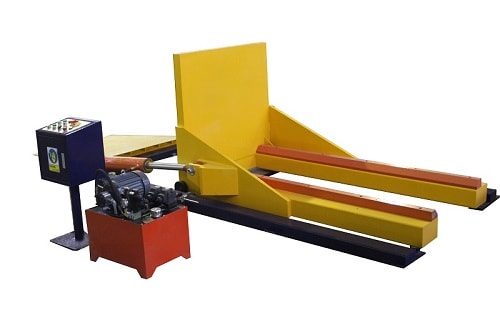
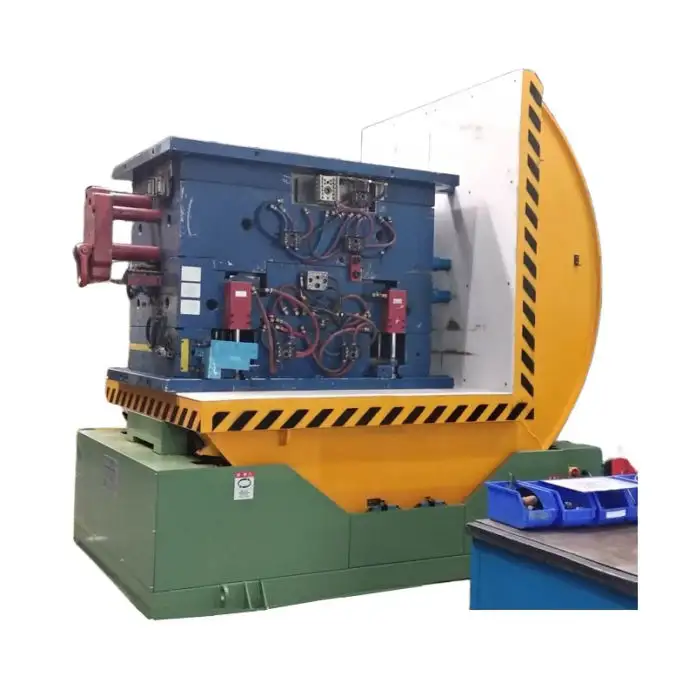
- Handling: Requires C-hooks, specialized grabs, or forklifts with suitable attachments for vertical lifting. A coil tipper or upender is needed to reorient the coil to "eye to the side" for feeding into most processing lines (e.g., uncoilers, roll formers).
- Primary Hazard: Tipping or toppling of the stack, especially if impacted, stacked too high, or placed on an uneven/unstable base. Individual coils can also tip if disturbed.
-
"Eye to the Side" (Horizontal Storage):
- Description: Coils are stored lying on their curved side, with the eye facing horizontally.
- Typical Use: Common for work-in-progress (WIP) coils staged near processing lines, as this orientation allows for easy insertion of a mandrel or uncoiler shaft.
- Support Needs: Absolutely requires secure containment to prevent rolling. This is achieved through specialized horizontal racking with cradles, robust saddles, or substantial blocking and chocking on the floor.
- Handling: Typically handled using forklift coil rams or specialized crane attachments designed for horizontal lifting through the eye.
- Primary Hazard: Rolling, especially if restraints fail, blocking materials are inadequate or damaged, or the storage surface is sloped or uneven.
Essential Practices for Preventing Storage Hazards
Regardless of the chosen orientation, several core practices are vital for safe and effective coil storage:
- Heavy-Duty Racking Systems: Investing in engineered racking systems specifically designed for the weight and dimensions of steel coils is often the safest solution. These systems provide organized, secure, and often space-efficient storage, minimizing the risk of shifting or collapse associated with floor stacking. Both vertical and horizontal racking options are available.
- Robust Blocking and Chocking: When storing "eye to the side" on the floor or non-cradled surfaces, substantial blocking is essential. Use timber beams, concrete blocks, or specialized chocks designed for the load. Ensure these materials are in good condition (no cracks, rot, or excessive wear) and placed securely against the coil on a level surface to prevent any movement. Stacked tiers require dunnage (planks, plywood) between layers for stability.
- Adherence to Stacking Limits: Follow industry best practices and manufacturer recommendations for maximum safe stacking heights. Factors include coil width, diameter, weight, stability, and the type of storage system used. OSHA guidelines suggest tapering stacks of certain materials (like masonry blocks) above specific heights; similar principles apply to coil stability. Painting reference lines on walls or posts can provide quick visual checks for operators.
- Level and Stable Surfaces: The floor or racking base must be perfectly level and engineered to withstand the significant point loads imposed by heavy steel coils. Uneven or unstable surfaces dramatically increase the risk of stack failure.
- Quality Control on Receipt: Inspect incoming coils for damage (e.g., dented edges, telescoping wraps) before storage. Damaged coils might be less stable or present handling challenges. Segregate and assess damaged coils appropriately.
- Clear Demarcation: Clearly mark designated storage areas to prevent encroachment by other materials or activities. Maintain adequate spacing between stacks for safe access by handling equipment and personnel.
The Impact of Handling Frequency
A crucial, often overlooked aspect of storage safety is minimizing the number of times a coil needs to be moved during its lifecycle within the facility. Each lift, transport, and placement operation introduces a risk of:
- Operator error (improper attachment, collision)
- Equipment malfunction
- Impact damage to the coil (denting edges, damaging wraps)
- Improper placement leading to instability
Streamlining the material flow – from receiving, through storage, to the point of use (e.g., the packing line) – reduces these cumulative risks. Strategic placement of storage areas relative to processing lines and efficient inventory management can significantly decrease unnecessary handling, thereby enhancing both safety and product quality preservation.
Storage Method Comparison
| Feature | Eye to the Sky (Vertical) | Eye to the Side (Horizontal) |
|---|---|---|
| Orientation | Vertical (Eye Up) | Horizontal (Eye Sideways) |
| Ideal Use | Finished Goods, Dense Storage, Large Inventories | WIP, Staging for Processing, Quick Mandrel Access |
| Support System | Pallets, Vertical Racks, Stable Floor | Horizontal Racks, Cradles, Blocking/Chocks |
| Primary Hazard | Tipping / Toppling | Rolling |
| Processing Interface | Requires Tilting/Upending for most lines | Ready for Mandrel/Uncoiler Insertion |
| Space Efficiency | Potentially High Vertical Density | Can use more floor space unless racked vertically |
| Handling Equipment | C-Hooks, Grabs, Vertical Lifters | Coil Rams, Horizontal Lifters |
| Stability Factors | Base Stability, Stack Height, Even Surface | Secure Racking/Blocking, Level Surface |
By carefully considering these factors and implementing appropriate storage methods, engineering controls (like racking), and procedural safeguards (like stacking limits and inspections), companies can create a secure environment that protects both personnel and their valuable steel coil inventory.
Training, Automation, and Continuous Improvement
Ultimately, the most sophisticated safety protocols and advanced equipment are only as effective as the people who implement and utilize them. Comprehensive, recurring training for all personnel involved in steel coil handling, packing, and transport is the cornerstone of incident prevention. Concurrently, exploring technological advancements like automation offers potential pathways to further enhance safety and operational efficiency, demanding a culture of continuous evaluation and improvement.

Robust, ongoing training covering proper techniques, equipment operation (including load limits, pre-use checks as per OSHA 2236), hazard identification (falling loads, pinch points, strap recoil), emergency procedures, and PPE usage is fundamental. Regular refreshers combat complacency. Automation in coil handling and packing systems offers potential safety benefits by reducing human exposure to hazardous areas and ensuring consistent movements, contributing to a safer operation, though requiring careful risk assessment and integration.
The Indispensable Role of Comprehensive Training
Training is not merely an initial onboarding step but a continuous process vital for maintaining a high level of safety awareness and competence.
- Initial Training: New hires must receive thorough instruction on specific equipment they will operate (e.g., forklifts, cranes, packing line machinery), safe handling procedures for coils of varying sizes and weights, hazard recognition (including specific risks like pinch points on packing lines or potential energy release during strap cutting/removal), proper use of PPE, and emergency response protocols. This foundational knowledge is critical before personnel engage in any hands-on work.
- Refresher Training: Familiarity breeds complacency. Regular refresher courses (annually or as triggered by incidents/changes) are essential to reinforce best practices, highlight common errors, remind personnel of potential dangers (like overloading risks), and introduce updates to procedures, equipment, or regulations. OSHA mandates recurrent training for powered industrial truck operators at least every three years, and more frequently if unsafe operation is observed, after an accident/near-miss, or when equipment/conditions change. This underscores the regulatory and practical importance of ongoing education.
- Task-Specific Training: General safety training should be supplemented with training specific to tasks like operating a particular coil packing line, safely removing strapping (standing aside, using appropriate cutters), or performing maintenance under lockout/tagout procedures.
- Cost-Benefit: As highlighted in source materials referencing construction safety, the cost of injuries often significantly outweighs investment in safety training. Proactive training is not just an ethical obligation but a sound financial strategy, reducing costs associated with accidents, downtime, and potential litigation. Effective training programs should cover topics outlined in OSHA 2236, such as manual handling principles (even if minimized), mechanical handling specifics, storage safety, and hazard awareness.
Exploring Automation in Coil Handling and Packing
The integration of automated systems presents a significant opportunity to enhance safety in steel coil operations, although it requires careful planning and risk assessment.
- Benefits:
- Reduced Human Exposure: Automation can remove personnel from direct interaction with heavy moving loads, pinch points on machinery, and repetitive manual tasks, significantly lowering the risk of ergonomic injuries and acute trauma. Automated packing lines, for instance, can handle strapping, wrapping, and labeling with minimal human intervention in hazardous zones.
- Increased Precision & Consistency: Machines perform tasks with high repeatability and accuracy, reducing the risk of coil damage from impacts or improper handling common with manual operations. Consistent movements along predefined paths minimize collision risks.
- Minimized Handling Steps: Integrated automated systems (e.g., linking storage retrieval directly to the packing line) can potentially reduce the number of times a coil is lifted and moved, thereby lowering the overall risk exposure.
- Challenges & New Considerations:
- Initial Investment: Automation requires significant capital expenditure.
- Maintenance Complexity: Automated systems introduce complex maintenance requirements, demanding skilled technicians and rigorous preventative schedules.
- New Hazards: Potential risks include software errors, unexpected machine movements due to sensor failure or programming faults, and the critical need for robust lockout/tagout procedures during maintenance or troubleshooting to prevent accidental start-up. Cybersecurity threats impacting programmable logic controllers (PLCs) also become a concern (as noted in the "SIX STEPS" guide).
- Risk Assessment: Thorough risk assessments, following principles like those in ISO 12100, are essential before implementing automation to identify and mitigate these new potential hazards. Safeguarding for robotic cells or integrated systems must comply with relevant standards (e.g., ISO 10218).
Fostering a Culture of Safety and Continuous Improvement
Technology and procedures are only part of the equation. A strong safety culture, driven by management commitment and employee involvement, is essential.
- Management Leadership: Safety must be a visible priority, integrated into all operational decisions. Managers must allocate resources for training and safe equipment, enforce safety rules consistently, and lead by example.
- Employee Involvement: Encourage workers to report hazards, suggest safety improvements, and participate in safety committees. Empowering employees to stop work if they perceive an unsafe condition is crucial.
- Incident Investigation: Thoroughly investigate all accidents and near-misses to identify root causes and implement corrective actions, sharing lessons learned across the workforce.
- Regular Audits & Reviews: Periodically audit safety procedures, equipment conditions, and training effectiveness. Use feedback and audit results to continuously refine and improve safety protocols. Adapt to new technologies, updated standards (like those from ISO, IEC, ANSI), and evolving best practices.
By combining rigorous, ongoing training with the appropriate use of well-maintained equipment, potentially enhanced by carefully implemented automation, and underpinning it all with a proactive safety culture, organizations can effectively mitigate the significant risks associated with steel coil handling and packing operations.
Conclusion
Successfully mitigating the inherent risks in steel coil packing line operations demands a steadfast commitment to a multi-layered safety strategy. It begins with comprehensive and continuous training, ensuring every worker understands procedures, equipment limitations, and potential hazards. Utilizing the correct, meticulously maintained handling equipment—from specialized forklift attachments to cranes and integrated packing lines—is non-negotiable. Secure and well-planned storage methods, tailored to coil orientation and facility layout, prevent catastrophic failures. Crucially, fostering a pervasive culture of safety awareness, clear communication, and proactive hazard identification ties all these elements together. Prioritizing [Packing line safety]() procedures isn't just about regulatory compliance; it's a fundamental investment in protecting personnel, preserving product quality, and ensuring operational continuity and efficiency.