Sustainability in Mold Upender Design: Energy-Efficient Models
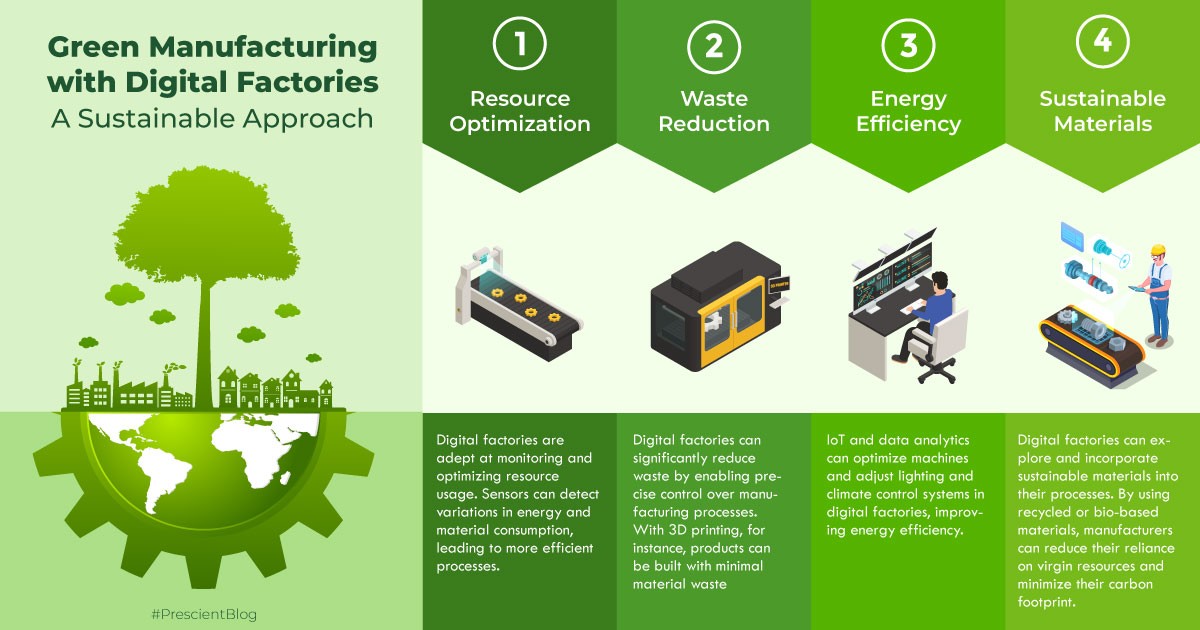
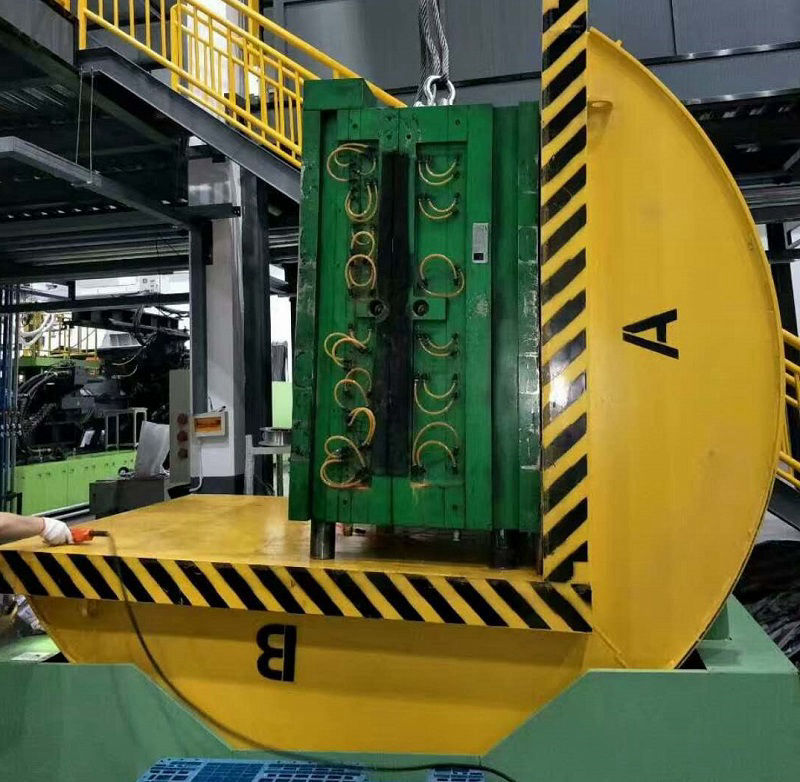
In the realm of mold upender design, sustainability is now paramount. Energy-efficient models are not just an eco-conscious choice, but a strategic advantage. By integrating innovative technologies and sustainable practices, modern mold upenders significantly reduce energy consumption, minimize waste, and enhance operational efficiency, paving the way for a greener manufacturing future and substantial cost savings.
The Green Imperative in Mold Manufacturing
Sustainability has transcended mere trend status to become a foundational pillar of modern manufacturing. Industries worldwide are facing increasing pressure to mitigate their environmental impact, and the mold manufacturing sector, crucial to countless supply chains, is no exception. The traditional approaches within mold making, while essential for production, have often carried a significant environmental footprint. This article explores the critical shift toward sustainability in mold upender design, specifically focusing on energy-efficient models and the broader implications for green manufacturing.
Confronting the Environmental Impact of Traditional Processes
Historically, manufacturing processes associated with mold production and handling have been energy-intensive and resource-consuming. Consider the traditional injection molding process, a major consumer of molds and upenders, which presents several environmental challenges:
- High Energy Consumption: Melting plastics, powering heavy machinery, and maintaining consistent operating temperatures demands substantial energy. Traditional injection molding machines, and by extension the systems that support mold handling like upenders, often operate with less than optimal energy efficiency.
- Material Waste Generation: While injection molding itself is designed for material efficiency, waste is unavoidable, particularly during process setup, quality control, and handling of materials. Sprue and runner waste, along with rejects due to mold issues, contribute to significant material loss. Furthermore, inefficient mold handling can lead to damage and scrap.
- Reliance on Virgin Plastics: The historical dependence on virgin plastics sourced from fossil fuels has exacerbated environmental concerns related to resource depletion and plastic pollution.
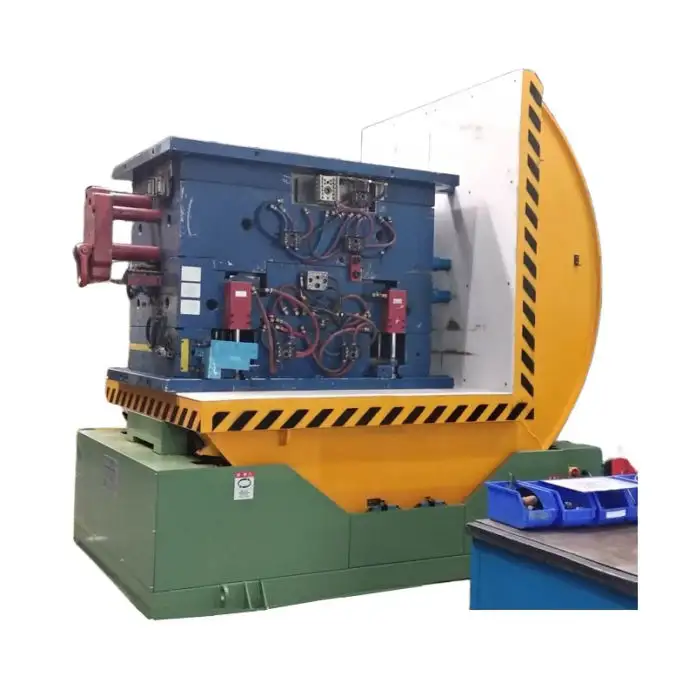
These challenges highlight the urgent need for sustainable alternatives across the entire mold lifecycle, including in the design and operation of mold upenders, essential equipment for safe and efficient mold handling and maintenance.
Embracing Energy Efficiency in Mold Upender Design: A Multi-faceted Approach
The transition to sustainable mold upender design necessitates a holistic strategy focused on energy efficiency and minimizing environmental impact. Manufacturers are adopting innovative strategies across various facets of design and operation:
1. Energy-Efficient Machinery and Components
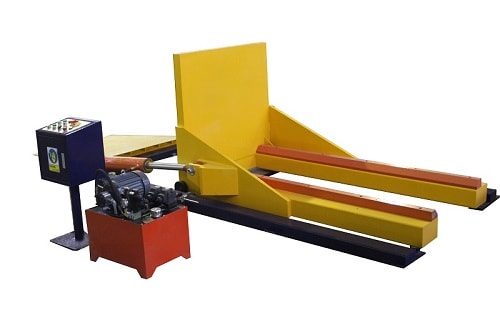
Upgrading to energy-efficient machinery is a core component of sustainable practices. Modern mold upenders, incorporating advanced engineering, can significantly reduce energy consumption. Key features include:
- Optimized Motor Systems: Utilizing high-efficiency electric motors and variable frequency drives (VFDs) allows for precise control and reduces energy waste during operation. Unlike older hydraulic systems which consume power constantly, modern electric systems can adjust power usage based on the load, leading to substantial energy savings.
- Lightweight Design with High Strength Materials: Employing advanced materials like high-strength steel alloys and aluminum in upender construction reduces the overall weight of the equipment without compromising structural integrity. Lighter machines require less energy to operate and maneuver.
- Regenerative Braking Systems: Integrating regenerative braking in electric mold upenders captures kinetic energy during deceleration and converts it back into electrical energy, feeding it back into the system or storing it for later use. This innovative feature significantly reduces energy consumption, particularly in applications involving frequent lifting and lowering.
2. Intelligent Control and Automation for Optimized Operation
Smart technologies play a vital role in enhancing the energy efficiency of mold upenders. Implementing intelligent control systems and automation features optimizes operation patterns, minimizing unnecessary energy use:
- Programmable Logic Controllers (PLCs) with Energy Management Algorithms: Modern upenders equipped with PLCs can be programmed with sophisticated algorithms that optimize movement profiles, lift speeds, and operational sequences to minimize energy consumption. These systems can also monitor energy usage in real-time, providing valuable data for further optimization and identifying potential inefficiencies.
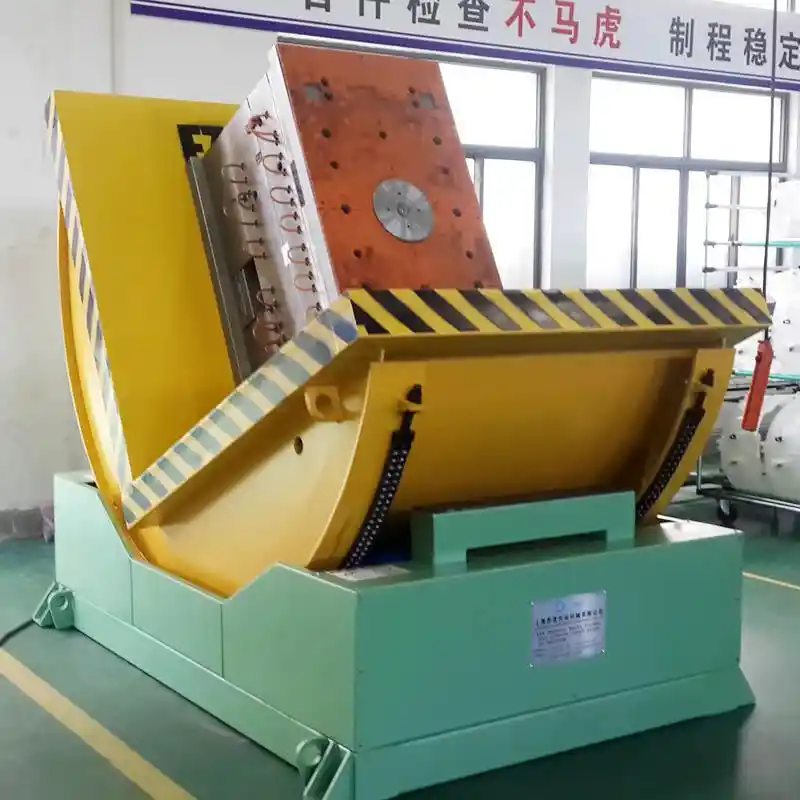
- Automated Load Sensing and Adjustment: Advanced sensors can detect the weight of the mold being handled and automatically adjust the power output of the upender accordingly. This prevents over-exertion of the machinery and ensures energy is used only as needed, optimizing efficiency for varying mold sizes and weights.
- Remote Monitoring and Diagnostics: Connectivity through IoT (Internet of Things) enables remote monitoring of upender operation and energy consumption. Predictive maintenance capabilities facilitated by remote diagnostics can further enhance efficiency by preventing downtime and ensuring optimal performance.
3. Sustainable Material Selection in Upender Construction
Sustainability extends beyond operational energy efficiency and encompasses the materials used in upender construction itself. Choosing eco-conscious materials contributes to a reduced environmental footprint throughout the lifecycle of the equipment:
- Recycled Steel and Aluminum: Utilizing recycled steel and aluminum in upender frames and structural components reduces the demand for virgin materials, conserving natural resources and lowering the embodied energy of the equipment.
- Sustainable Coatings and Finishes: Opting for low-VOC (Volatile Organic Compound) coatings and environmentally friendly finishes minimizes the release of harmful chemicals during manufacturing and operation, improving air quality in the workplace and reducing environmental pollution.
- Durable and Long-Lasting Components: Designing upenders for extended lifespan using high-quality, durable components reduces the frequency of replacements and minimizes waste generation over time. Investing in quality upfront translates to long-term sustainability.
Data-Driven Sustainability: Measuring and Improving Performance
Implementing sustainable practices requires a commitment to data-driven improvement. Monitoring key performance indicators and utilizing data to identify areas for optimization is crucial for achieving tangible results.
| Metric | Traditional Upender | Energy-Efficient Upender | Improvement Potential | Sustainability Impact |
| :--------------------------- | :-------------------------------------------------- | :---------------------------------------------------- | :-------------------- | :----------------------------------------------------- |
| Energy Consumption (kW/hr) | 5-10 kW/hr (depending on load and cycle frequency) | 2-5 kW/hr (depending on load and cycle frequency) | 50-60% | Reduced carbon footprint, lower operating costs |
| Material Waste (Steel Scrap) | ~5% during manufacturing | <2% during manufacturing | >60% | Resource conservation, reduced landfill waste |
| Operational Lifespan | 10-15 years (with regular maintenance) | 15-20+ years (with proactive maintenance) | 30-50% | Reduced manufacturing frequency, lower resource use |
| Noise Levels (dB) | 80-85 dB | 70-75 dB | 10-15% | Improved workplace environment, reduced noise pollution |
Note: Data is illustrative and will vary based on specific models and operational conditions.
This table highlights the potential for significant improvements in key sustainability metrics by transitioning to energy-efficient mold upenders. Continuous monitoring of these metrics and data-driven optimization strategies are essential for maximizing the benefits.
The Business Case for Sustainable Mold Upender Design
Adopting sustainable practices in mold upender design is not merely an environmental imperative; it also presents a compelling business case. The benefits extend beyond ecological responsibility, encompassing financial gains and enhanced competitiveness:
- Cost Savings through Energy Efficiency: Reduced energy consumption directly translates to lower operating costs. Over the lifespan of the equipment, these savings can be substantial, improving profitability and return on investment.
- Enhanced Brand Reputation and Market Access: Consumers and businesses are increasingly prioritizing sustainability. Companies that demonstrate a commitment to green manufacturing practices enhance their brand image, attract environmentally conscious customers, and gain a competitive edge in the market. Furthermore, ESG (Environmental, Social, and Governance) compliance is becoming a critical factor for securing contracts and partnerships in many industries.
- Regulatory Compliance and Risk Mitigation: Environmental regulations are becoming increasingly stringent worldwide. Investing in sustainable equipment like energy-efficient mold upenders helps companies proactively comply with current and future regulations, mitigating the risk of penalties and ensuring long-term operational stability.
- Attracting and Retaining Talent: In a competitive labor market, companies with strong sustainability commitments are more attractive to top talent. Employees, particularly younger generations, are increasingly seeking employers who align with their values and prioritize environmental responsibility.
Embracing Innovation for a Sustainable Future
Innovation is the driving force behind the transition to sustainable mold upender design. Continued advancements in technology and engineering are paving the way for even more energy-efficient and environmentally responsible solutions. Embracing these innovations is crucial for manufacturers seeking to lead the way in green manufacturing and secure a sustainable future for the industry.
The shift towards Sustainability in Mold Upender Design: Energy-Efficient Models is not just an option, but a necessity. By prioritizing energy efficiency, adopting sustainable materials, and embracing data-driven optimization, manufacturers can significantly reduce their environmental impact while simultaneously reaping the substantial benefits of cost savings, enhanced brand reputation, and long-term competitiveness. As the global focus on sustainability intensifies, investing in energy-efficient mold upenders and embracing green manufacturing principles is a strategic imperative for the mold making industry and beyond.