Tackling the Challenge of Varying Coil Diameters in Packaging
Is your production line struggling with coiled materials of inconsistent sizes? The headache of adjusting machinery, wasted material, and bottlenecks can crush efficiency and profitability. This pervasive challenge demands smart, adaptable packaging solutions designed for the real world of manufacturing variability.
Packaging coils with varying diameters presents significant challenges due to the need for adaptable machinery and processes. Unlike consistently sized products, coils require systems that can dynamically adjust to differences in outer diameter, inner diameter, width, and weight, impacting material handling, wrapping, strapping, and overall line automation to ensure secure and efficient packaging.
Addressing this variability isn't just about buying new equipment; it's about implementing strategic approaches that integrate flexible technologies and intelligent controls. By understanding the nuances of coil handling across a spectrum of sizes, manufacturers can unlock significant gains in throughput, material efficiency, and overall operational resilience. Let's delve into the core issues and the innovative solutions that are shaping the future of variable-diameter coil packaging.
The Complexity of Handling Variable Coil Diameters in Automated Lines
Are fluctuating coil sizes slowing down your automated packaging process? The unpredictable nature of variable diameters introduces friction at every stage, from infeed to final wrap, creating bottlenecks and increasing the risk of packaging defects.
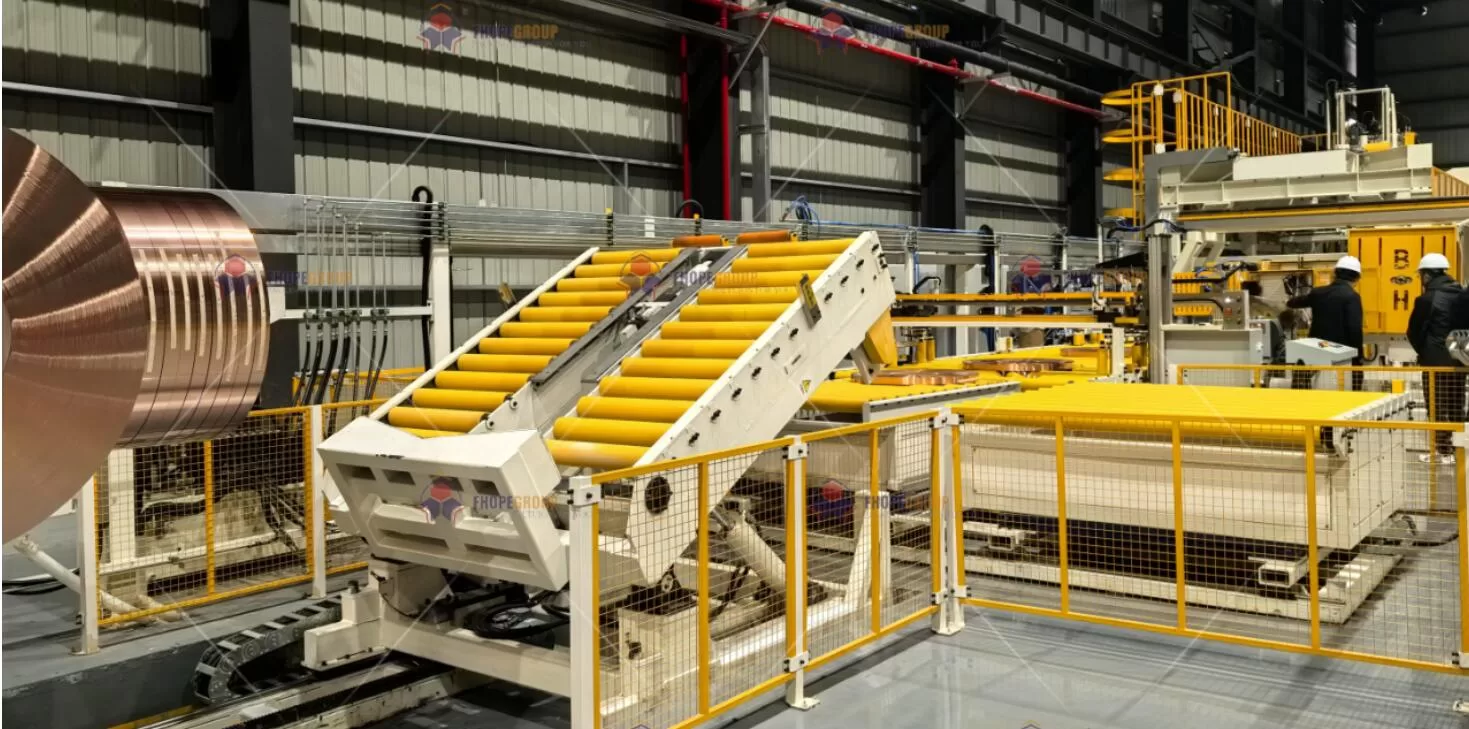
Automated packaging lines for coiled products face complexity from varying diameters because each change in coil size necessitates precise adjustments to handling, wrapping, and strapping machinery. Inconsistent diameters affect conveyor alignment, gripper or lifting mechanisms, the tension applied during wrapping and strapping, and the positioning of protective materials. Systems must incorporate sensors and control logic capable of rapid, accurate detection and adaptation. This requires sophisticated programming and robust mechanical designs that can accommodate a wide range of physical dimensions without manual intervention or significant downtime, ensuring consistent package quality and line throughput across the full spectrum of coil sizes being processed.
Impact on Automation and Material Flow
Handling variable coil diameters in a typically rigid automated line presents fundamental challenges. The core issue is the mismatch between the static nature of many traditional packaging machines and the dynamic nature of the incoming product size. Unlike handling boxes or bottles of uniform dimensions, a coil's outer diameter (OD), inner diameter (ID), and even width can change significantly from one unit to the next, or even within the same production run. This variability impacts several critical aspects of automation:
- Infeed and Singulation: Getting coils onto the packaging line requires mechanisms that can accommodate different sizes. Simple conveyor systems designed for uniform products may struggle with large variations, leading to jams or incorrect spacing. Robotic handling or specialized infeed systems with adjustable guides and sensors are necessary to correctly identify, separate, and present coils of different sizes to downstream equipment.
- Centering and Alignment: Many packaging processes, such as wrapping, strapping, and labeling, require the coil to be accurately centered or aligned. With varying OD and ID, determining the true center or consistent reference point becomes complex. Systems must use vision sensors, lasers, or mechanical feelers to find the coil's position and adjust accordingly. Misalignment leads directly to poor wrap coverage, misplaced straps, and inaccurate labeling.
- Machine Changeover and Adjustment: Traditional lines often require manual setup or significant downtime for size changeovers. While some variability can be absorbed, large shifts in diameter mandate adjustments to guides, clamp pressures, wrap patterns, strap lengths, and machine speeds. Automated changeover systems, driven by recipe management or real-time sensing, are crucial for maintaining high throughput in a variable environment. Without this, changeover times become a major source of lost productivity.
- Software and Control Logic: The intelligence layer of the automation system must be capable of managing this variability. Sensors collect data on coil dimensions, which the control software then uses to calculate necessary machine adjustments in real-time. This requires complex algorithms to predict wrap lengths, strap positions, and handling trajectories for each individual coil. Error handling for out-of-spec coils or sensor failures adds further complexity.
Successfully automating a line for variable coil diameters requires a holistic approach, integrating advanced sensing, flexible mechanical designs, intelligent control software, and robust material handling systems. It's a departure from the "set-and-forget" mentality of uniform product packaging and necessitates a more adaptive and dynamic automation strategy.
Maintaining Stability and Package Integrity with Varying Sizes
Securing coils of disparate sizes for safe transport and storage is a major hurdle in packaging. How do you ensure a consistently tight and protective package when the product dimensions are constantly shifting?
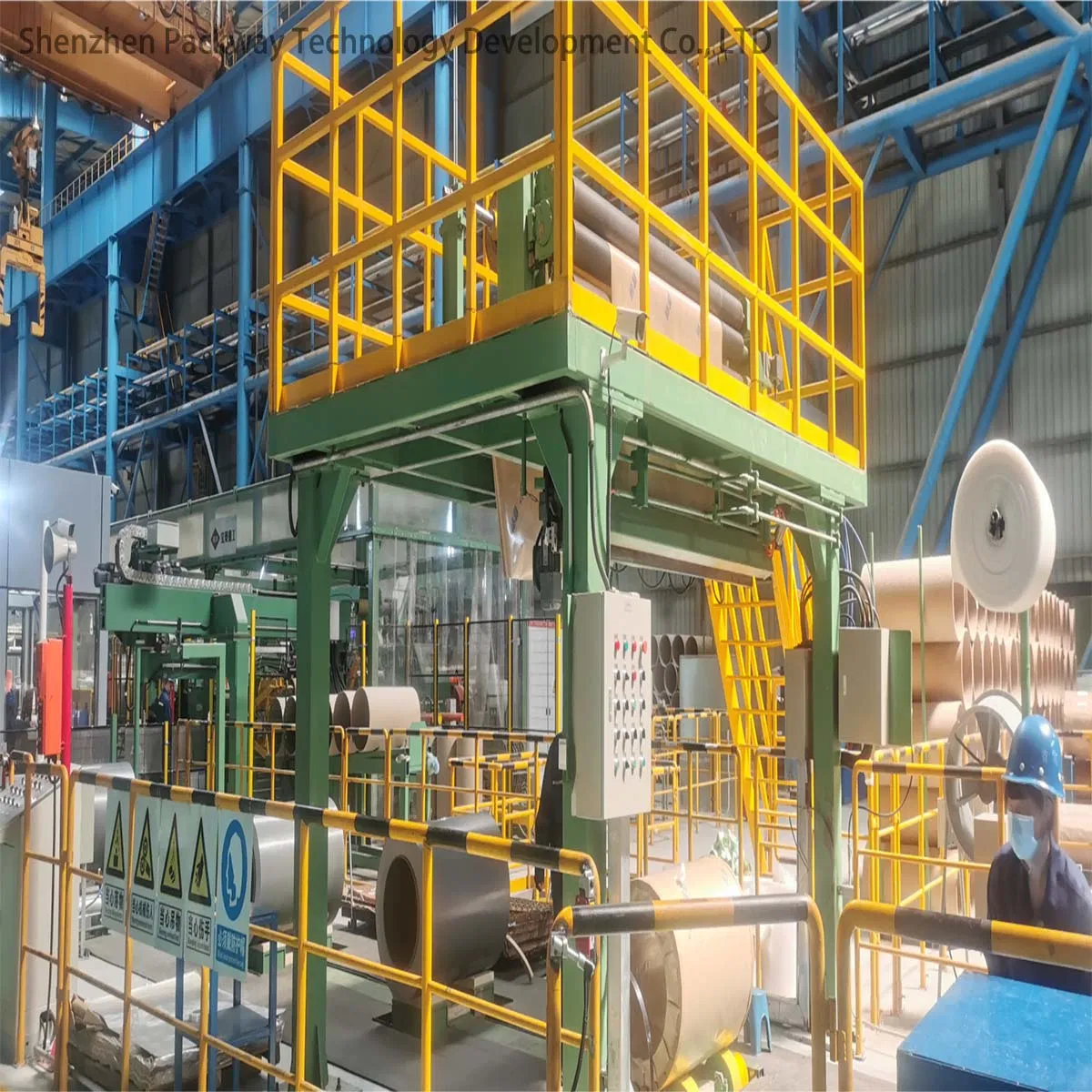
Maintaining packaging stability and integrity with varying coil sizes requires flexible systems that dynamically adapt protective material application and tensioning. Wrapping machines must adjust film overlap and tension based on the coil's outer circumference and width. Strapping equipment needs precise placement and variable tension capabilities to secure differing diameters without crushing smaller coils or failing to secure larger ones. Edge and inner core protection must also be adaptable, ensuring proper fit and coverage regardless of the coil's specific dimensions within the defined range, preventing damage and load shifting during transit and handling.
Challenges in Wrapping, Strapping, and Protection
Packaging a coil is fundamentally about containment, protection, and providing structural integrity for handling and stacking. When coil diameters vary, these core functions become significantly more challenging for automated systems:
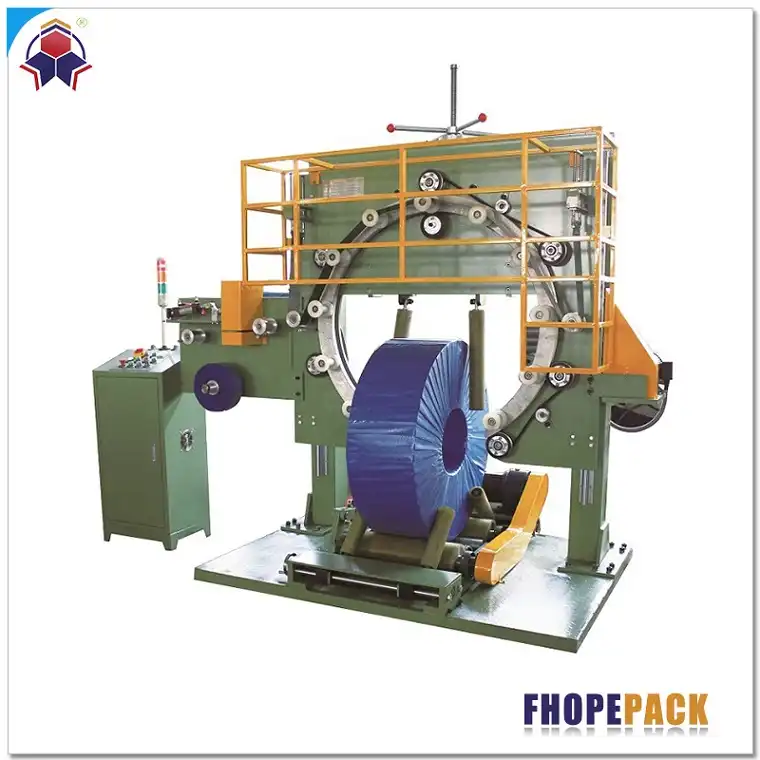
- Wrapping: Stretch wrapping or film wrapping around a coil requires the material to conform tightly to the outer circumference. As the diameter changes, the required length of wrap per layer changes, and the angle at which the wrap head traverses the coil must adjust to maintain consistent overlap and coverage. Systems using fixed wrap patterns or tensions will either over-wrap/over-tension small coils (risking damage) or under-wrap/under-tension large coils (risking instability). Advanced wrapping machines use diameter sensors and programmed recipes to calculate the correct wrap parameters on the fly, ensuring optimal material usage and load containment for each coil.
- Strapping: Steel or plastic strapping is critical for unitizing the coil, preventing telescoping (slipping of inner layers), and securing it to pallets or saddles. The placement and tension of straps are highly dependent on the coil's diameter and width. On variable-diameter coils, strap application points must be carefully calculated to avoid slipping off tapered edges or missing the load-bearing core. Tensioning is equally critical; too much tension on a small, narrow coil can cause buckling or edge damage, while too little on a large, heavy coil renders the strap ineffective. Automated strapping machines for variable coils need sophisticated sensor feedback loops to measure coil dimensions and apply calculated strap tension profiles, ensuring consistent, secure, and non-damaging restraint.
- Edge and Inner Core Protection: Coils, especially those made of sensitive materials like rolled steel or paper, are vulnerable to damage at their outer edges and inner core. Protective materials like edge boards, cardboard rings, or plastic inserts are often used. The challenge with variable diameters is fitting these protective elements snugly and correctly. Standard-sized protectors won't fit all coils. Solutions include using adjustable or segmented protectors, or integrating automated systems that can select, cut, and apply protective materials based on the specific dimensions of the coil currently being processed. Manual application of these elements for varying sizes significantly slows down the line.
- Load Stability: A securely packaged coil must be stable for internal transport, warehousing, and external shipment. Variable diameters impact how coils stack on top of each other and how they sit on pallets or saddles. Ensuring a stable unit load often requires adaptive dunnage or specialized pallet designs. The packaging process must contribute to this stability by creating a taut, well-contained unit that minimizes shifting and movement within the package boundaries.
Overcoming these challenges requires packaging machinery that is not only mechanically robust but also intelligently controlled, allowing it to dynamically adapt its operations based on real-time input regarding the coil's size and characteristics.
The Role of Adaptive Packaging Systems and Technology
Modern packaging lines designed for variable coil diameters leverage advanced technology to achieve flexibility and efficiency. What specific technologies enable packaging systems to seamlessly handle coils of different sizes?
Adaptive packaging systems for variable coil diameters rely on a suite of technologies, including advanced sensor arrays (laser, vision, ultrasonic) for precise dimension measurement, intelligent PLCs and motion controllers for real-time adjustment of machine parameters, robotic systems for flexible handling and placement, and sophisticated software with recipe management and dynamic algorithm calculation. These components work in concert to detect, measure, and adapt the packaging process – including material feed, tensioning, cutting, and application points – for each individual coil, ensuring consistent package quality and high throughput across the full range of variability.
Key Technologies Enabling Flexibility
The transition from static, single-size packaging lines to dynamic, multi-size lines for coils is powered by the integration of several key technological components. These technologies provide the "eyes," "brain," and "muscles" that allow the system to adapt:
-
Advanced Sensing: Accurate, real-time measurement of coil dimensions is the foundation of any adaptive system. Technologies include:
- Laser Profilers: Can quickly scan a coil to determine its OD, width, and even shape irregularities.
- Vision Systems: Using cameras and image processing, they can identify coil edges, centers, IDs, and verify the presence and position of protective materials.
- Ultrasonic Sensors: Useful for detecting the presence of a coil and measuring distance, complementing other sensing methods.
- Mechanical Encoders/Feelers: Provide physical contact measurements, often used for verifying diameter or width at specific points.
These sensors feed data continuously to the control system.
-
Intelligent Control Systems (PLCs, IPCs, Motion Controllers): The "brain" of the operation. Modern, high-speed processors are necessary to receive sensor data, process complex algorithms, and issue precise commands to actuators in real-time. This includes calculating required wrap lengths, strap tensions, robotic arm trajectories, and adjusting conveyor speeds and guide positions dynamically for each coil. Recipe management allows pre-configured settings for known size ranges, while dynamic algorithms handle variations within or between ranges.
-
Flexible Mechanical Actuation: The "muscles" of the system must be capable of rapid, accurate movement and adjustment over a wide range. This includes:
- Servo Motors: Provide precise control over speed, position, and torque, enabling dynamic adjustments to wrap head speed, conveyor movement, or gripper positioning.
- Robotic Arms: Offer highly flexible handling capabilities, capable of picking, placing, and manipulating coils of different sizes and weights, as well as applying protective materials or labels.
- Motorized/Adjustable Guides: Side guides and centering mechanisms that can automatically widen or narrow based on measured coil width and diameter.
-
Integrated Software and Data Management: A supervisory software layer is often used to manage the entire line. This includes:
- Recipe Management: Storing parameters for different coil product types or size ranges.
- Data Logging: Tracking key packaging parameters for quality control and optimization.
- Diagnostic Tools: Providing operators with real-time information on system status, sensor readings, and potential issues.
- Connectivity: Integrating with upstream manufacturing systems (MES, ERP) to receive production orders and coil specifications.
The synergistic combination of these technologies allows a packaging line to react intelligently to the variability of incoming coils. The system measures, calculates, and adjusts its operations dynamically, minimizing the impact of diameter variations on throughput and package quality.
Below is a simplified look at how different technologies contribute to handling variable coil diameters in key packaging operations:
| Packaging Operation | Challenge of Variation | Key Technologies Used for Adaptation | Benefit |
|---|---|---|---|
| Infeed/Handling | Diverse sizes/weights need precise grip/path | Robotics, Vision Systems, Laser Profilers, Adjustable Conveyors | Ensures correct singularization and presentation of each coil. |
| Centering/Alignment | Finding true center for wrap/strap/label | Laser Profilers, Vision Systems, Mechanical Feelers, Servo Actuators | Guarantees accurate material application points regardless of size. |
| Wrapping | Adjusting film length, overlap, tension | Diameter Sensors, Servo Wrap Heads, Intelligent PLCs, Dynamic Software | Optimizes material usage and ensures consistent containment. |
| Strapping | Placement and tension for different sizes | Diameter/Width Sensors, Load Cells (for tension), Servo Strap Heads | Provides secure, non-damaging restraint for all coil dimensions. |
| Protective Mat. App. | Fitting edge/core protection to varying IDs/ODs | Vision Systems, Robotics, Automated Cutting/Application, Recipe Mgmt. | Ensures proper protection fit and placement for diverse sizes. |
| Overall Control | Real-time adaptation of multiple processes | High-Speed PLCs/IPCs, Integrated Software, Sensor Networks, HMI | Orchestrates the entire line, maximizing throughput and minimizing errors. |
Implementing these technologies requires careful planning, system integration expertise, and collaboration between packaging machinery manufacturers, control system providers, and the end-user to ensure a solution tailored to the specific range of coil variability and production requirements.
Optimizing Packaging Lines for Variability and Efficiency
Achieving peak performance in a packaging line dealing with variable coil diameters means looking beyond individual machines to the overall system flow.
Optimizing packaging lines for variable coil diameters involves integrating adaptive machinery with intelligent line control software, minimizing manual changeover times through automation, implementing robust sensor-feedback loops for real-time adjustments, and ensuring flexible material handling from infeed to outfeed. This comprehensive approach reduces bottlenecks caused by size changes, improves overall line throughput, minimizes material waste, enhances package quality consistency across all coil dimensions, and requires thorough data analysis and continuous fine-tuning to maintain peak efficiency and adaptability in a dynamic production environment.
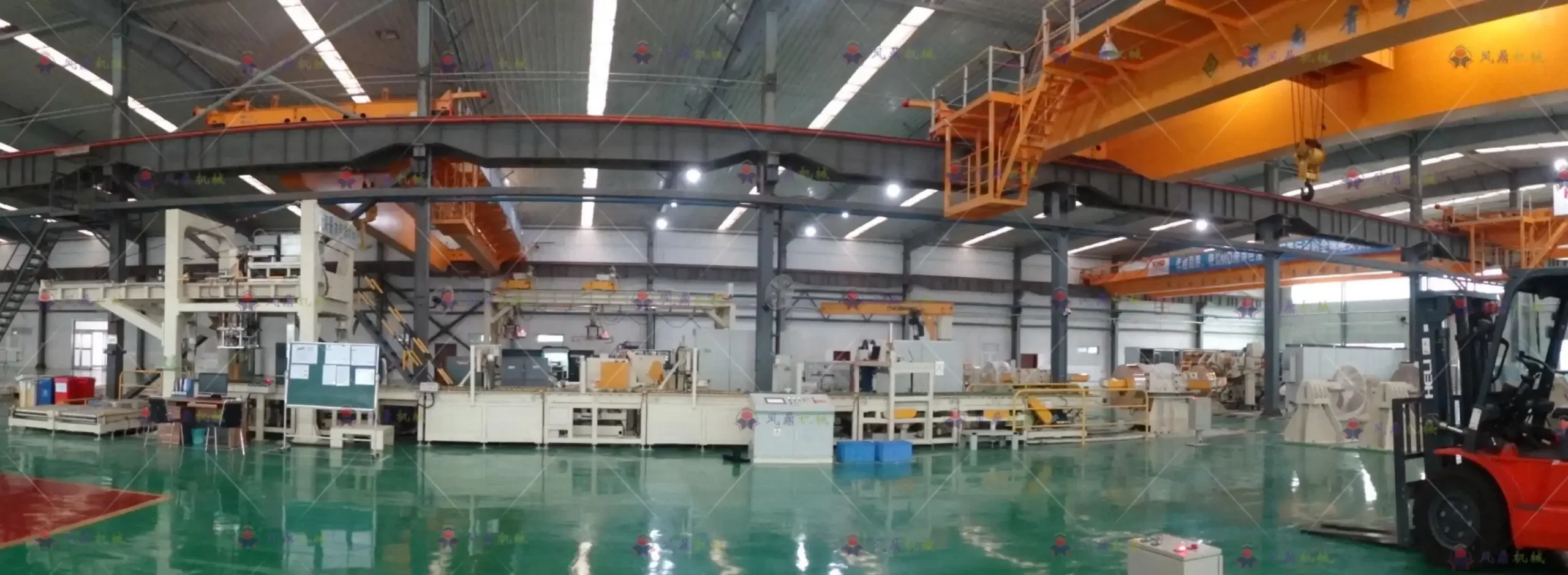
Beyond the technical capabilities of individual packaging machines, optimizing a line for variable coil diameters involves focusing on how these machines interact and how the overall process manages variability. This includes:
- Seamless Machine Integration: Ensuring that each piece of equipment – from infeed conveyors and handling robots to wrappers, strappers, and stackers – can communicate and adjust dynamically based on the size of the coil moving through the line. This requires a common communication protocol and a central control system that can orchestrate the actions of multiple machines simultaneously.
- Automated Changeover: Reducing or eliminating the need for manual intervention when transitioning between significantly different coil sizes. This involves machines with motorized adjustments that can be set via recipes or real-time sensor data. The goal is near-instantaneous changeover or 'on-the-fly' adjustments as coils of different sizes arrive sequentially.
- Buffer Management: Implementing strategic buffering zones before and after packaging equipment to absorb variations in processing time caused by size-dependent adjustments. Buffers help ensure that upstream machines aren't stopped waiting for slower downstream processes and that packaged coils can be accumulated efficiently before transport or storage.
- Data-Driven Optimization: Continuously monitoring key performance indicators (KPIs) such as throughput for different size ranges, changeover times, material usage, and package defect rates. Analyzing this data helps identify bottlenecks, fine-tune machine parameters, and further optimize the control algorithms for handling variability. Predictive maintenance based on machine performance data can also improve uptime.
- Operator Training: Training operators not just on running the machines, but on understanding how the adaptive systems work, how to interpret sensor feedback, and how to troubleshoot issues related to variability. Empowered operators can make minor adjustments and flag more significant problems quickly, minimizing downtime.
- Future-Proofing: Designing the line with sufficient flexibility to accommodate future changes in the range of coil sizes or product types that might be processed. This might involve specifying machines with wider adjustment ranges or control systems that can be easily updated with new recipes or algorithms.
By taking a holistic view and focusing on seamless integration, automated processes, and continuous optimization, manufacturers can build packaging lines that not only handle varying coil diameters but do so with high efficiency, reliability, and minimal waste, transforming a challenge into a competitive advantage.
Conclusion
Tackling the challenge of varying coil diameters in packaging is fundamental to achieving efficiency and reliability in industrial operations dealing with coiled materials. It requires moving beyond static solutions to embrace adaptive systems powered by advanced sensing, intelligent controls, and flexible automation. Successfully implementing these technologies ensures consistent package quality, optimizes material usage, and maximizes throughput, regardless of product size variability. Investing in adaptable solutions is crucial for future-proofing operations and gaining a competitive edge in markets demanding flexibility and precision. For those seeking to enhance their operations, exploring modern variable diameters packaging automation is a critical step.