# The Economics of Using Mold Upenders in Your Manufacturing Process
When it comes to optimizing your manufacturing process, every little detail matters. One oft-overlooked aspect of the process is the transport and orientation of plastic or metal molds. This is where mold upenders come into play. By flipping these molds 90 degrees, upenders make it easier to move them from one stage of production to the next. And while it may seem like a small improvement, the economics of using mold upenders can be significant.
## Table of Contents
1. What are Mold Upenders?
2. The Benefits of Using Mold Upenders
3. Increased Efficiency
4. Reduced Manual Labor
5. Better Manufacturing Quality
6. Increased Safety
7. Cost Savings
8. Types of Mold Upenders
9. Considerations When Choosing an Upender
10. Operational Tips for Using Mold Upenders
11. Maintenance and Safety Protocols for Upenders
12. Common Misconceptions About Mold Upenders
13. Common Use Cases for Mold Upenders
14. Integrating Upenders into Your Manufacturing Workflow
15. Conclusion
## What are Mold Upenders?
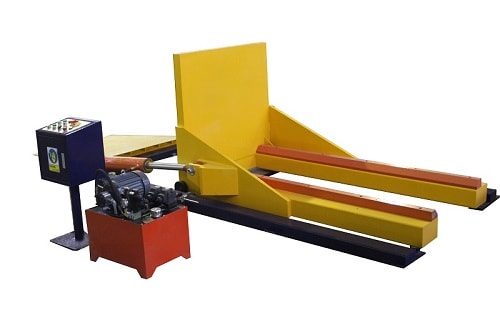
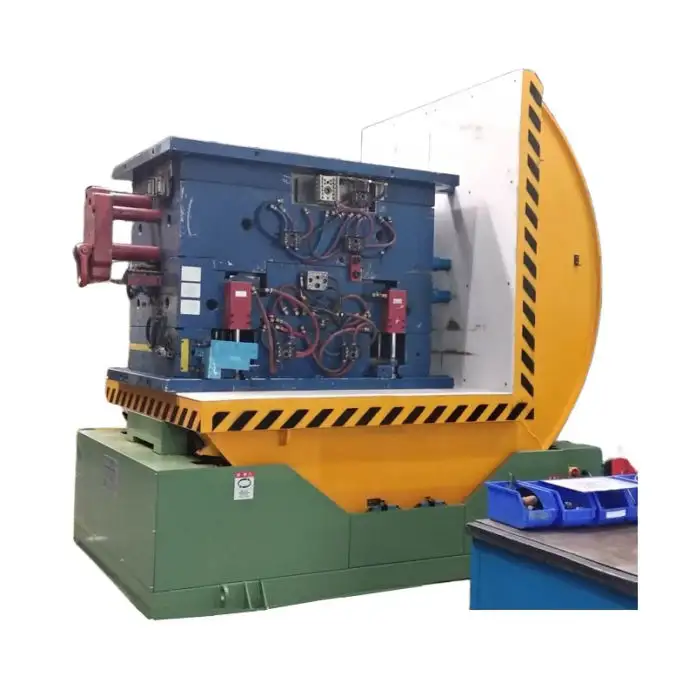
Mold upenders are machines designed to move molds from a horizontal to vertical position, and from a vertical to horizontal position, allowing for easy movement between production stages. They can be integrated into different types of manufacturing processes that use molds made of plastic, aluminum or other metals. In contrast to manual flipping, mold upenders provide an automated production process.
## The Benefits of Using Mold Upenders
There are many benefits to using mold upenders, including increased efficiency, reduced manual labor, better manufacturing quality, increased safety, and cost savings. Let's take a closer look at each benefit.
### Increased Efficiency
Mold upenders increase efficiency by reducing the time it takes to move molds from one stage of production to the next. This results in improved throughput times, which in turn can improve your production capacity. Instead of needing two or more people to move molds between each stage, upenders automate the process entirely.
### Reduced Manual Labor
With mold upenders, you reduce manual labor needed to transport heavy molds. This is especially important for medical manufacturers who may have strict ISO and FDA standards to comply with. Additionally, it reduces personnel fatigue and injury, which can contribute to better workplace morale.
### Better Manufacturing Quality
Mold flips, when done manually, can induce scratches, dents, and other cosmetic damages to molds that impact production standards. Upenders can flip molds precisely without damaging the surface quality, ensuring better manufacturing quality and decreased scrappage rates.
### Increased Safety
Manual-mold-flipping presents physical threats that can result in personnel injury, such as back strain, neck strain, pinched fingers, and other frequent to more severe bodily injuries. Mold upenders minimize these possibilities, increasing workplace safety and compliance with OSHA regulations.
### Cost Savings
Mold upenders provide production cost savings in two ways: firstly, by reducing the number of personnel required to flip molds, thereby minimizing labor costs; and secondly, by increasing manufacturing quality. Improved manufacturing quality cuts down on scrap rates, transforming it into quality products that can lead to a reduction in production costs.
## Types of Mold Upenders
Two fundamental types of upenders exist: hydraulic and electric. Hydraulically powered upenders use pressurized fluid to manage the flipping force. In contrast, electrically powered upenders use an electric motor to perform the flipping.
Electric mold upenders are more environmentally friendly and provide more precise control over the flipping process than hydraulic upenders. In comparison, hydraulic upenders are typically more powerfully built and can flip molds faster, making them ideal for heavier applications.
## Considerations When Choosing an Upender
While choosing an upender, several factors need to be evaluated to ensure it best fits your production workflow's needs. The following factors should be considered.
1. Load capacity: Choose an upender with a suitable load capacity based on your workflow’s needs, such as weight and size of molds.
2. Mobility: Consider an upender that’s easy to move as per your production workflow’s needs.
3. Available floor area: An ideal upender should be space-efficient, taking up minimal floor space in your production facility.
4. Power source: Choose an upender powered by electricity, compressed air, hydraulic or mechanical means.
5. Safety features: Choose an upender with safety features that comply with OSHA standards.
6. Customization: Consider a manufacturer that provides custom features to adapt the equipment to your unique needs.
## Operational Tips for Using Mold Upenders
Maximizing upender efficiency requires the implementation of proper operating techniques. Some tips include:
1. Ensure that operators receive managerial training before using the equipment.
2. Train operators on how to use upenders safely.
3. Provide regular maintenance to increase equipment lifespan.
4. Assign upender cleaning responsibilities to operators.
5. Educate operators on equipment troubleshooting.
## Maintenance and Safety Protocols for Upenders
Proper maintenance is critical for upender longevity and safety measures. Some maintenance and safety protocols include:
1. Regularly inspecting the equipment before use.
2. Keeping the upender clean to increase equipment lifespan.
3. Following OSHA protocols when using upenders.
4. Regular equipment calibration to ensure safety and increase equipment life.
## Common Misconceptions About Mold Upenders
There are several misconceptions about mold upenders, the most common of which include:
1. Upenders are not expensive.
2. Upenders require specific personnel to operate.
3. Electrically powered upenders are more expensive than hydraulic upenders.
4. Upender maintenance is time-consuming.
## Common Use Cases for Mold Upenders
Mold upenders are suitable for use in various applications such as:
1. Automotive manufacturing.
2. Aerospace manufacturing and assembly.
3. Medical equipment manufacturing.
4. Injection molding and thermoforming.
## Integrating Upenders into Your Manufacturing Workflow
Integrating upenders into your manufacturing environment can help you save time, money, and personnel resources. You can follow these steps to integrate upenders into your workflow:
1. Evaluate your needs based on the type of molds you use.
2. Choose an upender that meets the needs of your production workflow.
3. Train your personnel on how to use the equipment safely.
4. Schedule routine maintenance for the upender.
## Conclusion
Mold upenders are valuable tools for any manufacturing process that handles plastic or metal molds. Not only do they save personnel effort and minimize the risk of workplace injuries, but they also increase efficiency, better manufacturing quality, and cost savings. Integrating upenders into your workflow is an easy process, requiring focused attention and utilization of these machines' operational tips. With proper maintenance and safety protocols, you can experience maximized efficiency in your manufacturing process.
# 5 Unique FAQs After The Conclusion
1. How long do mold upenders last?
2. Can I customize my mold upender to fit specific mold sizes?
3. Do I need a specific amount of training to operate an upender?
4. What kind of maintenance should I schedule for the upender?
5. What are the OSHA safety standards for using mold upenders?