The Future of Mold Upenders: Automation and AI Integration
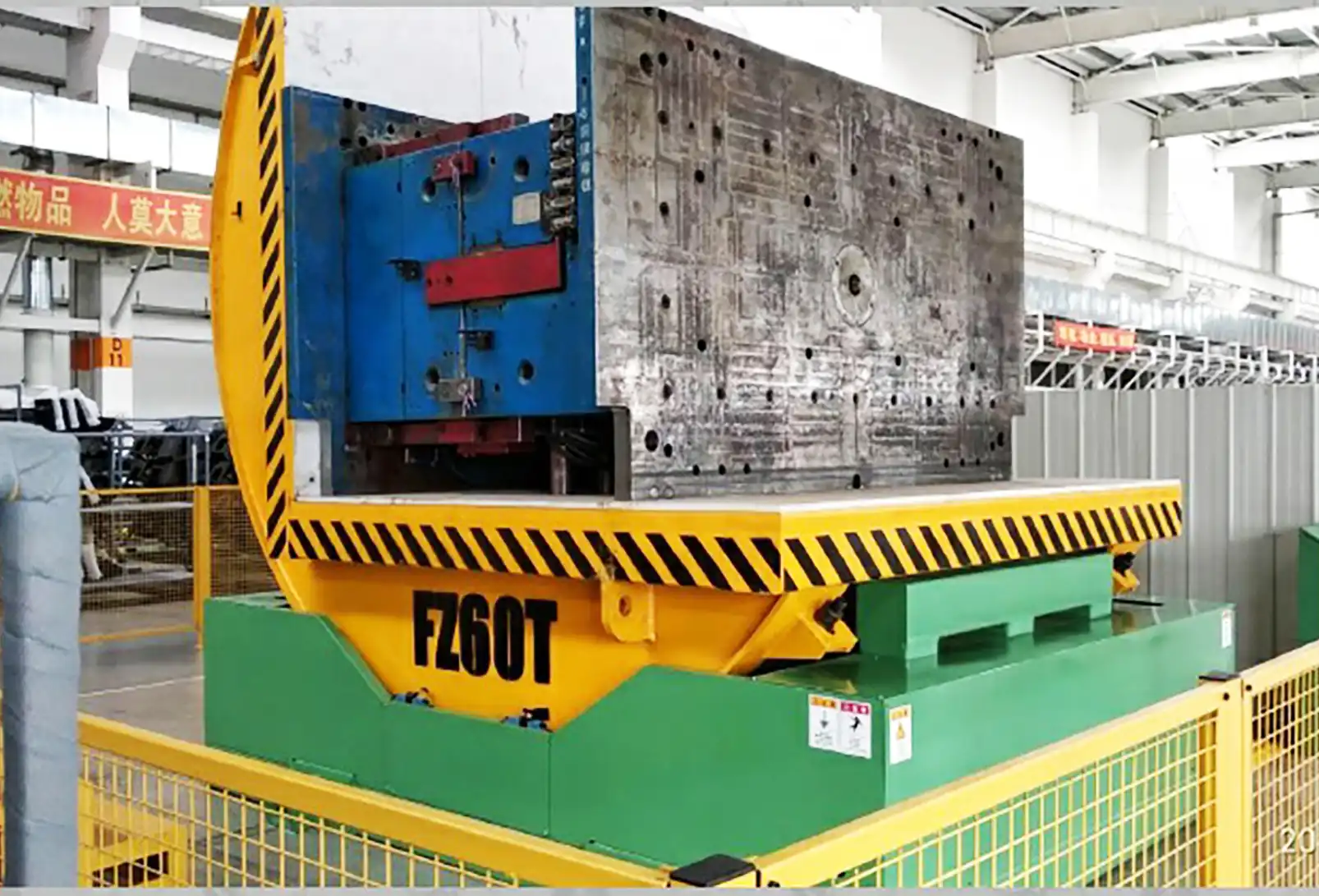
The manufacturing landscape is undergoing a seismic shift, propelled by the convergence of automation and Artificial Intelligence (AI). At the heart of this transformation lies the mold making industry, a sector critical to a vast array of industrial production. Among the key pieces of equipment in this sector, mold upenders play a crucial role, and they are now being reimagined through the lens of these cutting-edge technologies. This article delves into the future of mold upenders, exploring how automation and AI are not just incremental improvements, but are fundamentally reshaping their operation, enhancing efficiency, and paving the way for a new era of manufacturing excellence.
Automation: The Foundation of Modern Mold Upenders
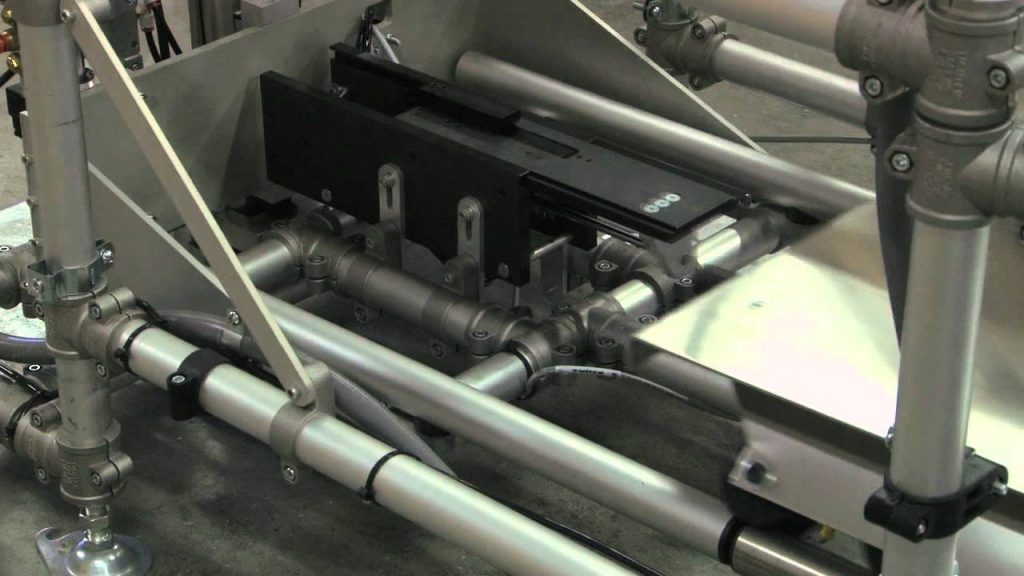
| Automation has long been a driving force in manufacturing, and its impact on mold making, including mold upenders, is profound. The integration of robotic systems into mold handling processes is streamlining operations and elevating precision to levels previously unattainable. Precision Robotics and Enhanced Efficiency Sophisticated robotic systems are becoming increasingly integral to mold upender operations. These robots are not merely performing repetitive tasks; they are equipped with advanced sensors and control configurations that allow for real-time monitoring and adjustment of the mold handling process. This precision translates directly into enhanced efficiency and production rates. Automated systems can operate continuously, eliminating downtime caused by fatigue and human error, key factors in boosting overall throughput. |
Feature | Traditional Mold Upender Operation | Automated Mold Upender Operation |
|---|---|---|---|
| Operation Speed | Limited by human fatigue and speed | Continuous, 24/7 operation | |
| Precision | Subject to human error | High accuracy, consistent | |
| Consistency | Variable, dependent on operator skill | Uniform and reliable process | |
| Downtime | Higher due to manual handling | Minimized, optimized scheduling | |
| Material Waste | Potential for damage during handling | Reduced damage through precise handling |
| Labor Costs | Higher due to manual labor | Lower, optimized resource allocation |
The benefits extend beyond speed. Automation in mold upender systems contributes to significant cost reduction. While the initial investment in automated technology can be substantial, the long-term returns are compelling. Automated systems optimize material usage, minimize waste and spoilage, and drastically reduce labor overhead over time. This combination leads to a significantly enhanced return on investment for manufacturers.
Improved Quality and Scalability
Consistency is paramount in manufacturing, and automation excels in this domain. By minimizing human error, automated mold upender systems ensure a higher degree of consistency in handling molds, which is critical for maintaining mold integrity and product quality. The precision of robots and control systems guarantees that molds are handled according to strict specifications, time after time, reducing the risk of damage and extending mold lifespan.
Furthermore, automation offers unmatched scalability. As market demands fluctuate, automated systems allow businesses to easily scale operations up or down without the traditional challenges of hiring and training additional personnel. This adaptability provides a stable and responsive manufacturing mode, capable of meeting dynamic market needs efficiently.
AI: The Intelligent Engine of the Future Mold Upender
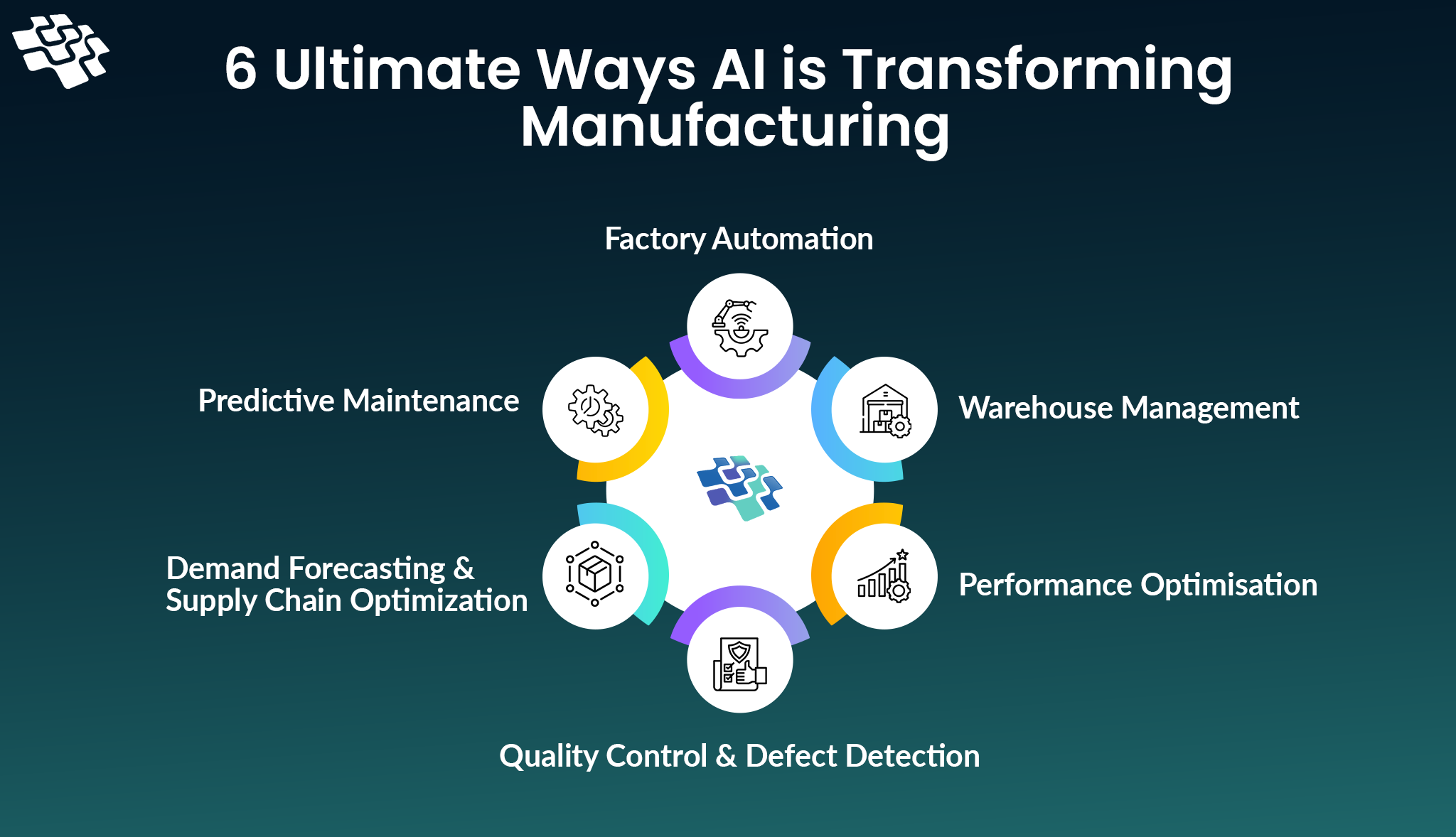
While automation provides the physical framework for advanced mold upender operation, AI injects intelligence, transforming these systems from merely automated to truly smart. AI is driving a paradigm shift, enabling proactive and predictive capabilities that optimize every facet of mold upender operation and mold making as a whole.
AI-Powered Predictive Maintenance: Minimizing Downtime, Maximizing Uptime
One of the most transformative applications of AI in mold upender technology is predictive maintenance. By integrating sensors and AI-driven analytics, manufacturers can move from reactive maintenance schedules to proactive, predictive strategies. AI algorithms analyze real-time data from sensors monitoring the mold upender system, identifying subtle anomalies and patterns that are indicative of potential failures long before they occur.
This predictive capability is a game-changer. Traditionally, maintenance is often performed on a schedule or after a breakdown, both of which can lead to significant downtime and lost productivity. AI-powered predictive maintenance allows for maintenance to be scheduled precisely when needed, minimizing disruptions and maximizing uptime.
Consider the significant challenges of unexpected downtime. In manufacturing settings, machine failure can be incredibly costly, not just in repair expenses but also in lost production time. For example, in some industries, downtime can cost businesses hundreds of thousands of dollars per day. Predictive maintenance, powered by AI, addresses this challenge head-on by forecasting potential failures and allowing for timely interventions before they escalate into major breakdowns.
AI in Design and Operation Optimization
AI is not limited to maintenance; its influence extends to the very design and operation of mold upenders. AI-enhanced software is revolutionizing how these systems are conceived and utilized. Generative design, an AI-driven method, allows for the creation of optimized mold upender designs based on specific parameters such as load capacity, cycle time, and spatial constraints. This leads to more innovative and efficient designs, reducing development times and improving overall performance.
| AI algorithms can also optimize the operational parameters of mold upenders in real-time. By analyzing data on mold weight, size, and handling requirements, AI can dynamically adjust the speed, force, and movement patterns of the upender to ensure optimal performance and safety. This level of intelligent control enhances both efficiency and the lifespan of the equipment. | Aspect | Traditional Approach | AI-Enhanced Approach |
|---|---|---|---|
| Maintenance Scheduling | Time-based or reactive | Condition-based, predictive | |
| Design Optimization | Manual, experience-based | Generative, data-driven, AI-optimized | |
| Operational Control | Fixed, pre-set parameters | Dynamic, real-time AI-driven adjustments | |
| Quality Control | Manual inspection, post-production | AI-powered, real-time, in-process | |
| Data Analysis | Limited, manual analysis | Big Data analytics, machine learning insights | |
| Resource Utilization | Suboptimal, potential inefficiencies | Optimized, AI-driven resource allocation |
Real-Time Quality Control and Defect Reduction
AI is also enhancing quality control in mold upender related processes. By integrating machine learning algorithms and computer vision, AI systems can monitor the mold handling process in real-time, identifying potential issues and defects as they occur. For instance, AI-powered vision systems can detect misalignments, surface imperfections, or any deviations from specified handling protocols during mold transfer or rotation.
This real-time quality control is crucial for preventing damage to molds and ensuring the integrity of the manufacturing process. By catching errors early, AI minimizes the need for rework and reduces material waste, contributing to both cost efficiency and improved product quality.
Data-Driven Insights: The Fuel for Continuous Improvement
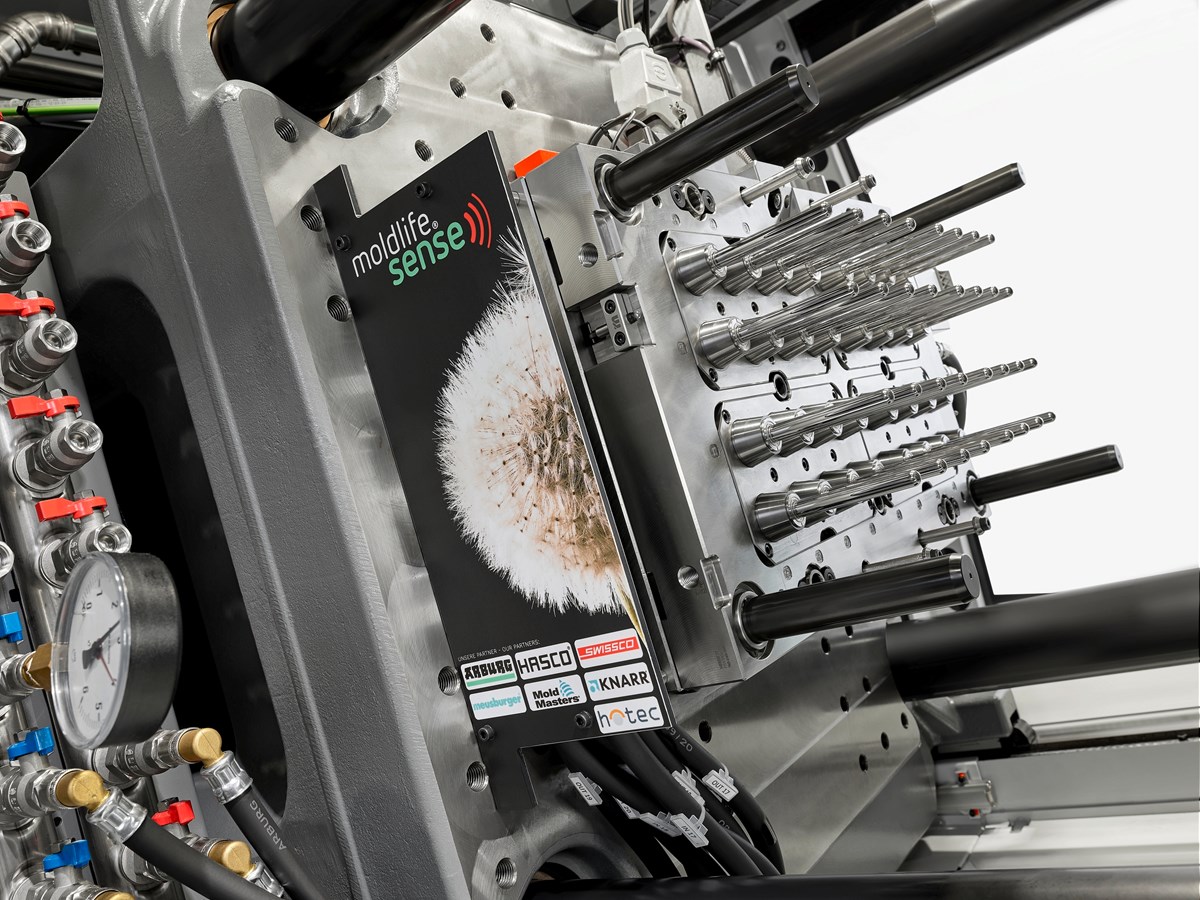
The power of AI and automation in mold upenders is further amplified by the vast amounts of data these systems generate. Big data analytics and machine learning algorithms are essential tools for unlocking valuable insights from this data, driving continuous improvement and optimization.
Big Data and Machine Learning for Process Optimization
Mold upender systems equipped with sensors and AI generate a wealth of data related to operational parameters, performance metrics, and environmental conditions. Big data analytics techniques are used to process and analyze this data at scale, revealing patterns and trends that would be impossible to discern manually.
Machine learning (ML) algorithms, a subset of AI, are particularly powerful in this context. ML algorithms can learn from historical data to identify correlations between operational parameters and performance outcomes. For instance, ML can identify optimal settings for mold handling speed, lift force, and rotation angles based on different mold types and materials. This data-driven optimization leads to more efficient and effective mold upender operations.
Real-Time Decision Making: Agility and Responsiveness
The ability to process data and derive insights in real-time is transforming decision-making in mold making. AI-powered systems can provide operators and managers with immediate feedback on the performance of mold upenders, enabling faster and more accurate interventions.
Real-time dashboards and alerts, driven by AI analytics, provide a comprehensive view of mold upender operations. These tools can highlight potential issues, track key performance indicators (KPIs), and facilitate rapid responses to any deviations from optimal operating conditions. This agility and responsiveness are crucial for maintaining smooth and efficient manufacturing processes.
Navigating Challenges and Ethical Considerations
While the integration of automation and AI in mold upender technology offers immense benefits, it is crucial to acknowledge and address the associated challenges and ethical considerations.
Implementation Costs and Workforce Adaptation
The initial investment in advanced automation and AI systems can be substantial, posing a barrier for some manufacturers, particularly smaller enterprises. However, the long-term cost benefits and productivity gains often justify this upfront investment.
Another key challenge is workforce adaptation. As automation and AI take over repetitive and manual tasks, the roles of human workers are evolving. It is essential to invest in training and upskilling programs to equip the workforce with the skills needed to manage and leverage these new technologies. This shift should be viewed as an opportunity to elevate human roles to more complex, creative, and strategic activities.
Data Privacy, Security, and Ethical Use of AI

As AI systems rely heavily on data, concerns about data privacy and security are paramount. Robust cybersecurity measures are essential to protect sensitive operational and performance data. Furthermore, ethical considerations related to the use of AI must be addressed proactively. Ensuring transparency, fairness, and accountability in AI algorithms is crucial for building trust and ensuring responsible technology adoption.
The Future Horizon: Intelligent, Sustainable, and Streamlined Mold Making
The future of mold upenders is inextricably linked to the continued advancement of automation and AI. These technologies are not just improving current operations; they are paving the way for a fundamentally transformed mold making industry.
Towards Intelligent and Autonomous Systems
The trend is towards increasingly intelligent and autonomous mold upender systems. Future systems will likely incorporate even more sophisticated AI algorithms, capable of learning and adapting to changing conditions with minimal human intervention. This could lead to fully autonomous mold handling processes, further enhancing efficiency and reducing operational costs.
Sustainability and Resource Optimization
Sustainability is becoming a critical imperative for all industries, and mold making is no exception. AI and automation are playing a key role in driving more sustainable practices. Automated systems optimize energy consumption and material usage, reducing waste and minimizing the environmental footprint of mold making operations. AI-driven analytics can also be used to optimize material selection and recycling processes, further enhancing sustainability.
Streamlined and Integrated Manufacturing Ecosystems
The integration of AI and automation in mold upenders is part of a broader trend towards more streamlined and integrated manufacturing ecosystems. Future mold making facilities will likely feature interconnected systems, from design and simulation to manufacturing and quality control, all driven by AI and automation. This holistic approach will enable unprecedented levels of efficiency, flexibility, and responsiveness, positioning the mold making industry at the forefront of manufacturing innovation.
In conclusion, the future of mold upenders is bright, driven by the transformative power of automation and AI. These technologies are not just incremental improvements; they represent a paradigm shift, reshaping mold making operations, enhancing efficiency, and paving the way for a new era of intelligent, sustainable, and streamlined manufacturing. As AI continues to evolve and penetrate deeper into manufacturing processes, the potential for innovation in mold upender technology and the broader mold making industry is virtually limitless.