# The Future of Mold Upenders in the Automotive Industry
## Introduction
- Brief overview of mold upenders and their importance in the automotive industry
## Current use of mold upenders in the automotive industry
- Benefits and drawbacks
- Examples of how they are currently being used in the industry
## Emerging technologies
- Overview of new technologies that can potentially replace mold upenders
- Pros and cons of these new technologies
## Future innovations and improvements in mold upenders
- Predictions for new advancements in mold upenders
- How these advancements can change the industry
## Impact on production and supply chain management
- How mold upenders affect production and supply chain management in the automotive industry
## Environmental implications
- Environmental impact of mold upenders in production
- Ways to mitigate their environmental impact
## Costs and ROI
- Comparison of the cost of mold upenders versus other technologies
- The ROI of mold upenders in the automotive industry.
## Challenges and limitations
- Challenges faced in the use of mold upenders in the automotive industry
- Limitations of mold upenders
## Conclusion
- Summary of main points discussed.
- Final thoughts on the future of mold upenders in the automotive industry.
## FAQs
1. What are mold upenders?
2. How do mold upenders benefit the automotive industry?
3. Can mold upenders replace human workers in the automotive industry?
4. What technologies can potentially replace mold upenders?
5. Are mold upenders environmentally friendly?
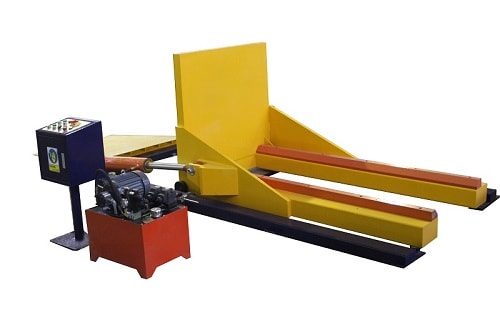
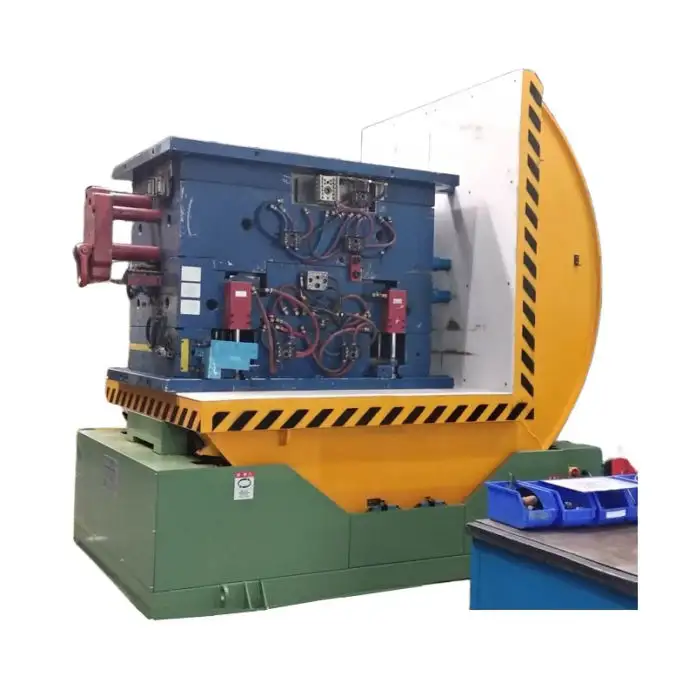
Mold upenders play an essential role in the automotive industry, and their use is only expected to increase in the future. These are devices that help flip molds over, which is crucial in the production of parts and components. This article will explore the current use of mold upenders in the automotive industry, new technologies that may replace them, emerging advancements, and the impact they have on production, supply chain management, and the environment.
Currently, mold upenders are widely used in the automotive industry because they come with many benefits. For instance, they are fast, reliable, and cost-effective. However, they have some drawbacks, such as the need for a skilled operator and a large installation area. It is also essential to point out that the development of new technologies such as the robotic arm and automated systems could replace mold upenders in the near future. These technologies come with their advantages, such as fairly low maintenance costs and improved efficiency.
The future of mold upenders in the automotive industry is bright as advancements in technology create a window for improvement. It is expected that sophisticated sensors and control systems will make mold upenders more efficient. This technology will allow the molds to move faster, and the upenders will require less maintenance over time. Moreover, these advancements will lead to the reduction of tooling costs, as older molds may be updated to newer molds for improved efficiency.
It is important to note that the use of mold upenders in the automotive industry has undeniable impact on production efficiency and supply chain management. The fast and efficient flipping of molds ensures that the production timeline is strictly adhered to and that the supply chain is well delivered.
However, there are also environmental implications of the use of mold upenders in the automotive industry. The use of large, complex machinery, especially in situations where small manufacturers are involved, poses significant challenges. However, it is still possible to mitigate their environmental impact through technologies such as the implementation of fuel-efficient machinery or repurposing existing machinery.
Finally, the cost of mold upenders versus other technologies such as robots and automated systems is an essential consideration for automotive manufacturers. Although the costs of mold upenders vary, they are generally cost-effective and available in a variety of configurations and sizes, which makes them a common choice for many manufacturers. And in the long run, the ROI for mold upenders is attractive.
In conclusion, the future of mold upenders in the automotive industry can only get better, as technological advancements continue to create opportunities for improvement. And while mold upenders face some challenges, such as environmental issues and competition from other technologies, their benefits make them an essential tool for automotive manufacturers.
## FAQs
1. What are mold upenders?
- Mold upenders are devices that help flip molds over, which is crucial in the production of parts and components in the automotive industry.
2. How do mold upenders benefit the automotive industry?
- Mold upenders are fast, reliable, and cost-effective, which ensures that the production timeline is strictly adhered to and that the supply chain is well-delivered.
3. Can mold upenders replace human workers in the automotive industry?
- Mold upenders require human supervision and operation, so they cannot replace human workers entirely.
4. What technologies can potentially replace mold upenders?
- New technologies, such as robots and automated systems, can potentially replace mold upenders in the future.
5. Are mold upenders environmentally friendly?
- The use of large, complex machinery, such as mold upenders, poses significant environmental challenges, but their impact can be mitigated through technologies such as the implementation of fuel-efficient machinery or repurposing existing machinery.