# The Importance of Operator Training for Mold Upenders
## Introduction
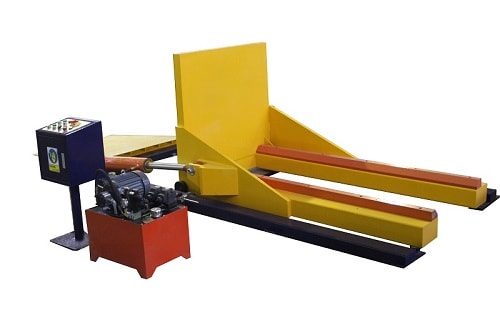
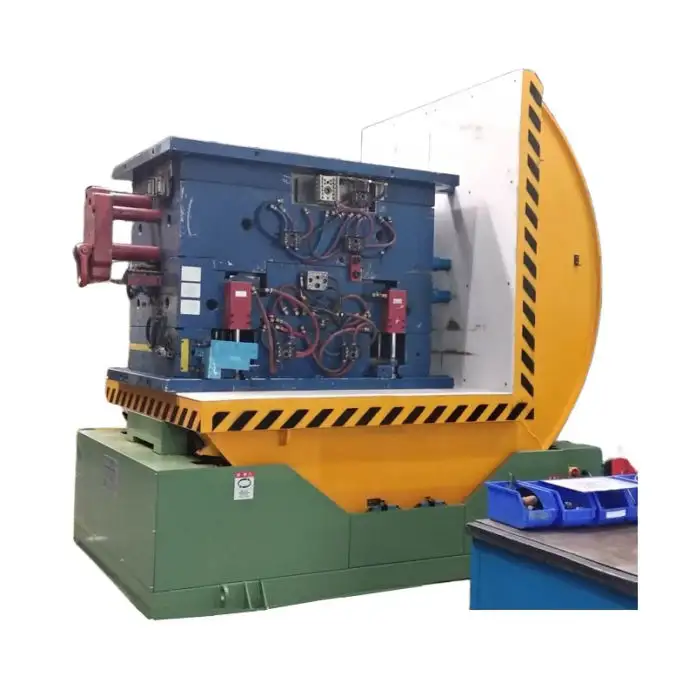
Mold upenders are an essential aspect of the molding process, as they allow molds to be flipped and turned. However, improper use of mold upenders can lead to unnecessary accidents and damage, making operator training vital for anyone who operates these machines.
## The risks of inadequate training
When mold upenders are not used correctly, there is a high risk of accidents. Improper use of these machines can lead to damage to both the molds and the equipment, as well as potentially injuring the operators. Additionally, the cost of repairing or replacing damaged equipment can be significant.
## The benefits of operator training
Proper operator training can help avoid accidents and lead to safer and more efficient operations. Trained operators are better equipped to recognize potential hazards and understand the necessary safety protocols. They are also more proficient in operating the equipment, leading to less damage and more efficiency in the molding process.
### Improved productivity
Trained operators can conduct mold upending tasks more efficiently leading to increased productivity in the overall process. This can result from reduced errors, faster job completion, and a better grasp of the machine's capabilities.
### Lowered risk of machine failure
Well-trained operators are less likely to cause equipment damage through incorrect usage. By reducing the risk of equipment damage, there is a reduced chance of machine failure, expensive repairs, and overall downtime in the production process.
### Cost reductions
With improved productivity and lowered risk of machine failure, trained operators can save your company a great deal of money. Equipment downtime, recalibration, and repairs can cost thousands of dollars, making well-trained operators a critical investment for businesses.
## Training options for mold upenders
Training can come in various forms, including in-person training, safety videos, or online training resources. It is crucial to choose the training option that best suits the operator's needs, experience, and level of proficiency.
### In-person training
Hands-on, in-person training is typically the most effective training method. This could be classroom-based group training, where the instructor demonstrates the proper use of mold upenders, or individualized training with a qualified trainer.
### Online training
Online training is a convenient option that enables trainees to work through the course materials at their own pace, from wherever they choose. Online courses typically offer quizzes and tests to enhance recall and solidify concepts. These training platforms also provide end-of-course certification.
## Conclusion
Mold upenders are essential equipment in mold manufacturing. The simple act of upending can turn out to be a costly disaster without proper operator training, which can lead to machine damage, injuries to personnel, work stoppages, and financial losses. To avoid these adverse effects, molds upender operators should receive adequate training and scheduled refresher courses. A well-trained and competent operator is key to the success of your company.
## FAQs
#### Q1. What is a mold upender?
A1. A mold upender is a piece of equipment used for turning and flipping molds in a manufacturing process.
#### Q2. What is the importance of operator training for mold upenders?
A2. Operator training is crucial for avoiding accidents, reducing equipment damage, increasing efficiency, and reducing costs in the molding process.
#### Q3. What are the risks of inadequate training for mold upenders?
A3. The risks of inadequate training include equipment damage, hazardous working conditions, operator injury, and overall process inefficiency.
#### Q4. What are some training options available for mold upenders?
A4. In-person training, online courses, and safety videos are all common training options for mold upenders.
#### Q5. What are some benefits of well-trained mold upender operators?
A5. Trained operators can reduce the risk of accidents, improve productivity, lower the risk of machine failure, and save significant costs related to equipment downtime and repairs.